























Blood Moon Photos: The Total Lunar Eclipse of September 2025
Sep 15, 2025
Soumyadeep Mukherjee
Soumyadeep Mukherjee is an award-winning astrophotographer from India. He has a doctorate degree in Linguistics. His work extends to the sub-genres of nightscape, deep sky, solar, lunar and optical phenomenon photography. He is also a photography educator and has conducted numerous workshops. His works have appeared in over 40 books & magazines including Astronomy, BBC Sky at Night, Sky & Telescope among others, and in various websites including National Geographic, NASA, Forbes. He was the first Indian to win “Astronomy Photographer of the Year” award in a major category.
Share:

On the night of September 7–8, 2025, the world witnessed one of the grandest spectacles of the sky. A total lunar eclipse, lasting more than an hour, turned the Moon into a glowing blood moon. It was a night when science and beauty merged, and people across continents looked upward with awe. For many, it was a rare chance to see our planet’s shadow stretch across its companion.
This total lunar eclipse, visible from Europe, Africa, Asia, and Australia, united millions under a single sky. From deserts and coastlines to city rooftops and rural fields, cameras turned upward, capturing the blood moon against backdrops as diverse as humanity itself.
What happens during a total lunar eclipse?
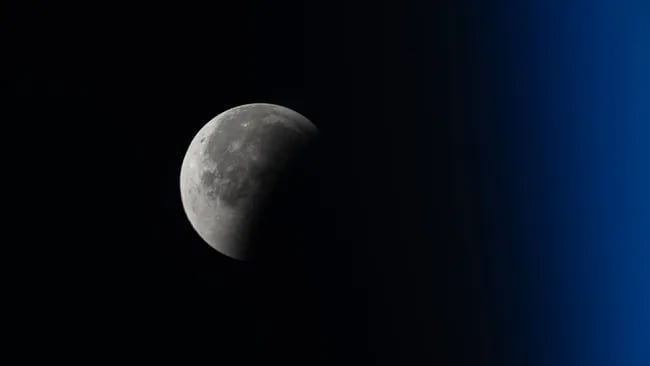
A lunar eclipse occurs when Earth comes directly between the Sun and the Moon. The Moon passes into Earth’s shadow, known as the umbra. Unlike solar eclipses, lunar eclipses are safe to watch with the naked eye. During totality, sunlight filters through Earth’s atmosphere, bending and scattering. The shorter blue wavelengths get lost, while the longer red ones reach the Moon. That is why the Moon glows crimson, earning the popular name “blood moon.”
In September 2025, the eclipse was particularly striking. Totality lasted for 82 minutes, long enough for observers to watch the gradual transformation. As the shadow crept across the lunar surface, the bright white face slowly dimmed and turned coppery red.
Where the eclipse was visible
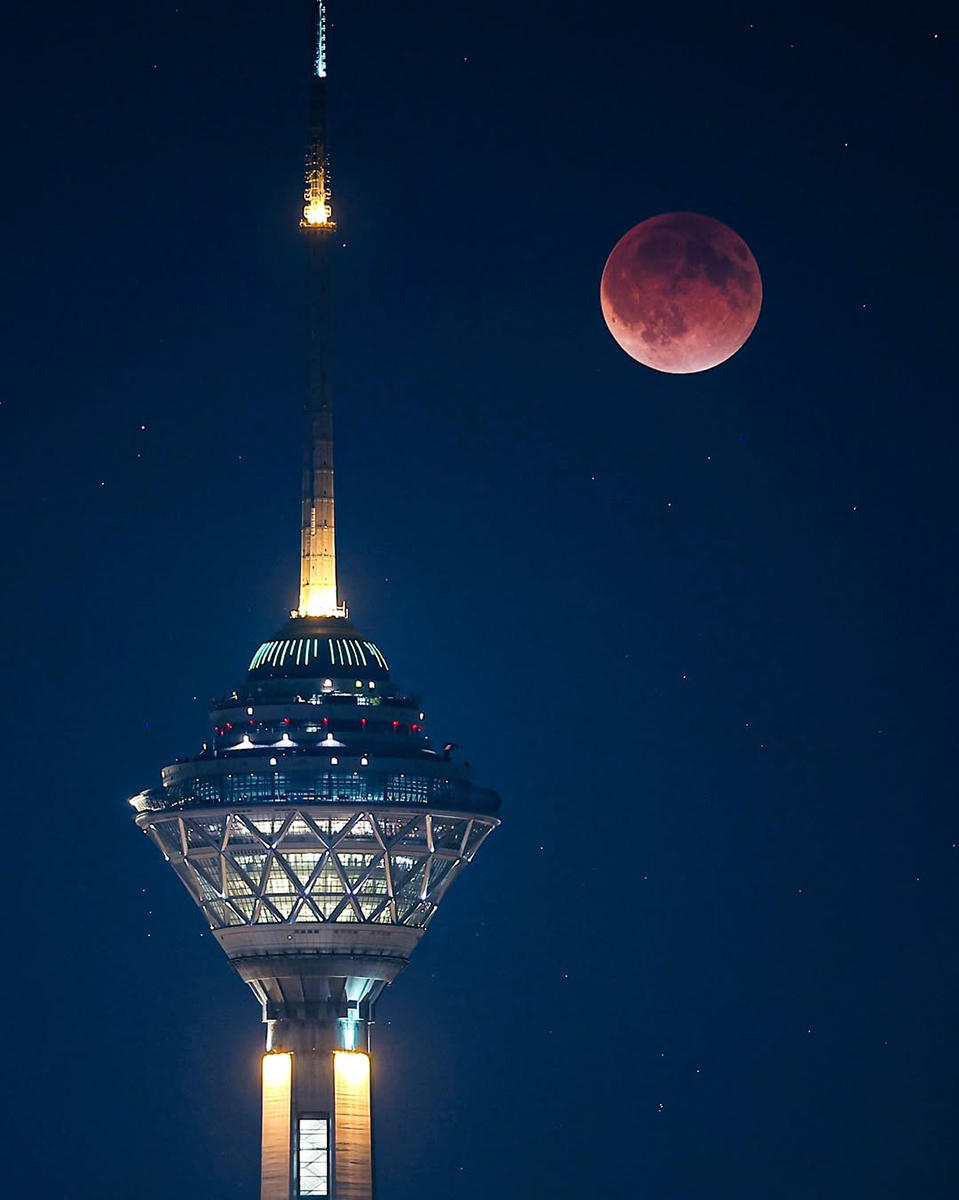
This eclipse was generous in reach. Viewers across Europe, Africa, Asia, and Australia had the best show. South America caught the beginning stages at moonrise, while North America missed most of it. In many parts of India, Australia, and Eastern Europe, the Moon was high in the sky, giving photographers perfect conditions.
For people in cities, the Moon was visible even through light pollution. In rural areas, where the skies were darker, the glowing red Moon looked almost surreal. Many groups hosted skywatching events. Amateur astronomy clubs gathered in parks with telescopes. Astrophotographers carried tripods and cameras to open fields and rooftops. The eclipse became a scientific event and also a social celebration of the sky.
The science behind the glow
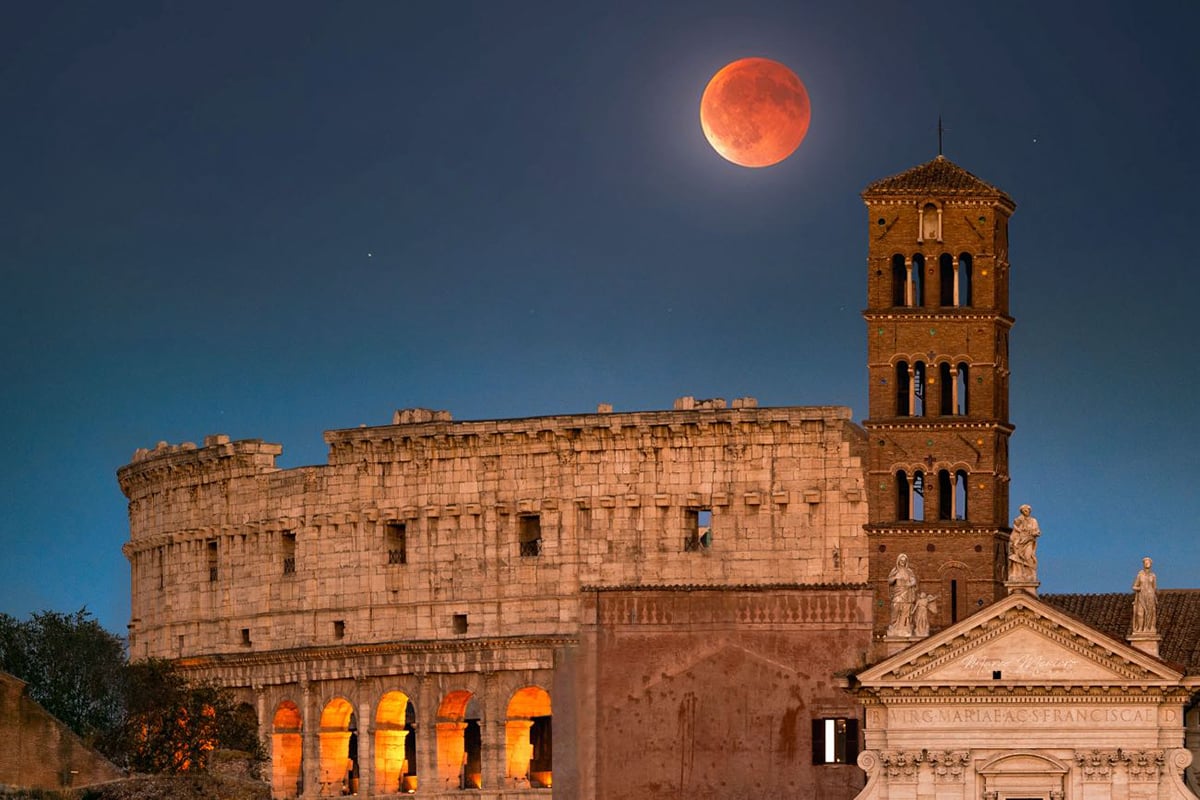
The fiery red color of a lunar eclipse depends on Earth’s atmosphere. Volcanic eruptions, dust, and pollution can change the shade. A clear atmosphere produces a bright orange-red Moon. Dusty skies can make it look darker, sometimes almost brown. During the recent eclipse, atmospheric conditions were relatively clear, so the Moon shone a vivid red across much of the world.
Though beautiful, lunar eclipses are not just for entertainment. Scientists use them for research. Observing how sunlight filters through Earth’s atmosphere during an eclipse helps researchers study climate and air quality. The technique is similar to how astronomers analyze exoplanets. When a planet passes in front of its star, starlight filters through its atmosphere. By comparing what happens during a lunar eclipse, scientists refine methods for detecting atmospheres on distant worlds.
An astrophotographer’s dream
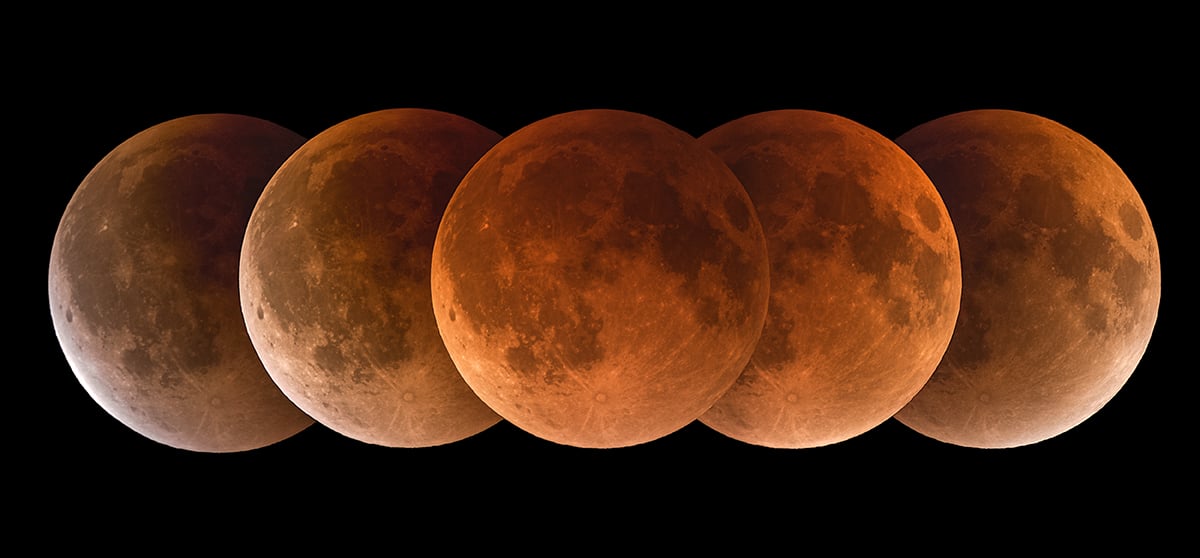
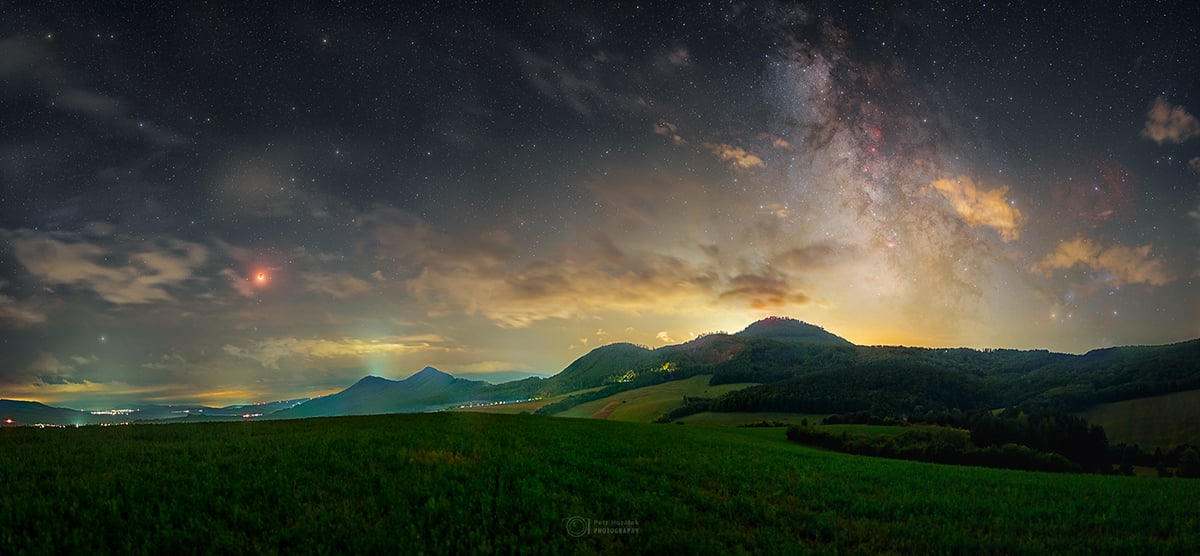
For astrophotographers, the September eclipse was a highlight of the year. Unlike solar eclipses, which demand filters and strict timing, lunar eclipses are forgiving. The event unfolds over hours, giving plenty of time to adjust exposures and framing. Wide-angle shots captured the blood moon above landscapes, temples, or city skylines. Telephoto lenses revealed fine detail in the lunar surface, painted in red and orange.
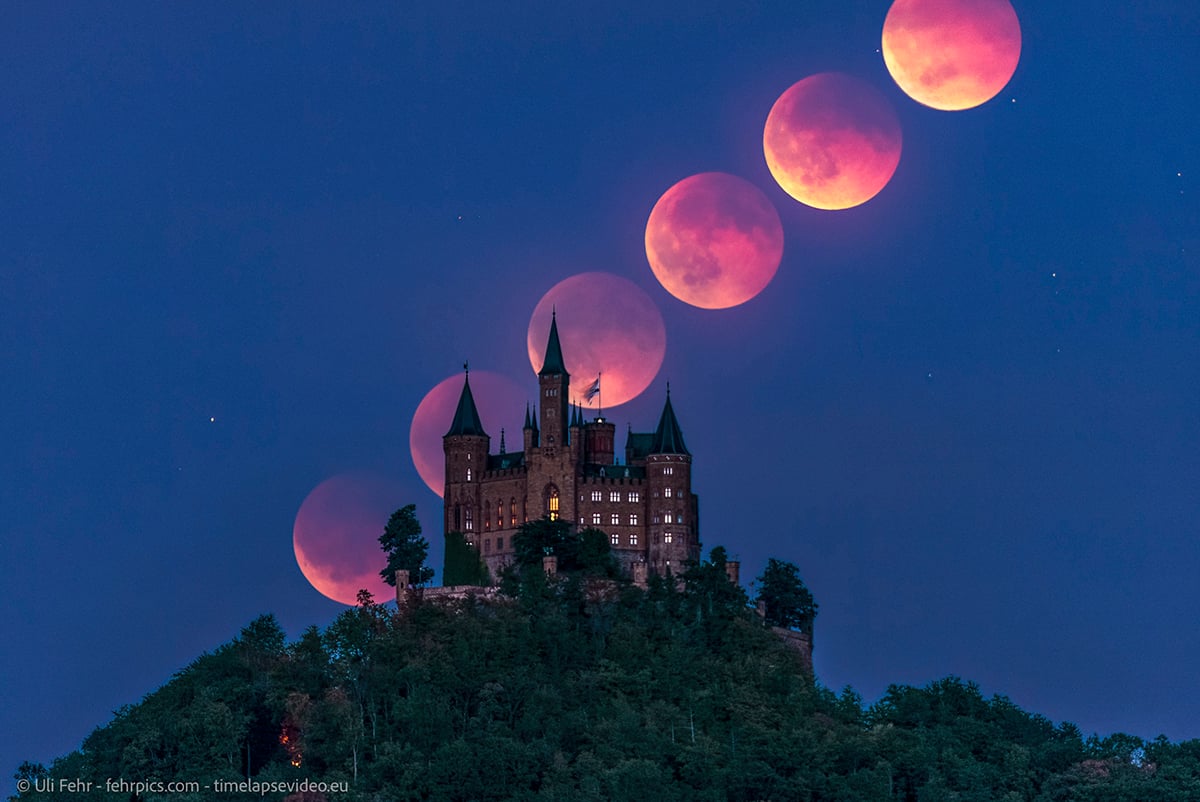
Some creative photographers combined sequences into composites, showing the Moon gradually entering and leaving Earth’s shadow. Others captured reflections of the eclipsed Moon in lakes or oceans. Social media platforms buzzed with images, making the eclipse not just an astronomical event but a global art project.
A night for the world
One of the most powerful aspects of lunar eclipses is their global reach. Unlike solar eclipses, which are visible only along narrow paths, lunar eclipses are seen by half the world at once. On September 7–8, millions of people looked up together, across borders and languages. That unity is rare. For a short time, the Moon became a shared stage for humanity.
For many children, it was their first encounter with astronomy. Parents pointed out the glowing red Moon and explained the science in simple terms. Teachers used the event in classrooms. Amateur astronomers organized live streams so that even those under cloudy skies could watch.
The September 2025 eclipse was not the last of the decade. Another total lunar eclipse will occur in March 2026, visible across the Americas, Europe, and Africa. That one will be even longer, with totality lasting almost 90 minutes. For those who missed September’s show, the next chance is not far away.
Clear skies!
See more from DIYPhotography.net on Google
Add DIYPhotography.net as a trusted source. This makes
our stories more likely to appear in your Google Search results.
 Add as a preferred source on Google

Soumyadeep Mukherjee
Soumyadeep Mukherjee is an award-winning astrophotographer from India. He has a doctorate degree in Linguistics. His work extends to the sub-genres of nightscape, deep sky, solar, lunar and optical phenomenon photography. He is also a photography educator and has conducted numerous workshops. His works have appeared in over 40 books & magazines including Astronomy, BBC Sky at Night, Sky & Telescope among others, and in various websites including National Geographic, NASA, Forbes. He was the first Indian to win “Astronomy Photographer of the Year” award in a major category.



Join the Discussion
DIYP Comment Policy
Be nice, be on-topic, no personal information or flames.