




















How to find and photograph Comet SWAN 25B: A Fleeting New Visitor
Sep 14, 2025
Soumyadeep Mukherjee
Soumyadeep Mukherjee is an award-winning astrophotographer from India. He has a doctorate degree in Linguistics. His work extends to the sub-genres of nightscape, deep sky, solar, lunar and optical phenomenon photography. He is also a photography educator and has conducted numerous workshops. His works have appeared in over 40 books & magazines including Astronomy, BBC Sky at Night, Sky & Telescope among others, and in various websites including National Geographic, NASA, Forbes. He was the first Indian to win “Astronomy Photographer of the Year” award in a major category.
Share:
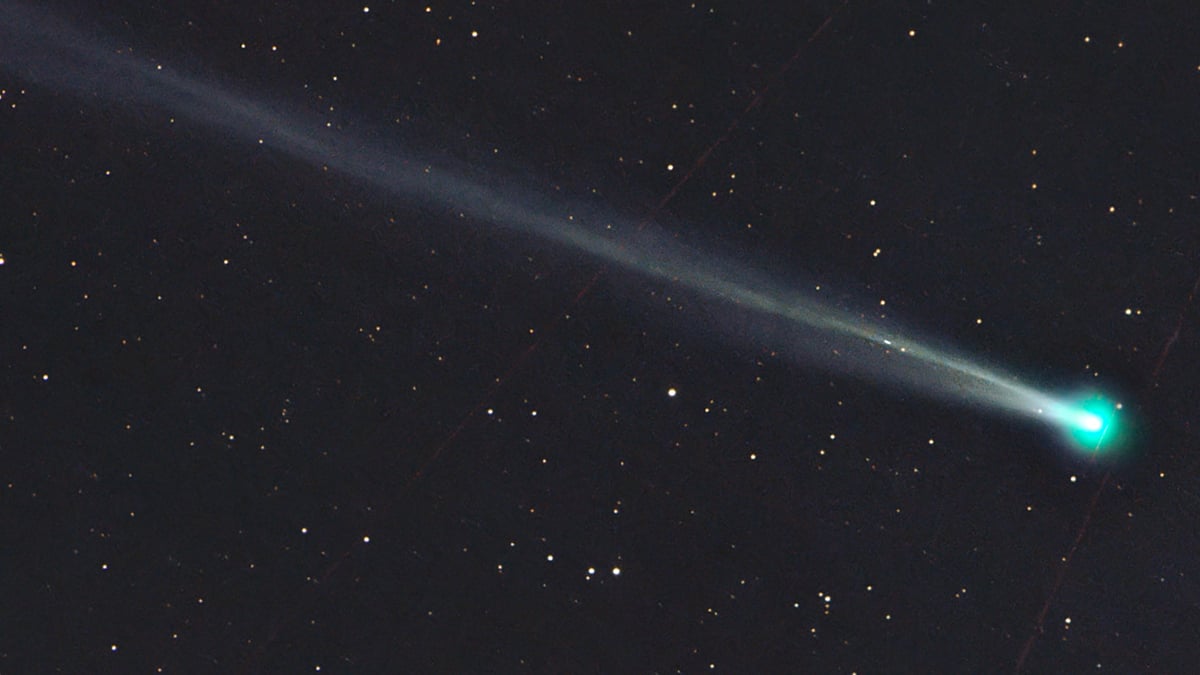
Every so often, the sky drops us a surprise. This September, that surprise came in the form of Comet SWAN 25B, a faint, misty traveler that slipped into view almost out of nowhere. It wasn’t on anyone’s calendar. Nobody was waiting for it. And yet, there it was, glowing faintly against the dawn, just bright enough for cameras to pick up and just mysterious enough to make people chase it.
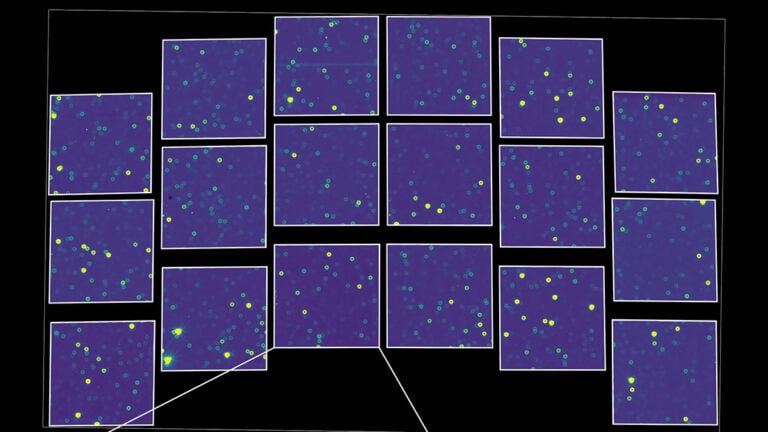
The comet was first noticed in images from the SWAN instrument on the SOHO spacecraft, the same satellite that has been quietly catching comets for decades. Astronomers checked, confirmed, and quickly put it on the Minor Planet Center’s confirmation list. Just like that, we had a new comet to watch.
A comet born in fire and ice
What makes SWAN 25B interesting is the way it showed up. It seemed to have had a sudden outburst near perihelion, as if its icy heart cracked under the heat of the Sun and spilled gas and dust into space. That activity gave it a noticeable coma and even the hint of a tail. Not bad for a comet that wasn’t even in the news a week earlier.
But comets are tricky. They brighten, fade, fragment, or sometimes vanish altogether. One night, you’re looking at a glowing ball with a faint tail, and the next, it’s gone. That’s part of their charm. You’re photographing something alive, changing, and fragile.
Comet SWAN 25B
— Con Stoitsis (@vivstoitsis) September 14, 2025
Date: 14 09 2025 UT 17h38m
Location: Farm Tivoli, Namibia
Michael Jäger, Gerald Rhemann pic.twitter.com/w8yae3T4N2
The hunt in twilight
If you want to see SWAN 25B, you need to work for it. This comet isn’t high in the midnight sky where the stars blaze. It hangs low, close to the Sun. That means your window is narrow: a short slice of time in the evening sky after sunset when twilight still lingers.
That’s where the challenge begins. Low altitude means haze, smog, and light pollution are all against you. And with the comet barely nudging past magnitude 6-7, it has not reached naked-eye visibility under the best skies. For most people, binoculars or a small telescope will be essential. But if you bring a camera, that faint glow will show up beautifully. Currently, Comet SWAN 25B is positioned right between Mars and Spica in the western skies.
🚨 Comet SWAN25B just emerged from behind the Sun. Dicovered on September 12, it’s relatively bright, shining at around magnitude 7.4.
— Massimo (@Rainmaker1973) September 13, 2025
Its trajectory is currently under analysis.
[🔭 E. Guido, M. Rocchetto, J. Ferguson] pic.twitter.com/lRXFIOMA9g
Photographing SWAN 25B
Photographing SWAN 25B will feel more like an adventure than a routine imaging session. You scout a clear horizon, you check weather apps, you calculate where the Sun will set, and you hope the sky gives you a gap.
A simple setup works best: a DSLR or mirrorless camera, a sturdy tripod, and a telephoto lens in the 200–400 mm range. Open the lens wide, f/2.8 or f/4, and keep your exposures short, 1 to 3 seconds, especially without tracking. Push the ISO to 1600 or higher if your camera handles noise well.
If you have a tracking mount, that’s where the magic starts. Longer exposures, stacked together, reveal the soft green coma and the beginning of the tail. Align your frames on the comet, and it will start appearing with detail in your image. Blend those stacks with a star-aligned set, and you have a scene that feels both scientific and artistic: the comet glowing sharp, the stars pinned against it, everything in balance.
NEW comet ☄️ SWAN25B
— Aleix Roig (@astrocatinfo) September 13, 2025
📍Tivoli Astrofarm, NAMIBIA
📷 G.Rhemann & M.Jäger Sep.13 pic.twitter.com/deYAsfd6ms
Comet SWAN 25B probably won’t become a household name like Hale-Bopp or NEOWISE. It may not climb high enough or shine bright enough for that. But for those who catch it, it will be unforgettable, precisely because it’s fleeting.
Clear skies!
See more from DIYPhotography.net on Google
Add DIYPhotography.net as a trusted source. This makes
our stories more likely to appear in your Google Search results.
 Add as a preferred source on Google

Soumyadeep Mukherjee
Soumyadeep Mukherjee is an award-winning astrophotographer from India. He has a doctorate degree in Linguistics. His work extends to the sub-genres of nightscape, deep sky, solar, lunar and optical phenomenon photography. He is also a photography educator and has conducted numerous workshops. His works have appeared in over 40 books & magazines including Astronomy, BBC Sky at Night, Sky & Telescope among others, and in various websites including National Geographic, NASA, Forbes. He was the first Indian to win “Astronomy Photographer of the Year” award in a major category.


Join the Discussion
DIYP Comment Policy
Be nice, be on-topic, no personal information or flames.