




How Long Does a Photoshoot Take? What Photographers and Clients Should Expect
Jun 10, 2026
Alysa Gavilan
Alysa Gavilan has spent years exploring photography through photojournalism and street scenes. She enjoys working with both film and mirrorless cameras, and her fascination with the craft has grown over the decades. Inspired by Vivian Maier, she is drawn to capturing everyday moments that often go unnoticed.
Share:
A photoshoot can move from calm and controlled to fast and unpredictable depending on what is happening in front of the camera. Some finish before the first coffee goes cold, while others stretch through an entire day of changing lights, outfits, and locations.
The time it takes is less about a fixed rule and more about what the shoot is trying to achieve and how many moving parts are involved.
Typical Duration of A Photoshoot
Most straightforward portrait sessions run between 30 minutes and 2 hours. These are usually focused on individuals, couples, or small groups, with limited setup changes and a fairly direct shooting flow. Natural light sessions often fall into this range since they rely less on technical adjustments.
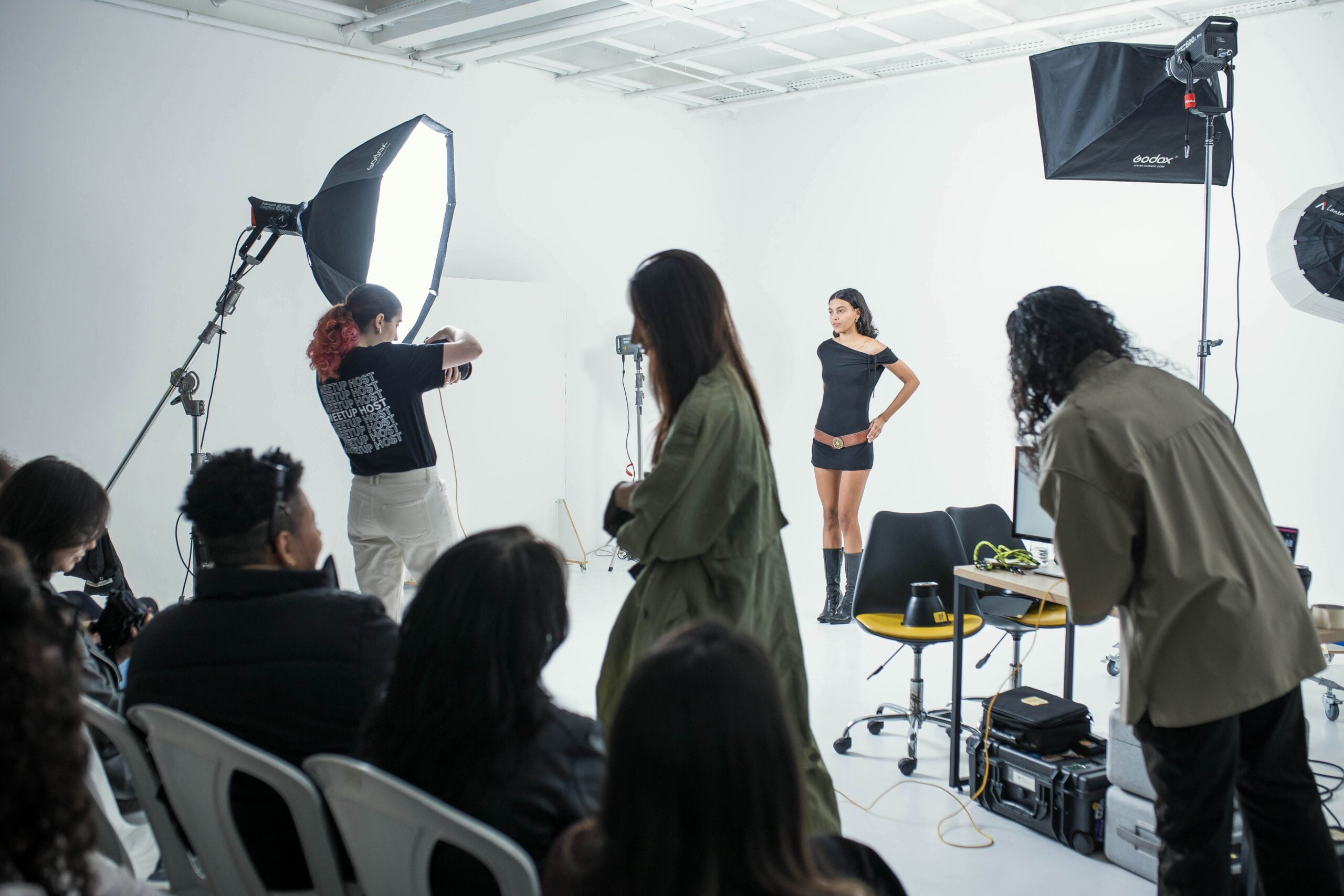
More structured shoots, such as editorial portraits, fashion lookbooks, or commercial assignments, typically last 2 to 6 hours. These sessions include multiple looks, lighting changes, and more deliberate direction. Time is built into the schedule for adjustments in styling, composition, and creative experimentation.
At the upper end, large scale productions can extend to a full day or more. Advertising campaigns, fashion editorials with complex sets, or shoots involving multiple locations may run 8 to 12 hours or even across several days depending on logistics and scope.
Factors That Affect Shoot Length
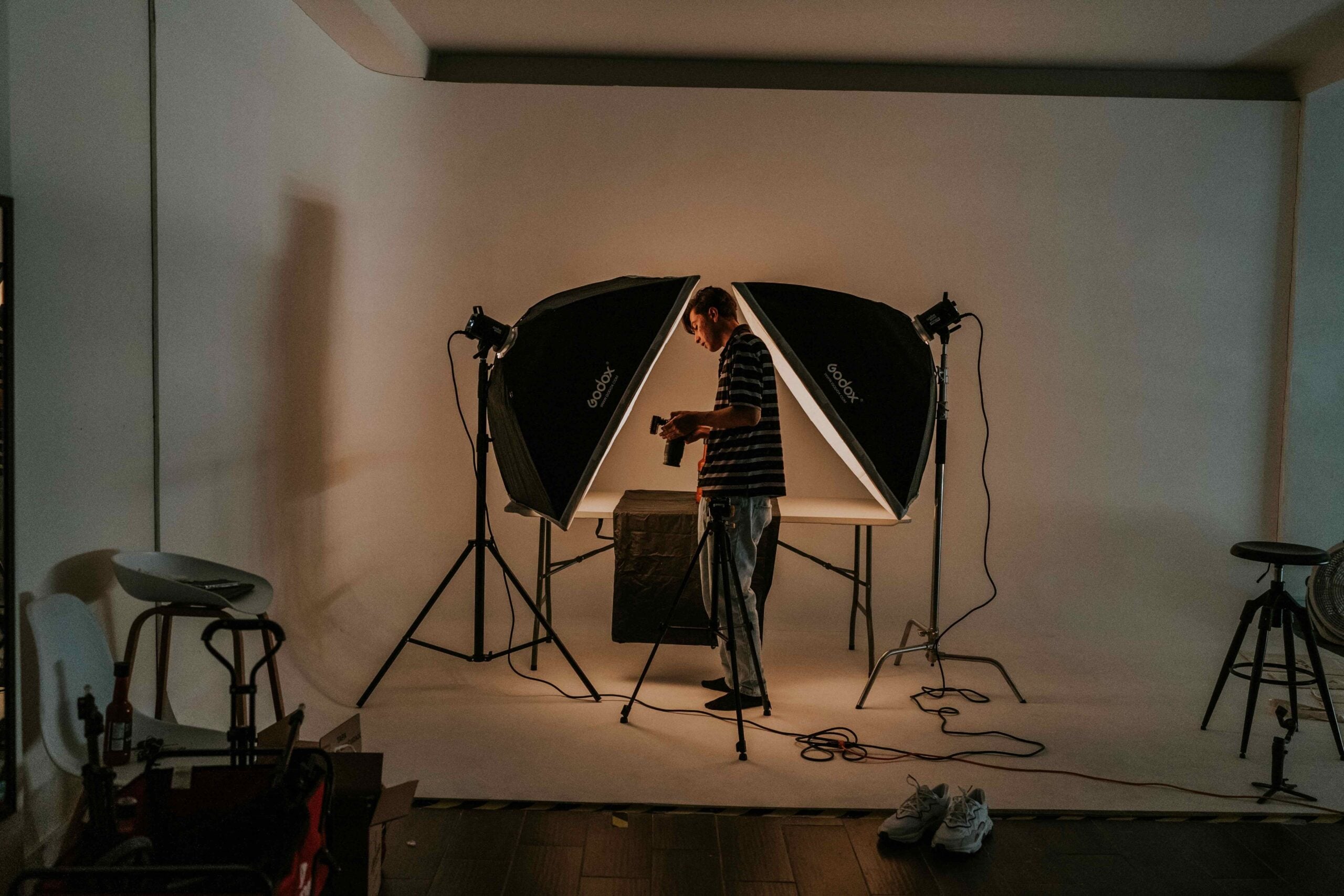
One of the biggest influences on duration is preparation. A shoot that requires extensive lighting setups, props, or set construction will take longer before the first usable frame is captured.
The number of people involved also changes the pace. Solo portraits tend to move quickly, while group shoots require coordination, repeated positioning, and adjustments to ensure consistency across frames.
Location is another major factor. Studio environments are more controlled, while outdoor or multi location shoots introduce travel time, changing light conditions, and repeated equipment setup.
Creative complexity also matters. A simple headshot session follows a faster rhythm, while concept driven work with mood boards and detailed shot lists requires more time to execute properly.
Equipment and workflow choices further affect timing. Tethered shooting, multiple lighting setups, and frequent technical adjustments slow down the pace but allow for greater precision.
How Time Is Actually Spent During A Shoot
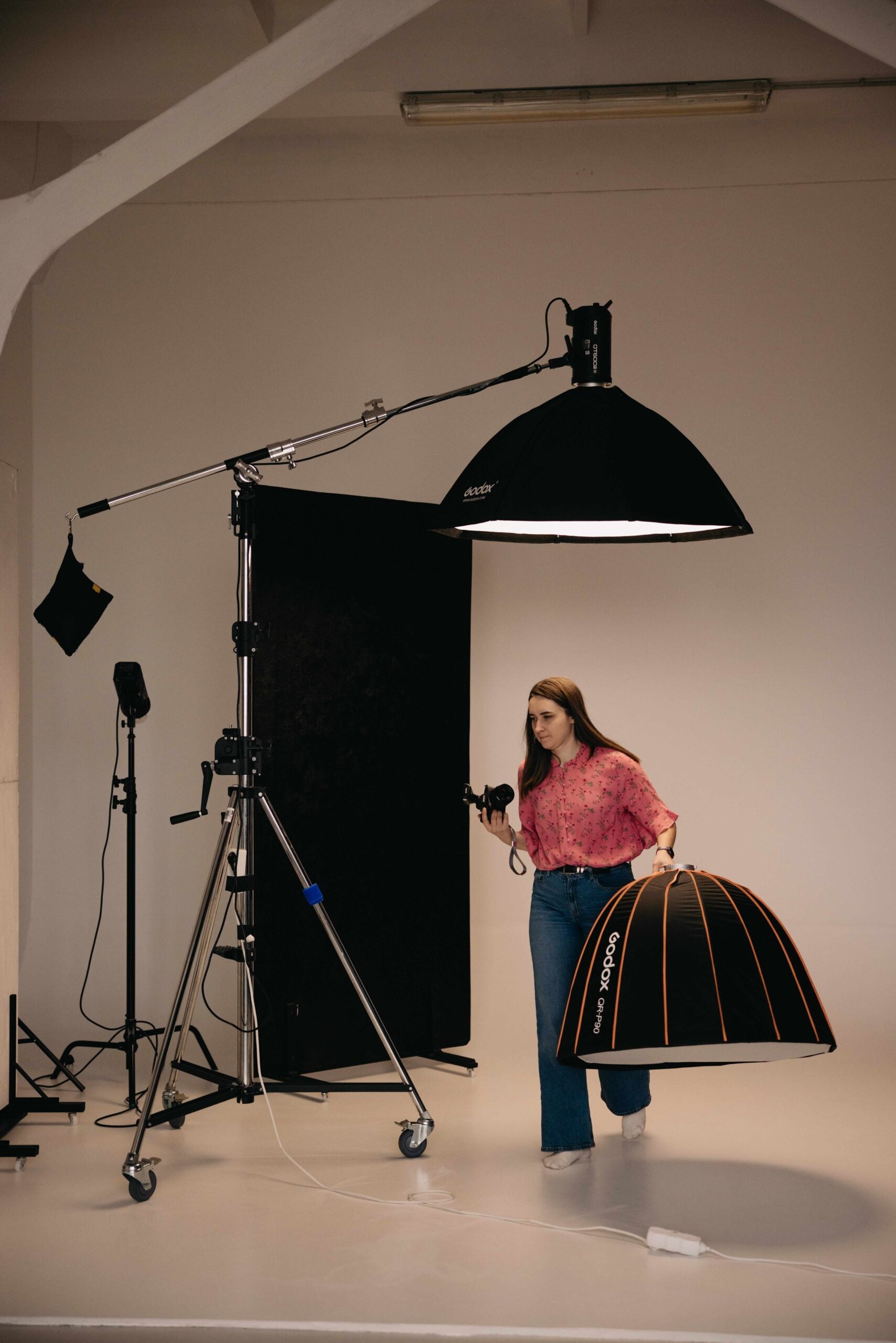
A photoshoot is rarely continuous shooting. Much of the time is spent transitioning between frames. Setup and adjustment periods can range from a few minutes in simple scenarios to over an hour in complex studio work.
Shooting often happens in short bursts. A few captures are taken, followed by review, slight adjustments, and then another round of images. This cycle repeats throughout the session.
Longer shoots also include planned pauses. These breaks allow for makeup changes, wardrobe swaps, lighting resets, or simple rest periods, especially when working with multiple subjects.
Differences Across Photography Types
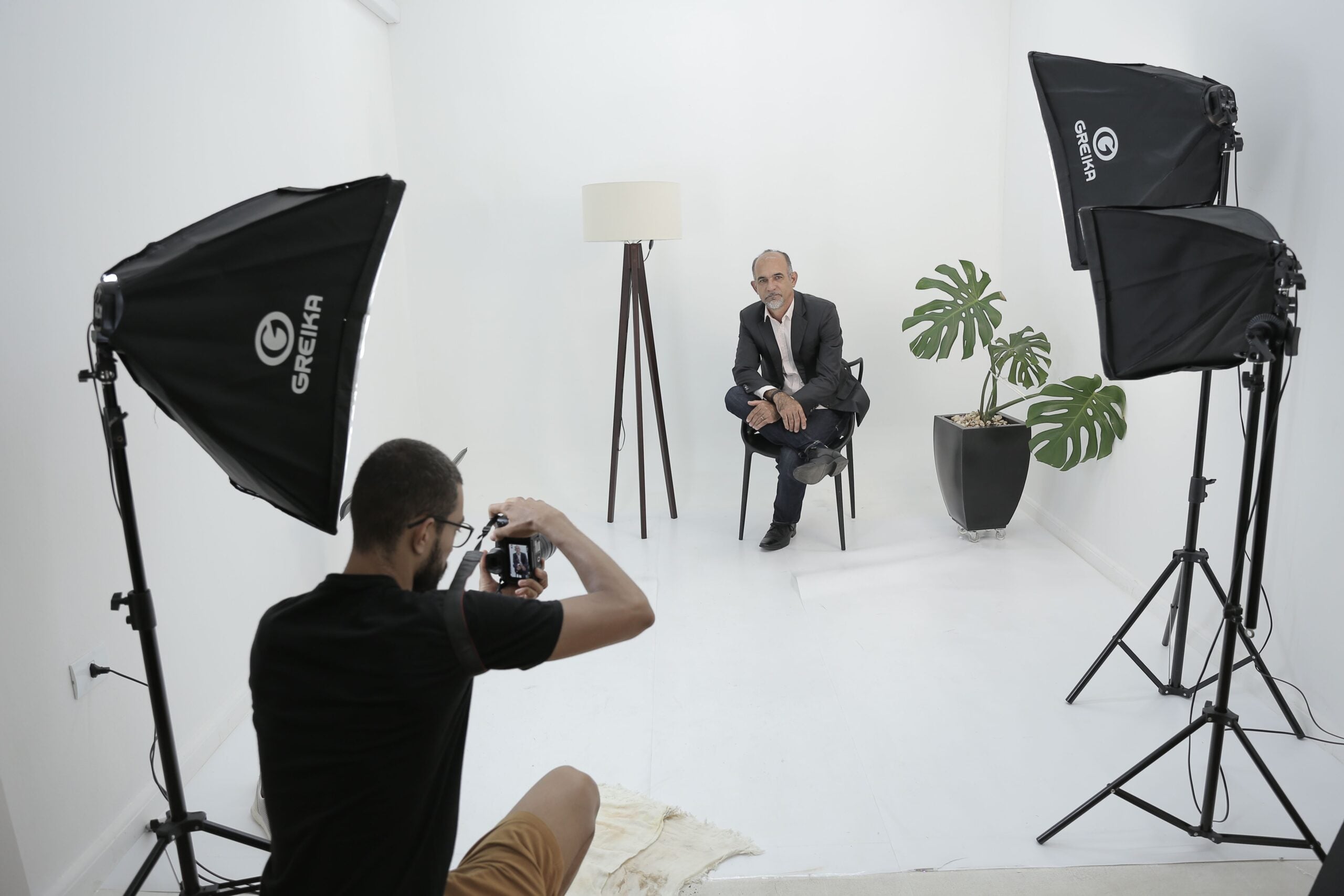
Portrait sessions are generally the shortest, often completed within an hour when focused on a single subject and a simple setup.
Wedding photography is among the longest single day commitments, typically lasting 8 to 12 hours as it covers preparation, ceremony, portraits, and reception coverage.
Commercial and advertising shoots can span multiple days depending on product complexity, set design, and client requirements.
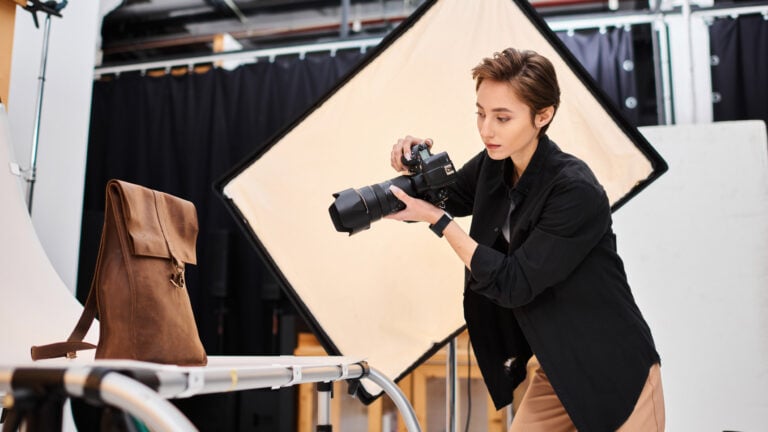
Product photography ranges widely. Basic catalog images on plain backgrounds can be captured quickly, while styled product scenes with props and controlled lighting take significantly more time.

Planning Considerations
Clear planning has a direct impact on how efficiently a shoot runs. Shot lists, references, and pre-production discussions help reduce uncertainty and keep the session moving.
Photographers often include buffer time in their schedules to account for unexpected delays such as lighting changes, weather shifts, or creative adjustments on set.
Punctuality also plays a role. Even small delays at the start of a session can affect the overall timeline, especially when shooting in rented studios or during limited daylight hours.
There is no fixed answer to how long a photoshoot takes because each session is shaped by purpose, scale, and preparation. Some are quick and focused, while others unfold over hours of adjustment and experimentation.
What changes most in your own experience: the time spent planning a shoot or the time spent actually shooting?

Alysa Gavilan
Alysa Gavilan has spent years exploring photography through photojournalism and street scenes. She enjoys working with both film and mirrorless cameras, and her fascination with the craft has grown over the decades. Inspired by Vivian Maier, she is drawn to capturing everyday moments that often go unnoticed.


Join the Discussion
DIYP Comment Policy
Be nice, be on-topic, no personal information or flames.