




















How Can Photographers Make Money? Here Are Some Guidelines
Jun 8, 2026
Lydia Marlowe

Dunja Djudjic is a multi-talented artist based in Novi Sad, Serbia. With 15 years of experience as a photographer, she specializes in capturing the beauty of nature, travel, concerts, and fine art. In addition to her photography, Dunja also expresses her creativity through writing, embroidery, and jewelry making.
Share:
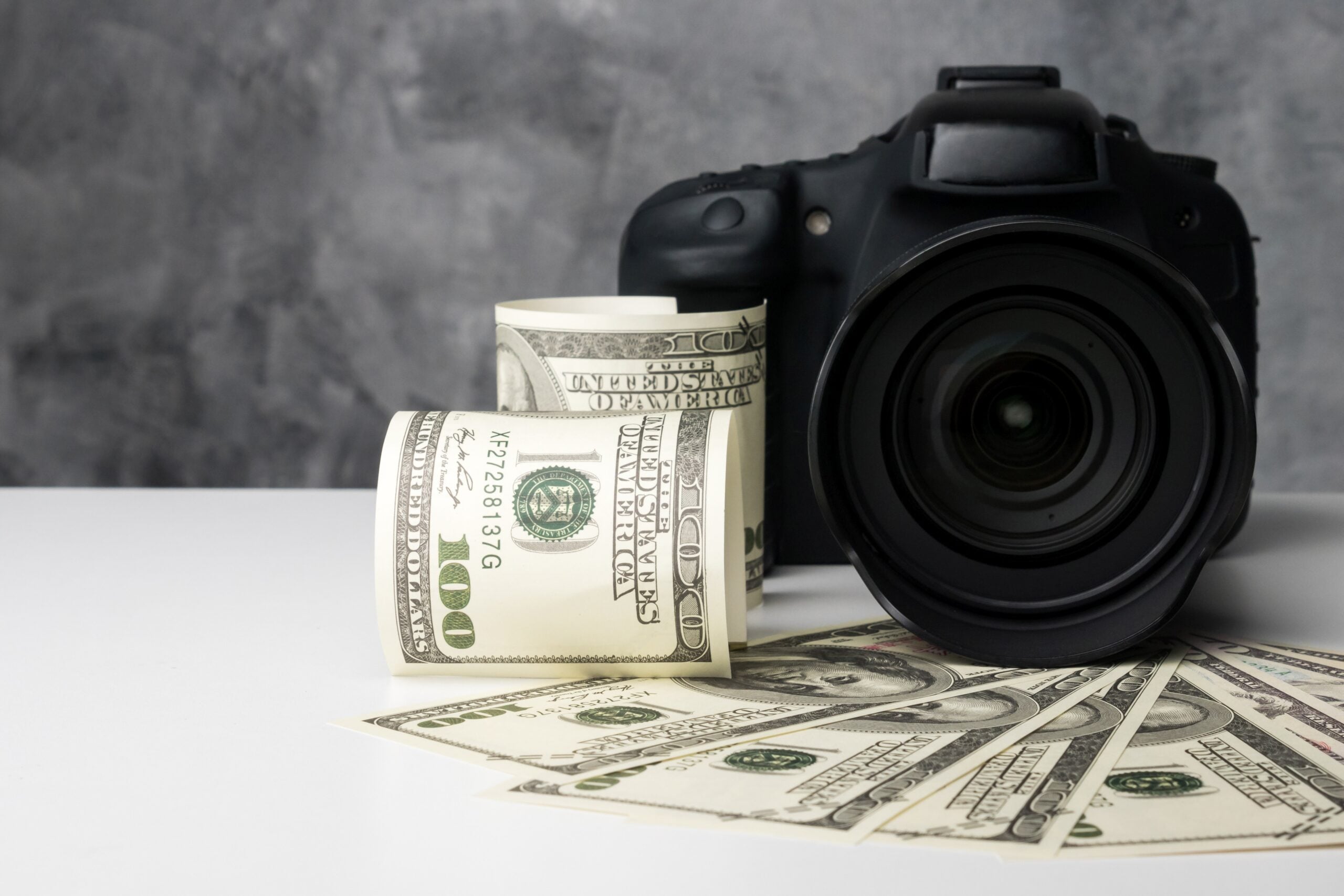
Photographers make money in two broad ways: selling a service (client work like weddings, portraits, events, and commercial shoots) or selling a product (prints, stock photos, courses, presets, and licensing). Most working photographers don’t pick one. They stack several income streams until the math works.
That’s the short version. But now comes the part nobody puts on the Instagram quote tile.
Can You Actually Make Money in Photography?
Yes. People do it every day. But “there’s money in photography” and “you’ll make money in photography” are not the same sentence, and pretending they are is how a lot of folks end up with a very expensive hobby and a spreadsheet that makes them cry.
The money is real. It’s just rarely where beginners think it is. You imagine getting paid to shoot moody landscapes. You actually get paid to photograph a real estate listing, a corporate headshot, or someone’s product on a white background. The art pays once you’ve built the audience or the reputation to sell it – and that takes longer than the gear reviews imply.
So the honest answer: there’s money in photography, it’s mostly in services first, and the people who make a living at it treat it like a business, not a vibe.
How Do Photographers Make Money?
Here are the main routes, roughly in order of how quickly they pay a beginner:
- Client services – weddings, portraits, events, headshots, real estate, product, food, commercial.
- Stock photography – licensing images through agencies like Adobe Stock, Shutterstock, or Getty, to name a few. All of them are jumping on the AI bandwagon, though, so this isn’t the route I’d personally take.
- Selling prints and fine art – your own store, galleries, print-on-demand, Etsy.
- Teaching – workshops, one-on-one mentoring, online courses, tutorials.
- Building an audience – YouTube, a blog, Patreon, affiliate links, brand deals.
- Licensing and editorial – selling usage rights directly to publications and brands.
- The unglamorous adjacent stuff – second shooting, assisting, editing and retouching for other photographers, selling presets.
Let’s break the useful ones down.

How Do Photographers Make Money with Client Work?
This is where almost everyone actually starts, because it pays the fastest. Someone needs photos, you take the photos, they hand you money. Sounds simple, right?
The genres that pay early and reliably:
- Events – the lowest barrier to entry. Good eye, basic light control, decent people skills. If someone asks you to shoot their event, you should be paid.
- Portraits and headshots – steady, repeatable, and people always need them. Headshots especially, because LinkedIn isn’t going anywhere.
- Real estate and product – unsexy but predictable and handy if you don’t really like people. Subjects don’t blink, don’t run late, and don’t ask to see the back of the camera.
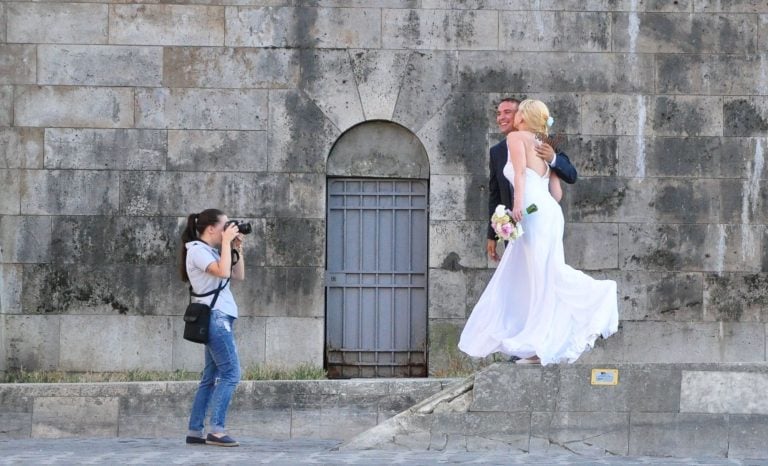
- Weddings – pay the most per day and stress you the most. I suggest you don’t shoot them solo, as they’re super-stressful, large and long-lasting. Also, many people only get married once, and they will remember if you blow it or miss the big moments.
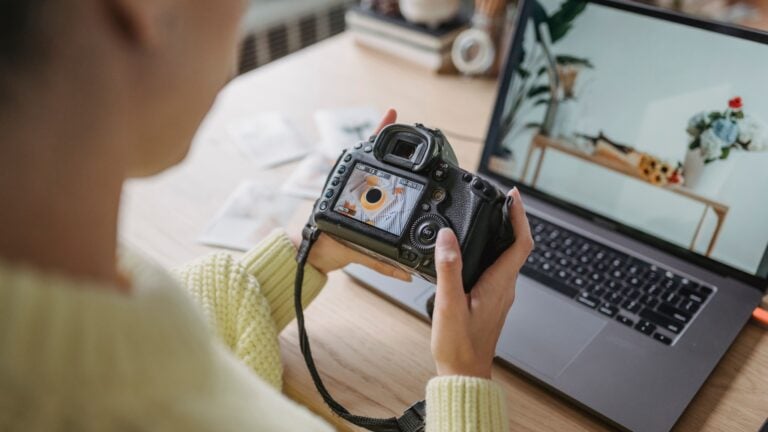
The trade-off with client work is obvious once you’re in it: you’re running a business. You’ll spend more time emailing, invoicing, editing, and chasing leads than you ever spend with a camera in your hands. That’s not a bug. That’s the job.
How do photographers make money with stock photography?
You upload images to an agency, they license them out, you get a cut every time someone buys. It’s the closest photography gets to passive income, with a catch: the per-image payout is tiny, so volume is everything.
Nobody retires off one stunning photo. People make stock work by shooting commercially useful images (concepts, lifestyle, business, the stuff brands and blogs actually buy) and uploading a lot of them across multiple agencies. It’s a slow burn. Treat it as a supplement that compounds, not a paycheck.
How Do Photographers Make Money Selling Prints?
You can absolutely sell prints – but be honest about what you’re signing up for. Selling fine art means shifting from “photographer” to “artist running a small art business.” Galleries, exhibitions, marketing, the whole apparatus that painters deal with.
Print-on-demand and a simple online store lower the barrier. So does Etsy, which is a genuinely fine place to sell, just know you’re competing with everyone and their drone footage. Prints reward a built-in audience. If people already follow your work, prints convert. If they don’t, you’re shouting into a very crowded room.
How Do Photographers Make Money Teaching?
If you can do the thing, you can usually teach the thing – and people will pay to skip the part where they figure it out the hard way.
Workshops, one-on-one mentoring, structured online courses, paid tutorials. The bar here is being genuinely good and being able to explain why you’re good. One quiet rule worth remembering: if someone’s entire income comes from teaching you how to make money, their money is coming from the teaching, not the photography. Be a little skeptical of the dream-sellers.
How Do Photographers Make Money Building an Audience Online?
This is the modern path, and it’s the one that’s changed the most. Ten years ago you could build a following on good photos alone. Today, good photos are the baseline, not the hook. Everyone has a decent camera in their pocket.
Building an audience now means offering something on top of the images – a voice, a personality, a teaching angle, a niche. Once the audience exists, you monetize it through YouTube ad revenue, affiliate links, sponsorships, Patreon, and selling your own products into a warm crowd. It’s slow, it’s a lot of unpaid work up front, and it’s not for everyone. But for the people it fits, it’s the most durable income there is.
How Can Beginner Photographers Make Money?
Start where the entry barrier is lowest and the cash is fastest:
- Shoot high-volume work (events, headshots, school or sports days) to get reps and early income.
- Second shoot for an established photographer. You earn while someone else carries the risk and you learn how a real shoot runs.
- Assist or edit for other photographers. Retouching pays, and it’s remote.
- Build a portfolio relentlessly. Free work is fine early on – but set a clear end date, because “exposure” doesn’t pay the bills (or does it?).
The first paid gig is the hard one. The tenth is easy.
How Much Do Photographers Make?
Wildly variable, and anyone who gives you a clean number is guessing. It depends on your genre, your market, and how well you run the business side. A headshot session might run $100 in one town and $250 two hours down the road. Wedding photographers can clear good money per booking but work brutal hours. Stock pays pennies that add up only at scale.
The pattern across all of it: income tracks the business, not the camera. The best photographer in town doesn’t out-earn the decent photographer who’s a better marketer. Frustrating, but true.
Do You Need a License or an LLC to Make Money from Photography?
In most places you can start taking paid work without any special photography license. What you usually do need, once money’s involved, is to handle it properly – a business registration or license depending on your local rules, and tax on what you earn. An LLC isn’t required to begin, but plenty of photographers set one up as they grow, for liability and tax reasons.
This varies a lot by country and region, so check your local requirements rather than taking a blog’s word for it (yes, including this one).
So, Where Do You Start?
Pick the route that matches where you are. No audience and need money now? Client services. Already have a following? Prints, courses, and your own products. Want the long game? Start building that audience today, because it pays nothing for a while and then, eventually, pays for years.
Photography can absolutely pay. Just go in treating it like the business it is, stack a few income streams, and stop waiting for the moody landscapes to fund themselves.
What’s the first income stream you’re planning to try – and what’s stopping you? Tell us in the comments.
See more from DIYPhotography.net on Google
Add DIYPhotography.net as a trusted source. This makes
our stories more likely to appear in your Google Search results.
 Add as a preferred source on Google

About Lydia Marlowe
Lydia Marlowe is an architect and a hobbyist photographer who has never quite managed to keep the two apart. She travels at every excuse, usually returning with more photos of buildings and details than of the people she went with. She pays more attention to light and structure than to gear, and she firmly believes the best camera is the one you didn’t leave at home.
We love it when our readers get in touch with us to share their stories. This article was contributed to DIYP by a member of our community. If you would like to contribute an article, please contact us here.




Join the Discussion
DIYP Comment Policy
Be nice, be on-topic, no personal information or flames.