

















How to Build a Mobile Photography Studio Setup
Sep 30, 2025
Darlene Lleno
Darlene Lleno brings a unique perspective to DIY Photography as someone who grew up surrounded by camera gear but chose words over lenses. With five years of writing experience, she specializes in photography content that’s both technically informed and genuinely passionate. Growing up with a photographer twin brother meant camera talk was everyday conversation in her household. While he mastered capturing moments, Darlene discovered she preferred being the subject and the storyteller behind the scenes. As a travel enthusiast and mother of two, she understands the importance of preserving life’s precious moments. When not exploring new destinations or writing for DIY Photography, you’ll find her reading or tending to her garden. Her approach to photography writing is refreshingly authentic, she may not be behind the camera, but she knows exactly what it takes to help others capture the shots that matter most.
Share:

Mobile photography gives you freedom to shoot anywhere. Building a portable studio setup means you can create pro-quality images at client locations. This flexibility opens up new business opportunities. You’re no longer stuck in one place waiting for clients to come to you.
Modern photographers need to adapt quickly. Office spaces, events, and outdoor locations all present unique challenges. A smart mobile photography setup lets you handle any situation. You control the lighting and composition no matter where you shoot.
The key is choosing gear that works hard without weighing you down. Every piece of equipment should serve multiple purposes. Heavy setups kill your energy and slow you down during long shoots.
Read more: How to Build a Mobile Photography Studio SetupEssential Equipment for Your Mobile Photography Studio
Building a successful mobile setup starts with smart gear choices. You need equipment that travels light but delivers heavy results. The best portable studios focus on versatility over specialty items.
Weight matters more than you think. After carrying gear for six hours, that extra pound feels like ten. Every item in your kit should earn its place through performance and portability.
Camera and Lens Selection
Your camera body sets the foundation for everything else. Mirrorless cameras excel in mobile work because they’re compact and powerful. Full-frame sensors give you better low-light performance and beautiful background blur.
Portrait photography demands sharp lenses with wide apertures. An 85mm f/1.8 creates gorgeous bokeh and flattering compression. A 50mm f/1.4 handles most portrait situations with ease. For tight spaces or group shots, a 35mm f/1.8 gives you the coverage you need.
Consider a quality zoom lens like a 24-70mm f/2.8 for maximum flexibility. Yes, it’s heavier than primes, but you won’t need to change lenses constantly. This saves time and keeps dust off your sensor.
Lighting Equipment That Travels
Portable lighting separates amateur snapshots from professional results. Battery-powered LED panels have become the standard for location work. These units offer consistent color temperature and adjustable brightness.
Continuous lighting beats flash for mobile photography. You see exactly how the light falls on your subject in real time. This visual feedback helps you make quick adjustments in unfamiliar locations.
Softboxes designed for LED panels create beautiful, even light. Look for models with quick-release mounts that fold flat. A 24-inch softbox works great for headshots. A 36-inch version handles full-length shots better.
Add colored gels to your kit for creative options. Blue hour photography often needs color correction. RGB LED panels give you unlimited color possibilities without carrying extra filters.
Backdrop and Background Solutions
Traditional paper backdrops don’t work for mobile setups. They’re bulky and tear easily during transport. Collapsible fabric backdrops solve this problem perfectly.
Muslin backdrops offer incredible versatility. A neutral gray muslin can appear white when lit or dark when shadowed. Many photographers carry three colors: white, gray, and black.
Pop-up backgrounds work brilliantly for headshots. These spring-loaded systems deploy instantly and pack flat. They often rest against walls without needing stands.
Environmental backgrounds frequently work better than artificial ones. Scout locations beforehand for interesting walls or architectural features. A weathered brick wall adds character that manufactured backdrops can’t match.

Power Management for Mobile Photography Sessions
Reliable power management keeps your shoots running smoothly. Dead batteries kill productivity and frustrate clients. Planning your power needs prevents embarrassing equipment failures.
LED lights and camera batteries have improved significantly over the years. But backup power remains absolutely essential for professional work. Cold weather and heavy use drain batteries faster than you expect.
Battery Solutions and Backup Power
High-capacity camera batteries form your first line of defense. Always carry at least three batteries for your camera body. Frequent image review and video recording drain power quickly.
External battery packs extend shooting time without battery swaps. Many models include multiple outputs for powering both camera and accessories. Some units offer USB charging for smartphones and tablets.
LED light panels consume significant power during long sessions. Choose lights that accept both proprietary and common battery formats. Sony NP-F series batteries work across many different devices.
Portable power stations handle shoots requiring multiple lights. Lithium-based units provide clean power for sensitive electronics. A 500-watt-hour power station typically runs LED panels for several hours while charging other devices.
Managing Power Consumption
Smart power management extends shooting time dramatically. Dimming LED lights to minimum effective brightness saves substantial power. Most photographers use lights at 50-70% output with excellent results.
Camera settings impact battery life more than many realize. Reduce LCD brightness and limit image review time. Disable GPS, Wi-Fi, and Bluetooth unless you need them.
Using the electronic viewfinder instead of the LCD screen often saves power. Many cameras let you customize power-saving modes that automatically disable features after set time periods.
Technical Settings for Mobile Photography Success
Mastering camera settings for mobile work ensures consistent results. Unlike studio photography, you can’t control every variable. Changing light and space constraints require flexible techniques.
Exposure becomes more complex with mixed lighting sources. Spot metering on your subject’s face provides accurate exposure regardless of background brightness.

Exposure and Metering Strategies
Manual exposure mode gives complete control but requires constant adjustment. Aperture priority mode offers a good compromise for changing conditions. Use exposure compensation to fine-tune brightness without switching modes.
White balance requires careful attention in mixed lighting. Auto white balance struggles with office fluorescents and tungsten combinations. Set custom white balance using a gray card for accurate colors throughout your session.
Understanding dynamic range helps you handle challenging lighting situations. Expose for highlights and lift shadows in post-processing when necessary.
Focus Techniques for Challenging Conditions
Autofocus performance varies between controlled studios and real-world locations. Single-point autofocus provides the most accuracy for portraits. Place the focus point precisely on your subject’s eye.
Back-button focus gives you complete control over focus timing. Focus once and recompose multiple shots without refocusing. This technique proves invaluable in mobile photography where speed matters.
Manual focus becomes necessary in very low-light situations. Cameras with focus peaking and magnification features enable accurate manual focusing. Practice these techniques before important shoots.
Mobile Photography Studio Business Applications
Professional mobile photography opens new revenue streams that studio photographers can’t access. The convenience factor allows you to charge premium rates. Location work involves additional time and travel costs that should reflect in your pricing.
Corporate clients especially value mobile photography services. Office environments rarely have suitable spaces for traditional portraits. Your portable studio solves this problem perfectly.
Client Location Shoots
Executive headshots represent a lucrative market for mobile photographers. Busy executives appreciate not having to leave their offices. Team photos and corporate events also benefit from professional portable setups.
Real estate and architectural photography demands mobile capabilities. Luxury homes and commercial properties need professional images on-site. Studio photography techniques adapted for location work produce stunning interior shots.
Event photography extends beyond traditional wedding coverage. Corporate events, trade shows, and product launches often need professional portraits alongside general event coverage.
Marketing Your Mobile Photography Services
Marketing for photographers requires emphasizing convenience and flexibility. Corporate clients appreciate not arranging time away from their offices.
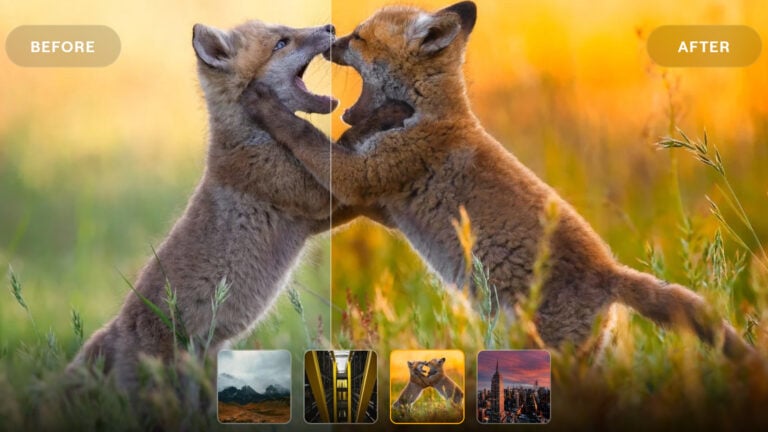
Social media showcases your mobile capabilities effectively. Before-and-after shots demonstrate your transformation skills clearly. Behind-the-scenes content showing your portable setup builds credibility and trust.
Professional networking becomes crucial for mobile photographers. Chamber of commerce events and business networking groups generate referrals. Build relationships with event planners, real estate agents, and corporate HR departments.
Advanced Mobile Photography Techniques
Advanced techniques separate professional mobile photographers from hobbyists with portable gear. These skills take time to develop but dramatically improve results and client satisfaction.
Low-light photography challenges mobile photographers regularly. Mastering available light techniques reduces equipment requirements and creates more natural results.
Creative Lighting Approaches
High-key lighting techniques work exceptionally well in mobile photography. Multiple LED panels create even, shadowless lighting for clean corporate headshots. This approach requires careful placement but delivers consistent results.
Low-key lighting creates dramatic portraits using minimal equipment. A single light source with careful shadow control produces striking images. This technique works particularly well for executive portraits and creative applications.
Mixed lighting scenarios challenge mobile photographers daily. Balance flash with ambient light while correcting color temperature differences. Practice these techniques in various environments to build confidence.

Environmental Integration
Successful mobile photography integrates artificial lighting with existing elements. Rather than fighting available light, skilled photographers use it as fill or background illumination.
Natural light modification extends creative options without adding weight. Reflectors, diffusers, and flags control existing light sources effectively. Understanding light shaping reduces dependence on artificial lighting.
Time of day considerations affect mobile photography planning significantly. Golden hour provides beautiful natural lighting but limits scheduling flexibility. Blue hour creates stunning urban backgrounds when combined with artificial fill light.
Common Mobile Photography Challenges and Solutions
Every mobile photographer faces recurring challenges that can derail shoots. Developing solutions for common problems ensures smooth operations. Experience teaches valuable lessons about equipment failures and location issues.
Weather conditions impact mobile photography more than studio work. Rain, wind, and temperature extremes require equipment protection and backup planning.
Equipment Failures and Backup Plans
Battery failures represent the most common mobile photography emergency. LED panels stop working and camera batteries die unexpectedly. Always carry backup batteries and consider redundant lighting options.
Memory card failures can destroy entire sessions without proper management. Dual-card recording provides protection against data loss. For single-card cameras, change cards frequently and carry multiple backups.
Regular equipment maintenance becomes critical with increased travel exposure. Dust, moisture, and temperature changes affect performance. Clean equipment regularly and store it properly between shoots.
Location and Environmental Issues
Space limitations challenge mobile photographers constantly. Tight offices, small conference rooms, and crowded venues require adaptable equipment. Compact lighting solutions and versatile lens choices help overcome constraints.
Permission and access issues arise frequently in mobile photography. Office building security and venue restrictions require advance planning. Always confirm access requirements and equipment restrictions before arriving.
Acoustic challenges affect video work in mobile situations. Hard surfaces and background noise require quality audio solutions for professional results.
Building Your Mobile Photography Kit Step by Step
Start with essential items and expand your kit based on actual needs. You don’t need everything at once to begin mobile photography work. Focus on versatile pieces that handle multiple situations.
Build your kit around proven fundamentals rather than the latest trends. Quality equipment that performs reliably matters more than having cutting-edge features.
Essential vs. Nice-to-Have Gear
Your first mobile kit should include these essentials:
- Camera body with good low-light performance
- 50mm or 85mm portrait lens
- One LED panel with softbox
- Collapsible backdrop system
- Sturdy tripod and light stand
- Extra batteries and memory cards
Nice-to-have additions come later:
- Additional lenses for different focal lengths
- Second LED panel for fill lighting
- RGB panels for creative color work
- Professional audio equipment
- Specialized modifiers and reflectors
Budget Considerations and Prioritization
Quality beats quantity in mobile photography gear. One excellent LED panel works better than three mediocre units. Invest in reliable equipment that won’t fail during important shoots.
DIY photography solutions can reduce costs for some accessories. Build your own softboxes and reflectors to save money for cameras and lenses.
Consider used gear for items that don’t affect image quality directly. Tripods, stands, and cases often work perfectly when purchased secondhand.
Mastering Mobile Photography Studio Excellence
Building a successful mobile photography business requires more than portable equipment. Professional results depend on developing systems for consistent setup and workflow. The best mobile photographers combine technical skills with strong organization.
Success comes from understanding that adaptability matters more than expensive gear. A photographer who creates professional results with basic equipment outperforms someone with high-end gear but poor technique.
The mobile photography industry has shown consistent growth as clients increasingly value convenience. Photographers who master portable techniques position themselves well in this market. Professional mobile photography offers creative potential for those willing to develop the necessary skills.
See more from DIYPhotography.net on Google
Add DIYPhotography.net as a trusted source. This makes
our stories more likely to appear in your Google Search results.
 Add as a preferred source on Google

Darlene Lleno
Darlene Lleno brings a unique perspective to DIY Photography as someone who grew up surrounded by camera gear but chose words over lenses. With five years of writing experience, she specializes in photography content that’s both technically informed and genuinely passionate. Growing up with a photographer twin brother meant camera talk was everyday conversation in her household. While he mastered capturing moments, Darlene discovered she preferred being the subject and the storyteller behind the scenes. As a travel enthusiast and mother of two, she understands the importance of preserving life’s precious moments. When not exploring new destinations or writing for DIY Photography, you’ll find her reading or tending to her garden. Her approach to photography writing is refreshingly authentic, she may not be behind the camera, but she knows exactly what it takes to help others capture the shots that matter most.


Join the Discussion
DIYP Comment Policy
Be nice, be on-topic, no personal information or flames.