




















ESA’s Proba-3 Mission Returns to Capturing Artificial Solar Eclipses
Jun 9, 2026
Soumyadeep Mukherjee
Soumyadeep Mukherjee is an award-winning astrophotographer from India. He has a doctorate degree in Linguistics. His work extends to the sub-genres of nightscape, deep sky, solar, lunar and optical phenomenon photography. He is also a photography educator and has conducted numerous workshops. His works have appeared in over 40 books & magazines including Astronomy, BBC Sky at Night, Sky & Telescope among others, and in various websites including National Geographic, NASA, Forbes. He was the first Indian to win “Astronomy Photographer of the Year” award in a major category.
Share:
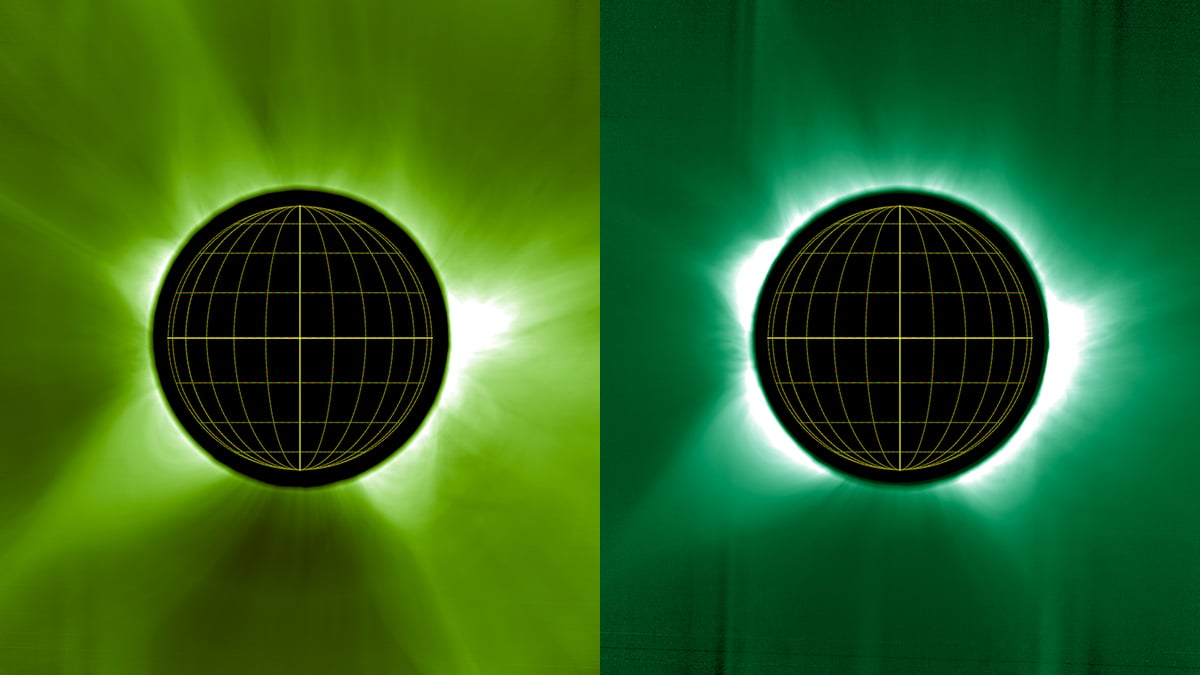
The European Space Agency has resumed scientific operations for the Proba-3 mission after recovering the Coronagraph spacecraft from a prolonged communication loss and attitude-control failure. ESA confirmed that the spacecraft, its onboard systems, and the ASPIICS coronagraph instrument are operational again.
Engineers restored contact after weeks of recovery work that involved orbital tracking, spacecraft stabilization, power restoration, and system verification. The mission can now continue its primary objective of observing the faint inner corona with a level of precision that conventional coronagraph missions struggle to achieve.
Proba-3 mission encountered an anomaly
The mission operated successfully during its initial observation campaigns. However, ESA suddenly lost contact with the Coronagraph spacecraft following an onboard anomaly earlier this year. According to ESA, the spacecraft lost attitude control during routine operations. Once the spacecraft drifted away from its correct orientation, the solar panels ceased to face the Sun efficiently. Power generation decreased steadily. Battery levels continued to fall until the communication systems shut down completely.
The situation created concern because Proba-3 depends on both spacecraft functioning together. Without the Coronagraph spacecraft, the mission could no longer perform its eclipse observations.
The ESA team organized a recovery campaign involving multiple tracking methods. Ground radar systems helped estimate the spacecraft’s orbital motion. Optical observations from Earth-based facilities tracked the spacecraft visually. Engineers also used information from the companion Occulter spacecraft to support the investigation.
Two spacecraft working as one giant instrument
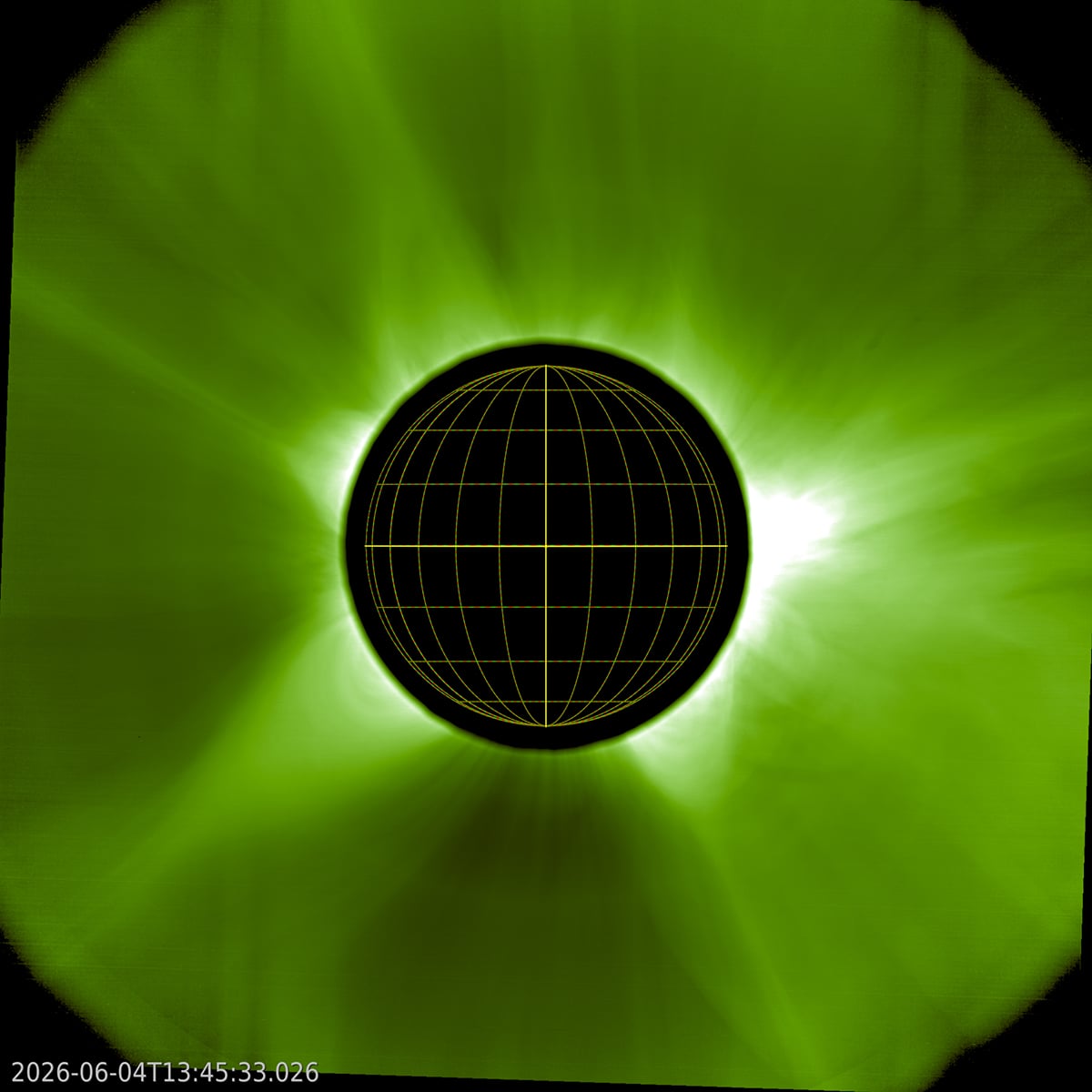
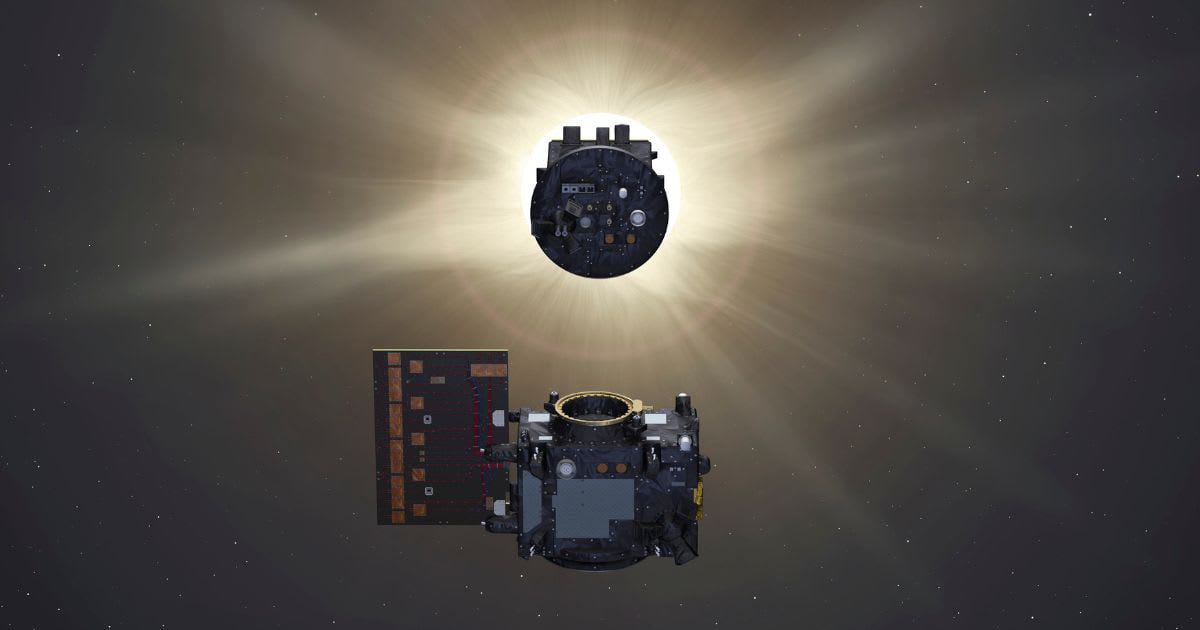
Proba-3 is a little different from most solar missions because it uses two independent spacecraft instead of a single observatory. ESA launched the mission in December 2024 as part of its Proba technology demonstration program. The spacecraft operate together as a giant space-based coronagraph.
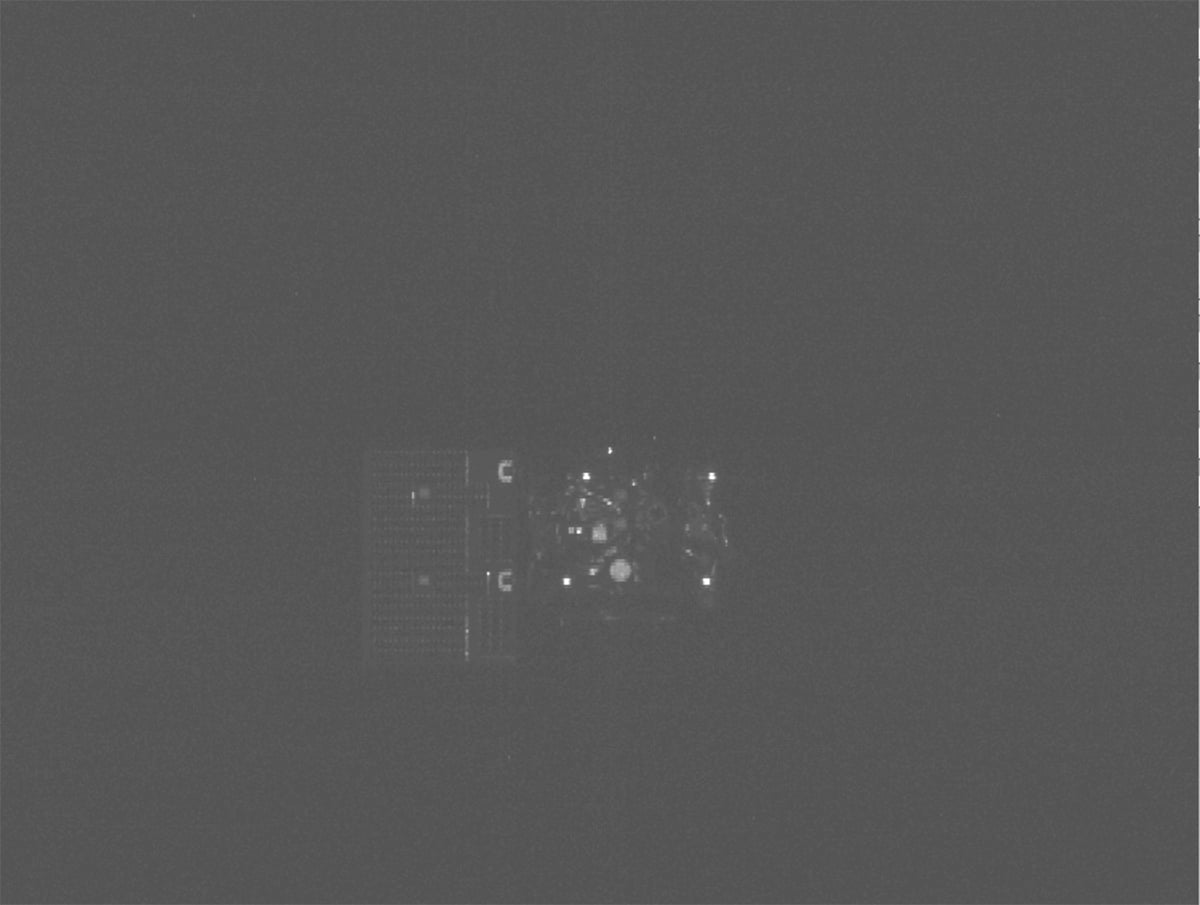
One spacecraft, called the Occulter, carries a large circular disk that blocks sunlight. The second spacecraft, known as the Coronagraph, flies roughly 150 meters behind it. This spacecraft carries the ASPIICS instrument, which images the faint solar corona surrounding the Sun.
The concept resembles a total solar eclipse. During a natural eclipse, the Moon blocks the bright solar disk and reveals the corona for a short period. Proba-3 reproduces that geometry artificially in space. However, unlike natural eclipses, the mission can create observing conditions repeatedly and for much longer durations.
The mission uses star trackers, GPS receivers, optical sensors, and inter-satellite communication systems to control the relative positions of both spacecraft. These systems continuously calculate distance, orientation, and alignment corrections while both spacecraft orbit Earth independently.
Proba-3 studies one of solar physics’ biggest mysteries
The mission focuses on one of the longest-standing problems in solar physics: coronal heating. The Sun’s visible surface, called the photosphere, reaches temperatures of roughly 5,500 degrees Celsius. However, the corona above it becomes far hotter, with temperatures exceeding one million degrees Celsius. Scientists still debate the physical processes responsible for this heating.
Researchers suspect magnetic fields transfer energy into the corona through mechanisms such as magnetic reconnection and wave-driven heating. However, direct observations remain difficult because the corona appears extremely faint beside the bright solar disk.
Before the spacecraft anomaly interrupted operations, Proba-3 had already produced valuable observations. ESA reported that the mission completed dozens of artificial eclipses during its early operational phase. Those eclipses generated hundreds of hours of coronal data. Researchers also detected fast-moving plasma blobs associated with the slow solar wind. These structures may provide clues about how solar material escapes from the corona into interplanetary space.
Science operations resume after weeks of uncertainty
Spacecraft anomalies often end missions prematurely, especially when communication losses continue for extended periods. Proba-3, thankfully, avoided the outcome through a combination of resilient spacecraft design and recovery operations.
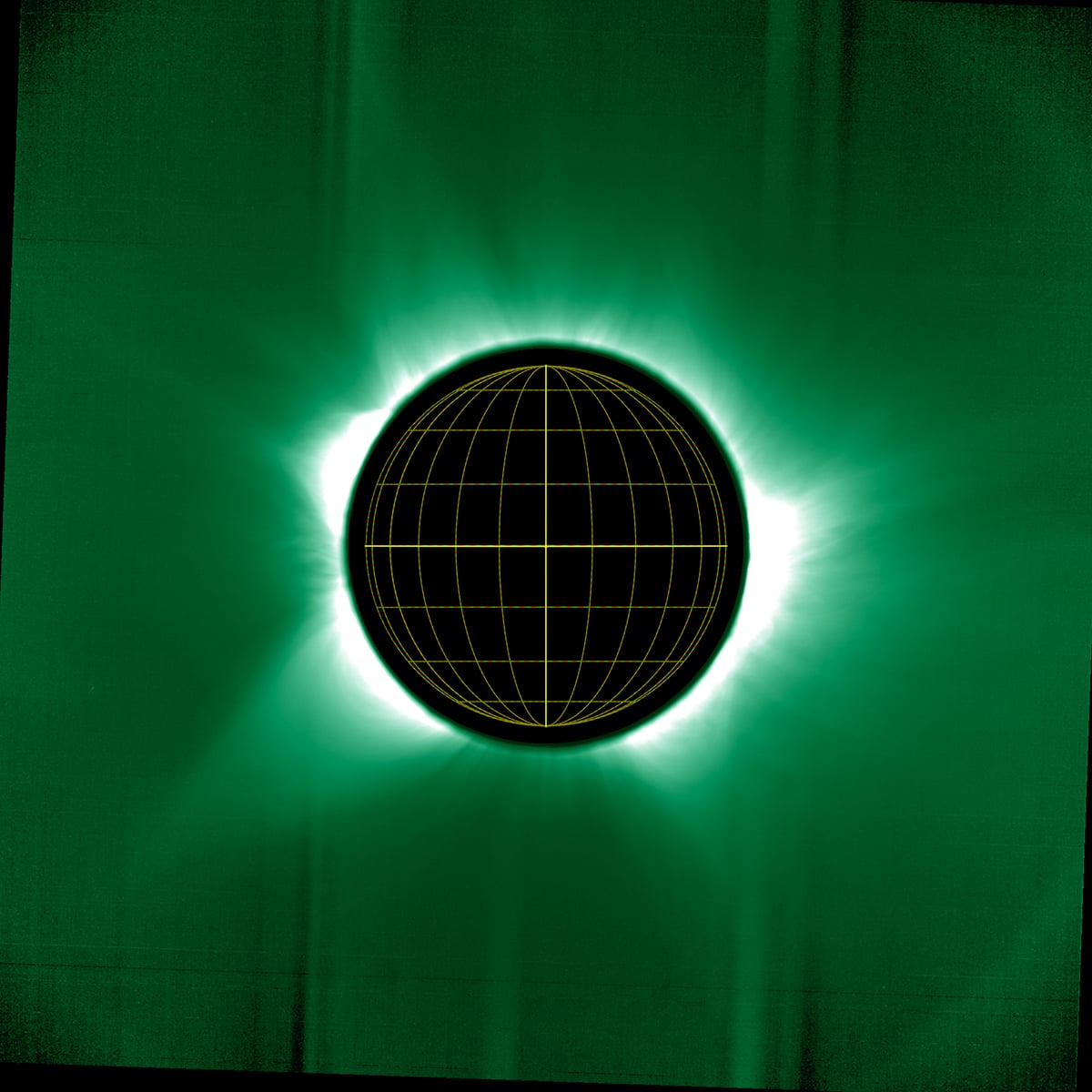
ESA has now resumed scientific observations and formation-flying activities. Researchers expect the mission to continue producing high-resolution coronal observations in the coming years.
The mission still has years of work ahead. After surviving a major spacecraft crisis, Proba-3 can now return to the task it was designed for: studying the Sun’s faint outer atmosphere with an artificial eclipse laboratory operating high above Earth.
Clear skies!
See more from DIYPhotography.net on Google
Add DIYPhotography.net as a trusted source. This makes
our stories more likely to appear in your Google Search results.
 Add as a preferred source on Google

Soumyadeep Mukherjee
Soumyadeep Mukherjee is an award-winning astrophotographer from India. He has a doctorate degree in Linguistics. His work extends to the sub-genres of nightscape, deep sky, solar, lunar and optical phenomenon photography. He is also a photography educator and has conducted numerous workshops. His works have appeared in over 40 books & magazines including Astronomy, BBC Sky at Night, Sky & Telescope among others, and in various websites including National Geographic, NASA, Forbes. He was the first Indian to win “Astronomy Photographer of the Year” award in a major category.
Related Posts
 Eclipse on Demand: ESA creates Artificial Solar Eclipse in Space
 Ring of Fire: ESA’s Proba-2 Captures Annular Solar Eclipse from Space
 Proba-3’s Artificial Eclipse Delivers the Clearest View of the Sun’s Inner Corona
 Satellite images capture crossing paths of totality in 2017 and 2024 North American solar eclipses
Join the Discussion
DIYP Comment Policy
Be nice, be on-topic, no personal information or flames.