


















You’re More Likely To Die While Taking A Selfie Than You Are From A Shark Attack
Sep 22, 2015
Tiffany Mueller
Tiffany Mueller is a photographer and content strategist based in Hawi, Hawaii. Her work has been shared by top publications like The New York Times, Adobe, and others.
Share:
 I have to say, if I die from a freak accident, I hope it involves a shark attack rather than taking a selfie. If you feel similarly, the odds may be stacked against you. In an article posted today in the Telegraph, it was revealed that more people have died from a selfie gone wrong than have died from shark attacks this year.
I think for a lot of people, this doesn’t necessarily come as a surprise. We’ve covered quite a few selfie related deaths ranging from a pilot who downed his plane while taking selfies to the latest incident, a Japanese tourist who fell to his death at the Taj Mahal. In comparison, the shark related stories we’ve covered all turned out just fine for the photographers involved–like the surf photographer in the water during the Mick Fanning shark encounter or the brave scientist who rode around on a floating whale carcass to photograph the sharks that were eating it (yeah, that really happened.)
According to the Telegraph, 2015 has seen 12 selfie related deaths and only 8 shark related deaths. The majority of the selfie related deaths involved individuals ranging from 18-22. Now, there’s even a Wikipedia page dedicated solely to selfie-related injuries and deaths.
 It’s becoming such an issue, the Russian government has launched a selfie safety campaign. The graphic from that campaign, as you can see above, are alarmingly telling of what kind of positions people are willing to put themselves in to “get the shot” of their own face. Trains appear to make the list twice, because train tracks apparently equal instant awesome.
Be careful out there, guys. If there’s anything to take from all of this, it’s that if you are thinking of taking a selfie, just put the phone down and go to the beach instead–it’s safer!
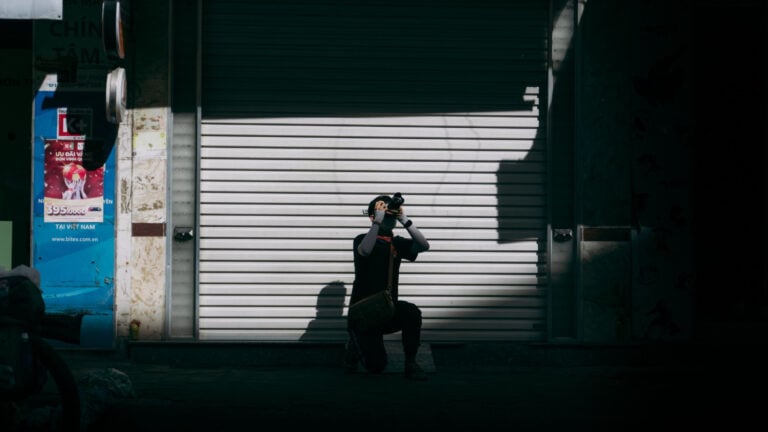
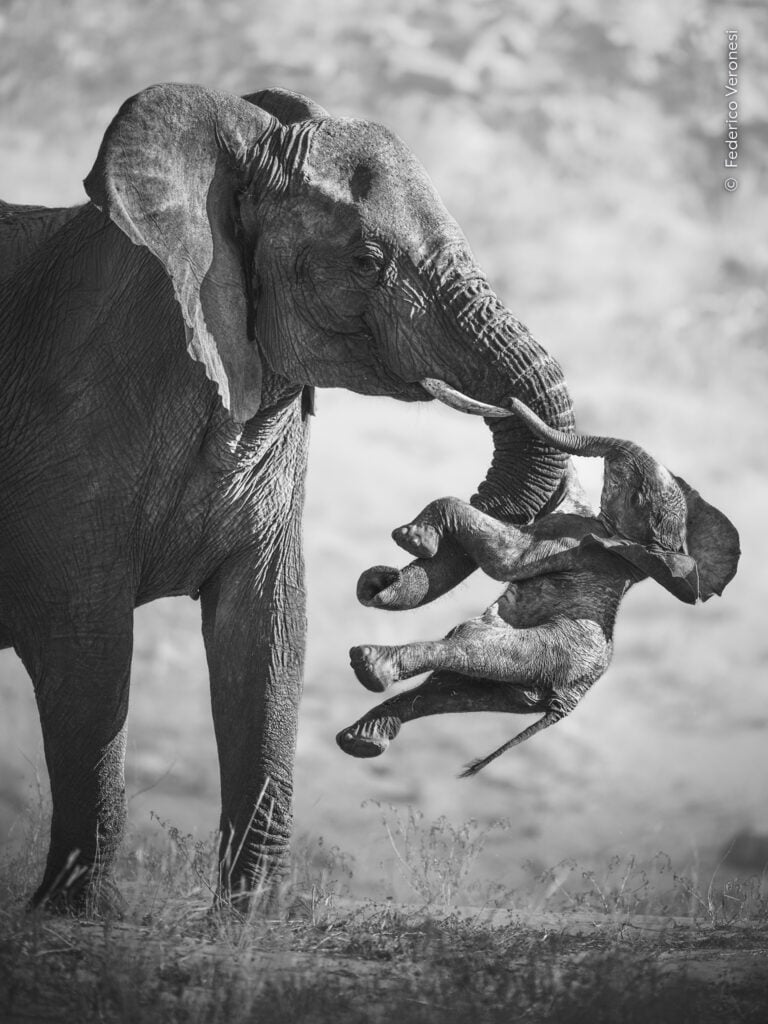
[ via Telegraph | Lead Image by Wyland ]
See more from DIYPhotography.net on Google
Add DIYPhotography.net as a trusted source. This makes
our stories more likely to appear in your Google Search results.
 Add as a preferred source on Google

Tiffany Mueller
Tiffany Mueller is a photographer and content strategist based in Hawi, Hawaii. Her work has been shared by top publications like The New York Times, Adobe, and others.
Related Posts
 These are the most common ways people die while taking selfies
 Flying a drone above the new apple headquarters will most likely be its last flight
 Sony has resumed production of A6400 APS-C mirrorless camera but A7 II and A6100 likely discontinued
 Sony A7R V and OM Digital OM-5 announcements likely this month after both companies schedule events
Join the Discussion
DIYP Comment Policy
Be nice, be on-topic, no personal information or flames.
10 responses to “You’re More Likely To Die While Taking A Selfie Than You Are From A Shark Attack”
Don’t take selfies in the ocean.
…while falling out of bed with a chainsaw!
What does this even mean? If I don’t swim in the ocean or I don’t take selfies I have zero risk of dying from sharks or selfies.
It looks like “More people die while taking selfies than die from shark attacks” is what you meant, but that says nothing about relative risk. More people die from falling out of bed than die from chopping off their own head with a chainsaw too, it doesn’t mean you’re more likely to die from a fall out of bed than you are an attempt at the latter.
if only there was a movie about selfies invading a beach and killing people….
oh yep I totally believe that!
Another ridiculous assertion under the heading; Lies, damn lies and statistics.
The real numbers would more likely read, the percentage of people who swim in the ocean and are killed by sharks is more than the percentage of people who take selfies and are killed while doing it.
40% of world population lives within 100km of a coast = 2.9 billion people / 8 shark attacks = 1/360 million chance
50% of world population has a cameraphone = 3.6 billion people / 12 selfie deaths = 1/300 million chance
Thanks Ian, for yet another bogus use of statistics.
It’s not about people who could swim versus people who could take selfies.
Of those 2.9 biillion people how many took a swim? (shark attacks / swim)
Of those 3.6 billion how many selfies were taken? (deaths / selfie)
That’s a fair indictment, but in the absence of the actual statistics you’re looking for, these are a fair stand in. All I’m saying is that for the people who have the potential to take a selfie, it’s more dangerous than sharks are for the people who have the potential to go swimming.
That is exactly my point Ian.
Given the absence of meaningful numbers, people will use whatever stats they have to make whatever point they want. (And quite likely someone else will use those same statistics to offer the opposing view.)