



















Unlocking the Sun with Sol 100mm: DayStar’s New Dedicated Solar Telescope
Oct 22, 2025
Soumyadeep Mukherjee
Soumyadeep Mukherjee is an award-winning astrophotographer from India. He has a doctorate degree in Linguistics. His work extends to the sub-genres of nightscape, deep sky, solar, lunar and optical phenomenon photography. He is also a photography educator and has conducted numerous workshops. His works have appeared in over 40 books & magazines including Astronomy, BBC Sky at Night, Sky & Telescope among others, and in various websites including National Geographic, NASA, Forbes. He was the first Indian to win “Astronomy Photographer of the Year” award in a major category.
Share:

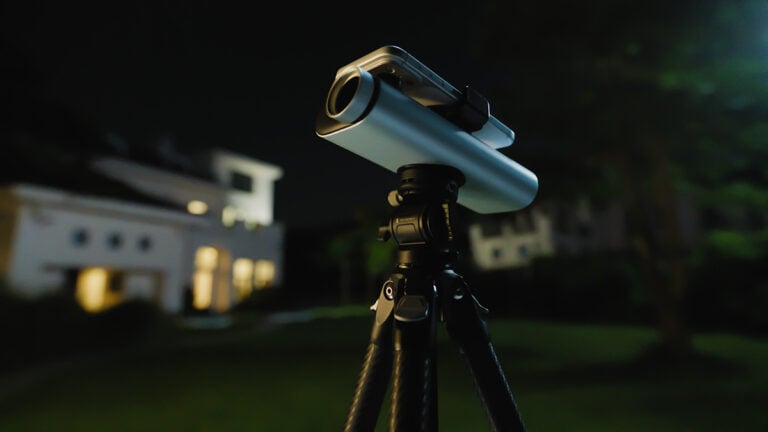
When you’re serious about solar photography, nothing beats a purpose-built instrument. Enter the Sol 100, the new, 100 mm dedicated H-alpha solar telescope from DayStar. Designed from the ground up for solar work, this telescope promises to bring glimpses of our star that go far beyond simple sunspots and bright discs. Whether you’re a seasoned solar observer, an imaging enthusiast, or someone planning a long-term solar observatory, the Sol 100 offers a leap in performance.
What makes the Sol 100 special?
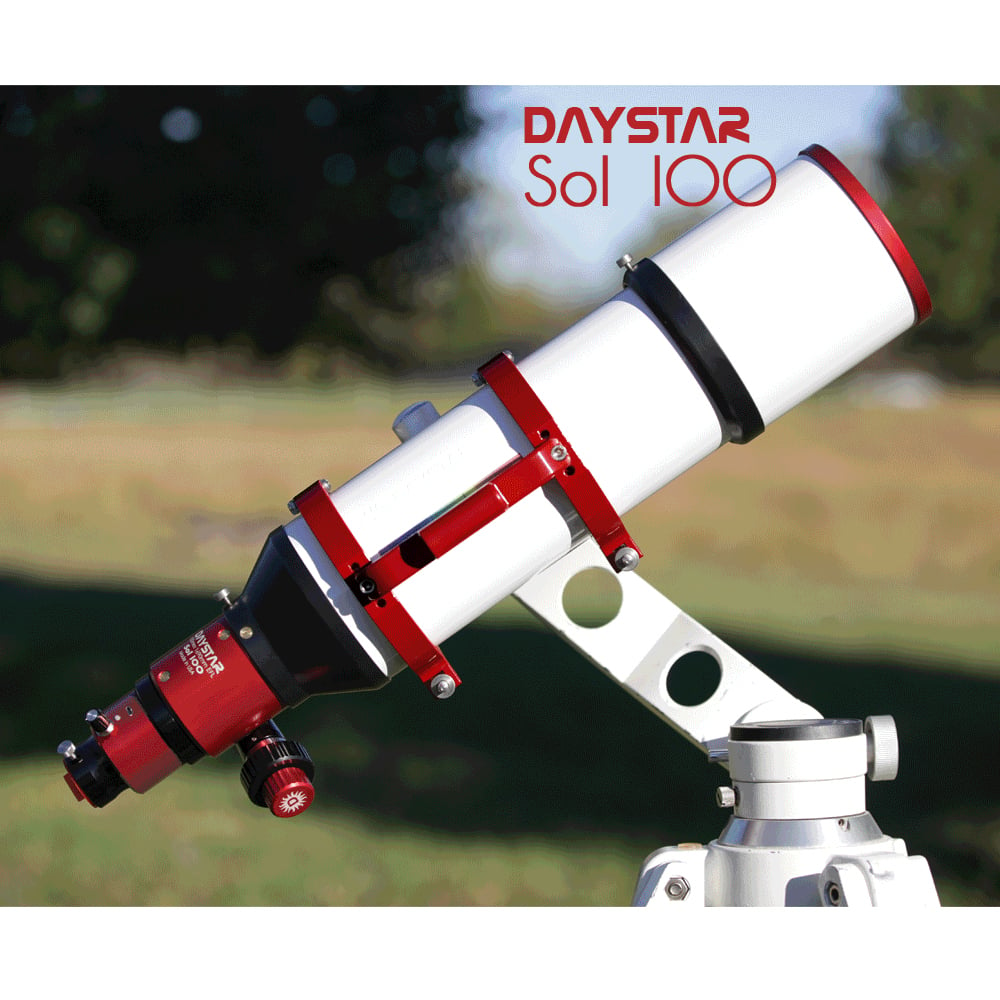
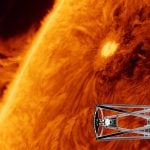
DayStar markets the Sol 100 as an “integrated, no-compromise 100 mm hydrogen-alpha solar telescope”. According to the announcement, the telescope is built specifically for observing the Sun and solar astrophotography in the H-alpha wavelength. It promises high resolution on chromospheric detail (the layer of the Sun just above the photosphere), as well as fine-scale features such as prominences, spicules, filaments, and active regions.
Why is the aperture important? With a 100 mm diameter, the Sol 100 gathers significantly more light and resolves finer detail than smaller solar scopes in the 50–80 mm range. That opens up the possibility of high-resolution imaging or advanced visual work. DayStar’s history in H-alpha technology also gives confidence: they’ve been in the solar filter business for decades and are recognised for craftsmanship.
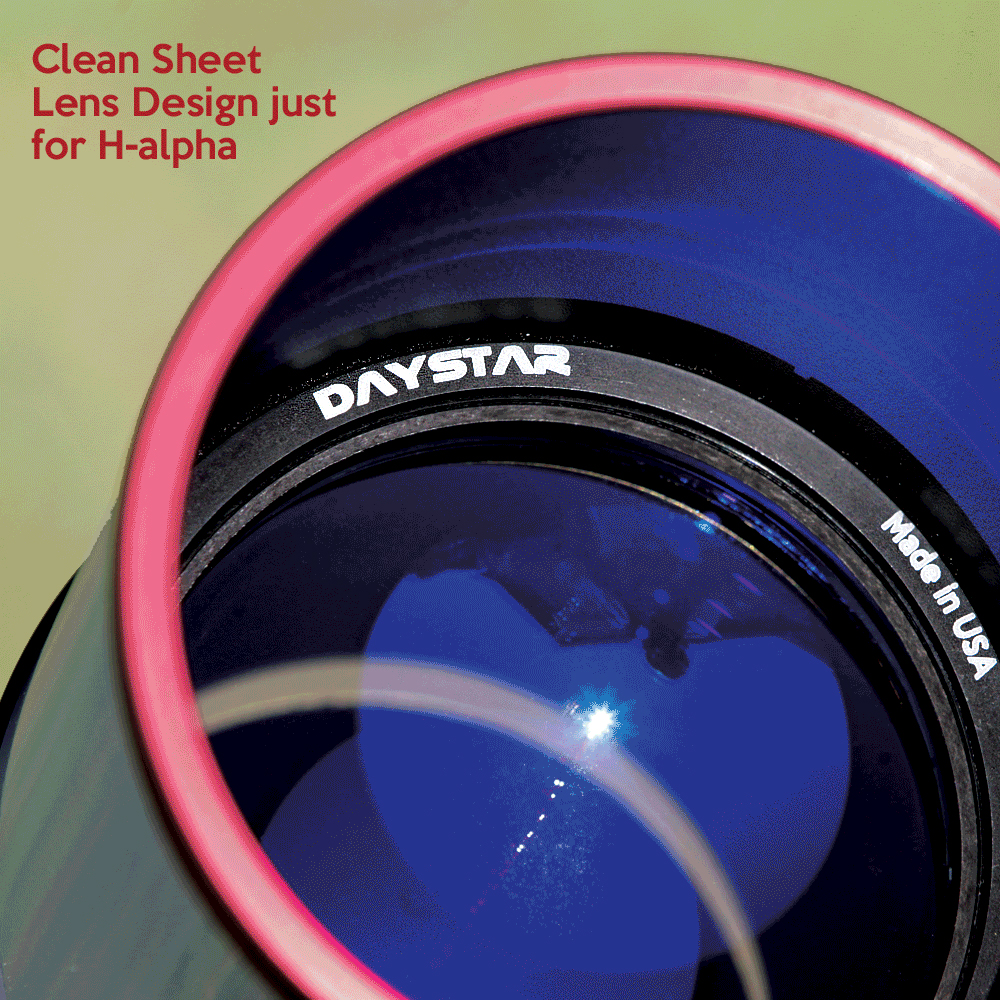
This is a dedicated solar instrument. That means it’s not a normal nighttime refractor repurposed for solar use, but rather an optical system engineered & filtered for safe solar observing and photography in the H-alpha band. That eliminates the guesswork of filter compatibility, blocking filters, and energy rejection, among other factors.
How does the Sol 100 compare to “regular” solar telescopes
If you’ve looked at solar telescopes before, you’ll know they broadly fall into two categories: white-light solar scopes (which show sunspots and the bright disc), and hydrogen-alpha solar scopes (which reveal the red-glow chromosphere, prominences, filaments). H-alpha scopes use narrow-band filters (around 656.3 nm) to isolate the solar chromosphere, a much more specialised view of the Sun.
Many H-alpha solar scopes are built on smaller apertures (e.g., 50 mm, 60 mm) and sometimes double-stack etalon filters to boost contrast. But performance is limited by aperture, seeing, and optics. With the Sol 100, you’re stepping up into a serious aperture for solar work. That means:
- Greater resolution of fine detail on the solar surface and limb.
- More light for imaging (shorter exposures, better signal).
- More demanding in terms of seeing and mount stability (which means you’ll need high-quality supporting gear).
What can you photograph with it?
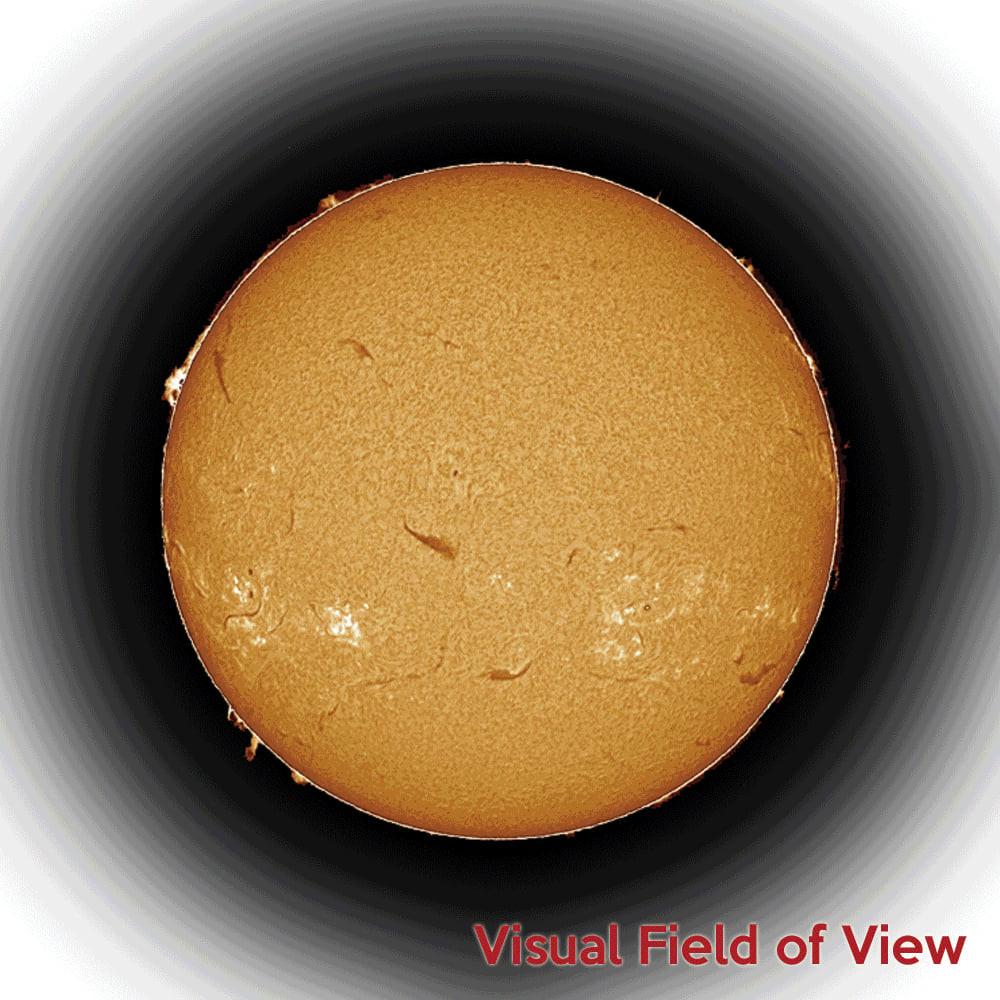
With the Sol 100, you should expect images far richer than a typical solar scope. On a good day, under stable conditions, you may photograph:
- Fine spicules around the solar limb, those tiny hair-like projections rising from the chromosphere.
- Complex prominences arching off the limb, with filament structure and curvature visible.
- Dark filaments crossing the disc, with texture showing twists, branches, and fine edges.
- Active region detail: plage, swirling magnetic field structures, bright faculae, and other solar dynamics.
If you pair the scope with a capable camera and stable mount, you could produce frames and time-lapse sequences of solar activity that rival small observatory setups. For purely visual use, the higher resolution and clear optics should translate into a more satisfying “live” view of solar phenomena.
Practicalities: Setup, usage, and conditions
A few practical considerations will help you make the most of a Sol 100:
Timing: Solar photography is best in the mornings when seeing is more stable (less atmospheric turbulence) and the Sun is lower in the sky. In many places, midday heat or haze can reduce the clarity of the view. If you live in a place with heavy humidity or pollution, you may find the full resolution potential of the 100 mm scope is seldom realised.
Mount and location: Choose a mount that is solid and has minimal flex. Even a small vibration will degrade fine solar detail. If imaging, consider a mount with solar-tracking or at least accurate alignment so you don’t have to manually chase the Sun continuously.
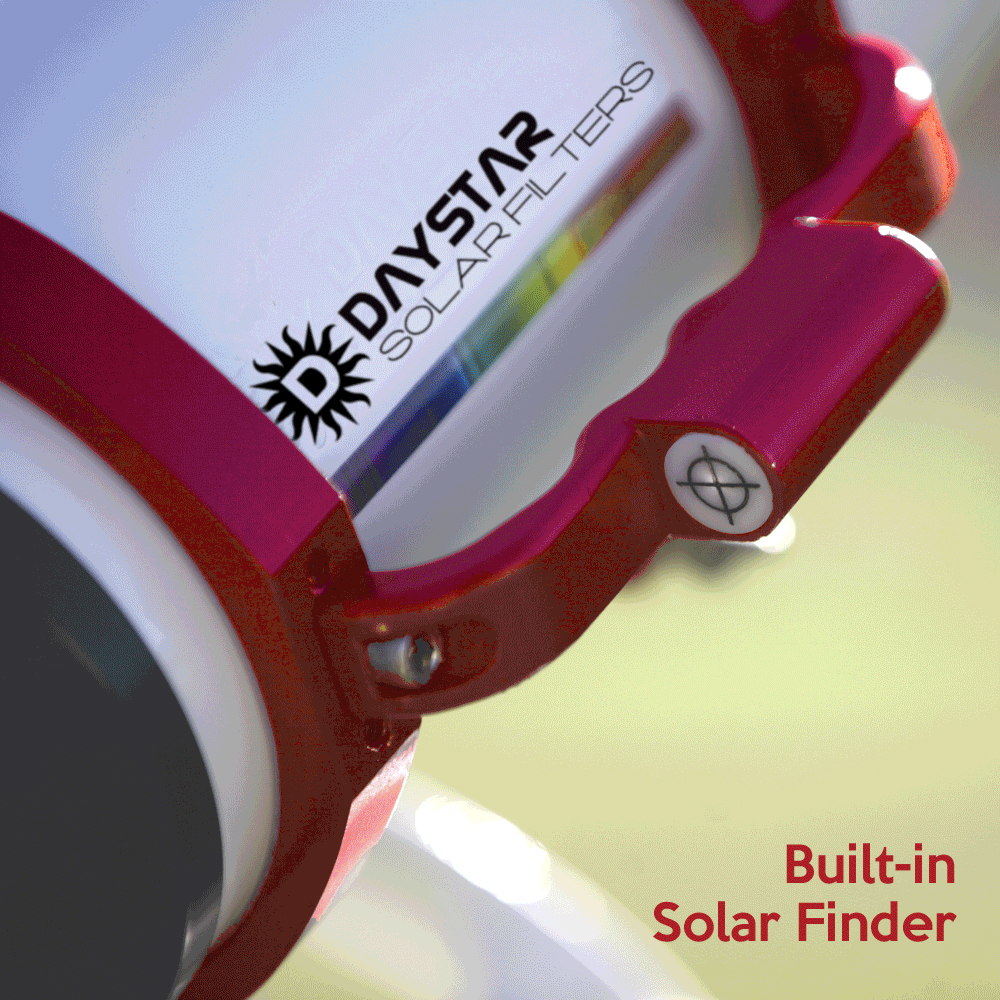
Thermal control and alignment: Make sure your setup allows for safe thermal expansion, consistent collimation (if needed), and that the finder/sun-alignment system is reliable. Solar observations expose optics to heat; make sure there is adequate ventilation and no risk of overheating internal optics.
Eyepieces and imaging gear: High-magnification eyepieces suit the detail this scope can deliver. For imaging, you’ll want a camera with good responsiveness for short exposures, and perhaps a capture setup for videos or high-speed stacks. Accessories like T-adapters, Barlow lenses, filters, or reduction optics may come into play.
Key specifications
Here are the key specifications of the DayStar Sol 100 solar telescope:
| Aperture | 100mm (3.94″) |
| Effective focal length | 1690mm |
| Focal ratio | F/16.9 |
| Wavelength | 6562.8 angstroms (656.28 nm) |
| Bandwidth | Chromosphere (0.5Å FWHM or narrower) Prominence (> 0.5Å FWHM) |
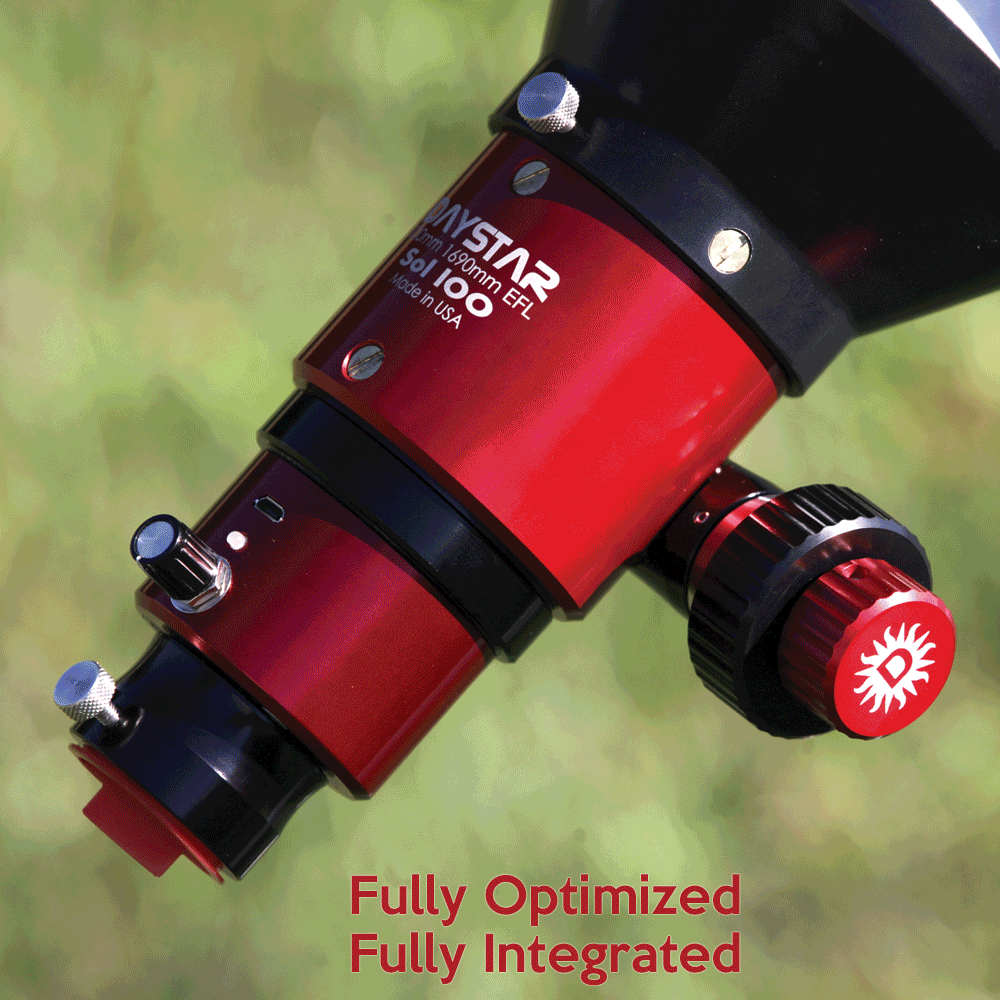
| Barlow | Fully integrated 4.3x telecentric barlow |
| Blocking filter | Integrated 18mm |
| Power required | USB 5v power, 1.5 amp, micro-B connector |
| Main tube outside diameter | 111mm |
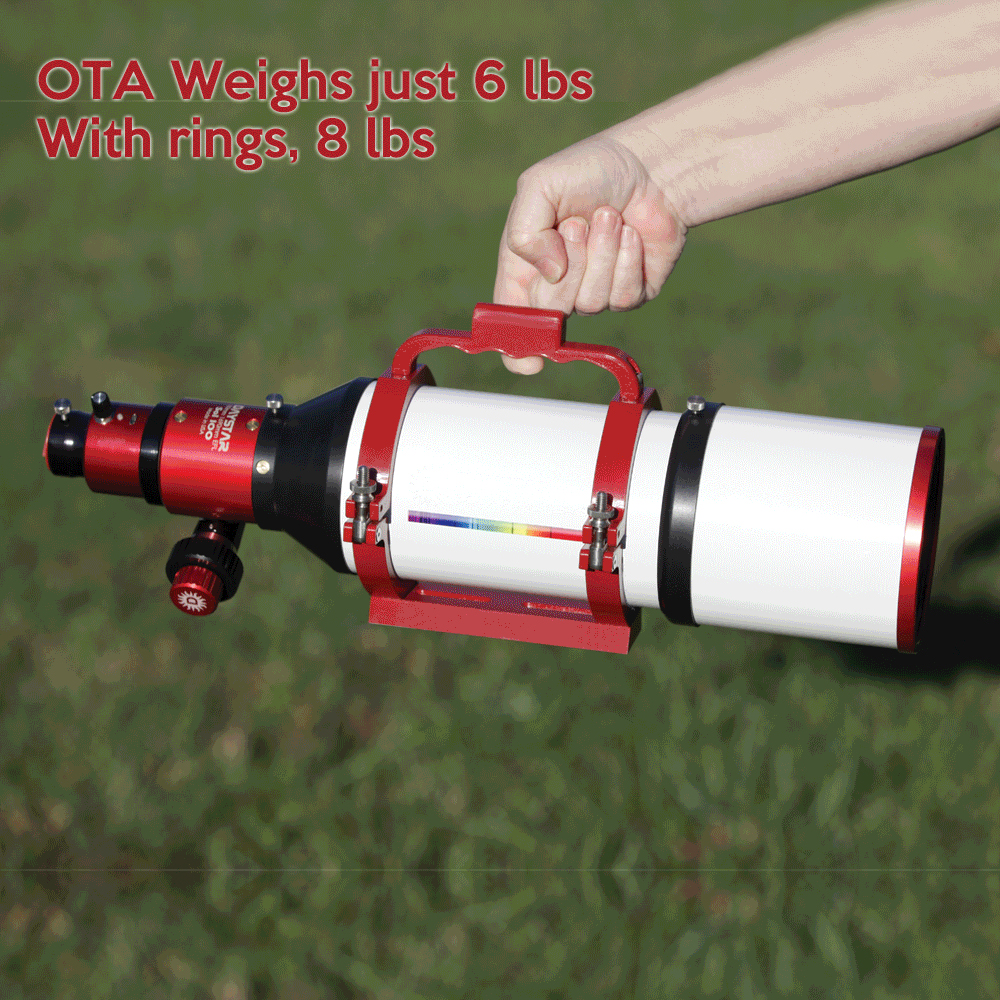
| OTA Only Weight | 6.6lbs / 3kg |
| Weight with Tube rings and handle | 8lb / 3.6 kg |
Price and availability
DayStar Sol 100 is available in two models: Chromosphere (0.5Å ) and Prominence (> 0.5Å). Both are priced at $4,995 and are available for ordering via the official website. The shipping will begin in mid-November 2025.
The DayStar Sol 100mm Dedicated Solar Telescope is exciting. It reflects a clear intention by DayStar to push dedicated solar observing into a higher-performance zone. That said, the investment is substantial, and the observing setup must be up to the task. It will demand a stable mount, good skies, a disciplined setup, and safety protocols. It won’t simply “plug in and view” in the same way as a beginner solar scope.
If you have the budget and are ready to commit to solar photography as a serious pursuit, the Sol 100 is very tempting. It promises fine chromospheric detail, high-quality optics, and a purpose-built package. If you’re just exploring solar views, you may wish to start smaller, learn the ropes, and perhaps upgrade later.
Clear skies!
See more from DIYPhotography.net on Google
Add DIYPhotography.net as a trusted source. This makes
our stories more likely to appear in your Google Search results.
 Add as a preferred source on Google

Soumyadeep Mukherjee
Soumyadeep Mukherjee is an award-winning astrophotographer from India. He has a doctorate degree in Linguistics. His work extends to the sub-genres of nightscape, deep sky, solar, lunar and optical phenomenon photography. He is also a photography educator and has conducted numerous workshops. His works have appeared in over 40 books & magazines including Astronomy, BBC Sky at Night, Sky & Telescope among others, and in various websites including National Geographic, NASA, Forbes. He was the first Indian to win “Astronomy Photographer of the Year” award in a major category.

Join the Discussion
DIYP Comment Policy
Be nice, be on-topic, no personal information or flames.