
























10 Autumn Photography Tips to Capture Stunning Fall Colors
Oct 22, 2025
Anzalna Siddiqui
A psychology major in her third year of Bachelor’s, Anzalna Siddiqui has endless curiosity for the human mind and a deep love for storytelling – both through words and visuals. Though she hasn’t taken up photography as a profession, her Instagram is where her passion finds its home. In addition to this, she’s a travel enthusiast who never travels without her camera because every place has a story waiting to be captured.
Share:

That beautiful golden glow, the fresh air, and the sound of leaves crunching beneath your feet signal that autumn is a photographer’s paradise. You likely know the fundamentals of capturing fall colors. Head out early to avoid the harsh midday light and keep an eye on your settings. But what do you do when you want to go beyond the typical postcard images?
In his recent video, talented photographer Mads Peter Iversen shared a great list of 10 autumn photography tips you must try this season. His advice is both technical and simple, making it ideal for someone like you. His suggestions are constructive, and I think they’ll open up a new realm of creativity for you this fall.
Time Your Shoot: Autumn Photography Tip 1 on Changing Colors
Mads begins by noting that different trees change colors at varying times. This is great because it allows you to see beautiful autumn hues over a more extended period of time. You don’t have to rush and take all your photos in one week.
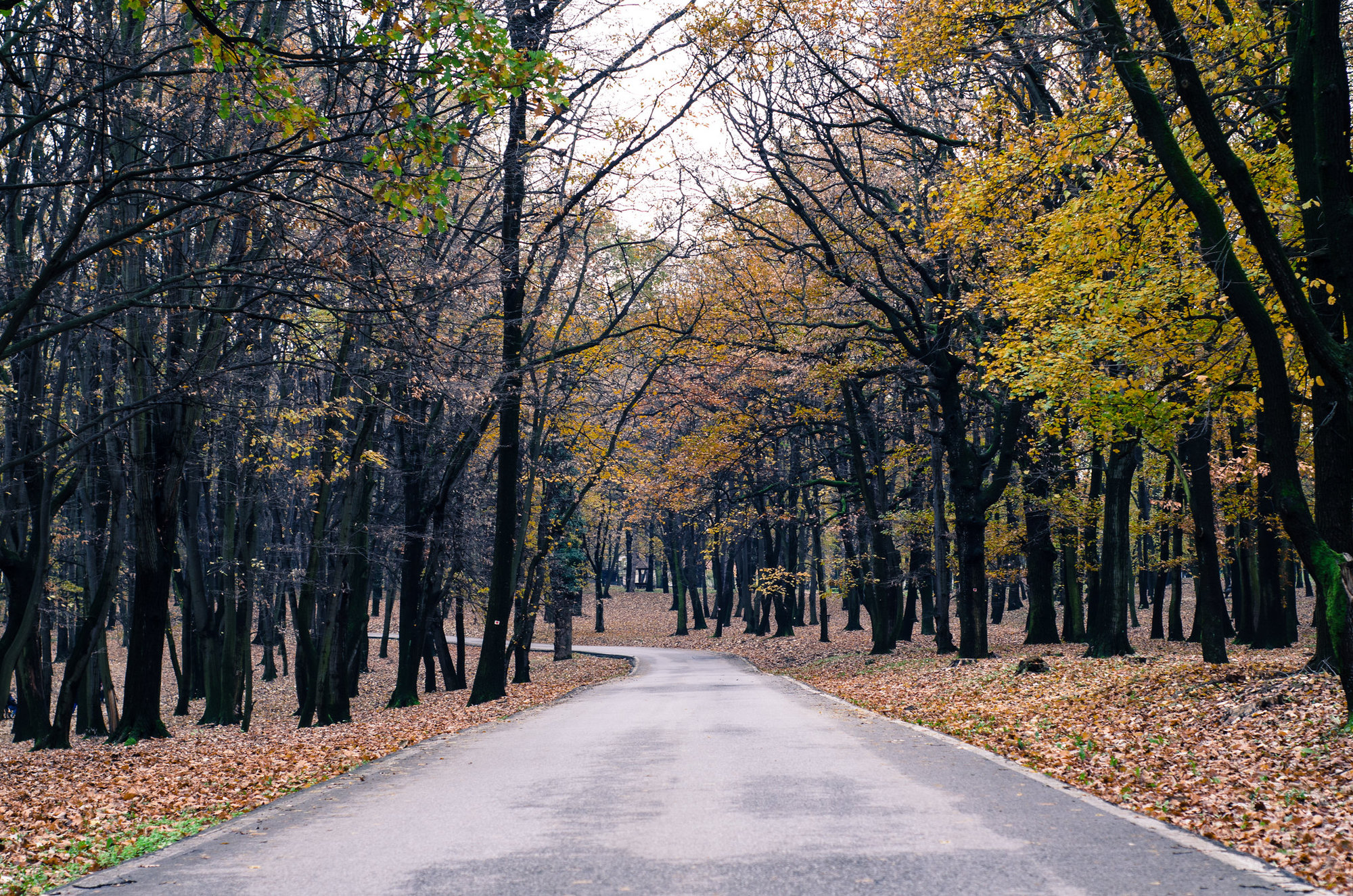
He explains that silver birches usually change first, followed by beech trees, and then the strong oak trees. For those living in the mid-latitudes, the best colors typically occur from mid-October to mid-November.
However, the experienced photographer in you might be skeptical. Mads points out that peak times can vary from year to year based on temperature and rainfall. So, it’s a bit unpredictable. Stay flexible and continue to check the weather forecasts and local foliage updates.
Chase the “Holy Grail”: Autumn Photography Tip 2 for Foggy Days
Mads refers to fog as the “holy grail” for capturing forest and autumn photos, and I totally agree. A bit of morning mist can transform an ordinary scene into something extraordinary.
Fog helps create those enchanting, dreamy images that truly grab attention. Technically speaking, it acts as a natural layer, clearly defining the trees in your photos. This prevents your subjects from appearing jumbled together.
You might be curious about how to find fog. Mads suggests using specific weather apps, such as Youfinder, Windy, and Clear Outside, to help you predict when fog will occur.
Zoom In and Color Contrast: Autumn Photography Tip 3 on Composition
Mad splits his tips on composition into two main sections, which I find very useful.
Part 1: Focusing on Smaller Scenes
He suggests that you zoom in and simplify your shots. If the whole forest feels overwhelming, use a telephoto lens to concentrate on more minor, beautiful details. You can capture engaging visuals, such as autumn leaves hanging over a calm lake or a bush displaying its fall colors near a waterfall.

Mad points out that tree trunks, especially from oak and beech trees, often have a unique, gnarled look that can make an excellent subject for close-up shots. When framing these tighter images, remember to consider basic principles like balance, depth, and appealing patterns.
Part 2: The Importance of Color
Color plays a crucial role in autumn photography, and Mads emphasizes the effective use of it. He advises searching for contrasting colors, like orange and blue, and looking for vivid colors that stand out in their environment.
Look for colors that reflect the shift from summer greens to the vibrant reds and yellows of autumn. Mads highlights a key point: warm colors (like reds and oranges) stand out more, while cool colors tend to recede. Use this insight to add depth to your compositions.
Slash the Glare: Autumn Photography Tip 4 for Polarizing Filters
If you don’t own a polarizing filter, it’s time to get one. Mads believes it’s one of the best tools for landscape photography, and I mostly agree because it solves many issues at once.
He explains that this filter reduces polarized light, which is light reflected off surfaces like wet or dry leaves, water, and rocks. This helps eliminate unwanted glare and highlights. As a result, you get richer colors and a more explicit focus in your pictures.
However, there’s an essential tip from him: use it carefully. If you want to capture a beautiful reflection, like a tree perfectly mirrored in a lake, a polarizing filter might not be the best choice.
Get Down Low: Autumn Photography Tip 5 for Macro Details
We just explored the idea of looking closely at tree trunks, but have you thought about the tiny world right under your feet? This advice encourages you to shift your viewpoint and pay attention to the small details in the forest. You’ll discover amazing little scenes on the ground or hidden among the trees.
Mads recommends using a lens that can focus closely and has true macro capabilities for the best results. The key technique to remember is simple: get down low. You’ll want to be at eye level with your small subjects to capture them naturally.
Look Up! Autumn Photography Tip 6 for Non-Color Subjects
Don’t get so caught up in the autumn colors that you miss other great photography chances. Mads suggests looking beyond just the fall hues, as there are many interesting subjects to capture this season.
He points out that the Milky Way appears vertical at this time, making it a perfect opportunity to create stunning compositions by combining the sky with various foregrounds. Mads also highlights that comets are easier to spot, and he particularly enjoys photographing the increased Aurora activity.
Go Monochrome: Autumn Photography Tip 7 for Striking Black and White
I really like this unique tip. He goes on to share some unexpected photography ideas for autumn, and one big highlight is about using monochrome photography.
Mads suggests leveraging autumn colors to make stunning black and white images. Before converting your photos to black and white, you actually use the colors first. He mentions using the Black and White mixer found in programs like Camera Raw or Lightroom to adjust the brightness of different colors. For example, you can brighten reds and oranges while leaving blues darker, which creates beautiful, high-contrast photos. It’s a smart way to add drama to your shots.
Make Colors Pop: Autumn Photography Tip 8 for White Balance and HSL
Here’s another effective way to enhance those vibrant autumn hues. His method for Tip 8 focuses on adjusting the white balance.
By cooling down the white balance, you can make the surroundings more blue, which creates a nice contrast with the warm colors of the plants. It’s a simple process: start by lowering the white balance temperature. After that, use the HSL sliders to fine-tune your warm shades, ensuring they are as bright and vivid as you’d like.
However, take care with this technique. Mads warns that you should avoid clipping color channels, losing important texture, or making the leaves appear unnatural and glowing. Nobody wants their photos to have “radioactive leaf syndrome.”
Embrace the Drizzle: Autumn Photography Tip 9 for Wet Weather
This advice highlights how beneficial moisture can be for autumn photography.
Mads explains that wet leaves appear more vibrant and colorful. The moisture enhances the colors, making them look richer. Plus, since the colors provide good contrast, you don’t always need bright sunlight. Cloudy or rainy days can actually be just as good, or even better, for capturing bright, saturated images.
Tell a Story: Autumn Photography Tip 10 for a Strong Subject
He kept the best tip for last. Mads emphasizes the importance of choosing a strong subject for your photos. This subject should harmonize with autumn colors, enhancing the overall story.
Interestingly, he prefers focusing on subjects that aren’t landscapes, letting the autumn colors or backdrop take a secondary role. Here are some good examples:
- A charming yellow house that matches the autumn hues in a forest.
- Various birds on a lake, like a graceful swan or a group of ducks.
- A person taking a walk, which adds depth and tells a story.
- A striking stag, or even white stags, in a deer garden, which adds a magical element to the scene.
I think that including a subject can quickly turn a typical landscape photo into a captivating story. Mads really encourages you to look beyond just beautiful leaves and to consider the impact of your images.
[10 Autumn Photography Tips You Must Try This Season! I Mads Peter Iversen; Image credits: Envato]
See more from DIYPhotography.net on Google
Add DIYPhotography.net as a trusted source. This makes
our stories more likely to appear in your Google Search results.
 Add as a preferred source on Google

Anzalna Siddiqui
A psychology major in her third year of Bachelor’s, Anzalna Siddiqui has endless curiosity for the human mind and a deep love for storytelling – both through words and visuals. Though she hasn’t taken up photography as a profession, her Instagram is where her passion finds its home. In addition to this, she’s a travel enthusiast who never travels without her camera because every place has a story waiting to be captured.

Join the Discussion
DIYP Comment Policy
Be nice, be on-topic, no personal information or flames.