


















These Out-of-the-world Images were Shot with Smartphones
Feb 18, 2026
Soumyadeep Mukherjee
Soumyadeep Mukherjee is an award-winning astrophotographer from India. He has a doctorate degree in Linguistics. His work extends to the sub-genres of nightscape, deep sky, solar, lunar and optical phenomenon photography. He is also a photography educator and has conducted numerous workshops. His works have appeared in over 40 books & magazines including Astronomy, BBC Sky at Night, Sky & Telescope among others, and in various websites including National Geographic, NASA, Forbes. He was the first Indian to win “Astronomy Photographer of the Year” award in a major category.
Share:
Smartphone astrophotography has changed dramatically in recent years. A few years ago, phones struggled to record faint stars. Today, many modern models capture the Milky Way with surprising clarity. This progress comes from steady improvements in sensor design and image processing pipelines. Official product documentation from several manufacturers confirms that current night modes combine many frames to suppress noise and recover faint detail. Because of this approach, even small mobile sensors now record sky features that once remained invisible on phones.
Hardware upgrades have played an equally important role. Recent smartphones use larger sensors and faster lenses to collect more light during each exposure. Many devices now support multi-minute night captures when the phone remains steady on a tripod. These changes work together to produce cleaner star fields, better color balance, and more consistent results under dark skies.
The impact on everyday users has been significant. Night-sky imaging is no longer limited to specialists or complex workflows. A careful setup, a stable support, and clear skies often produce impressive results straight from the phone. Software continues to refine noise reduction and star rendering with each generation. Future models will likely bring further gains in sensitivity and control. With these steady improvements, smartphones have firmly established themselves as practical tools for exploring and recording the night sky.
The Smartphone Astrophotographer of the Year 2026 contest celebrates this development. The following winning gallery is pure indulgence and surprise. The organizer, Anthony Robinson (Skies & Scopes), told DIYP: “Capturing nightscapes, planets, and deep sky objects, these photos demonstrate the stunning photographic capabilities of modern smartphones. The technology has developed so that we all have a high-performing camera on us all the time.”
Overall Winner
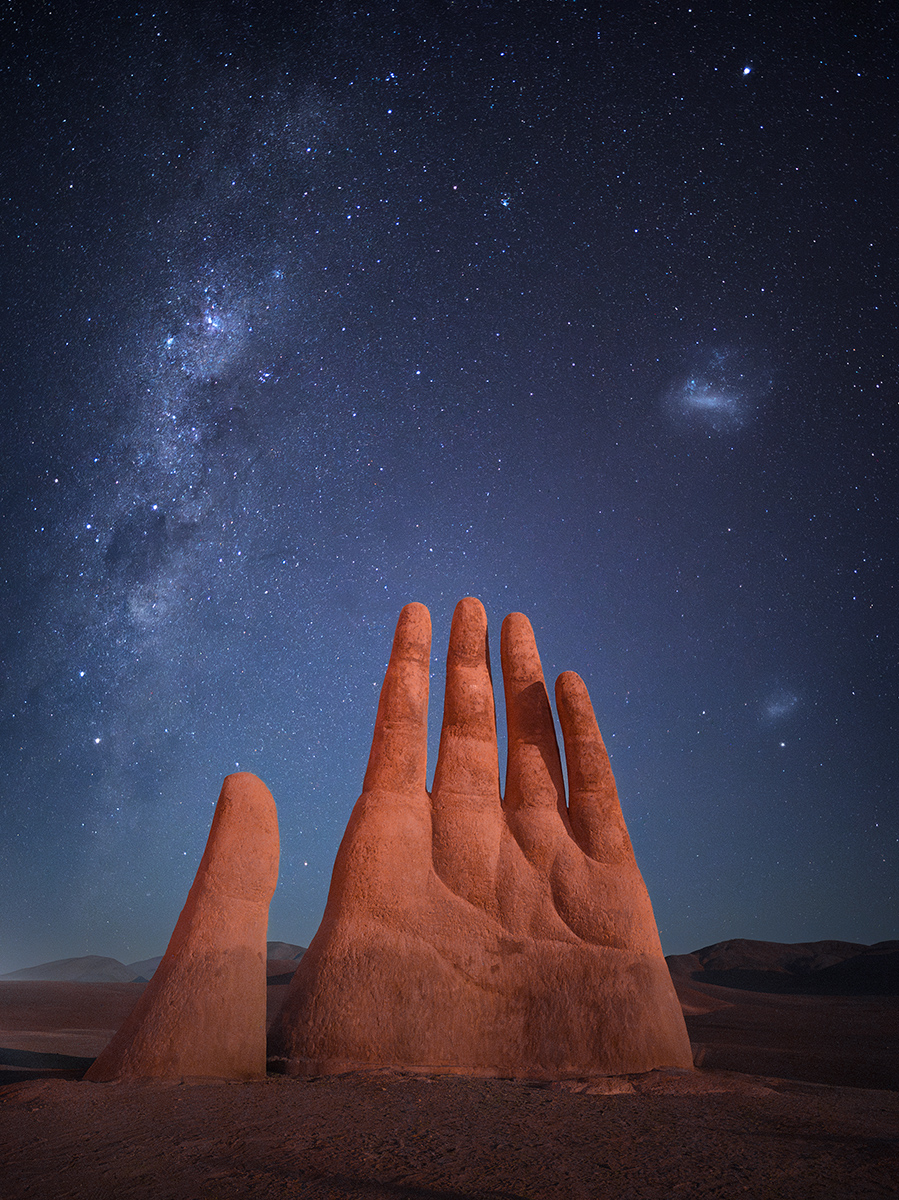
The overall winner of Smartphone Astrophotographer of the Year 2026 is Mihail Minkov of Bulgaria, with his photo, Hand of God. This image was captured with a Xiaomi 14 Ultra smartphone.
Winner: Planetary Category
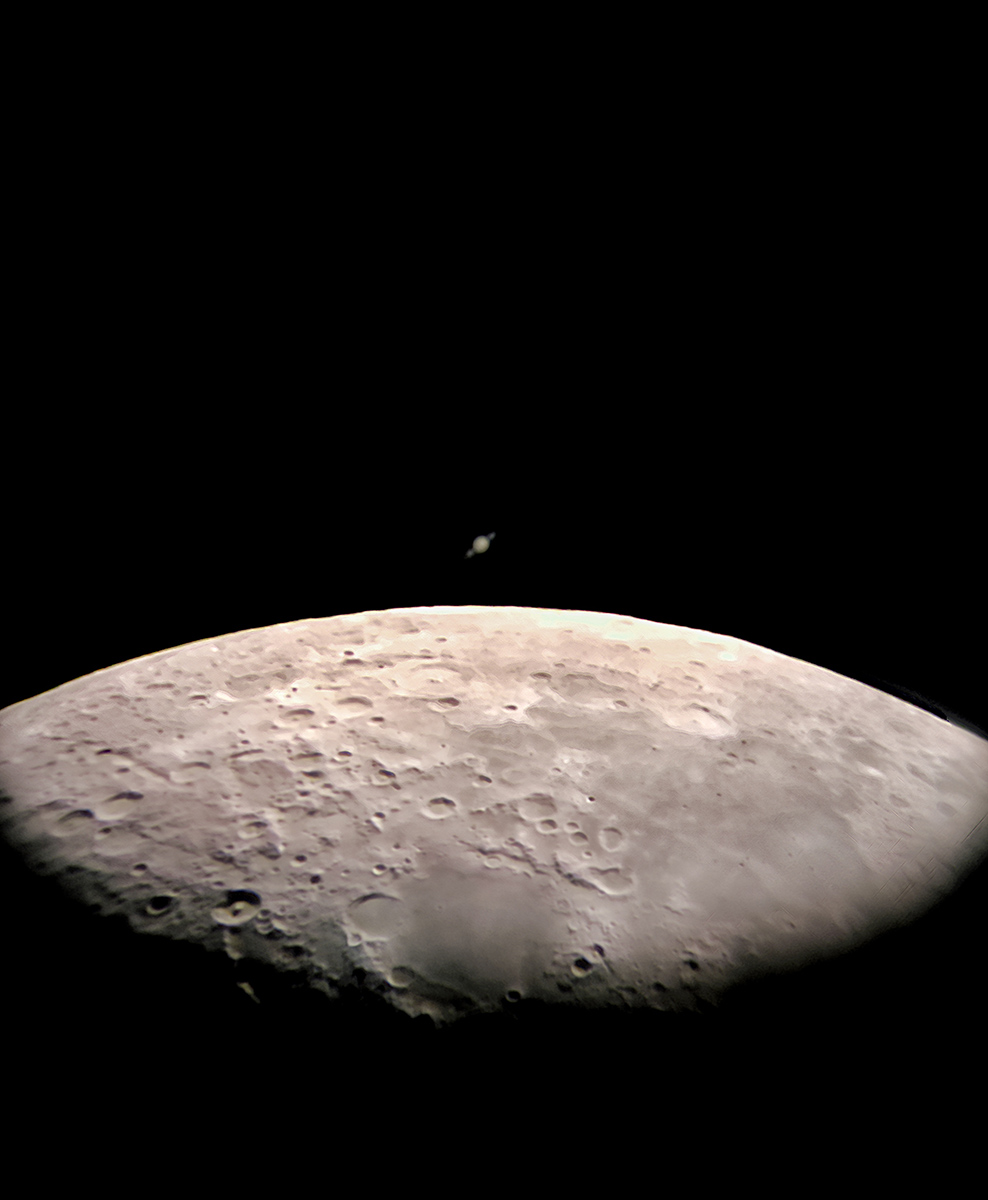
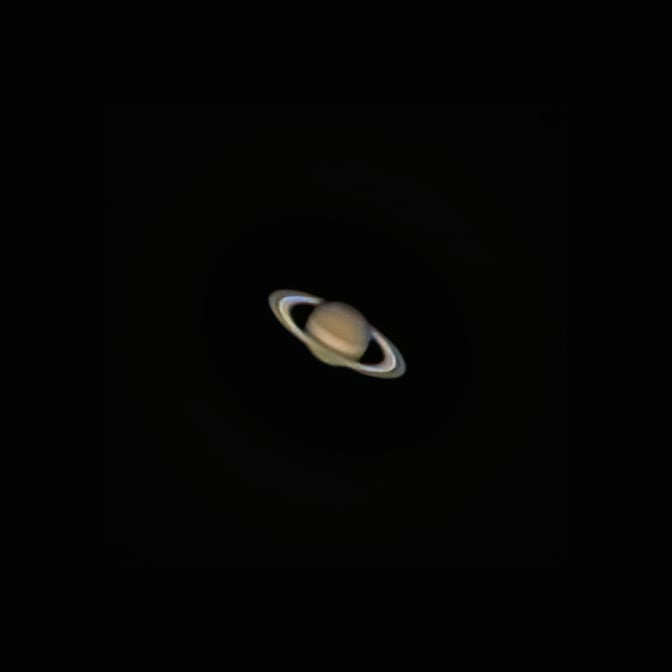
The winner in the Planetary category is Gleb Siz of Poland with this Saturn Moon Conjunction 2025 taken with a Samsung S24 Ultra through a Sky-Watcher telescope.
Winner: Deep Sky Category
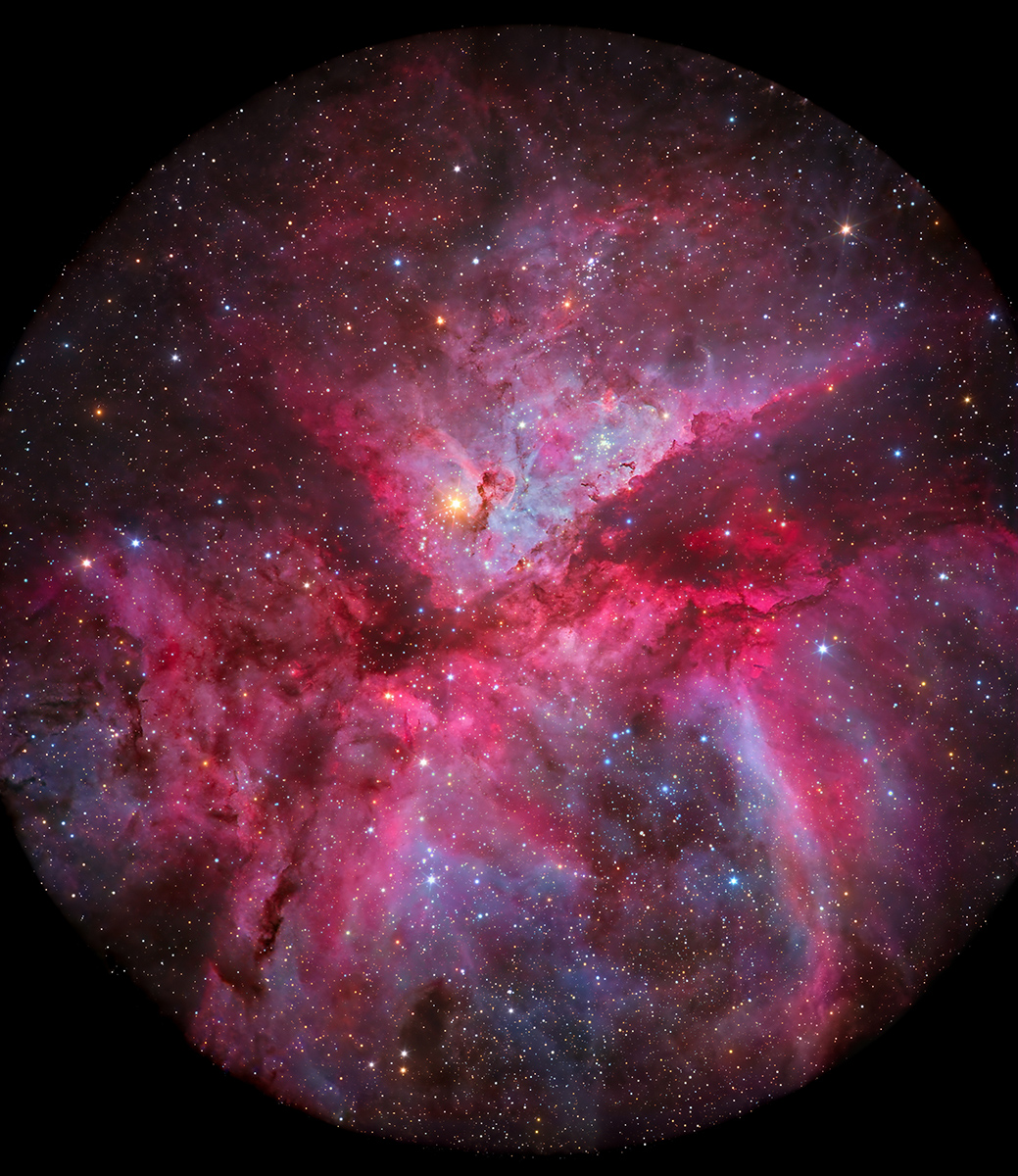
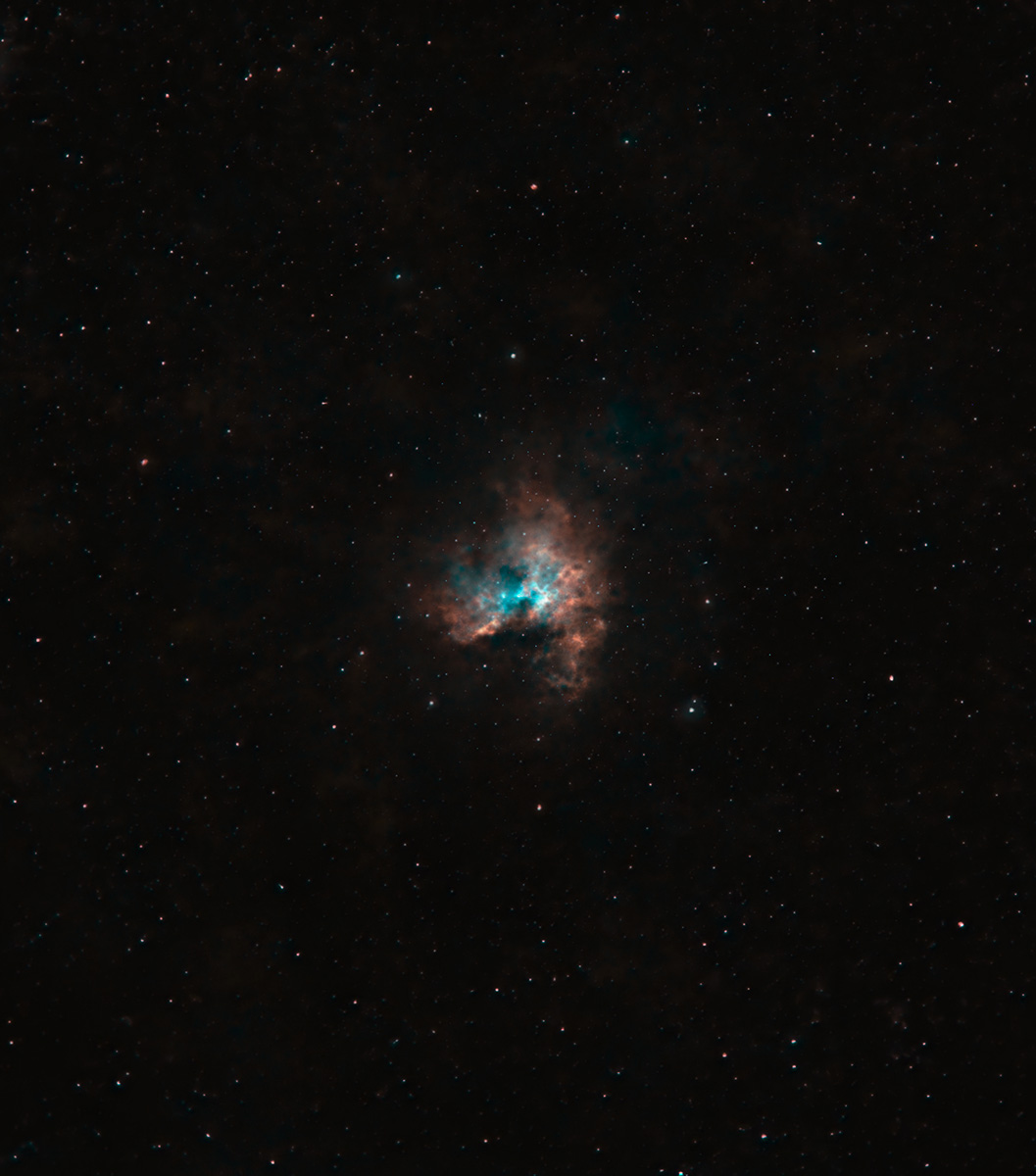
The winner of the deep sky category is Lucas Gonçalves of Brazil with his image Eta Carinae Through the Eyepiece, taken with a Xiaomi 12 smartphone through a telescope.
Winner: Landscape Astrophotography Category
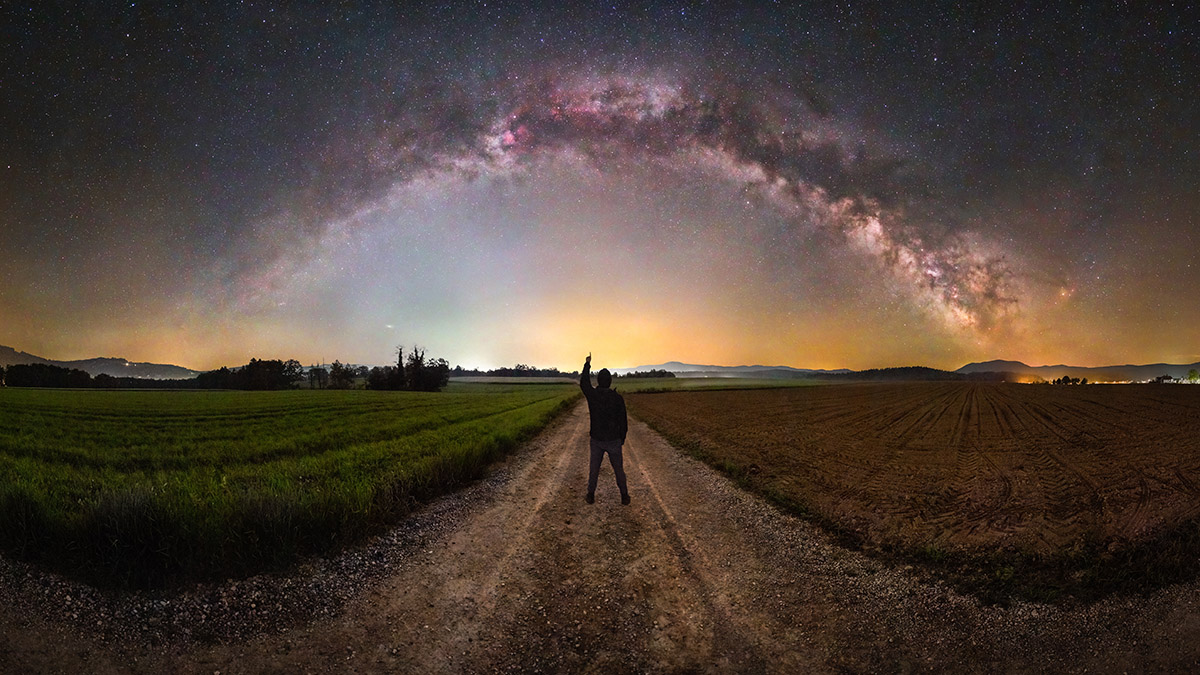
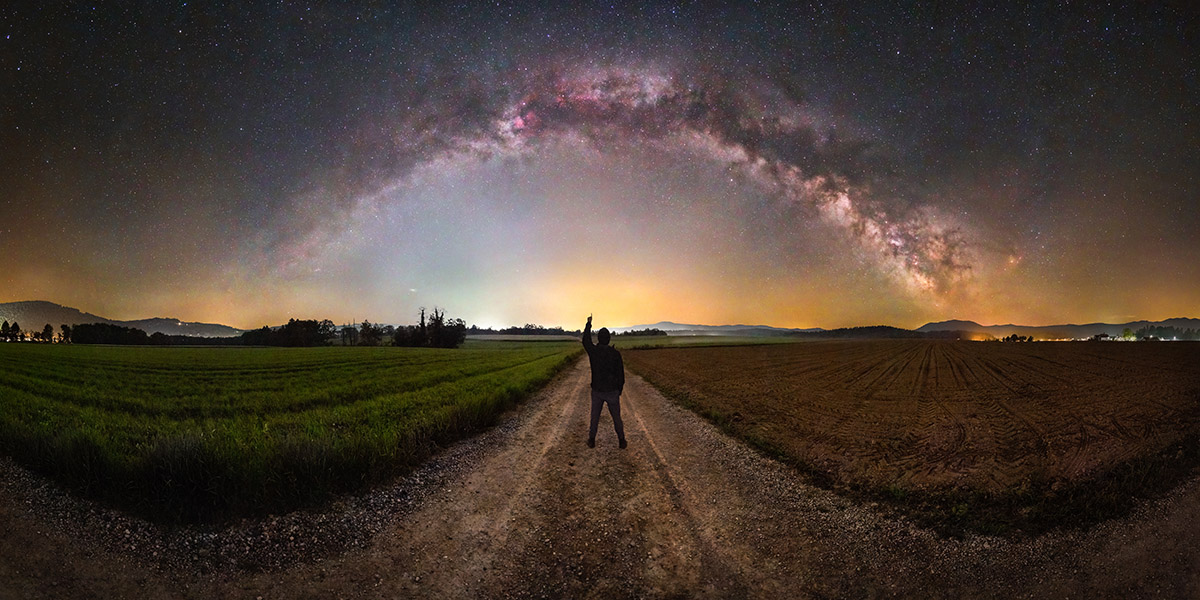
The winner of the landscape astrophotography category is Uroš Fink with Between the Worlds. Taken with a Huawei P60 Pro, this stunning panorama captures the Milky Way arch perfectly aligned with the landscape and the photographer’s self-portrait.
Runners-Up Images
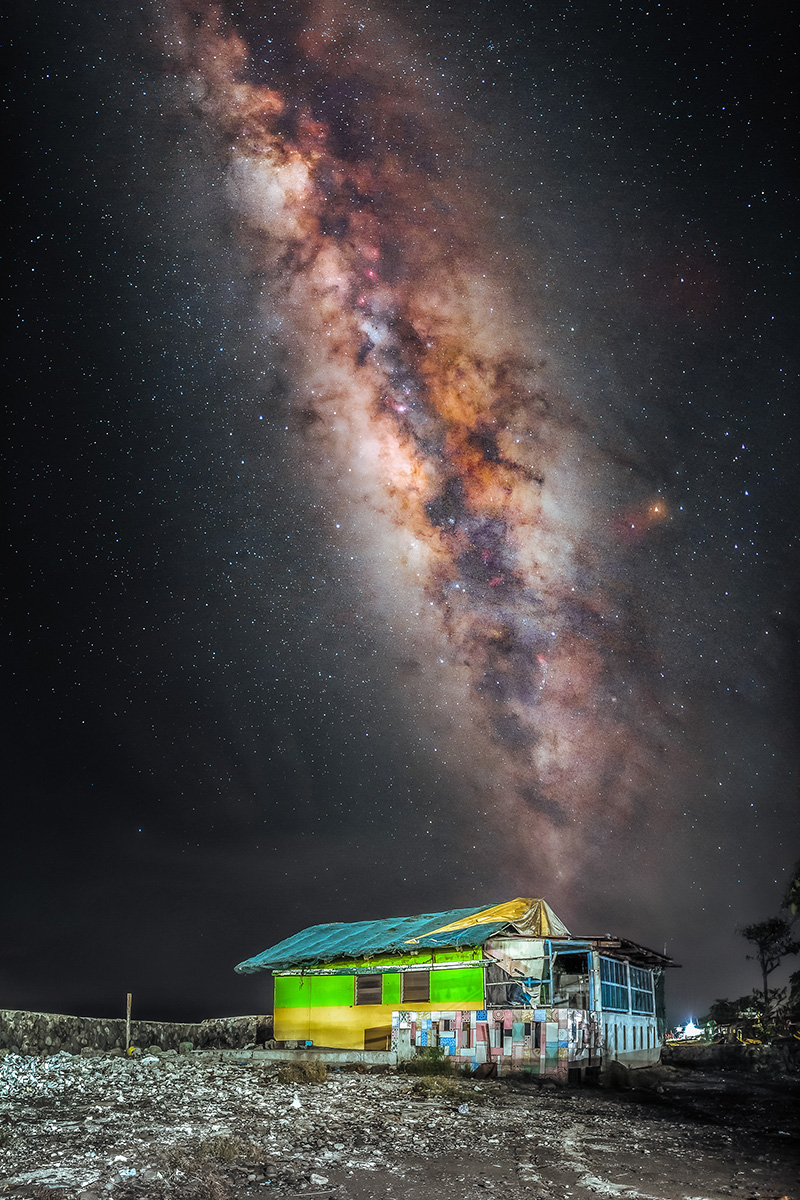
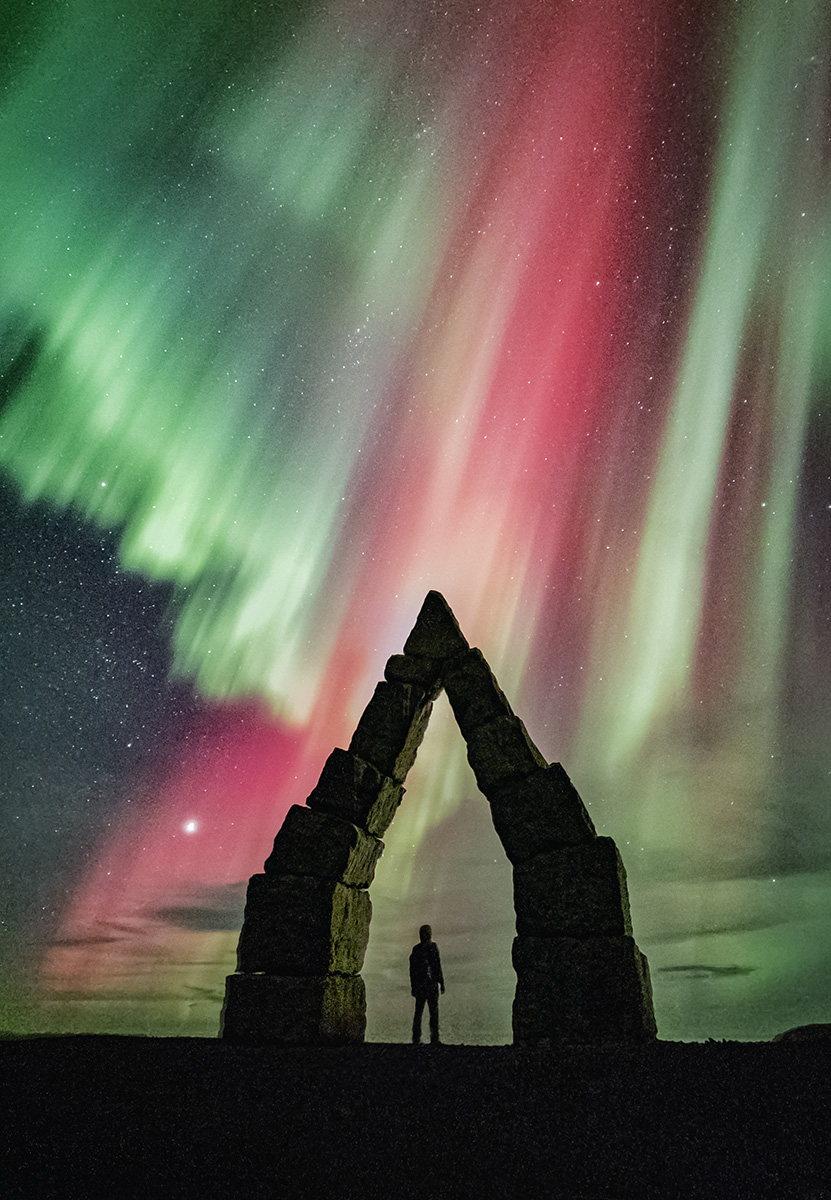
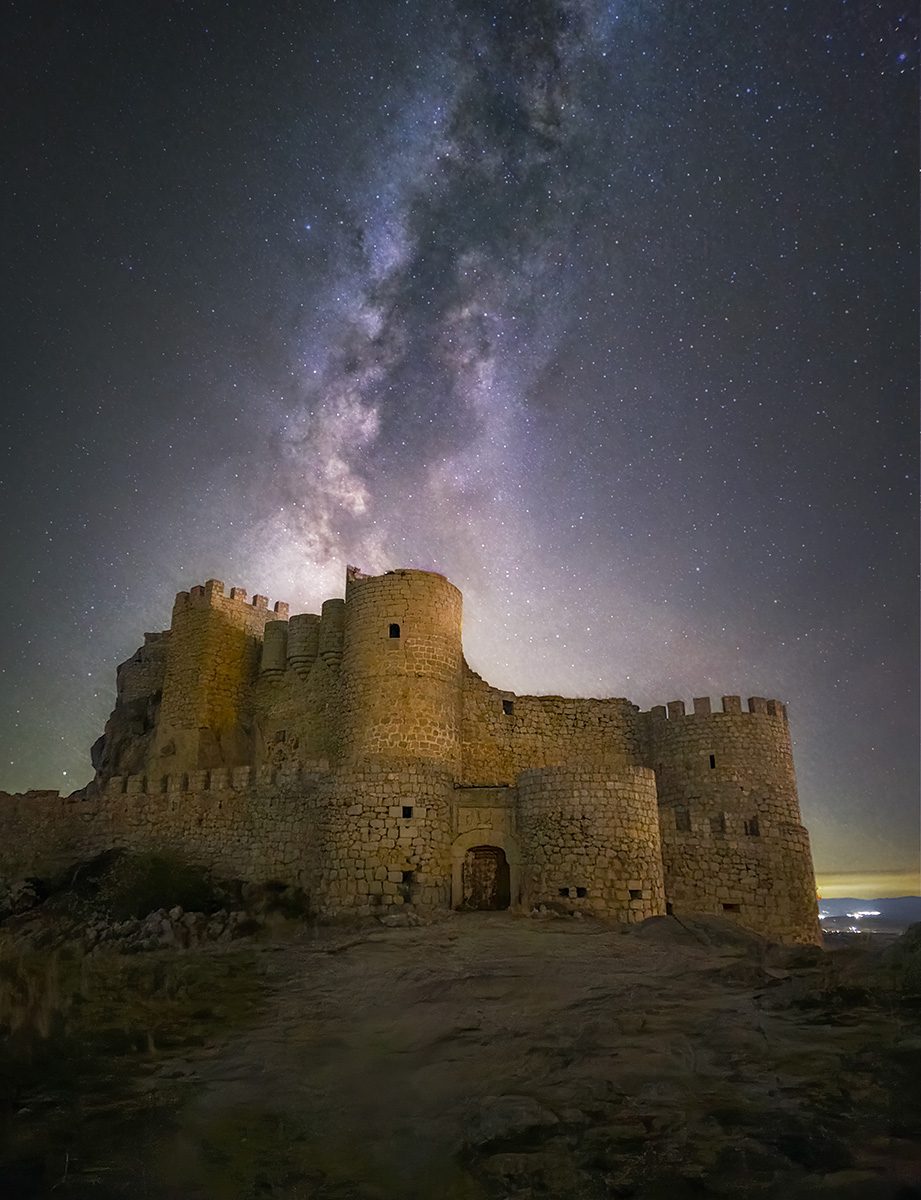
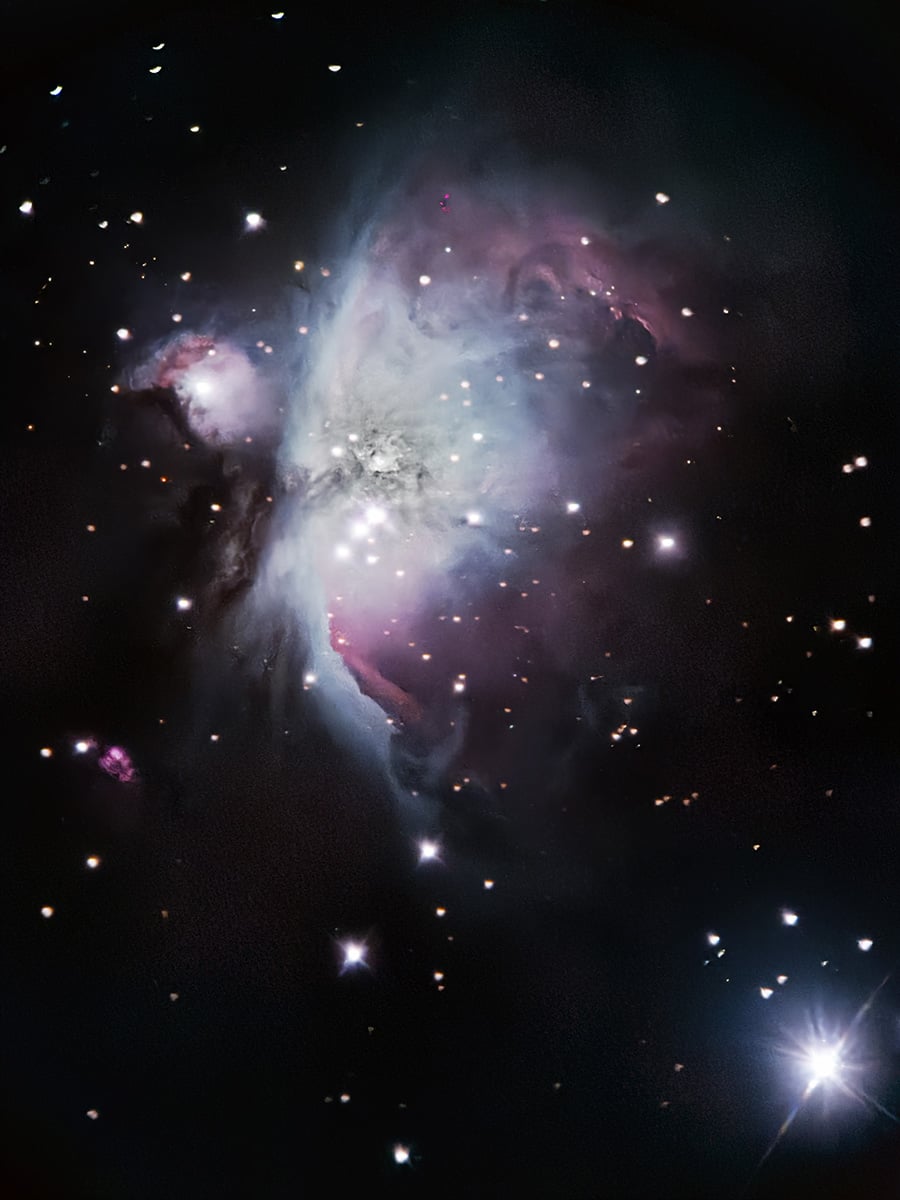
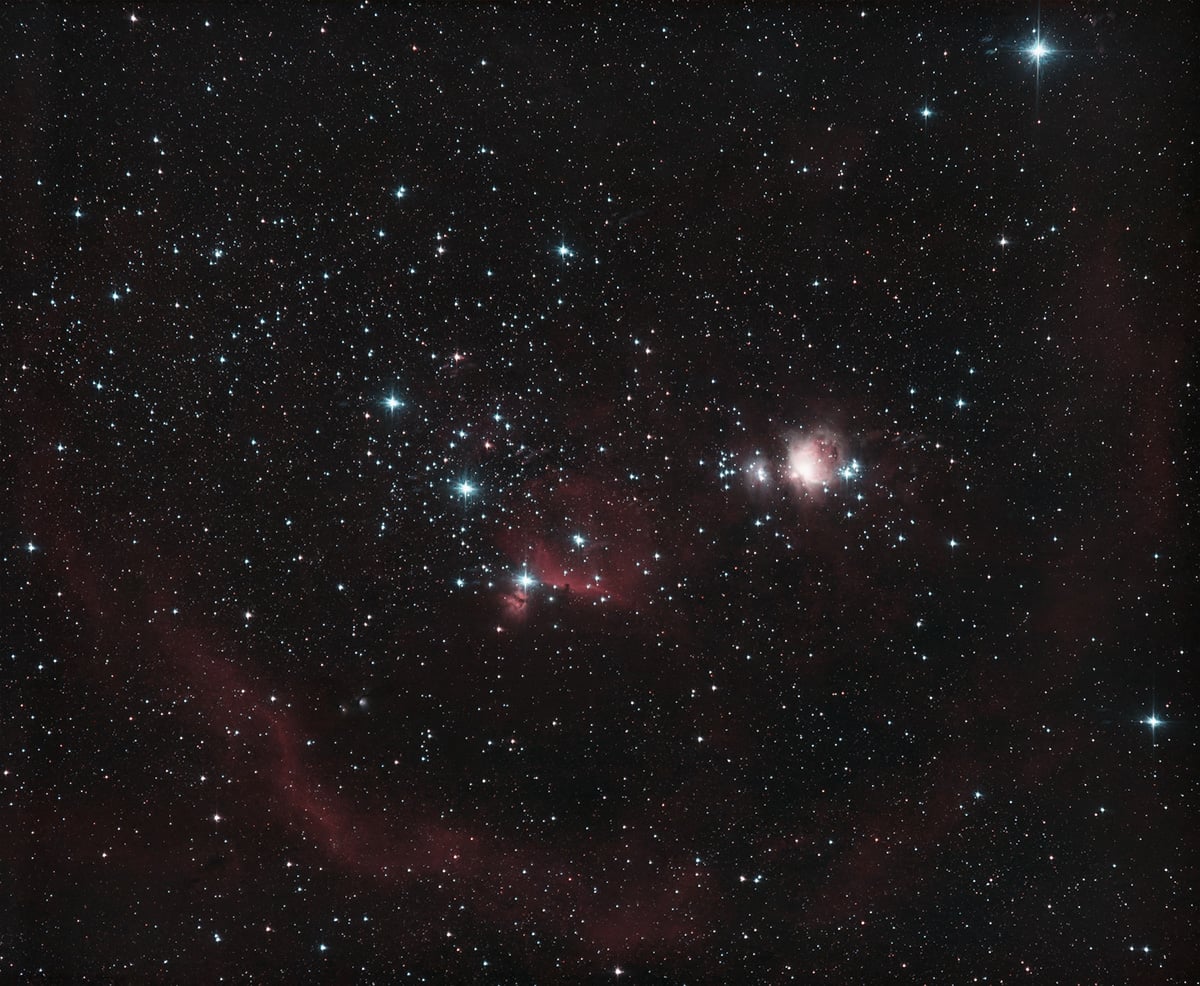
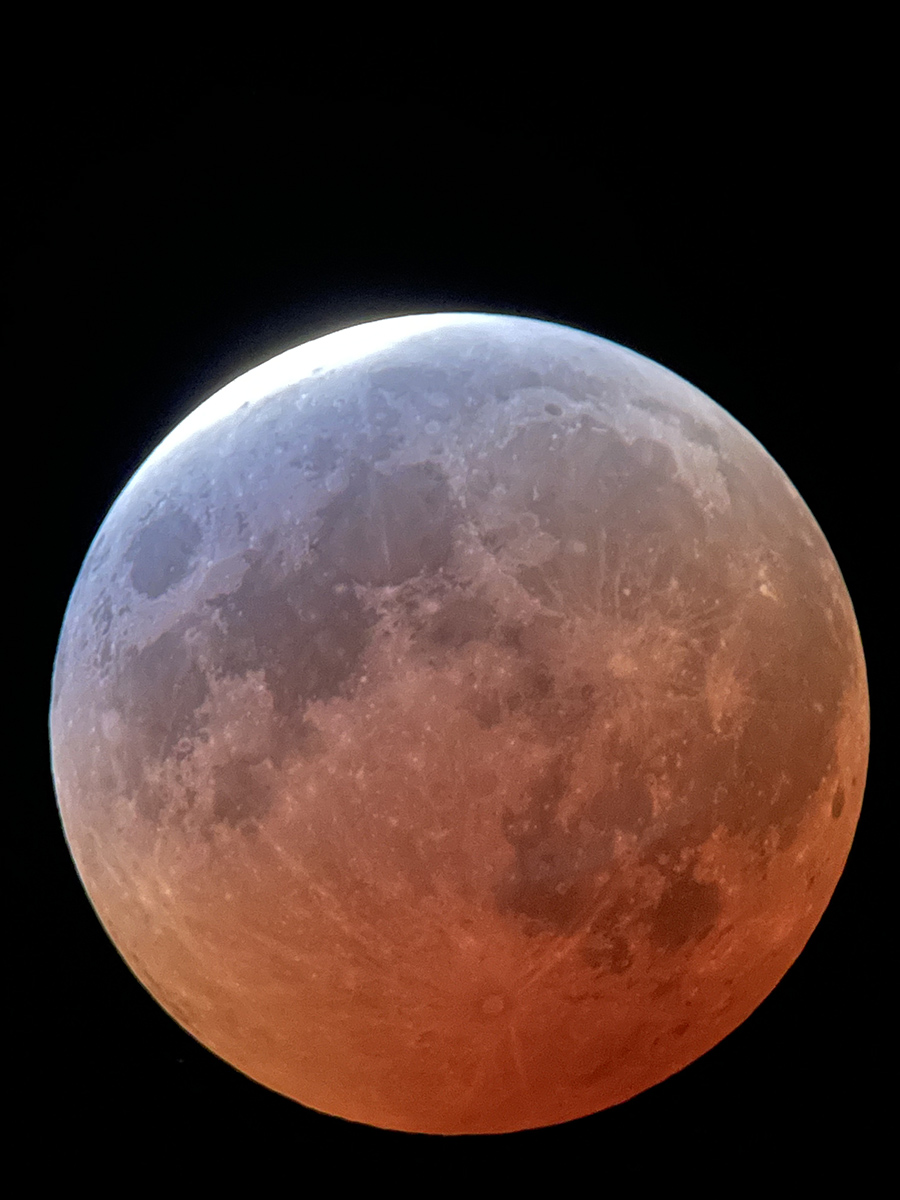
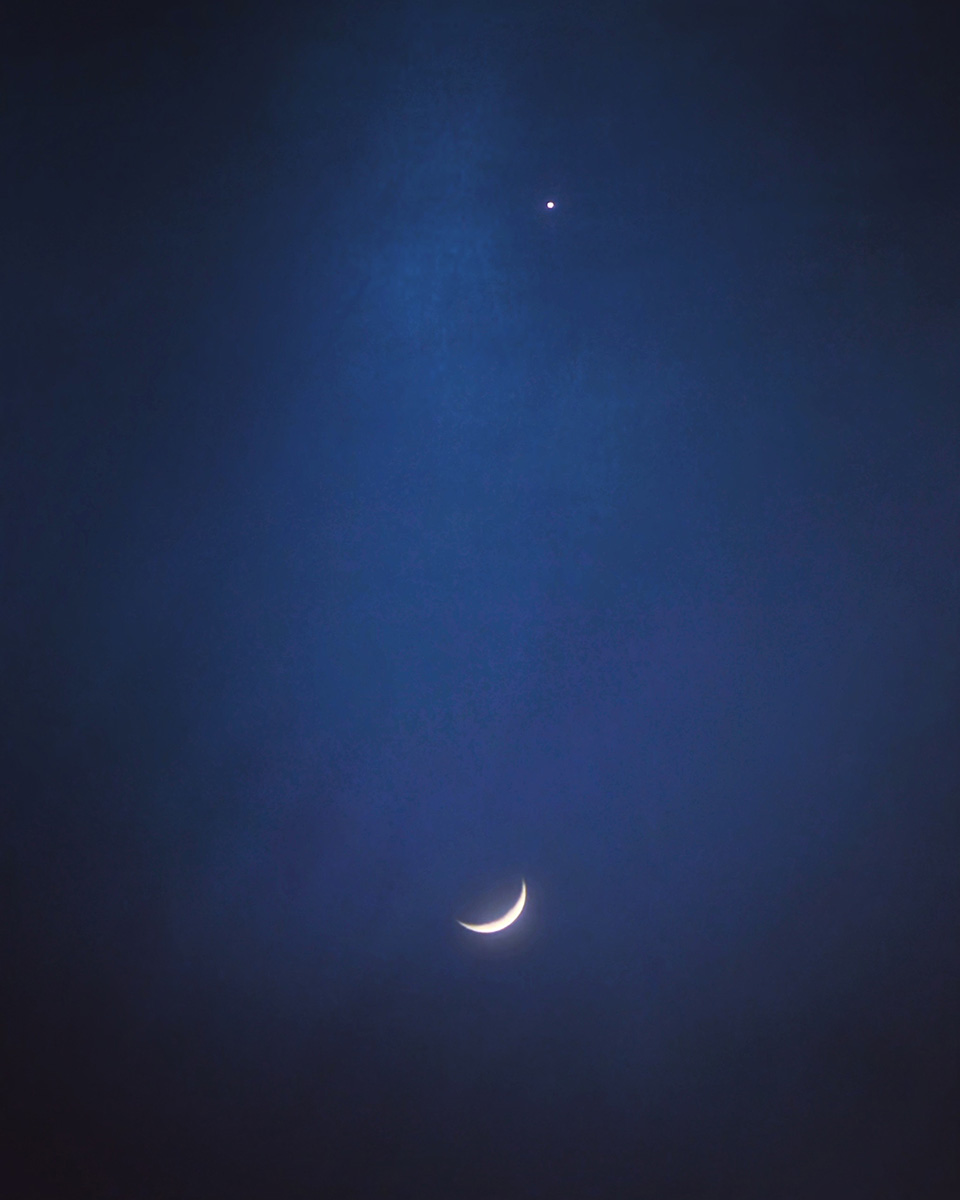
Three images from each of the three categories were chosen as runners-up for the Smartphone Astrophotographer of the Year 2026 contest.
Landscape Astrophotography Category
Deep Sky Category
Planetary Category
About the contest: Smartphone Astrophotographer of the Year 2026
A first-of-its-kind, the Smartphone Astrophotographer of the Year contest highlights the advancement of smartphone cameras. Astrophotography is perhaps the ultimate test for these cameras. The contest showcases such images, and they are mind-blowing! According to Anthony, “This competition celebrates that any person, anywhere in the world, can capture amazing images with just the phone in their pocket.”
The contest received 177 entries from 33 countries across the globe. Check out the winning images gallery to find out more stunning images, captured with smartphones.
Clear skies!
See more from DIYPhotography.net on Google
Add DIYPhotography.net as a trusted source. This makes
our stories more likely to appear in your Google Search results.
 Add as a preferred source on Google

Soumyadeep Mukherjee
Soumyadeep Mukherjee is an award-winning astrophotographer from India. He has a doctorate degree in Linguistics. His work extends to the sub-genres of nightscape, deep sky, solar, lunar and optical phenomenon photography. He is also a photography educator and has conducted numerous workshops. His works have appeared in over 40 books & magazines including Astronomy, BBC Sky at Night, Sky & Telescope among others, and in various websites including National Geographic, NASA, Forbes. He was the first Indian to win “Astronomy Photographer of the Year” award in a major category.
Related Posts
 92.5% of photographs today are shot with smartphones
 How I shot these vertical panoramic images in the world’s most stunning churches and cathedrals
 Sony World Photography Awards’ National Award shows breathtaking images from all over the world
 All About Photo Awards 2023 winning shot is literally a winning shot
Join the Discussion
DIYP Comment Policy
Be nice, be on-topic, no personal information or flames.