

















How to Take Lightning Photos with Your Phone
Sep 18, 2025
Anzalna Siddiqui
A psychology major in her third year of Bachelor’s, Anzalna Siddiqui has endless curiosity for the human mind and a deep love for storytelling – both through words and visuals. Though she hasn’t taken up photography as a profession, her Instagram is where her passion finds its home. In addition to this, she’s a travel enthusiast who never travels without her camera because every place has a story waiting to be captured.
Share:
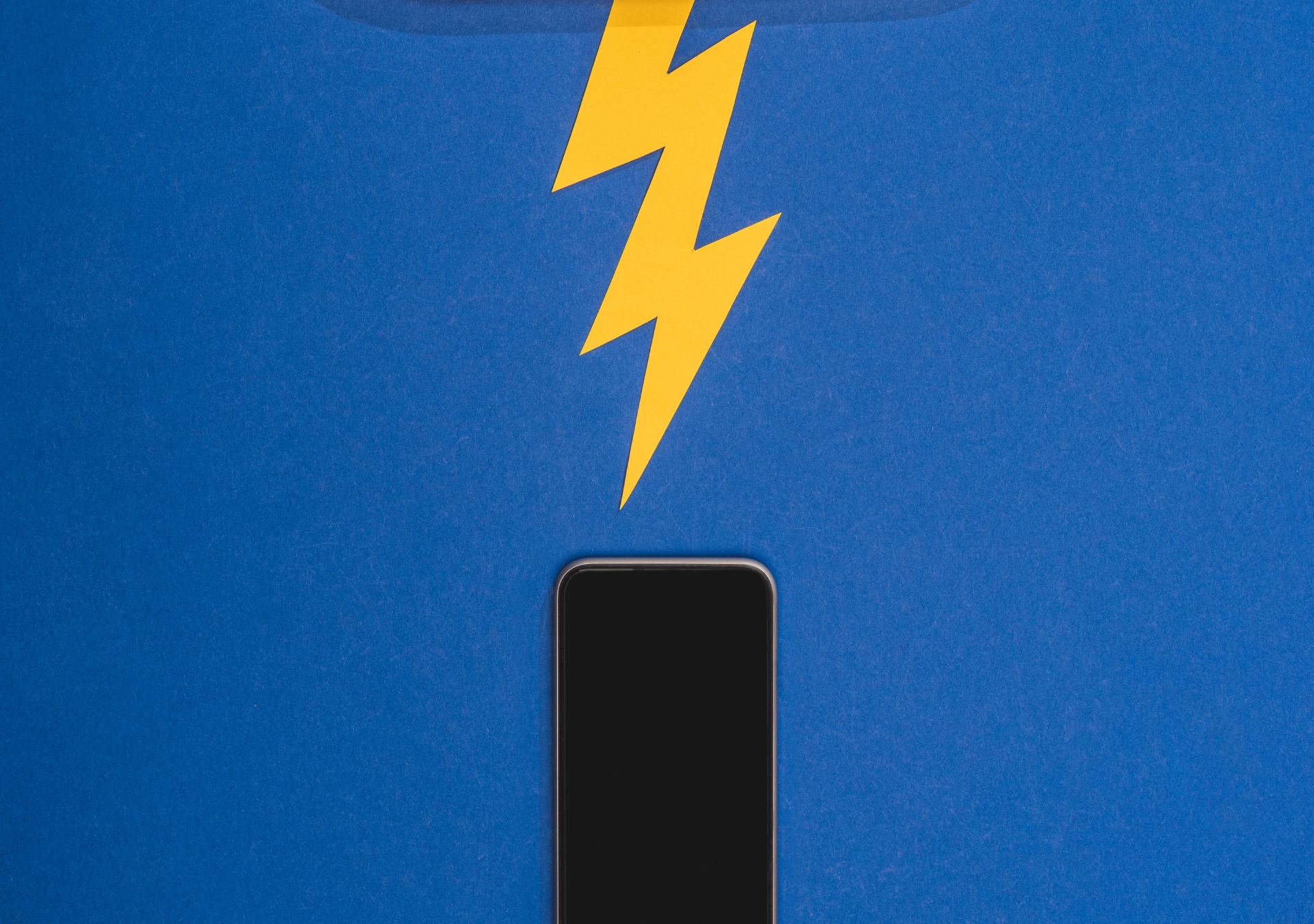
When a storm approaches, you might find yourself wondering how to capture lightning photos with your phone. That rush of excitement feels different. Lightning is hard to predict—unlike sunsets or portraits, you can’t tell when or where the next flash will strike. You usually have less than a second to capture it, which is why many photos end up blurry or miss the moment entirely. But if you manage to get that perfect shot, it’s truly incredible. Even though your phone doesn’t have the advanced settings of a professional camera, you can still take striking photos with the right technique.
For a long time, people believed only professionals could pull this off—photographers with heavy DSLR cameras, costly tripods, and high-tech lighting gear. But that’s just a myth. Your smartphone, essentially a small computer you carry everywhere, is more than capable of capturing lightning photos. All it takes is the right approach and a little courage to try!
How to Take Lightning Photos with Your iPhone or Android
This is where the fun begins. Nowadays, both iPhones and Android phones come with great cameras, but there are some differences in how to take photos of lightning. The settings and apps you choose might change a little based on your phone, but the basic ideas remain the same. I prefer using a manual mode app because it lets me have more control over my shots.
For iPhone: Embracing Third-Party Apps
The built-in camera app on the iPhone is great, but it’s not made for long-exposure shots. For that, you’ll want to use a third-party app. Apps such as Slow Shutter Cam or Halide are both excellent options to take great lightning photos. They allow you to manually adjust the shutter speed and ISO settings.
Here’s how I typically go about it:
- First, set your phone on a tripod and get your shot framed.
- Set the shutter speed between 5 and 15 seconds. This allows you enough time to catch several flashes in one picture. A longer exposure increases your chances of capturing a lightning strike, but it also lets in more background light.
- Set the ISO to its lowest value (usually 25 or 50). This helps minimize digital noise, which can make your photo look grainy.
- Finally, focus on infinity. You’ll need to manually focus on something far away, like a streetlight or the moon, and then lock that focus in.
- A quick tip for using the timer: When you’re doing long-exposure photography, it’s essential to set your self-timer to at least three seconds. Pressing the screen to take the picture can create small vibrations that might blur your image. The timer allows your phone to stabilize completely before the long exposure starts.
For Android: The Power of Pro Mode
Many current Android smartphones, particularly those from brands like Samsung, Google, and OnePlus, have a Pro Mode in their default camera apps. This feature is really helpful.
- First, switch to Pro or Manual mode.
- Next, set your focus to infinity.
- Then, lower the ISO to its lowest setting to minimize noise.
- Now, adjust the shutter speed. Start with a duration of about 5 to 10 seconds. You may need to tweak this based on how often lightning strikes.
- Make sure to lock your white balance. This helps keep the colors consistent across your shots. I usually choose “Daylight” or “Cloudy.”
The beauty of this approach is that you can let your phone continuously take pictures of lightning. It’s somewhat of a gamble, but longer exposures greatly improve your chances of capturing a good shot.
How to Take Lightning Photos at Night vs. During the Day
Taking lightning photos at night is the traditional and most effective method, which is what my earlier tips focused on. With a long exposure, the camera can gather all the light from a lightning bolt, resulting in striking, bright lines in a dark sky. You can even catch several strikes in one shot, which looks amazing.
On the other hand, photographing lightning during the day is quite different. The problem is clear: if you use a long exposure, the lightning photo will turn out completely white due to overexposure since the sunlight is too intense. This is where you’ll need to think outside the box a bit.
- Lightning Trigger Apps: This is my number one recommendation for taking lightning photos during the day. They are made to tackle this issue by utilizing your phone’s ability to capture high-speed video or sensor information. Instead of using a long exposure, they can detect a quick flash of light and snap a picture with a very fast shutter speed. This method can be quite tricky, and the results can be hit-or-miss, but when it goes right, the results are stunning.
- The ND Filter Hack: A neutral density (ND) filter works like sunglasses for your camera. It lessens the light that reaches the sensor, allowing you to use a slower shutter speed even when it’s really bright outside. You can also get small ND filters attached to your phone’s camera. While this technique is a bit more advanced, it can create interesting and artistic effects, making it a fun project if you like to try new things.
How to Edit Lightning Photos
After you’ve taken your pictures, the job isn’t finished. Editing is the stage where you can elevate a good photo into a great one. Feel free to be a bit bold — you’re capturing something special, and the final result should show that.
I usually rely on Lightroom Mobile and Snapseed for this. They’re both strong, free apps that provide all the necessary tools.
- Adjust Exposure and Contrast: The first thing I do is to reduce the highlights and boost the contrast. A reasonable initial adjustment is to decrease the Highlights by around 20 points and raise the Contrast by 15-25 points. This makes the bright lightning stand out more against the dark sky.
- Enhance the Blacks and Whites: Doing this adds more impact to the image and makes the lightning appear sharper. Try boosting the Whites by 10 points and lowering the Blacks by 15.
- Modify Shadows: Raising the shadow slider often brings back some detail in the foreground, like a landscape or city skyline, creating more depth and scale. I usually raise the Shadows by 10 to 20 points to uncover those hidden details.
- Minimize Noise: Long exposure shots, even with low ISO, can have some noise. Most editing programs offer a “Noise Reduction” option. Use it gently to smooth the image without losing key details.
- Experiment with Color and Clarity: I often adjust the white balance to make the sky look cooler and more threatening or warmer and more foreboding. Increasing the “Clarity” slider can also enhance the lightning details. For clarity, I usually suggest a subtle boost of +5 to +10..
What Is the Best App to Take Lightning Photos?
There isn’t just one answer to this question. It really depends on how you want to take a good lightning photo. If you prefer an easier, more automated method, you might want to try apps designed for capturing lightning, like iLightningCam for iOS or Catch Lightning for Android. These can be especially helpful when taking a lightning photo during the day and trying to catch those sudden lightning strikes. Personally, I use Slow Shutter Cam on iPhone or the Pro Mode of Android phones.
Ultimately, the best app is the one that helps you capture the image you want. You could start with a free app or the built-in options on your phone. If you find you need more features or control later, then it might be worth it to look into a specialized app.
Personally, I’ve missed a lot more lightning pictures than I’ve actually taken. There have been times when I sat for an hour, only to end up with dark, blurry photos. But that one great shot? It makes all the failed tries worth it. Taking a good lightning photo takes patience, good timing, and a little luck. It doesn’t matter if it’s day or night, or if you’re using an iPhone or Android. When you finally get it right, it feels like you’ve captured energy from the sky.
Moreover, I want to emphasize that no picture is worth putting your life in danger. Lightning can hit far from where the storm is. Always take lightning photos from a safe location, preferably inside with a good view through a window or balcony. A nice photo isn’t worth becoming a news headline for the wrong reasons.
[Image credits: Envato]

Anzalna Siddiqui
A psychology major in her third year of Bachelor’s, Anzalna Siddiqui has endless curiosity for the human mind and a deep love for storytelling – both through words and visuals. Though she hasn’t taken up photography as a profession, her Instagram is where her passion finds its home. In addition to this, she’s a travel enthusiast who never travels without her camera because every place has a story waiting to be captured.
Related Posts
 Everything you need to know to capture epic photos of lightning
 Find My Phone: A student created a short film after tracking the thief who’d stolen his phone
 This phone case acts like a “mobile airbag” to protect your phone when dropped
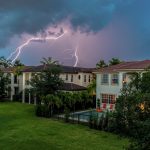 Lightning photography tips I’ve learned from living in South Florida
Join the Discussion
DIYP Comment Policy
Be nice, be on-topic, no personal information or flames.