
















Google’s Project Genie Lets You Explore AI Worlds Using Your Images. But Proceed With Caution.
Feb 2, 2026
Alysa Gavilan
Alysa Gavilan has spent years exploring photography through photojournalism and street scenes. She enjoys working with both film and mirrorless cameras, and her fascination with the craft has grown over the decades. Inspired by Vivian Maier, she is drawn to capturing everyday moments that often go unnoticed.
Share:
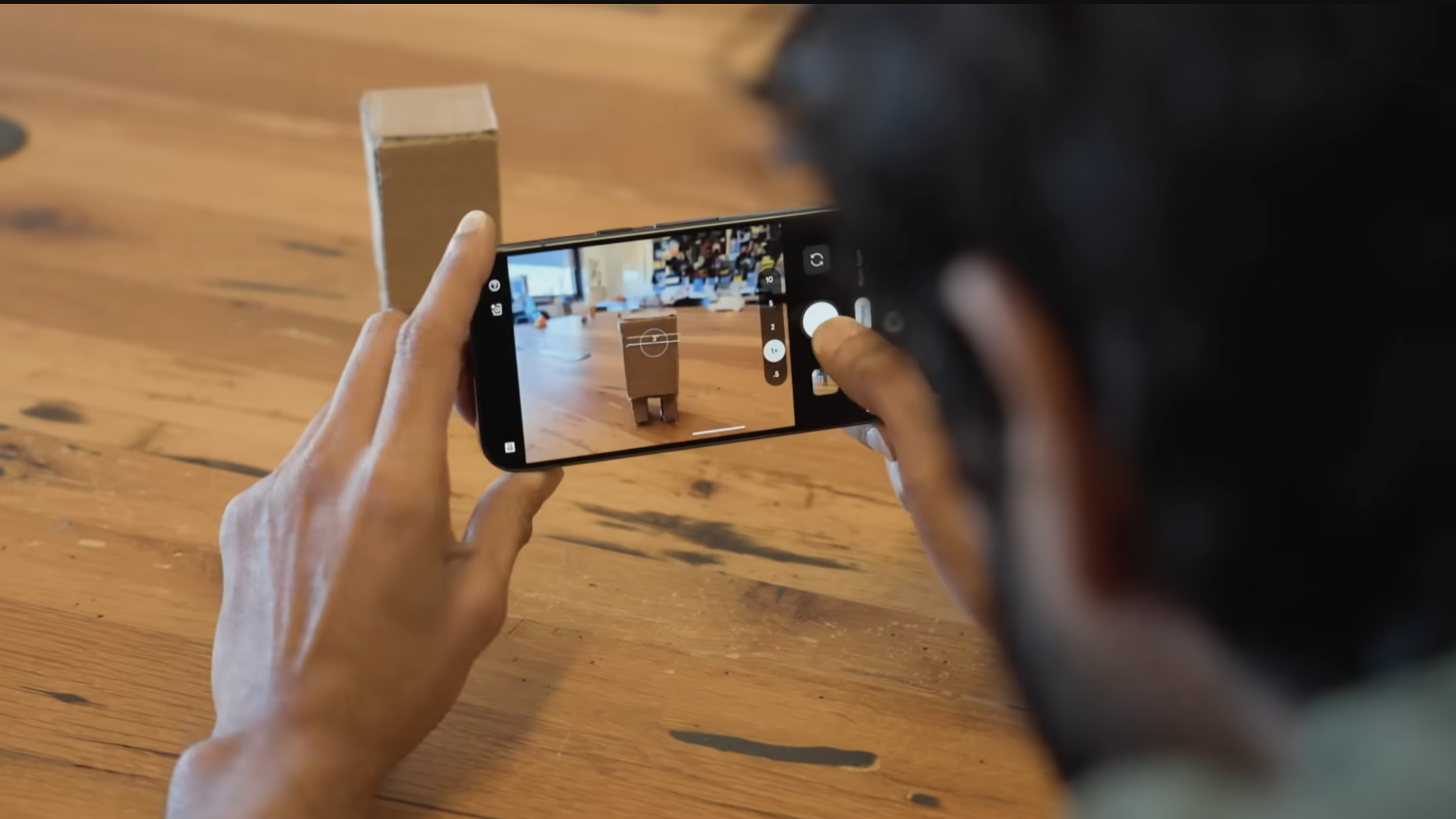
Google is inviting users to step into new, interactive environments with Project Genie, an experimental prototype designed to let you create, explore, and remix your own digital worlds.
Powered by the advanced Genie 3 world model, this tool transforms the way you interact with generative environments, offering a hands-on experience that blends imagination, AI, and real-time simulation.
Access begins today for Google AI Ultra subscribers in the US aged 18 and older, marking an early step in the company’s ongoing research into immersive, generative worlds.
How Project Genie Brings Worlds to Life
At its core, Project Genie leverages world models to simulate the dynamics of environments. These models predict how spaces evolve and respond to actions, allowing you to navigate worlds that change as you move through them.
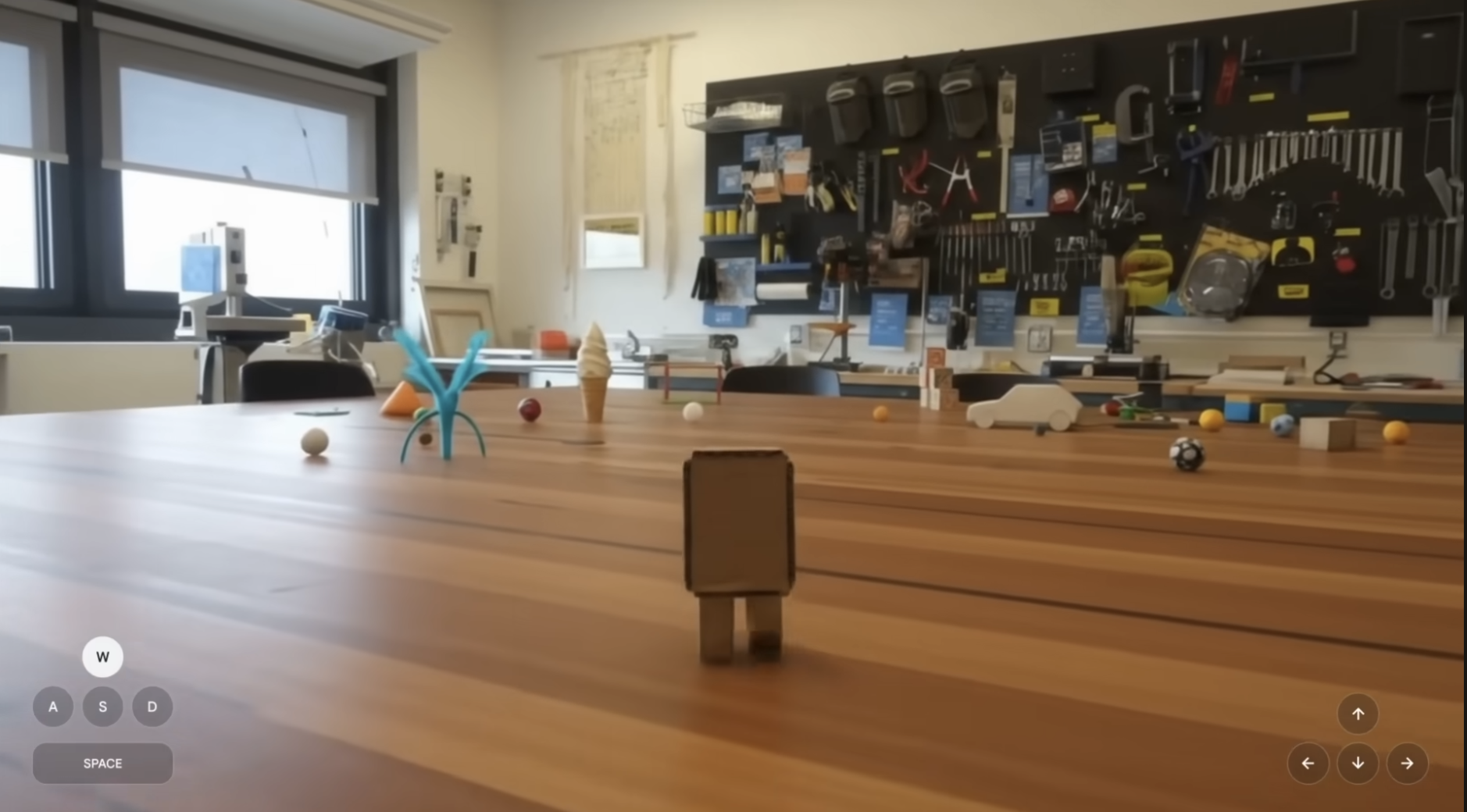
Unlike traditional 3D snapshots or static simulations, Genie 3 generates environments in real time. You can interact with objects, manipulate physics, and even explore historical or fictional settings with surprising depth and consistency.
The technology builds on Google DeepMind’s history of AI agents trained for specific games and tasks, extending that expertise into general-purpose models that aim to replicate the richness and complexity of the real world.
For users, this means you can create anything from a futuristic cityscape to a historically accurate village, or even a surreal, dreamlike environment, all of which responds to your actions and perspective.
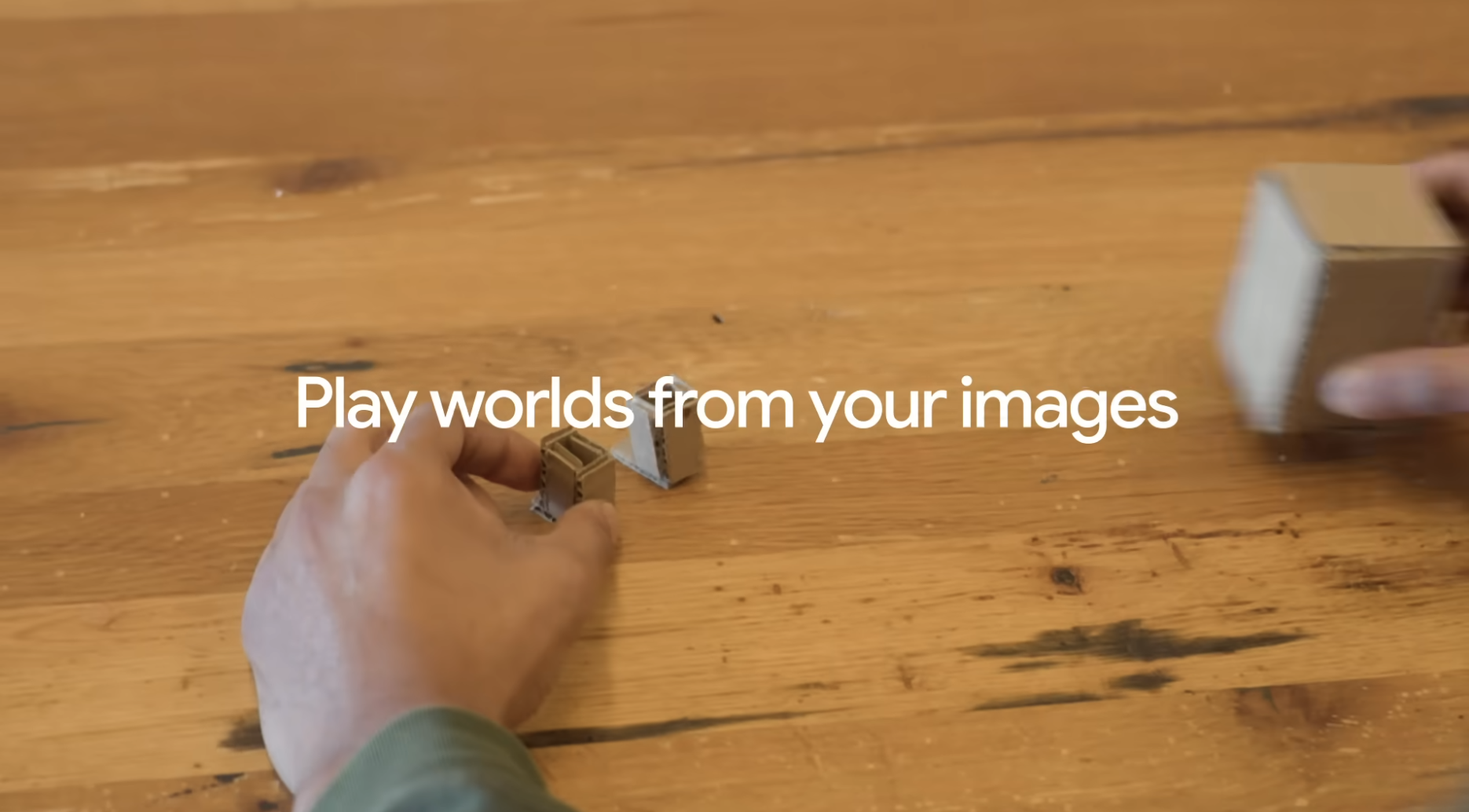
World Sketching: Your Ideas, Visualized
Project Genie offers World Sketching, a feature that lets you define your environment using both text prompts and uploaded images. You can design your character, outline the layout of your world, and determine how you want to navigate it, whether walking, flying, or driving.
For more precise control, the system integrates Nano Banana Pro, allowing you to preview your world, tweak the visuals, and adjust the perspective before diving in. First-person, third-person, or other viewpoints are all possible, giving you a tailored way to experience your creation.
This level of pre-visualization can be particularly valuable for creative professionals, educators, and content creators who want to experiment with scene composition, lighting, and narrative flow in a dynamic setting.
Exploring and Remixing Worlds
Once a world is sketched, World Exploration lets you navigate it in real time.
The environment unfolds as you move, with dynamic generation ensuring that the world responds to your choices. Camera controls are flexible, allowing you to adjust how you view your surroundings and your interactions with objects or characters.
In addition to creating original worlds, World Remixing allows you to build on existing creations. You can modify prompts, add elements, or transform worlds entirely, encouraging collaboration and experimentation.
You can also explore curated galleries or generate random worlds for inspiration, then capture videos of your journeys to share or review.
Risks and Considerations
As an experimental research prototype, Project Genie has known limitations. Generated worlds may not always match your prompts perfectly or follow realistic physics, and character control can sometimes feel delayed.
Session lengths are capped at 60 seconds for now, and some advanced features, like dynamic events that change the world during exploration, are not yet included.
Users should also be aware that immersive experiences can create sensory or cognitive overload, particularly when exploring complex or visually dense environments for extended periods.
While the platform offers creative potential, it remains a research tool and not a fully polished product. Responsible use, frequent breaks, and realistic expectations are important when interacting with these experimental worlds.
Looking Ahead With Caution
While Project Genie opens new doors for creative experimentation, it also serves as a reminder that generative AI is still in its early stages.
For photographers, visual artists, and storytellers, the platform may offer a novel way to test perspectives, lighting, and composition, but the results may be unpredictable. Worlds can behave unexpectedly, simulations may not always adhere to real-world physics, and advanced features are still limited.
For now, Project Genie is best approached as a sandbox for experimentation rather than a production-ready tool.
If you choose to explore it, do so with curiosity but maintain a wary eye on its limitations. The potential is impressive, but as with all experimental AI, the outcomes are not guaranteed and the creative risks are part of the experience.
[Photos via Google]
See more from DIYPhotography.net on Google
Add DIYPhotography.net as a trusted source. This makes
our stories more likely to appear in your Google Search results.
 Add as a preferred source on Google

Alysa Gavilan
Alysa Gavilan has spent years exploring photography through photojournalism and street scenes. She enjoys working with both film and mirrorless cameras, and her fascination with the craft has grown over the decades. Inspired by Vivian Maier, she is drawn to capturing everyday moments that often go unnoticed.
Related Posts
 This free web tool lets you explore bias in AI-generated images
 Instagram now lets you control how much sensitive content you’ll see in Explore
 Fujifilm’s simulation website lets you explore all your favourite Fujifilm looks
 EarthCam’s new camera shoots massive 80-gigapixel images – Here’s one of New York to explore
Join the Discussion
DIYP Comment Policy
Be nice, be on-topic, no personal information or flames.