




















Color Me Excited – Two New Color Films for 35mm Cameras
Oct 6, 2025
David Prochnow
Our resident “how-to” project editor, David Prochnow, lives on the Gulf Coast of the United States in Ocean Springs, Mississippi. He brings his expertise at making our photography projects accessible to everyone, from a lengthy stint acting as the Contributing How-To Editor with Popular Science magazine. While you don’t have to actually build each of his projects, reading about these adventures will contribute to your continued overall appreciation of do-it-yourself photography. A collection of David’s best Popular Science projects can be found in the book, “The Big Book of Hacks,” Edited by Doug Cantor.
Share:
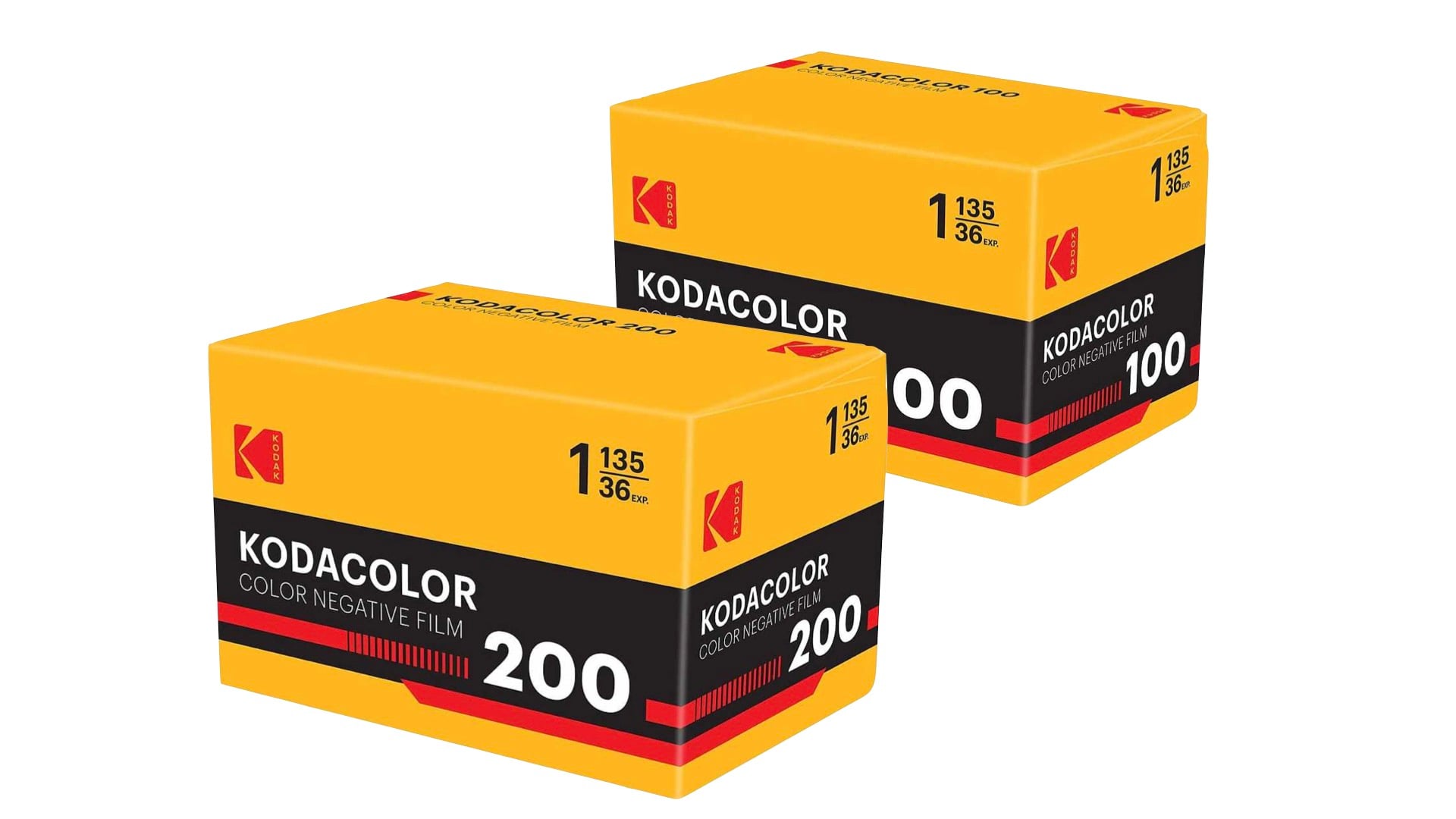
Two new color negative emulsions are here (or, soon to arrive) for photographers from Kodak. Each one is packaged in a 36-exposure, DX-coded cartridge with a small amount of variety in each one’s sensitivity. They are formally known as: Kodak KODACOLOR 100 and Kodak KODACOLOR 200.
Based on the names of each film, you can quickly derive the stated film speed; KODACOLOR 100 has an ISO 100 rating, while KODACOLOR 200 has an ISO 200 film speed. Furthermore, each film uses C-41 color development chemistry for easy home or lab processing.
[Related Reading: LomoChrome Classicolor 200: Lomography’s New ISO 200 Film Offers a Fresh Take for Film Photographers]
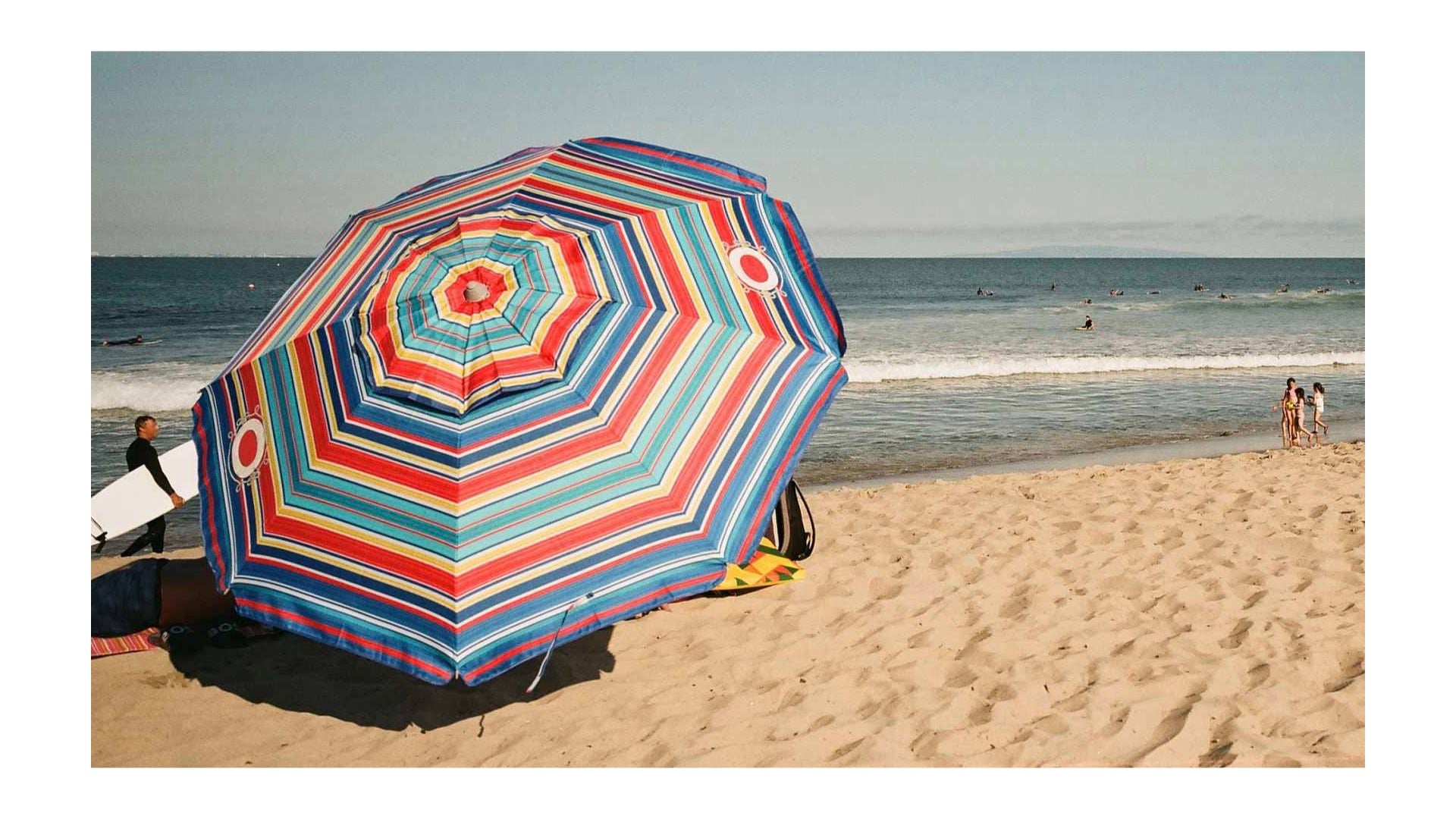
Priced at $8.99 for these Kodak films, the purchase availability for each film is a mixed bag. While you can buy KODACOLOR 200 right now, KODACOLOR 100 should be for sale, shortly.
New Packaging or New Film?
Are the two “new” Kodak films merely repackaging of ProImage 100 and ColorPlus 200 or brand new emulsions? Only a thorough testing of these new color negative films will solve the answer to this riddle. As for the official word, Kodak claims that both KODACOLOR 100 and KODACOLOR 200 have “fine grain and saturated colors.” Regardless of which color film meets your requirements, they are both perfectly timed releases for helping film photographers capture the colorful sights of the upcoming Holiday 2025 season.
Enjoy.
See more from DIYPhotography.net on Google
Add DIYPhotography.net as a trusted source. This makes
our stories more likely to appear in your Google Search results.
 Add as a preferred source on Google

David Prochnow
Our resident “how-to” project editor, David Prochnow, lives on the Gulf Coast of the United States in Ocean Springs, Mississippi. He brings his expertise at making our photography projects accessible to everyone, from a lengthy stint acting as the Contributing How-To Editor with Popular Science magazine. While you don’t have to actually build each of his projects, reading about these adventures will contribute to your continued overall appreciation of do-it-yourself photography. A collection of David’s best Popular Science projects can be found in the book, “The Big Book of Hacks,” Edited by Doug Cantor.



Join the Discussion
DIYP Comment Policy
Be nice, be on-topic, no personal information or flames.