





















Digital Camera Market Growth Outpaces Smartphone Innovation
Oct 6, 2025
Darlene Lleno
Darlene Lleno brings a unique perspective to DIY Photography as someone who grew up surrounded by camera gear but chose words over lenses. With five years of writing experience, she specializes in photography content that’s both technically informed and genuinely passionate. Growing up with a photographer twin brother meant camera talk was everyday conversation in her household. While he mastered capturing moments, Darlene discovered she preferred being the subject and the storyteller behind the scenes. As a travel enthusiast and mother of two, she understands the importance of preserving life’s precious moments. When not exploring new destinations or writing for DIY Photography, you’ll find her reading or tending to her garden. Her approach to photography writing is refreshingly authentic, she may not be behind the camera, but she knows exactly what it takes to help others capture the shots that matter most.
Share:

Digital camera sales find new life in professional segments while smartphone photography capabilities mature. This shift shows how photographers and content creators seek specialized features beyond mobile devices.
Recent market data reveals interesting trends in photography equipment. Certain camera segments grow while smartphone camera improvements slow down. Professional work drives this change.
Smartphone photography faces physical limits that technology can’t overcome. Small sensors and basic lenses restrict creative options. Professional photographers need reliability that mobile devices struggle to provide consistently.
Read more: Digital Camera Market Growth Outpaces Smartphone InnovationDigital Camera Advantages Become More Important
The camera industry focuses on areas where phones face real limitations. Larger sensors capture more light and detail. Interchangeable lenses provide creative freedom. Professional controls give precision that touchscreens can’t match.
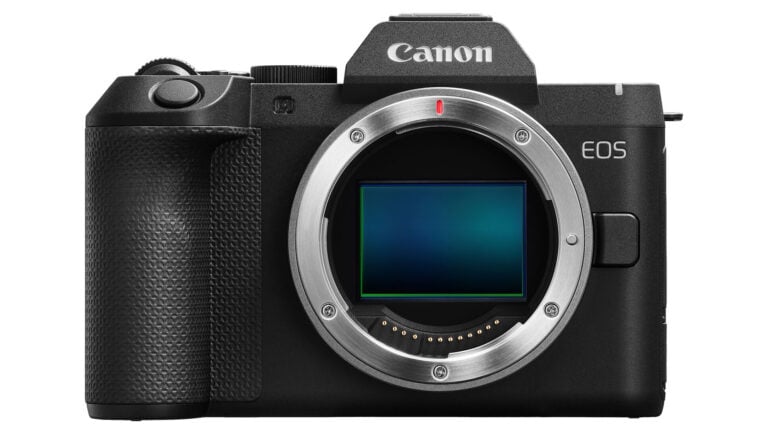
Modern Canon cameras excel in low light conditions where smartphones struggle. Full-frame sensors collect significantly more light than phone cameras. This advantage shows immediately in challenging shooting situations.
Battery performance separates professional cameras from mobile devices. Digital camera systems power through extended shoots without degradation. Phone batteries drain quickly under intensive camera use.
Content Creators Drive Professional Camera Demand
YouTube creators and streamers discover that camera choice directly affects their success. Audiences notice quality differences between phone footage and professional camera output. Content creators invest in digital camera systems to maintain competitive advantages.
Professional video features separate dedicated cameras from mobile options. Cinema cameras offer color grading capabilities and recording formats that smartphones cannot match. External audio inputs exceed mobile limitations significantly.
Wedding photographers require equipment reliability that smartphones cannot guarantee consistently. Professional shoots happen once without second chances. Camera systems provide backup options and steady performance under pressure.
Professional Photography Market Continues Recovery
Event photography rebounds after pandemic restrictions ease. Weddings, corporate events, and social gatherings return with renewed demand. Photographers upgrade equipment to meet client expectations and quality standards.
Portrait photographers benefit from lens variety that smartphones cannot replicate. Different focal lengths create unique perspectives and flattering results. Professional lighting systems integrate seamlessly with camera controls.
Commercial photography requires image quality that business clients expect for marketing materials. Product photography and architectural work demand resolution and detail that phone cameras cannot deliver consistently. Professional clients recognize and pay for quality differences.
Smartphone Photography Reaches Technical Limits
Mobile phone cameras hit physical constraints that software improvements cannot overcome alone. Sensor size limitations restrict light gathering ability. Computational photography has boundaries that dedicated hardware surpasses.
Exposure control on smartphones remains limited compared to professional camera systems. Manual settings provide precision that automatic modes cannot achieve. Creative photography requires independent control over aperture, shutter speed, and ISO.
Lens limitations become apparent in challenging situations. Smartphone zoom relies on digital processing that reduces image quality. Optical zoom lenses on digital camera systems maintain sharpness across focal length ranges.
Low Light Performance Shows Clear Gaps
Night photography reveals the biggest differences between smartphones and dedicated cameras. Larger sensors produce clean images at high ISO settings. Phone cameras generate noise and artifacts in challenging lighting conditions.
Astrophotography remains extremely difficult on smartphones due to sensor limitations. Star photography and celestial imaging require long exposures that phones cannot handle effectively. Professional cameras excel in these specialized applications.
Street photography in low light conditions demonstrates clear advantages for larger sensor cameras. Shadow detail and highlight retention exceed smartphone capabilities significantly. Professional photographers notice these differences immediately.
Creative Control Separates Professional Results
Manual focus control provides photographers precision that smartphone autofocus cannot match. Focus stacking and selective focus techniques require dedicated camera controls. Professional work demands this level of creative control.
Depth of field control separates professional results from smartphone limitations. Large aperture lenses create natural background blur that computational photography cannot replicate convincingly. Portrait subjects notice the difference in professional work immediately.
Professional studio photography requires external lighting systems that integrate with camera controls. Studio workflows depend on equipment reliability and consistent results.
Mirrorless Technology Advances Digital Camera Capabilities
Mirrorless camera systems combine professional features with compact designs. Electronic viewfinders provide real-time exposure previews. Silent shooting modes work perfectly for weddings and quiet environments.
Lens adapter compatibility expands creative possibilities for photographers. Vintage lenses work seamlessly with modern mirrorless bodies. This flexibility attracts photographers who want unique character in their images.
Video capabilities in modern mirrorless cameras exceed smartphone performance significantly. Professional codec options and external recording capabilities serve content creators who demand broadcast quality results.
Autofocus Technology Benefits Professionals
Modern mirrorless autofocus systems track subjects with precision that smartphones cannot match. Eye detection works reliably for portrait photography. Animal eye detection helps wildlife photographers capture sharp results consistently.
Sports photography benefits from advanced tracking modes that follow fast action accurately. Burst shooting speeds capture decisive moments that single-shot smartphones miss regularly. Professional sports photography requires this level of performance.
Silent autofocus operation works perfectly for wildlife photography where camera sounds disturb subjects. Telephoto lenses provide reach that smartphone cameras cannot achieve without significant image quality loss.
Professional Lens Systems Offer Versatility
Professional lens lineups offer focal length options that cover comprehensive photographic needs. Wide-angle architecture photography requires lenses that smartphones cannot replicate. Telephoto wildlife photography demands reach that phones cannot provide effectively.
Macro photography requires specialized lenses that capture extreme detail at high magnification ratios. Product photography and scientific applications demand this capability regularly. Smartphone macro modes cannot match dedicated lens performance.
Specialty lenses like tilt-shift options provide creative control for architectural photography. Perspective correction and selective focus effects require optical solutions that software cannot replicate convincingly.
Content Creation Standards Continue Rising
Social media platforms increasingly favor high-quality content that performs better in algorithmic feeds. Creators discover that professional camera footage receives more engagement than smartphone videos. Platform monetization often depends on content quality that exceeds mobile capabilities.
Live streaming demands consistent quality that smartphones cannot maintain during extended broadcasts. Professional cameras provide stable output without thermal throttling or battery concerns. Content creators invest in reliability for their business success.
Brand partnerships require content quality that meets commercial advertising standards. Companies expect professional results from influencers and creators they sponsor. Digital camera systems provide the quality that maintains these valuable business relationships.
Professional Audio Integration Advantages
External microphone compatibility separates professional content creation from smartphone limitations. Audio quality significantly affects viewer engagement and retention. Professional creators use dedicated audio equipment that integrates with camera systems.
Video lighting equipment requires compatibility that works seamlessly with camera controls. Smartphone video lighting options remain limited and inconsistent in performance. Professional lighting setups provide repeatable results for commercial work requirements.
Multi-camera shooting setups require synchronization capabilities that smartphones cannot achieve reliably. Professional video production uses multiple camera angles that increase production value and viewer engagement significantly.
Market Segments Show Different Growth Patterns
Premium compact cameras find success among photographers who want professional quality without interchangeable lens complexity. Travel photographers appreciate weather sealing and build quality that exceeds smartphone durability. These cameras serve specific market needs that phones cannot address effectively.
Film photography experiences renewed interest among younger photographers seeking authentic analog experiences. Film cameras provide hands-on shooting processes that digital phones cannot replicate. This trend supports specialty camera market segments.
Medium format camera systems grow among professional photographers who demand ultimate image quality. Fashion and commercial photography often requires resolution and dynamic range that smaller sensors cannot provide effectively.
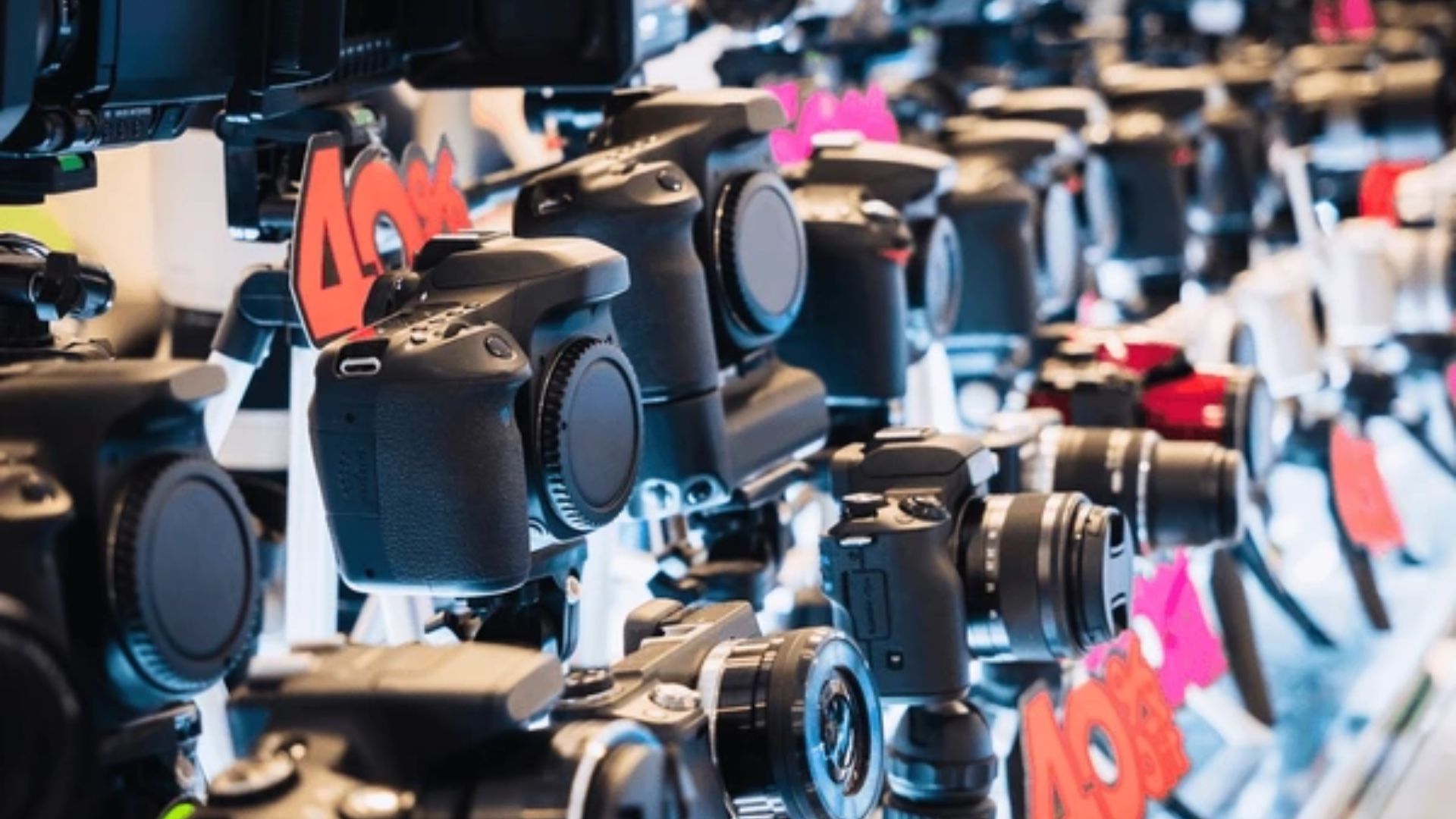
Market growth follows specific patterns based on real user needs:
- Professional photographers upgrade equipment to meet evolving client demands
- Content creators invest in cameras to improve their work quality and competitiveness
- Serious hobbyists choose dedicated cameras over phones for superior results
- Event photography recovery drives professional equipment purchases
- Video creators need advanced features that smartphone cameras cannot provide
Professional Support Networks Enable Growth
Camera rental services support professional photographers who need specialized equipment occasionally. High-end cameras and lenses represent significant investments that rental services make accessible. This market infrastructure supports continued professional equipment development.
Photography education drives camera sales as students learn on industry-standard professional equipment. Photography schools require students to use professional tools that employers expect graduates to understand. This educational market segment provides consistent demand.
Repair and maintenance services support professional photographers who depend on equipment reliability for their businesses. Professional camera systems offer serviceability and longevity that smartphones typically cannot match. This support infrastructure maintains professional market viability.
Technology Development Exceeds Smartphone Capabilities
Camera manufacturers invest in capabilities that smartphones cannot replicate due to physical form factor constraints. Advanced autofocus systems and professional video features provide clear differentiation from mobile alternatives.
Artificial intelligence integration assists professional photographers while maintaining manual control options. Focus tracking improvements and exposure optimization help professionals without replacing creative decision-making. This balanced approach appeals to serious photographers who want assistance without automation.
Connectivity features allow cameras to integrate with smartphone workflows for convenient sharing and basic editing. Photographers can enjoy mobile device convenience while using professional equipment for image capture. This hybrid workflow approach satisfies modern usage requirements.
Recent technology developments demonstrate clear professional advantages:
- Advanced autofocus systems that track subjects with professional precision
- Superior low-light performance through physically larger sensor designs
- Professional video features that smartphone form factors cannot accommodate
- Weather sealing for reliable outdoor work in challenging environmental conditions
- Extended battery systems that support long professional shooting sessions
Professional Build Quality and Long-Term Value
Professional cameras offer equipment longevity that smartphones cannot match due to rapid upgrade cycles. Camera bodies and professional lenses remain functional and valuable for many years with proper maintenance. This sustainability appeals to photographers who want lasting equipment investments.
Weather sealing protects professional equipment during challenging outdoor photography assignments. Professional work often occurs in environmental conditions that regularly damage consumer smartphones. Dedicated cameras withstand environmental stress that phones cannot handle reliably.
Modular system designs allow photographers to upgrade specific components without replacing entire camera systems. Professional lens investments retain value across multiple camera body generations. This upgradeability provides long-term financial value that smartphone replacement cycles cannot match.
Market Research Supports Professional Camera Demand
According to CIPA (Camera & Imaging Products Association), certain digital camera segments show resilience despite overall smartphone market dominance. Professional and mirrorless camera categories demonstrate continued demand from serious photographers and content creators.
Market analysis from Statista indicates that while overall camera shipments remain below smartphone volumes, professional camera segments maintain stable demand. This data confirms the trend toward specialized professional camera applications.
Professional Camera Market Outlook
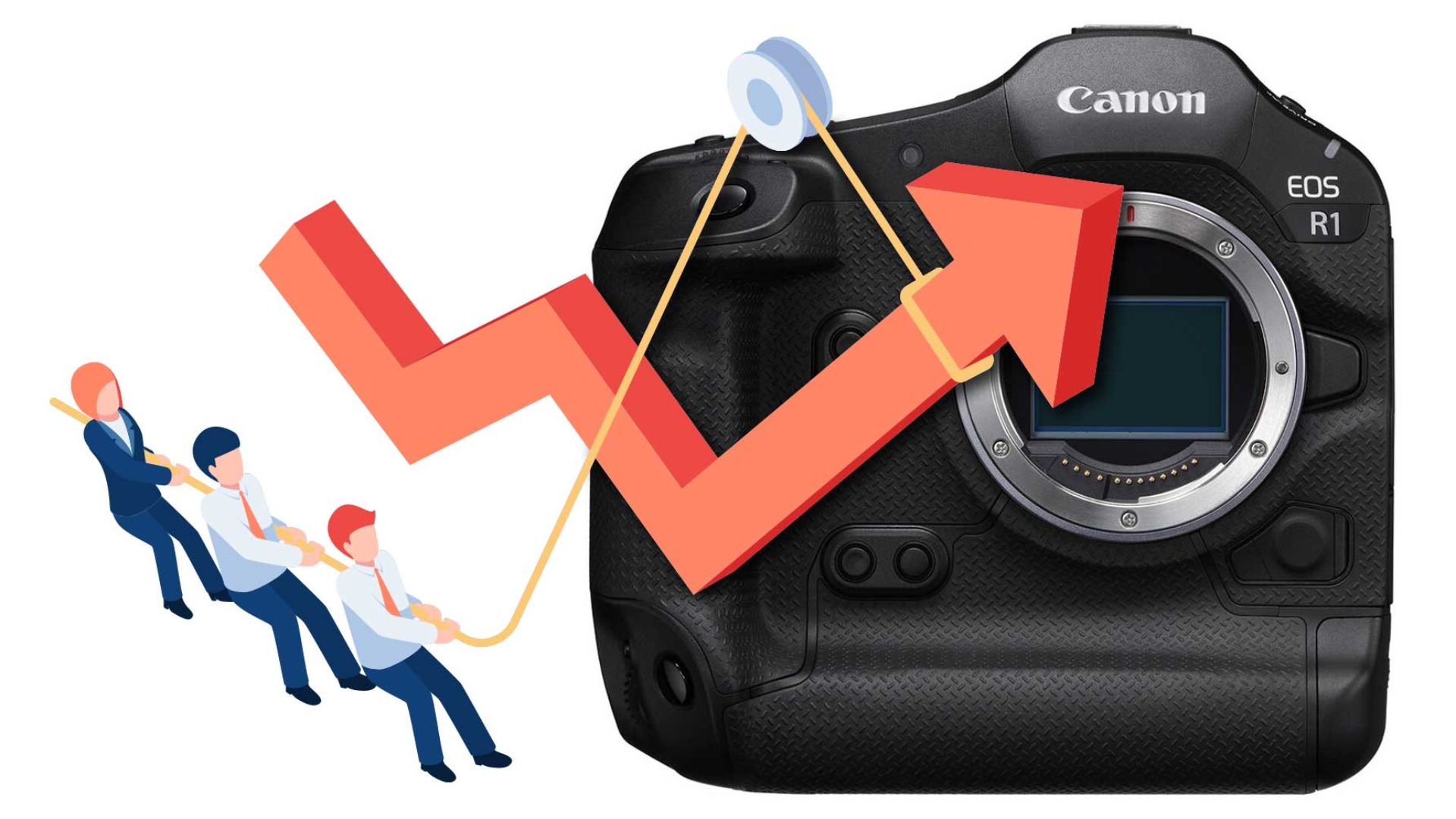
Digital camera market resilience in professional segments reflects genuine advantages that dedicated equipment provides over smartphone alternatives. Professional applications, creative control requirements, and image quality demands drive sustained demand for camera systems that exceed mobile device capabilities.
Smartphone photography continues improving within physical limitations imposed by mobile form factors. However, professional and serious creative applications require capabilities that small mobile devices cannot provide effectively. This market segmentation supports continued camera industry development and growth.
Wireless connectivity integration provides convenience benefits while preserving professional camera quality advantages. Modern photographers can enjoy smartphone convenience for sharing and basic editing while using dedicated digital cameras for serious professional image capture work.
Digital Camera Market Reality Check
Professional photographers, content creators, and serious photography enthusiasts recognize that digital camera systems provide capabilities that justify equipment investments. Image quality, operational reliability, and creative control options support equipment costs for users who depend on superior photographic results.
The market development occurs because digital camera systems solve real professional problems that smartphone cameras cannot address effectively. Professional work requirements drive equipment demand that smartphone market dominance cannot eliminate from specialized photography applications.
See more from DIYPhotography.net on Google
Add DIYPhotography.net as a trusted source. This makes
our stories more likely to appear in your Google Search results.
 Add as a preferred source on Google

Darlene Lleno
Darlene Lleno brings a unique perspective to DIY Photography as someone who grew up surrounded by camera gear but chose words over lenses. With five years of writing experience, she specializes in photography content that’s both technically informed and genuinely passionate. Growing up with a photographer twin brother meant camera talk was everyday conversation in her household. While he mastered capturing moments, Darlene discovered she preferred being the subject and the storyteller behind the scenes. As a travel enthusiast and mother of two, she understands the importance of preserving life’s precious moments. When not exploring new destinations or writing for DIY Photography, you’ll find her reading or tending to her garden. Her approach to photography writing is refreshingly authentic, she may not be behind the camera, but she knows exactly what it takes to help others capture the shots that matter most.
Related Posts
 Why the new FUJIFILM GFX 100 medium format camera is a real innovation
 A new innovation in the history of the camera strap: the finger cuff
 Watch how technology changes: Kodak’s vintage commercial shows their innovation from the ’60s – the Flashcube
 No, smartphone cameras will never dominate the camera market
Join the Discussion
DIYP Comment Policy
Be nice, be on-topic, no personal information or flames.