
























Buy a Dead Camera: Breathe New Life into an “As-Is” Steal
Jun 7, 2025
David Prochnow
Our resident “how-to” project editor, David Prochnow, lives on the Gulf Coast of the United States in Ocean Springs, Mississippi. He brings his expertise at making our photography projects accessible to everyone, from a lengthy stint acting as the Contributing How-To Editor with Popular Science magazine. While you don’t have to actually build each of his projects, reading about these adventures will contribute to your continued overall appreciation of do-it-yourself photography. A collection of David’s best Popular Science projects can be found in the book, “The Big Book of Hacks,” Edited by Doug Cantor.
Share:

If it’s broke…don’t fix it! Yes, this flies in the face of conventional wisdom, but with regards to a vintage camera, following this bit of sage advice can save you both money and heartache. This “leave it alone” philosophy is made acutely valid in the case of most “as-is” used camera purchases. Case in point, please consider these two categories of a “broken” vintage camera. Specifically, once you come to grips with judging the merits of a used as-is camera, you can laugh all of the way to the bank with your financial savings. It’s time to steal an as-is deal.
Broadly speaking, used as-is cameras can be subdivided into two general classifications: “useable within expectations” and “stay as far away from it as you can get.” The latter subdivision is fairly easy to interpret. If you find a used camera that is visually missing parts/pieces, won’t operate (e.g., advance film, focus, set a shutter speed, etc.), or is generally, physically icky don’t buy it. No matter how tempting the price sounds, you’re on a oneway train ride bound to the outskirts of heartache and misery.
On the other hand, the “useable within expectations” category is a used camera where you’ll have to overlook a couple of warts, but it’s a solid buy at a steal price. Exactly what kind of “warts” will you have to overlook? Some wear marks, scratches, or other surface blemishes and dead electronics and a broken light metering system. “No, metering system,” you scream. Now take it easy, these are all very minor inconveniences for gaining new life from this vintage as-is camera. All you have to do is go all manual.
No Batteries, No Problems
One enticing benefit of a used camera with broken electronics and a dysfunctional light meter is that you won’t need any batteries…anymore…ever. That’s a terrific cost savings and environmental benefit. Furthermore, you shouldn’t try to fix or repair these non-operational electrical/electronic components, either. Why? You’ll just be wasting your money on an as-is camera. Typically, it isn’t necessary for most vintage cameras to have a functional light meter or operational system electronics in order to take photographs. “OK, how do I know which cameras will work and which cameras won’t work,” you query. That’s easy, just read the manual.
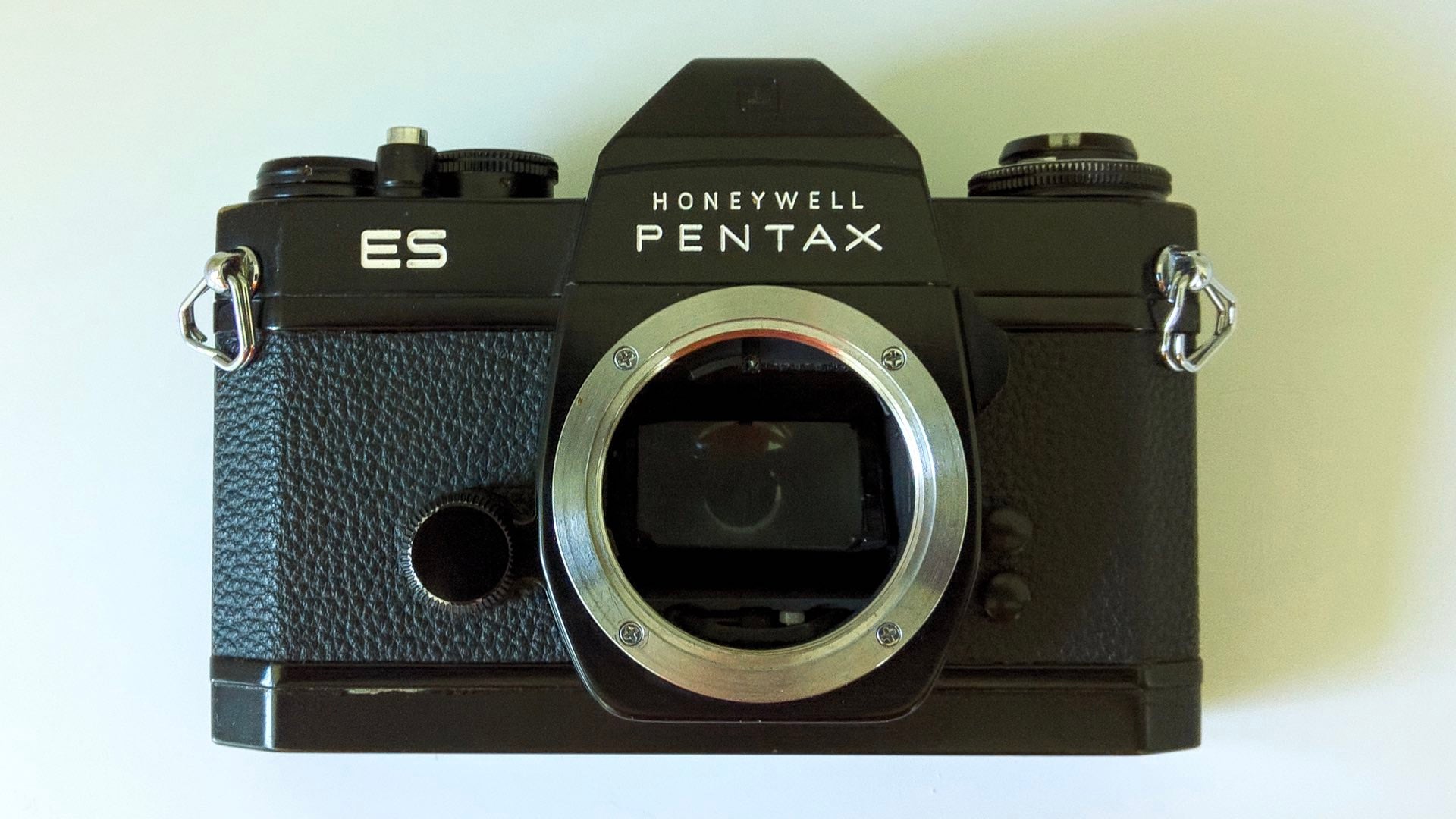
And that manual is just a click away. For years, Mike Butkus has been assembling a massive vintage camera library of user guides, operating manuals, and other photographic support materials. Each of these items are in a universally-readable Adobe Portable Document Format (PDF) file that can be downloaded and read on your smartphone. There is one caveat: please pay Mike for his service. Paying for your “FREE” manual is neither painful nor extravagant. Simply drop $20 in an envelope and mail it to his address. Or, you can opt for a digital form of payment via PayPal. Regardless, once you’re armed with your as-is camera’s manual, you should look for an indication from the manufacturer that the camera can be operated without battery power support.
The three types of dead-battery cameras that you will find are:
1. An uncoupled light meter. These are the most common vintage cameras and they will all take photographs without a battery-powered light meter. The shutter speeds are manually set and triggered and your preferred lens will set the aperture. Simple and effective as-is cameras in this condition can be regularly found on the used market for $1 – $30.
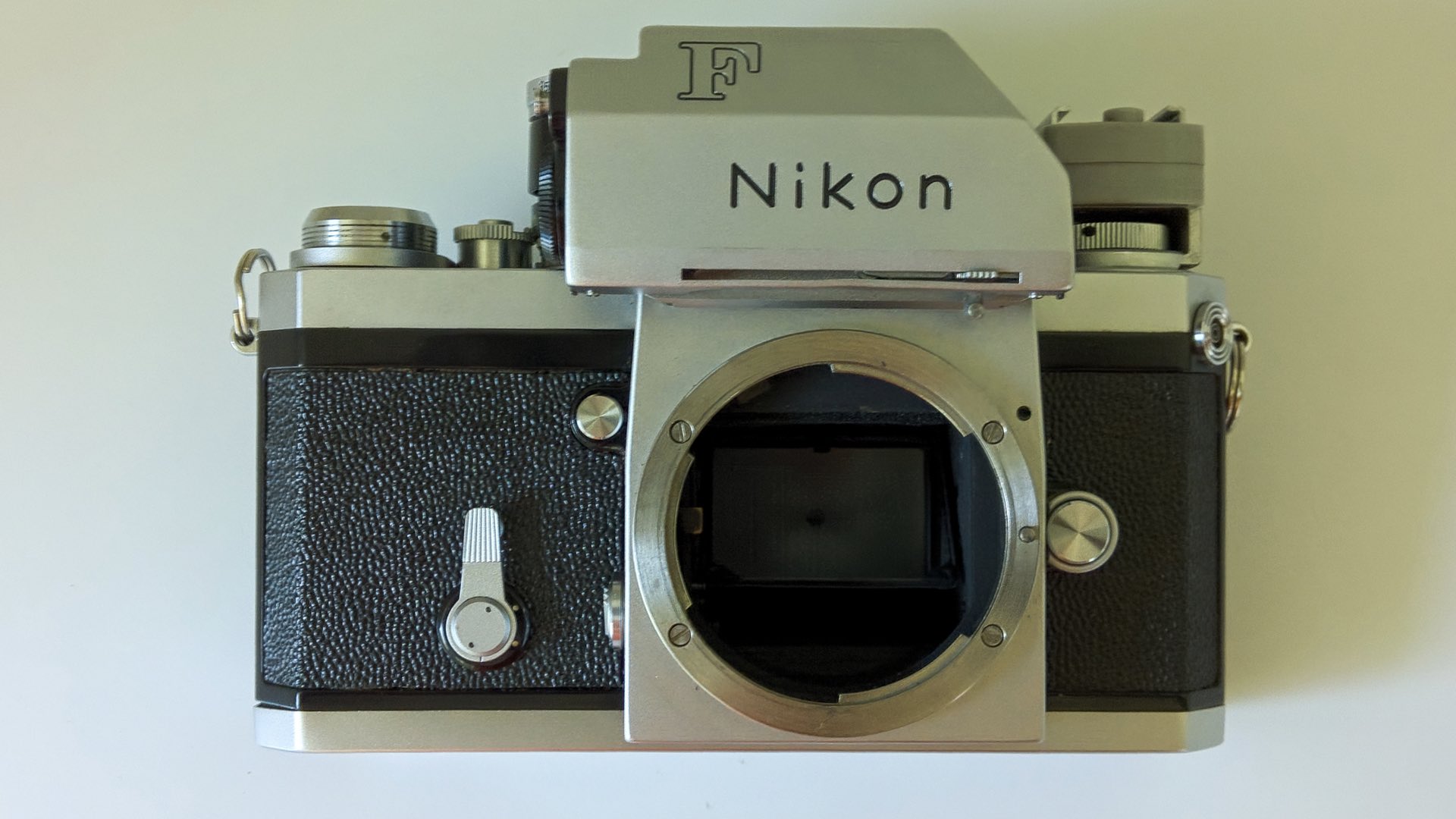
2. An electronically driven camera. The ability to manually use this type of camera depends upon a little-used failsafe mechanism that is built into most of these cameras. Most of these cameras will have a fixed shutter speed that will work without any battery power. These speeds are usually: 1/30, 1/50, 1/60, or 1/100 of a second. Only one of these shutter speed selections will be available on a camera. Therefore, you are limited in film and subject matter flexibility with a manually operated vintage all-electronic camera. Expect to see used prices $5 – $60 for this type of camera.
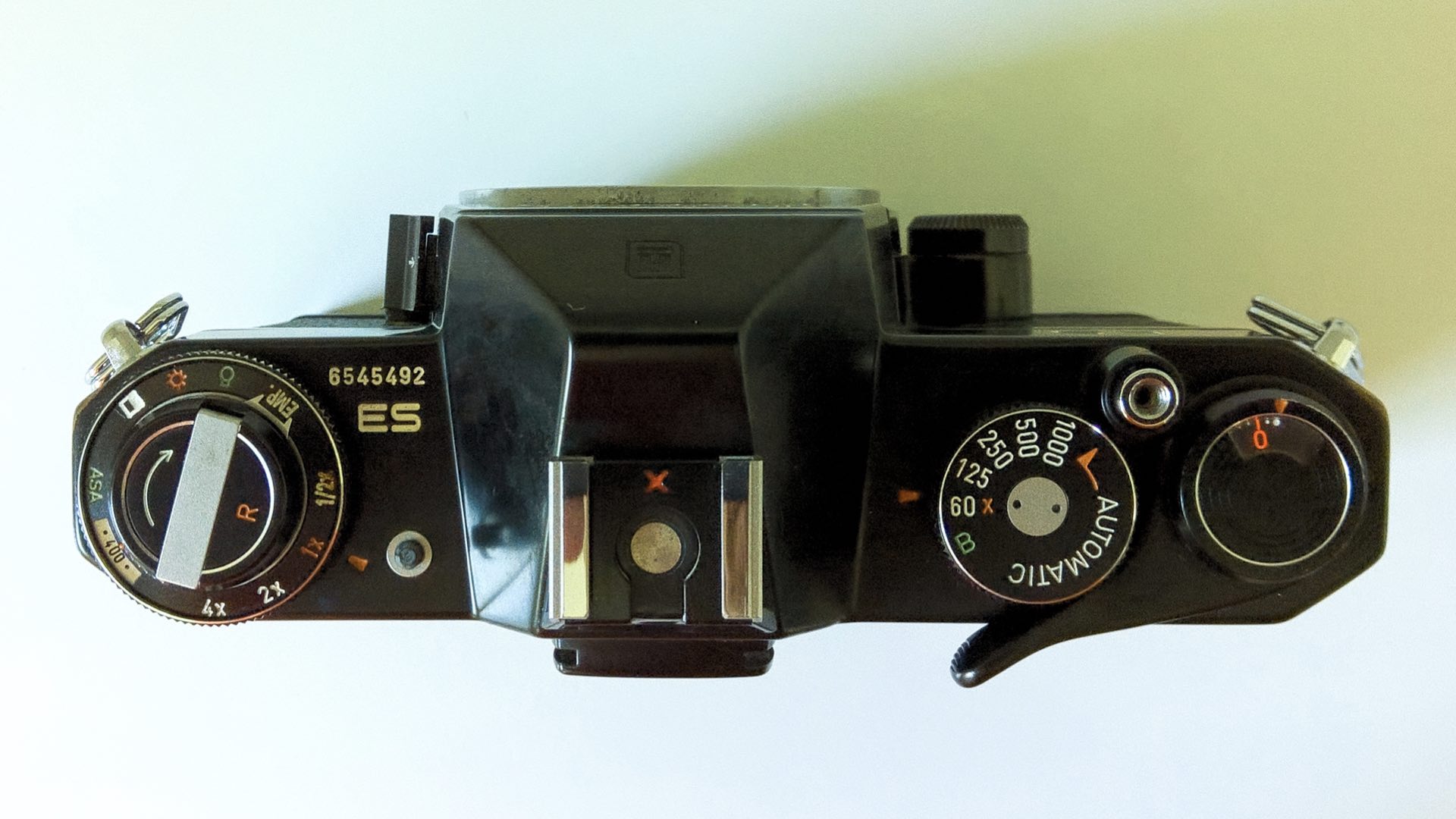
3. A coupled light meter. This is the rarest find of “useable” as-is camera. Most won’t manually work without a functional light meter. Thankfully, there are some models that include a working aperture along with a fixed manual shutter speed. Unfortunately, some of these cameras only provide a Bulb (B) shutter speed. Others include both Bulb and 1/30 of a second fixed shutter speeds. Just add a tripod to this setup and you’ve converted your as-is camera into a photographic steal. Prices on the used market for this type of as-is camera range between $10 – $100.
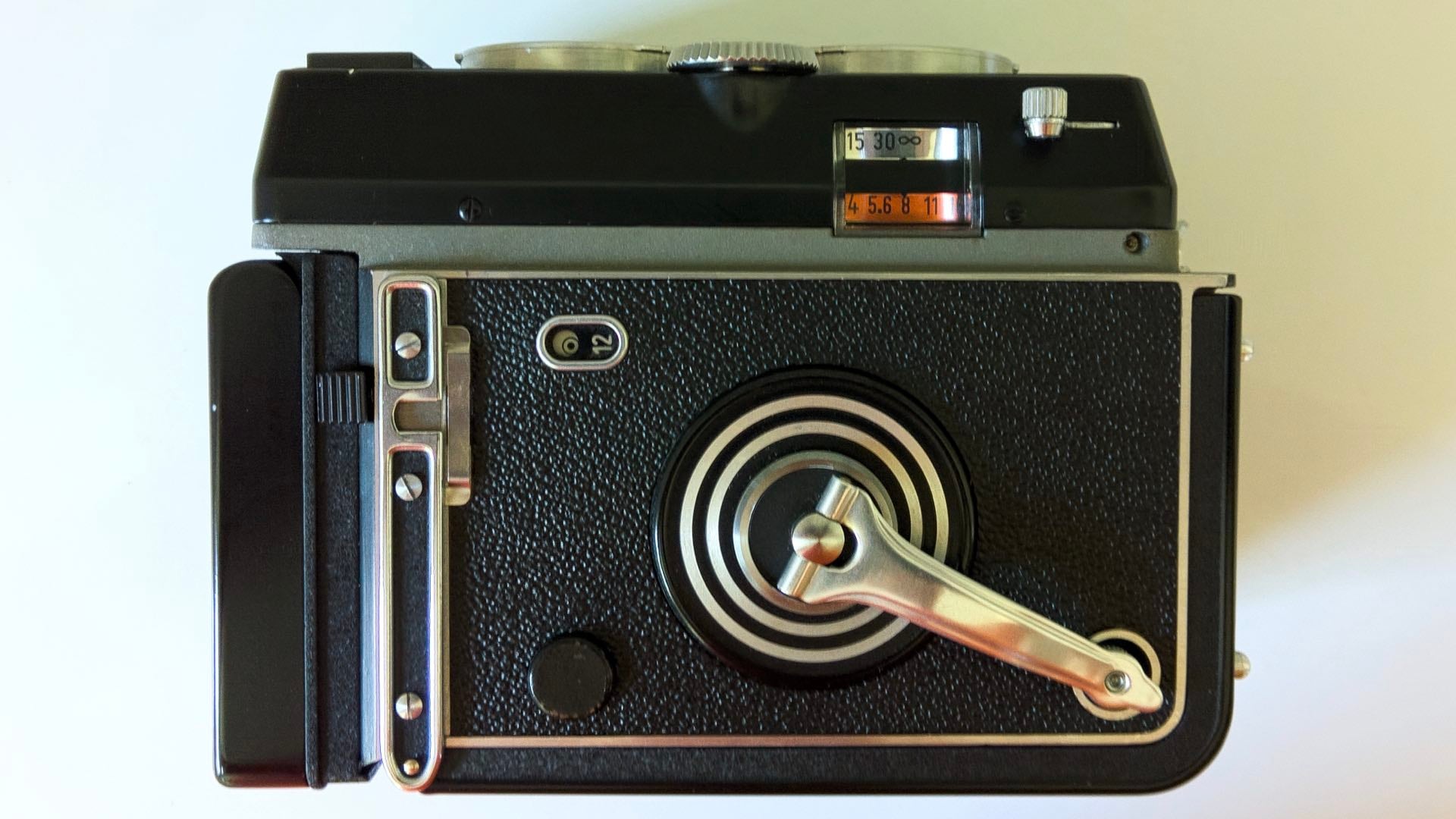
Finally, you shouldn’t feel abandoned with a light-meter-less camera. By adding a modern light meter, like a KEKS shoe-mounted KM-Q meter, you can quickly sample light conditions and input those readings into your battery-less used as-is camera. And the world’s landfills will thank you.
Enjoy.
See more from DIYPhotography.net on Google
Add DIYPhotography.net as a trusted source. This makes
our stories more likely to appear in your Google Search results.
 Add as a preferred source on Google

David Prochnow
Our resident “how-to” project editor, David Prochnow, lives on the Gulf Coast of the United States in Ocean Springs, Mississippi. He brings his expertise at making our photography projects accessible to everyone, from a lengthy stint acting as the Contributing How-To Editor with Popular Science magazine. While you don’t have to actually build each of his projects, reading about these adventures will contribute to your continued overall appreciation of do-it-yourself photography. A collection of David’s best Popular Science projects can be found in the book, “The Big Book of Hacks,” Edited by Doug Cantor.
Related Posts
 Viewers “raging” over camera’s dead pixels in Zack Snyder’s Army of the Dead
 STOP! Don’t Buy the Nikon FTZ II Adapter, Buy This Camera Instead
 This Tiny Action Camera Will Seal Your Next Adventure and Steal All of Your Lunch Money
 Beware: scammers using Facebook Marketplace and Venmo to steal camera gear
Join the Discussion
DIYP Comment Policy
Be nice, be on-topic, no personal information or flames.