











Should You Upgrade Your Camera or Lens First?
Nov 19, 2026
Alysa Gavilan
Alysa Gavilan has spent years exploring photography through photojournalism and street scenes. She enjoys working with both film and mirrorless cameras, and her fascination with the craft has grown over the decades. Inspired by Vivian Maier, she is drawn to capturing everyday moments that often go unnoticed.
Share:
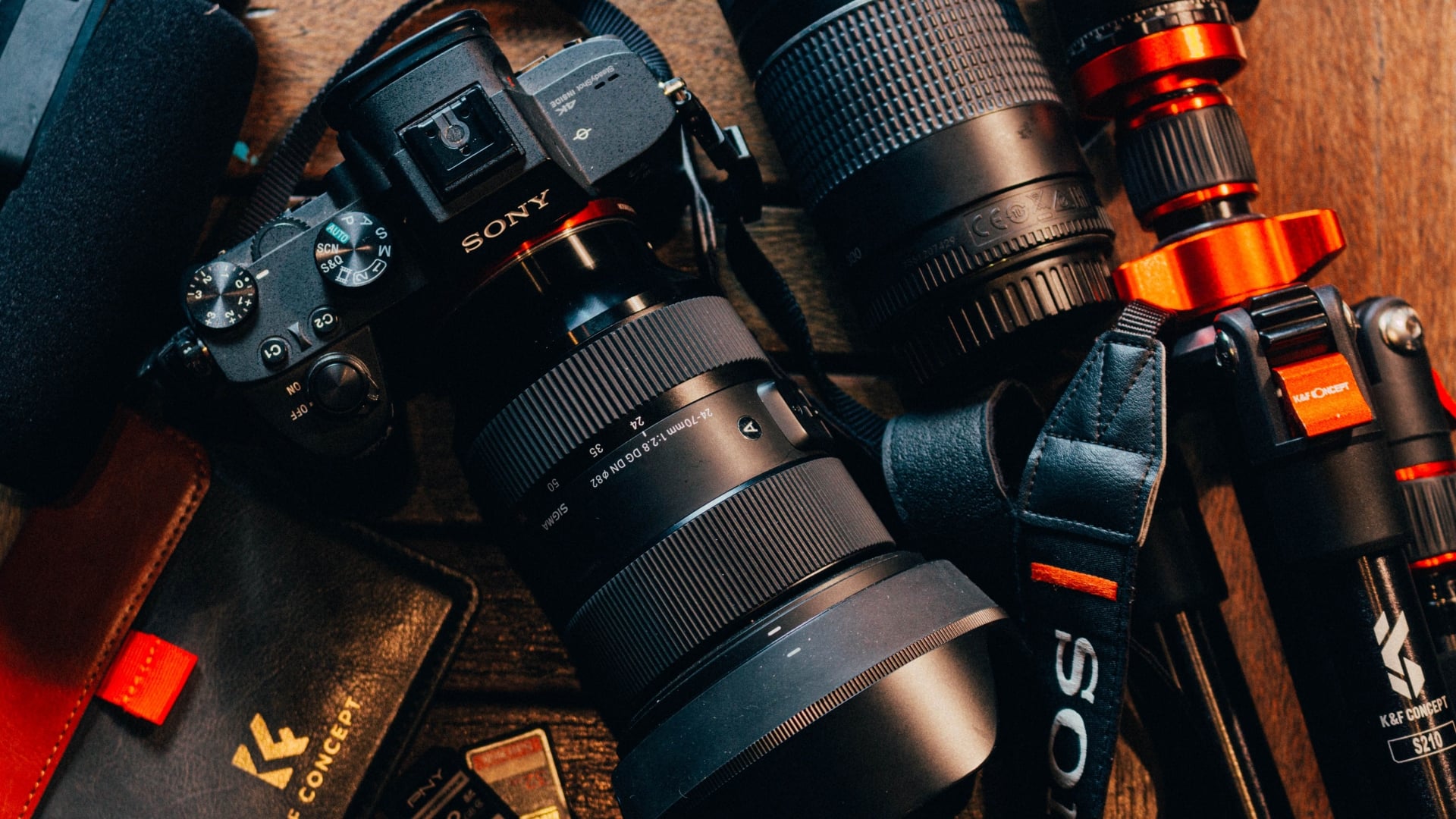
Buying a new camera can feel like the obvious way to improve your photography, but sometimes the lens you already own is holding you back.
In a recent video, photographer Pit Haupert breaks down seven common reasons people upgrade their camera gear, from wanting sharper images to getting better autofocus. His advice: figure out what you actually want to improve before spending money on a new body or lens.
The distinction matters because some upgrades are better handled by a lens, while others depend more heavily on the camera. Haupert looks at both sides and explains where photographers are likely to get the biggest improvement.
Want more background blur? Start with the lens
A larger sensor can produce more background blur than a smaller one when the field of view and aperture are equivalent. But the lens also plays a major role. Longer focal lengths and wider apertures can create shallower depth of field, even on an APS-C camera.
Haupert uses a 56mm f/1.7 lens as an example. With its 85mm full frame equivalent field of view, it can produce pronounced background blur without requiring a full frame camera. For photographers on a budget, a fast prime lens may be a more affordable upgrade than replacing the camera body.
Sharper photos do not always need more megapixels
Higher resolution sensors capture more detail and allow greater cropping flexibility. However, Haupert points out that many modern cameras already offer 20 megapixels or more. If images still look soft, the lens may be the problem.
Entry level kit lenses can be relatively soft, while an inexpensive prime can deliver sharper results. A high resolution camera paired with a sharp lens can provide even more detail, but upgrading the lens may be the more cost effective first step.
Better low light performance: camera or lens?
A larger, newer sensor can help reduce visible image noise at high ISO settings. A brighter lens, however, lets more light reach the sensor, allowing photographers to use faster shutter speeds or lower ISO settings.
Haupert recommends considering a prime lens with an aperture of f/1.4 or wider for low light photography. Primes are also often smaller than zoom lenses.
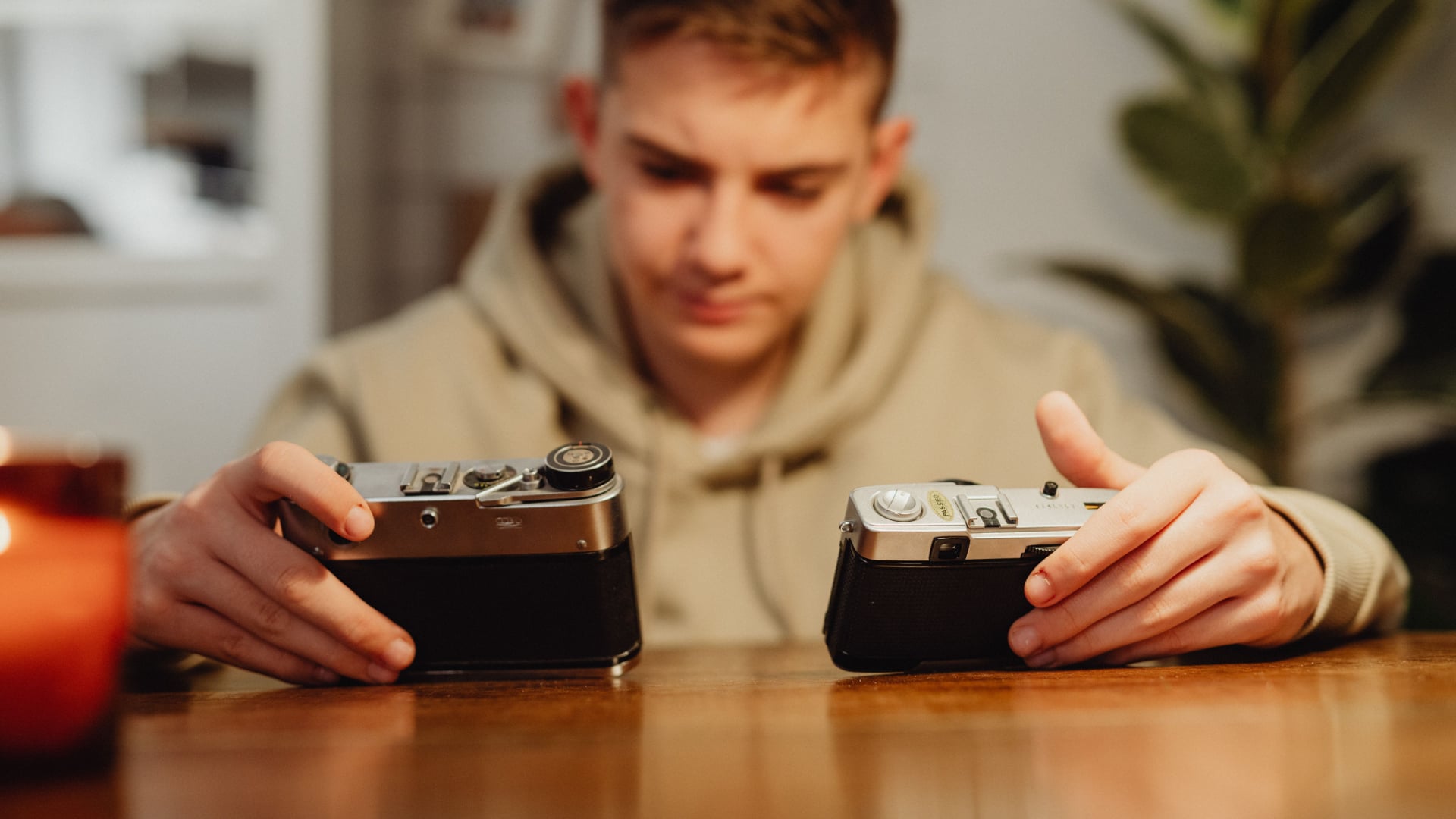
Some upgrades clearly favor the camera
For other needs, replacing the camera makes more sense. Autofocus performance depends on both the camera’s algorithms and the lens motor, but Haupert says he has found camera bodies make the bigger difference in his experience.
Weather sealing requires attention to both components. A sealed camera paired with an unsealed lens does not make a fully weather sealed setup.
Stabilization can also come from the camera’s in body image stabilization (IBIS), the lens, or both. Haupert favors IBIS because it lets him use unstabilized prime lenses without giving up stabilization.
Buy the upgrade you will actually use
A smaller lens, a more comfortable grip, better controls, or a larger viewfinder can all make photography more enjoyable. Those improvements may matter more to some photographers than technical specifications.
Before buying new gear, ask yourself what is missing from your current setup. Are you struggling with autofocus, low light, or sharpness? Or do you simply want a camera you enjoy carrying? The answer could save you from spending money on an upgrade that does not solve the problem.
See more from DIYPhotography.net on Google
Add DIYPhotography.net as a trusted source. This makes
our stories more likely to appear in your Google Search results.
 Add as a preferred source on Google

Alysa Gavilan
Alysa Gavilan has spent years exploring photography through photojournalism and street scenes. She enjoys working with both film and mirrorless cameras, and her fascination with the craft has grown over the decades. Inspired by Vivian Maier, she is drawn to capturing everyday moments that often go unnoticed.



Join the Discussion
DIYP Comment Policy
Be nice, be on-topic, no personal information or flames.