





















Haru Mini Retro Camera Promises What Kodak Charmera Cannot
Feb 16, 2026
Alysa Gavilan
Alysa Gavilan has spent years exploring photography through photojournalism and street scenes. She enjoys working with both film and mirrorless cameras, and her fascination with the craft has grown over the decades. Inspired by Vivian Maier, she is drawn to capturing everyday moments that often go unnoticed.
Share:

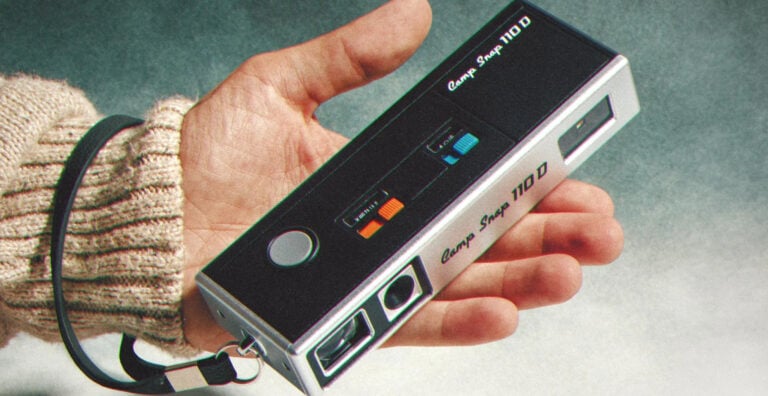
When you thought that there would be a pause in the release of pocketable digital cameras, the Haru Mini Retro Camera arrives to prove otherwise.
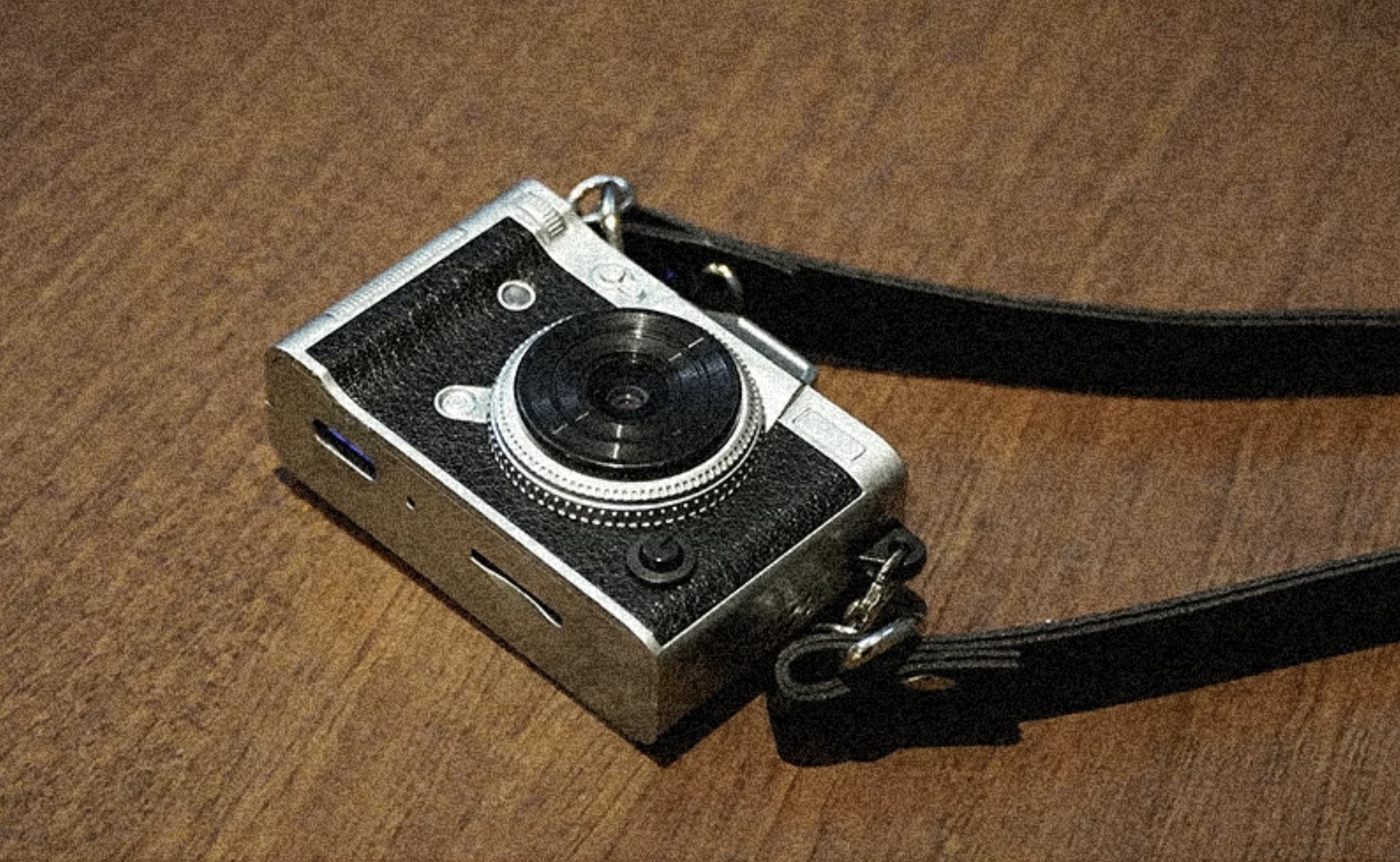
This miniature camera packs a 20‑megapixel sensor and 2K video recording into a body small enough to carry on a strap or in your pocket while still feeling like a real camera in your hand.
With a nostalgic aesthetic that recalls classic film cameras and a set of modern features more capable than what you’d expect at this price and size, the Haru Mini Retro offers a surprising blend of character and functionality compared to other micro shooters.
What It Is and How It Works
The Haru Mini Retro is designed for photographers who appreciate compact, fun photographic tools rather than traditional high‑end gear.
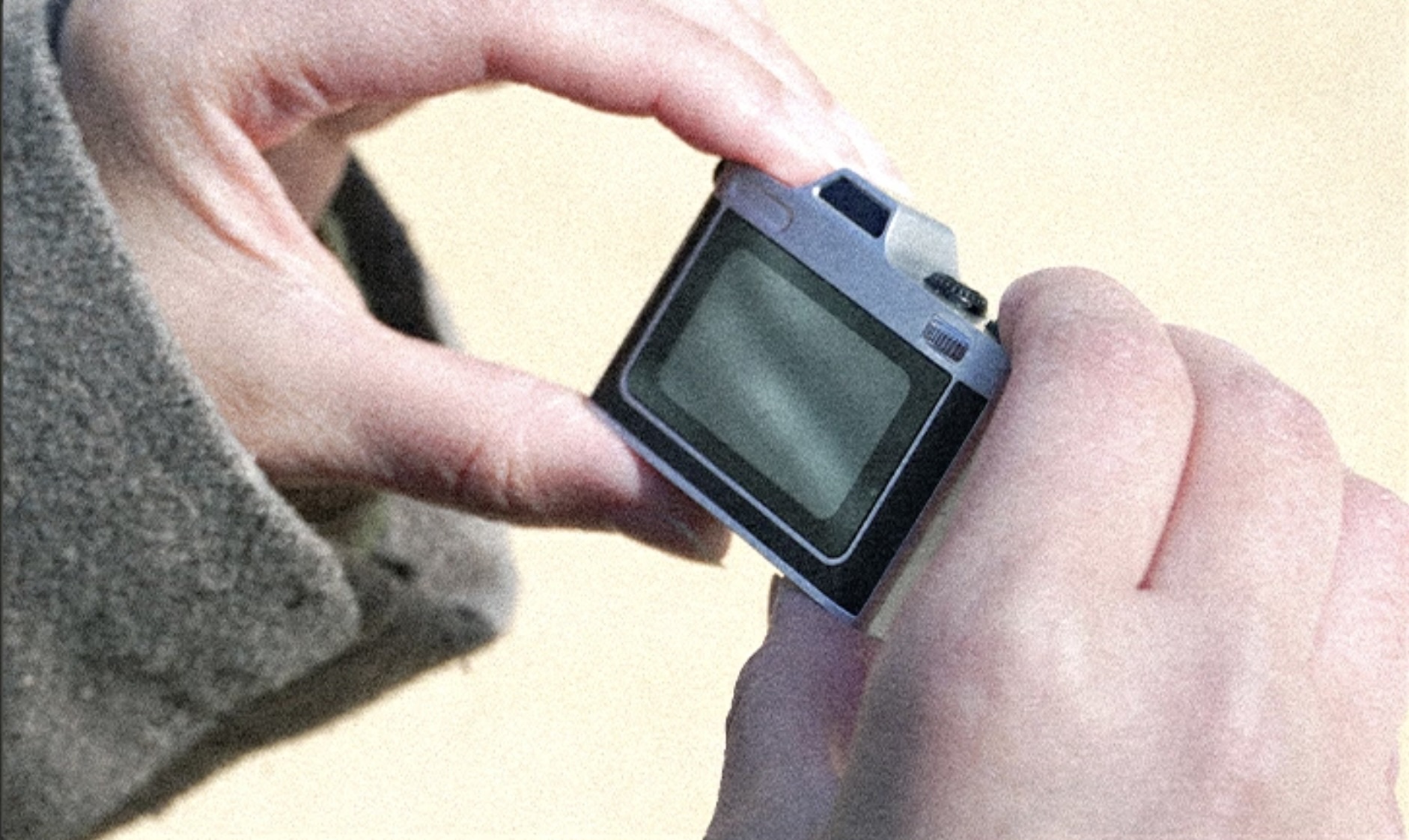
It weighs around 67 grams, which makes it easy to carry without being burdensome. The rear 1.47‑inch IPS screen lets you frame and review images, and the camera supports photo resolutions from 2 MP up to 20 MP and video recording in 2K, 1080p, or 720p formats.
The camera includes essentials such as a microSD card, neck and hand straps, and a data transfer connector that is compatible with newer iPhones, although that feature may not work with every device or operating system version.
A Type‑C port handles charging and file transfers, and the 200 mAh battery provides about 65 minutes of use per charge.
Despite its tiny size, the Haru Mini Retro functions as a real digital camera rather than a toy. It can even be used as a webcam when connected to a computer via USB‑C, making it versatile for casual creators.
Performance and Limitations
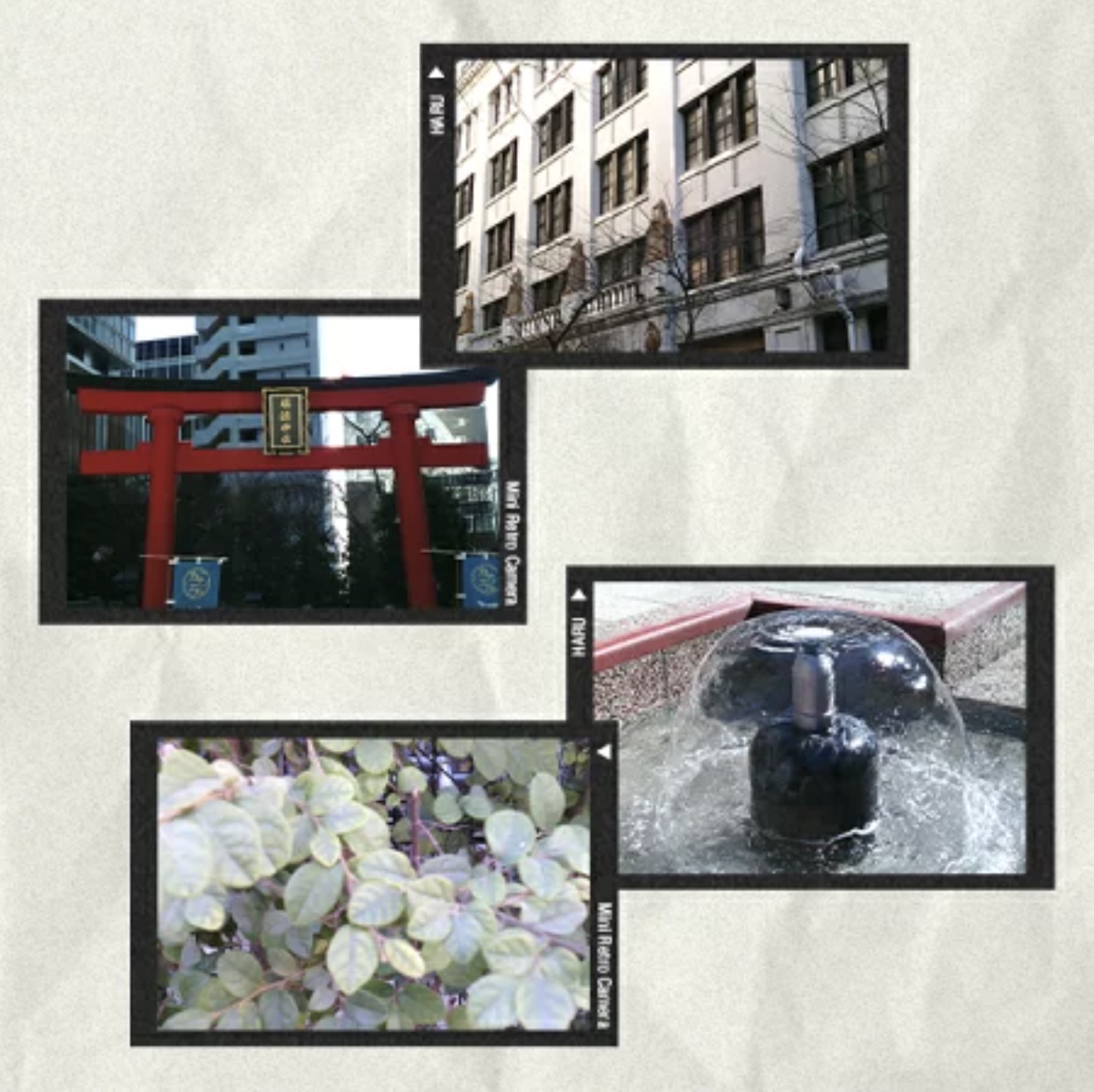
Early reports and hands‑on impressions indicate that you should keep your expectations grounded when it comes to image quality.
The small sensor and simple lens design limit dynamic range and low‑light performance compared with larger compacts or smartphones, and sample images suggest that the real‑world results may not reflect the full detail implied by a 20 MP label.
Image stabilization is not part of the feature set, so you will want to shoot in steady lighting conditions or use external support if possible.
Many of the physical controls and aesthetic elements are more decorative than functional, a choice that reinforces the camera’s retro look but can feel less intuitive if you are accustomed to feature‑rich modern interfaces.
Things to Consider Before You Buy
If you are contemplating a purchase, there are several factors to weigh so you understand what the Haru Mini Retro will and will not deliver:
Build and handle matter with tiny cameras. A lightweight body is great for portability, but mini cameras often lack robust environmental protections and can feel less sturdy in everyday use. Shock resistance and overall durability will influence how long the camera will last in active use.
The sensor size in devices this small is inherently tiny, which affects image quality more than the megapixel count alone. Higher pixel specifications on very small sensors do not necessarily translate into better real‑world resolution or low‑light performance.
Battery life is another practical consideration. The Haru Mini Retro’s battery provides around 65 minutes of use per charge, which is modest. If you plan to shoot regularly, you will need to manage charging carefully and consider carrying a power bank for extended outings.
Think about how you will transfer and manage files. Although the included data transfer cable is designed for convenience, compatibility is not guaranteed with every device or operating system version, so you may need to rely on manual offloading via microSD.
Finally, reflect on why you want this camera. If your goal is highly technical image quality, a traditional compact or mainstream tool will outperform the Haru in most scenarios. If you value charm, portability, and creative experimentation, this camera’s quirks may actually be part of the appeal.
Mini Cameras in Context
The Haru Mini Retro is part of a broader trend of pocketable, novelty digital cameras that have appeared in the last year.
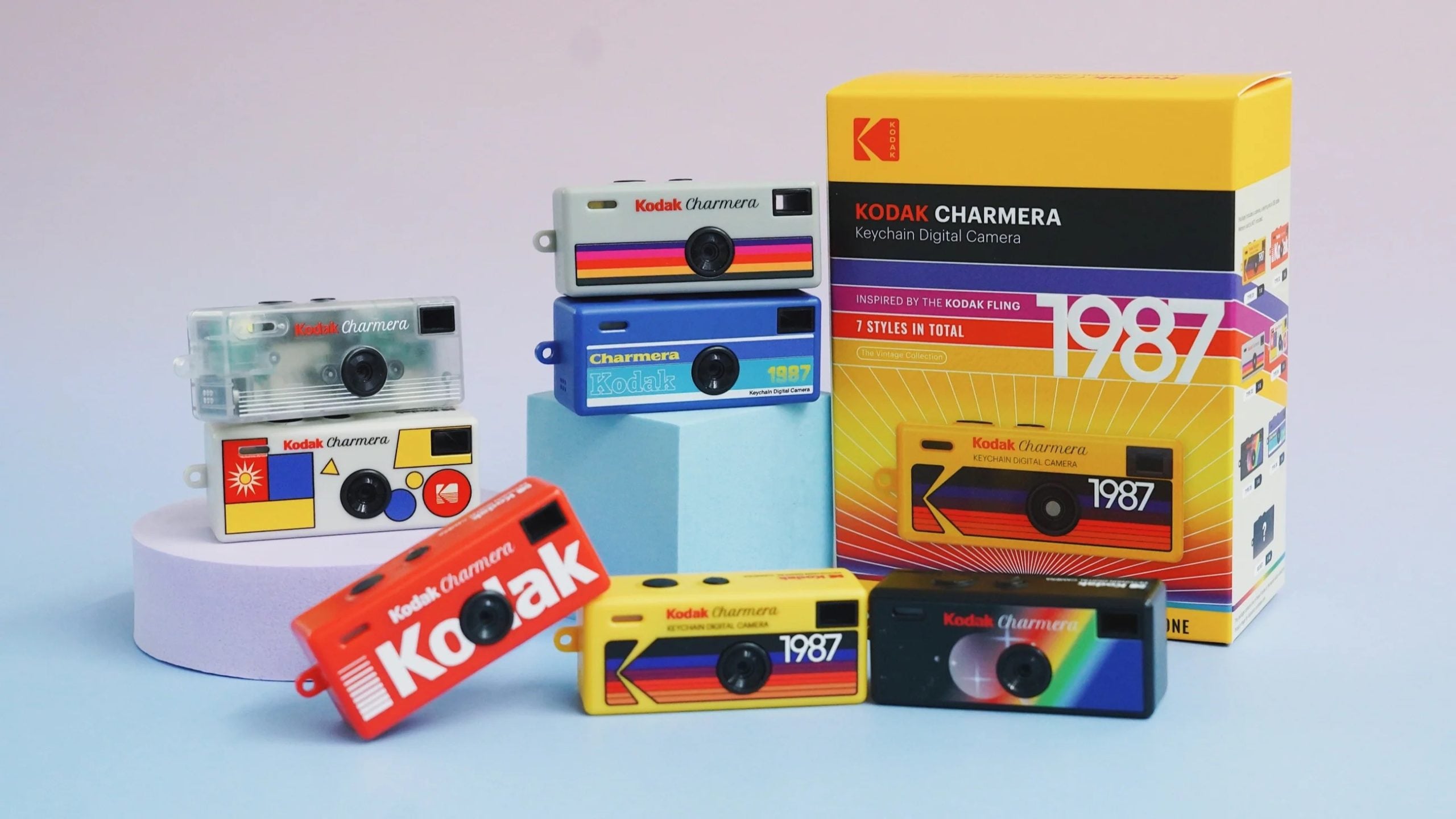
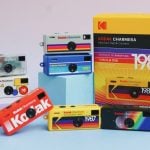
These include keychain‑style cameras like the Kodak Charmera, which became popular for its compact size and retro look, albeit with a much smaller sensor. Other tiny cameras from Japanese brands emphasize ultra‑lightweight bodies and collectible appeal, often prioritizing design over imaging performance. The OPT100 Neo Film Camera is another example, featuring a low‑resolution sensor in a body shaped like a 35 mm film roll.
What sets the Haru apart is its effort to push specs beyond novelty levels. Even so, its image quality remains modest compared with mainstream digital cameras and smartphones, and its value is strongest in playful, casual photographic use rather than technical precision.
The Haru Mini Retro Camera represents an intriguing case study in how design, nostalgia, and modern digital capability intersect. It challenges assumptions about how much imaging power can be packed into an ultra‑small package and demonstrates that there is room for creative expression outside traditional camera formats.
If your interest lies in casual photography, collectible gear, or playful tools that encourage you to think differently about image capture, the Haru Mini Retro is worth examining in context. Just be clear about its limitations and align your expectations with the realities of tiny sensor performance and modest feature sets.
See more from DIYPhotography.net on Google
Add DIYPhotography.net as a trusted source. This makes
our stories more likely to appear in your Google Search results.
 Add as a preferred source on Google

Alysa Gavilan
Alysa Gavilan has spent years exploring photography through photojournalism and street scenes. She enjoys working with both film and mirrorless cameras, and her fascination with the craft has grown over the decades. Inspired by Vivian Maier, she is drawn to capturing everyday moments that often go unnoticed.


Join the Discussion
DIYP Comment Policy
Be nice, be on-topic, no personal information or flames.