






















Xiaomi 17 Ultra Leica Edition Offers Large Sensors, Optical Zoom, and Versatile Shooting
Dec 31, 2025
Alysa Gavilan
Alysa Gavilan has spent years exploring photography through photojournalism and street scenes. She enjoys working with both film and mirrorless cameras, and her fascination with the craft has grown over the decades. Inspired by Vivian Maier, she is drawn to capturing everyday moments that often go unnoticed.
Share:

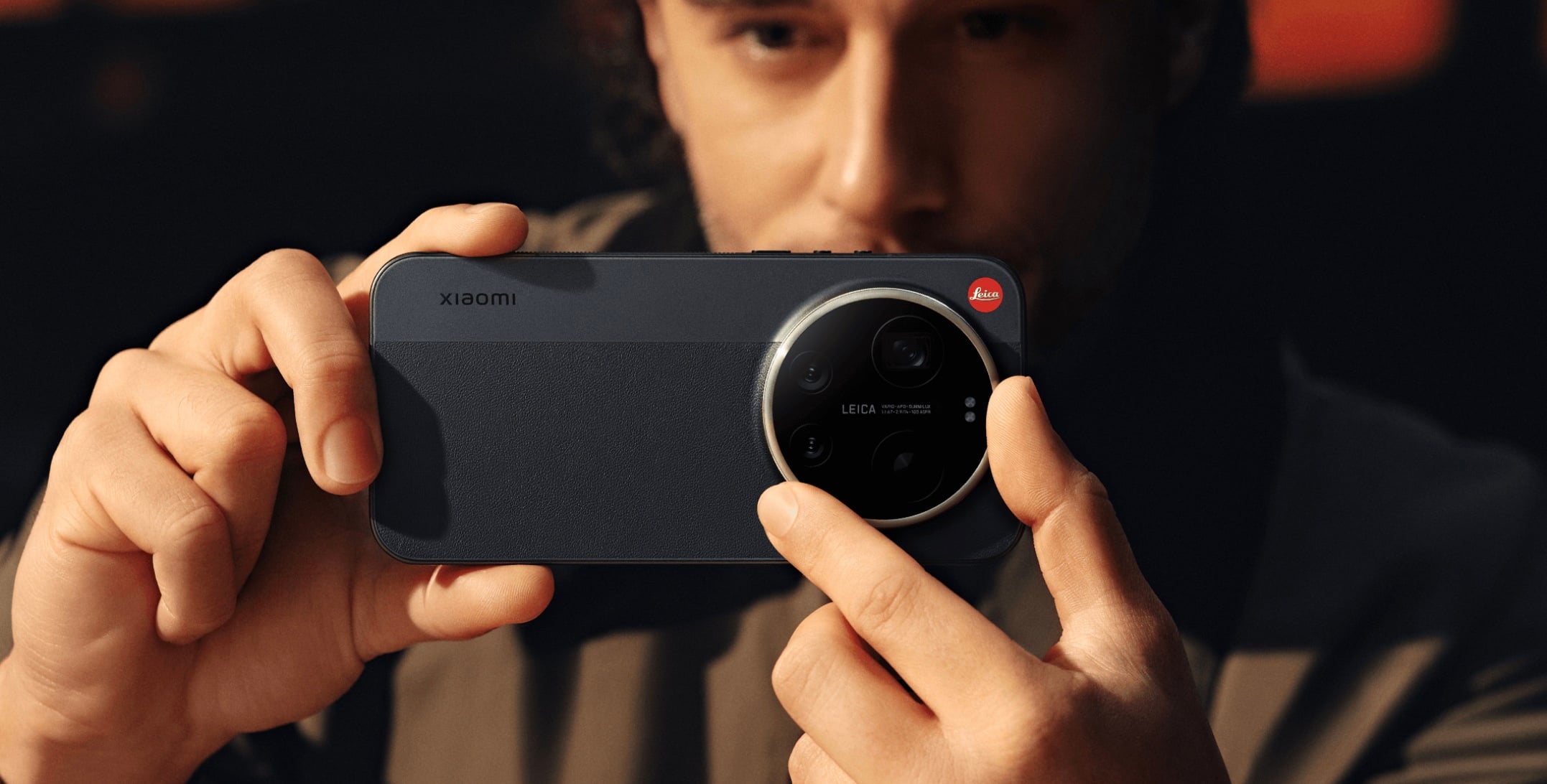
When Leica and Xiaomi team up on a smartphone camera system, photographers pay attention. The Xiaomi 17 Ultra brings a level of imaging ambition that resembles traditional cameras more than most phones, with a combination of large sensors, continuous optical zoom, and Leica-inspired controls that give you practical tools for serious photography in a pocketable format.
This isn’t just about adding another high megapixel count to a spec sheet. It’s about how lenses, sensors, and controls work together to shape the final image.
The 17 Ultra may still be branded as a phone, but its camera system reflects thoughtful engineering and pushes boundaries in mobile imaging. Below, we break down the key technical aspects that photographers and visual storytellers should know.
Sensor Architecture and Main Camera Performance
The heart of the Xiaomi 17 Ultra’s imaging prowess is its large main sensor co-developed with Leica. It uses a 1-inch Light Fusion 1050L sensor with 50 megapixels and a fast f/1.67 lens.
Larger sensors mean more light-gathering capacity, lower noise, and greater dynamic range compared with smaller sensors typically found in smartphones. The 17 Ultra’s full well capacity is significantly higher than earlier models, helping in bright highlights and deep shadows alike.
Large sensor size also supports improved low-light performance and smoother gradations. When you’re capturing night scenes, city lights, or subtle textures, this translates to more detail with less digital noise.
The sensor employs advanced pixel binning, which combines adjacent pixels to act like larger, more sensitive ones. This effectively improves performance in challenging lighting while still enabling high-resolution output when needed.

Continuous Optical Zoom and Telephoto System
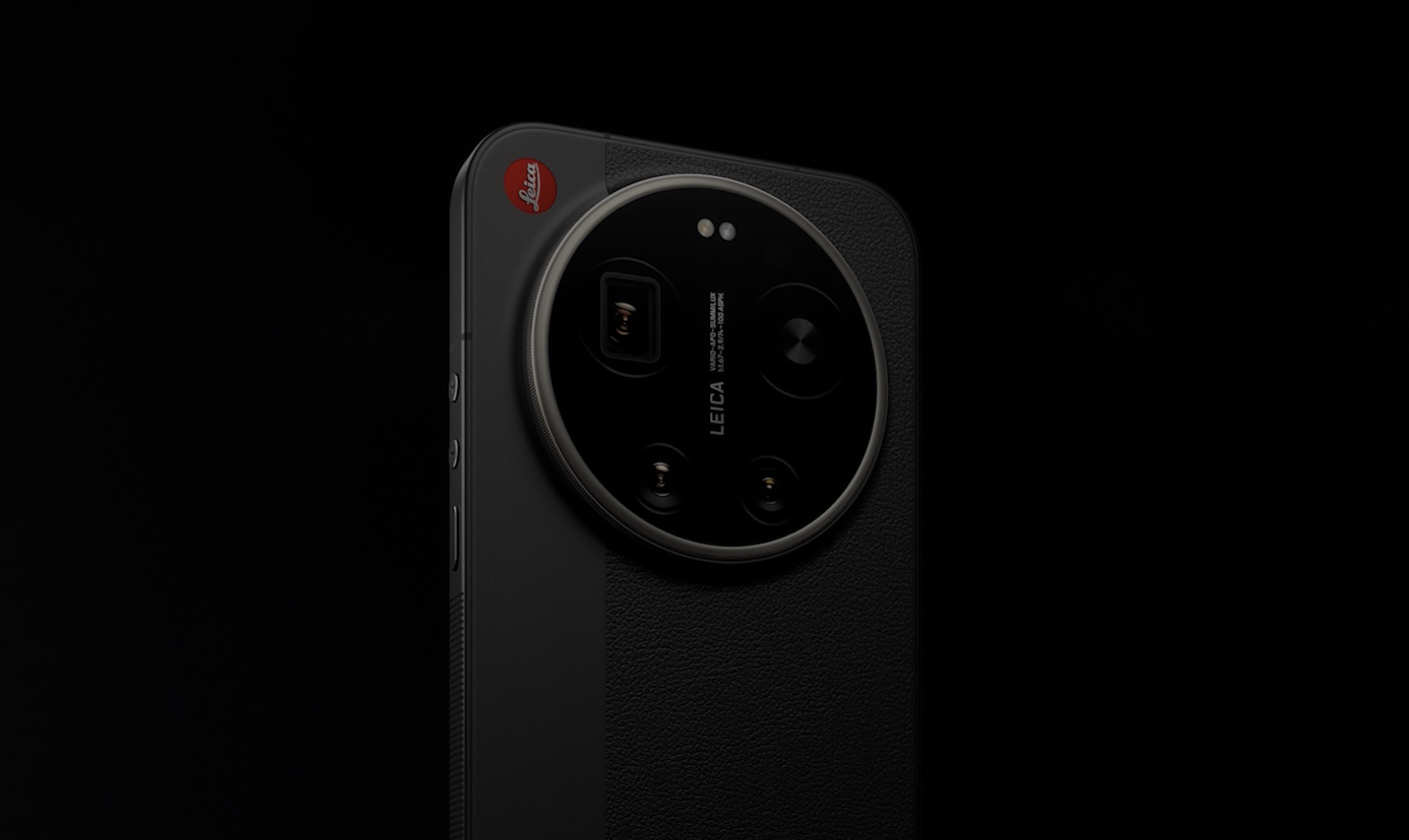
One of the technical highlights of this camera phone is the 200-megapixel periscope telephoto camera with Leica’s APO (apochromatic) optical certification. This design aims to reduce chromatic aberration and deliver sharper imagery at extended focal lengths.
The sensor size here is 1/1.4-inch, and it supports a continuous optical zoom range equivalent to roughly 75mm to 100mm. This means you can zoom smoothly into your subject with minimal loss of quality.
Continuous optical zoom is a big step forward compared with traditional stepped telephoto lenses on phones, which often have fixed focal lengths like 3x or 5x. Instead, the 17 Ultra gives a range of true optical zoom without cropping or digital interpolation in this band, helping preserve detail in portraits, architectural shots, and distant subjects.
Wide and Ultra-Wide Capture Options
Completing the rear camera array is a 50-megapixel ultra-wide sensor with a 115-degree field of view. This sensor also supports close focusing for shots just a few centimeters from the subject, giving you more versatility when framing landscapes or creative macro shots.
The combination of main, telephoto, and ultra-wide sensors means you have primary imaging options that cover most practical shooting scenarios while maintaining strong color consistency and detail across lenses.
Video Capabilities and Connectivity
From a video standpoint, the Xiaomi 17 Ultra is capable of recording up to 8K at 30 frames per second and 4K at 120 frames per second. That range gives you flexibility in both high-resolution capture and slow-motion creative work.
While many phones offer high frame rates at lower resolutions, hitting 4K120 places the 17 Ultra in competitive standing with many mirrorless cameras for action and movement capture.
The processing and imaging pipeline are powered by the Qualcomm Snapdragon 8 Elite Gen 5 chipset, paired with up to 16 gigabytes of RAM. This combination helps ensure that computational photography algorithms, focus tracking, and image stabilization all work smoothly without delay.
Connectivity features include Wi-Fi 7, Bluetooth 6.0, and satellite communication options in the Leica Edition. While not strictly camera features, these help photographers stay connected and share content from remote locations.
Authenticity and Metadata Protection
Another noteworthy addition in the Leica Edition is support for photo authenticity protection, following industry standards that embed cryptographic metadata into images. This helps differentiate original captures from manipulated or synthetic content, an increasingly relevant concern in professional and journalistic photography.
This layer of verification is designed to help protect the integrity of your work, assuring viewers and clients that an image was genuinely captured with the device’s camera and has not been tampered with.
A New Benchmark in Mobile Imaging?
The Xiaomi 17 Ultra and its Leica Edition present a new benchmark for what photographers can expect from smartphone cameras in late 2025. With substantial sensor sizes, continuous optical zoom, tactile controls, and sophisticated imaging modes, this device blurs the line between dedicated cameras and everyday carry devices.
The real test, of course, will come with extensive independent reviews and field tests. But on paper, the combination of advanced hardware and thoughtful controls gives you a lot to experiment with and explore in the rapidly evolving world of mobile photography.
The Leica edition steps up the photography game, with the 16GB/512GB model retailing for CNY 7,999 ($1,140) and the 16GB/1TB variant at CNY 8,999 ($1,280).
See more from DIYPhotography.net on Google
Add DIYPhotography.net as a trusted source. This makes
our stories more likely to appear in your Google Search results.
 Add as a preferred source on Google

Alysa Gavilan
Alysa Gavilan has spent years exploring photography through photojournalism and street scenes. She enjoys working with both film and mirrorless cameras, and her fascination with the craft has grown over the decades. Inspired by Vivian Maier, she is drawn to capturing everyday moments that often go unnoticed.


Join the Discussion
DIYP Comment Policy
Be nice, be on-topic, no personal information or flames.