





















Unistellar’s Father’s Day Sale: Smart Telescopes for the Curious
Jun 13, 2025
Soumyadeep Mukherjee
Soumyadeep Mukherjee is an award-winning astrophotographer from India. He has a doctorate degree in Linguistics. His work extends to the sub-genres of nightscape, deep sky, solar, lunar and optical phenomenon photography. He is also a photography educator and has conducted numerous workshops. His works have appeared in over 40 books & magazines including Astronomy, BBC Sky at Night, Sky & Telescope among others, and in various websites including National Geographic, NASA, Forbes. He was the first Indian to win “Astronomy Photographer of the Year” award in a major category.
Share:
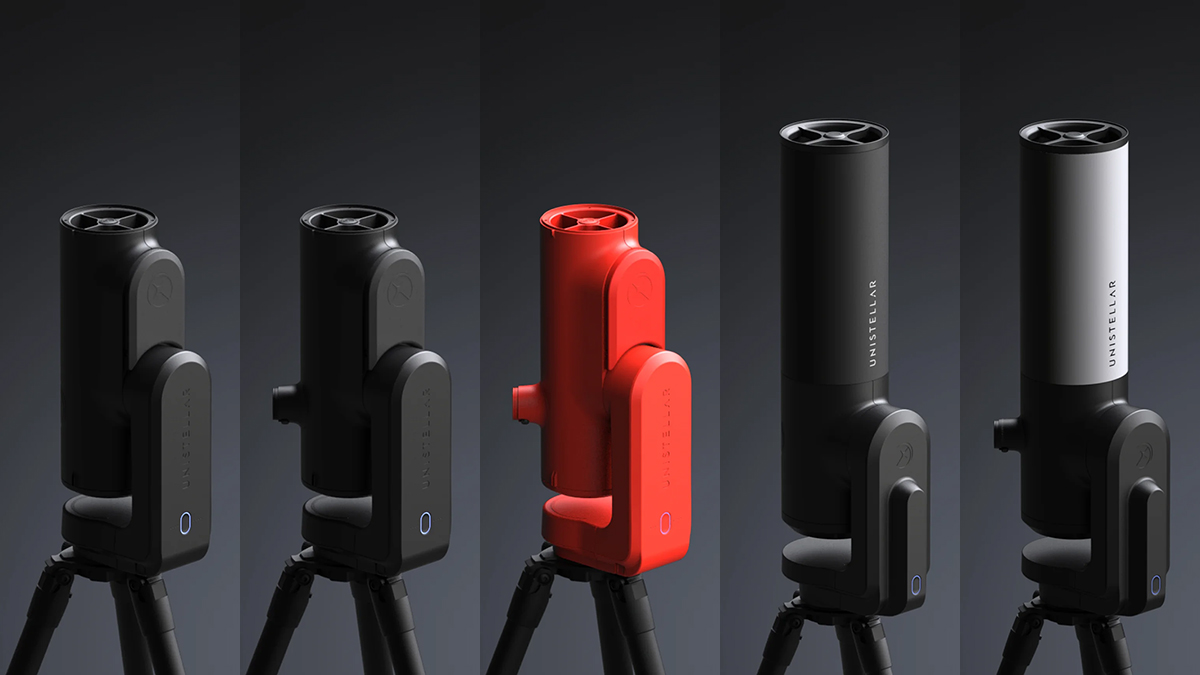
Father’s Day is around the corner, and Unistellar has launched a special sale to mark the occasion. The brand is offering a 15% discount across its full telescope lineup. That means big savings on all five models: Odyssey, Odyssey Pro, Odyssey Pro Red Edition, Equinox 2, and Evscope 2. If you’ve ever dreamed of giving your dad the Universe, this is your chance. Unistellar is known for its smart, easy-to-use telescopes. These instruments require no star charts, no complicated setup, and no prior astronomy experience. They connect to your smartphone or tablet and help you explore the sky with just a few taps. During this sale, you can save up to $400 per telescope. Let’s explore what makes each of them special.
The smart revolution
Before diving into each model, let’s look at what sets Unistellar apart. Traditional telescopes can be hard to use. They often require manual alignment, understanding celestial coordinates, and plenty of patience. Unistellar’s telescopes solve these problems.
Each model uses a digital sensor, enhanced vision technology, and AI-powered object recognition. They can identify and track objects like galaxies, planets, and nebulae. They also automatically align themselves with the night sky. The result? Clear, detailed images with real-time enhancements visible on your device.
Now, let’s look at the stars of the Father’s Day sale.
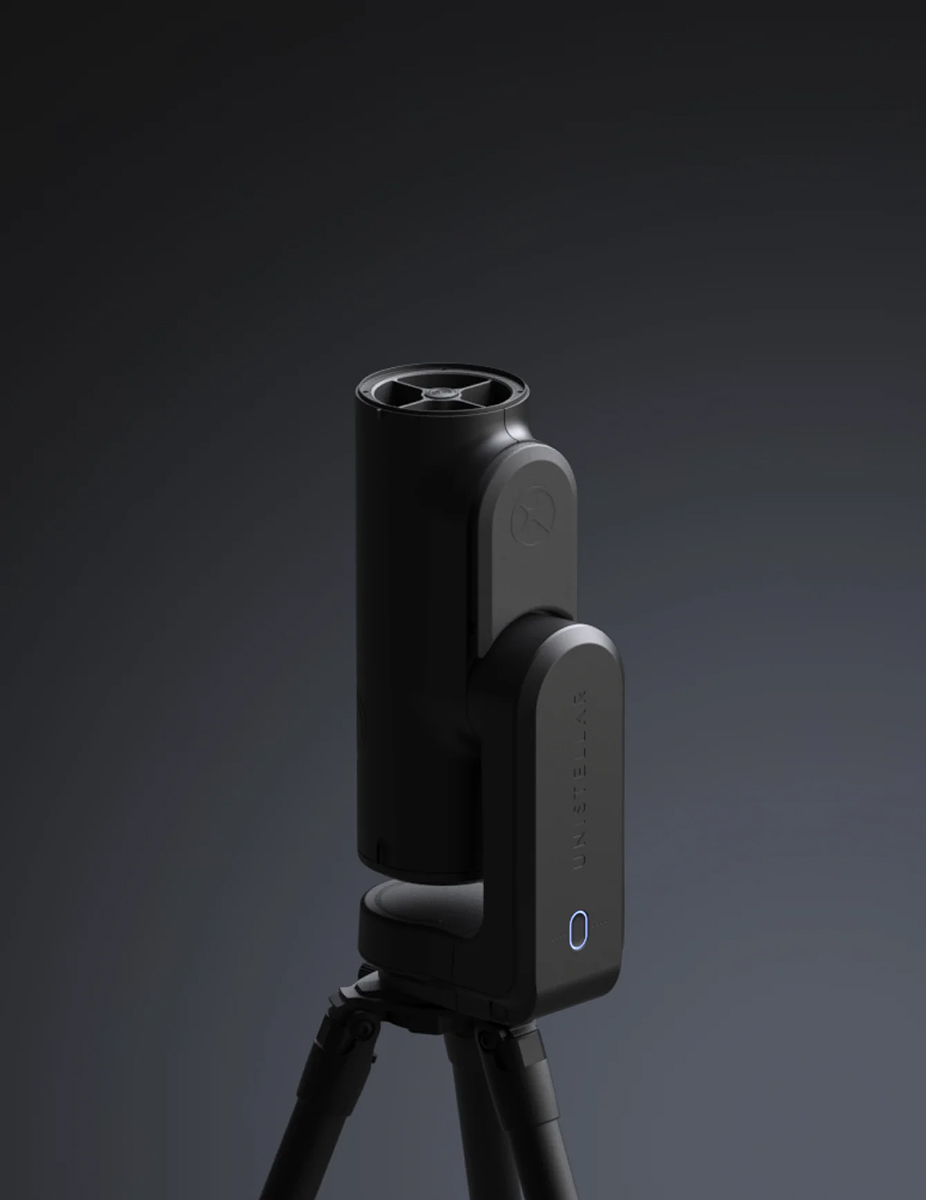
Unistellar Odyssey
The Odyssey is Unistellar’s newest compact smart telescope. It’s designed for beginners, families, and casual observers. It uses an 85 mm mirror and features autonomous field detection. This means it can recognize where it’s pointed in the sky without you doing anything. No calibration, no guesswork.
The Odyssey weighs just 4 kilograms. It’s one of the lightest smart telescopes in the world. That makes it perfect for travel and backyard use. It delivers stunning deep-sky images using its enhanced vision technology. Even from light-polluted cities, you can see galaxies and nebulae in minutes.
The Odyssey doesn’t have an eyepiece. Instead, it sends images directly to your smartphone or tablet. You can observe, capture, and share instantly. It’s great for those who want a plug-and-play experience without complicated adjustments.
Unistellar Odyssey Pro
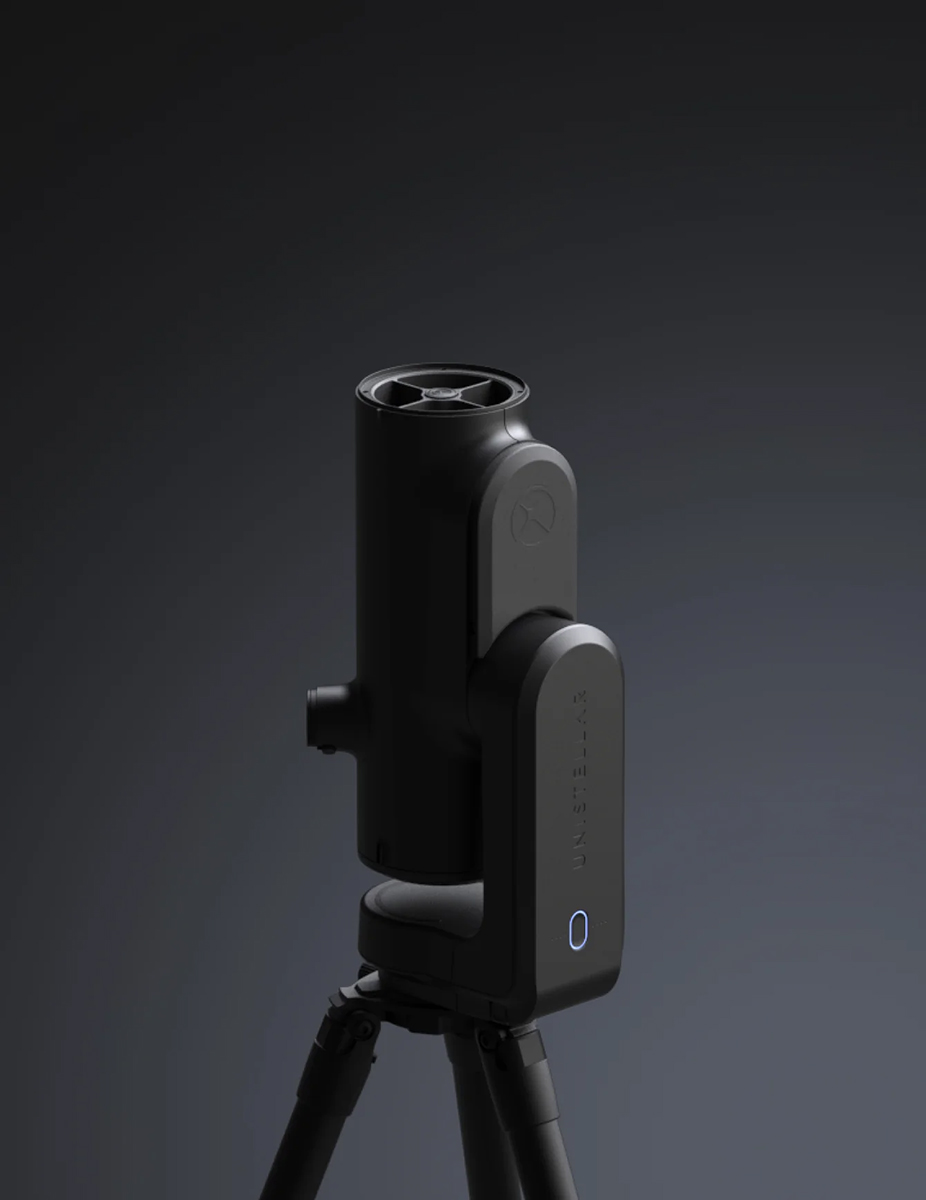
The Odyssey Pro builds on everything the Odyssey offers but adds one major upgrade: a digital eyepiece. This isn’t just any eyepiece. It uses Nikon high-precision optics to provide an immersive viewing experience. You can now look “through” the telescope while also seeing everything on your smart device.
The Odyssey Pro also weighs around 4 kilograms, making it just as portable. Like the Odyssey, it has autonomous field detection and an auto-focus feature. So no matter where you are, it will adjust and show you crisp, focused images within seconds.
What sets the Pro apart is its multi-user versatility. You can view objects through the eyepiece while others watch the same feed on a phone or tablet. This makes it perfect for shared family experiences or astronomy outreach events. It’s smart, sleek, and ultra-modern.
Unistellar Odyssey Pro Red Edition
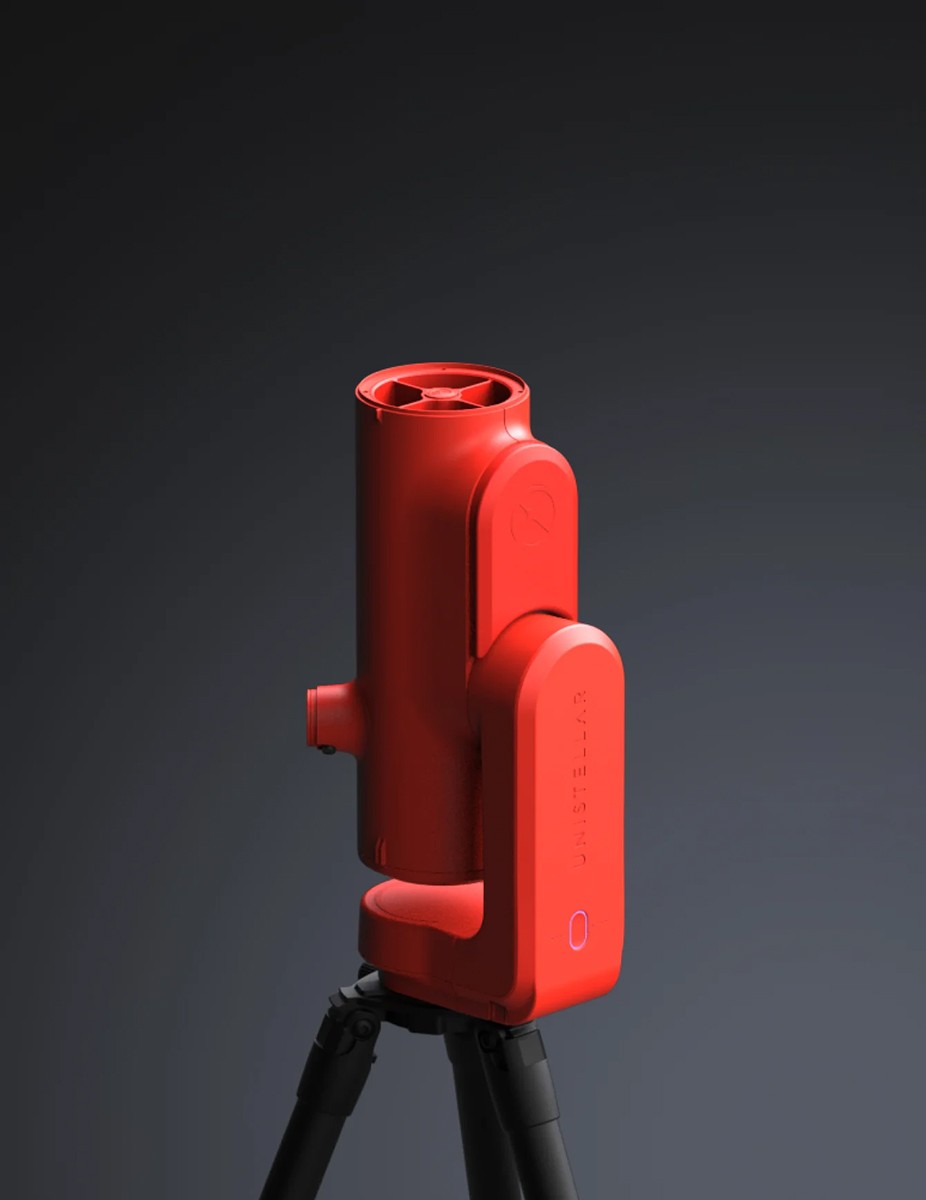
The Odyssey Pro Red Edition is the same telescope as the Odyssey Pro—technically. But it’s wrapped in a stunning, limited-edition red aluminum finish. This version is designed for those who want something extra. A showpiece. A statement. A gift that feels exclusive and premium.
Functionally, it matches the Odyssey Pro. You get the same Nikon digital eyepiece, autofocus, and enhanced imaging. The AI software and tracking capabilities remain top-notch. But the Red Edition is only available for a limited time. It’s not just a telescope—it’s a collector’s piece.
If you’re buying a Father’s Day gift that should also impress friends and family, this model does it all. It’s beautiful, rare, and powerful.
Unistellar Equinox 2
The Equinox 2 is Unistellar’s best-value large-aperture telescope. It features a 114 mm mirror, which gathers more light than the Odyssey models. This allows it to reveal fainter objects, deeper galaxies, and more detail. If you’re looking for performance at a reasonable price, this is it.
The Equinox 2 lacks a built-in eyepiece. Instead, it focuses entirely on app-based viewing. It sends enhanced, processed images to your smartphone or tablet. You can also share the views live with friends online using the Unistellar app. It includes Exoplanet detection and can even participate in citizen science missions. With it, you can help NASA and SETI with real astronomical research. It’s a serious instrument for curious minds.
This telescope is slightly heavier than the Odyssey series. It weighs around 7 kilograms, but it remains portable. The Equinox 2 is perfect for those who want more light and more science without going fully professional.
Unistellar Evscope 2
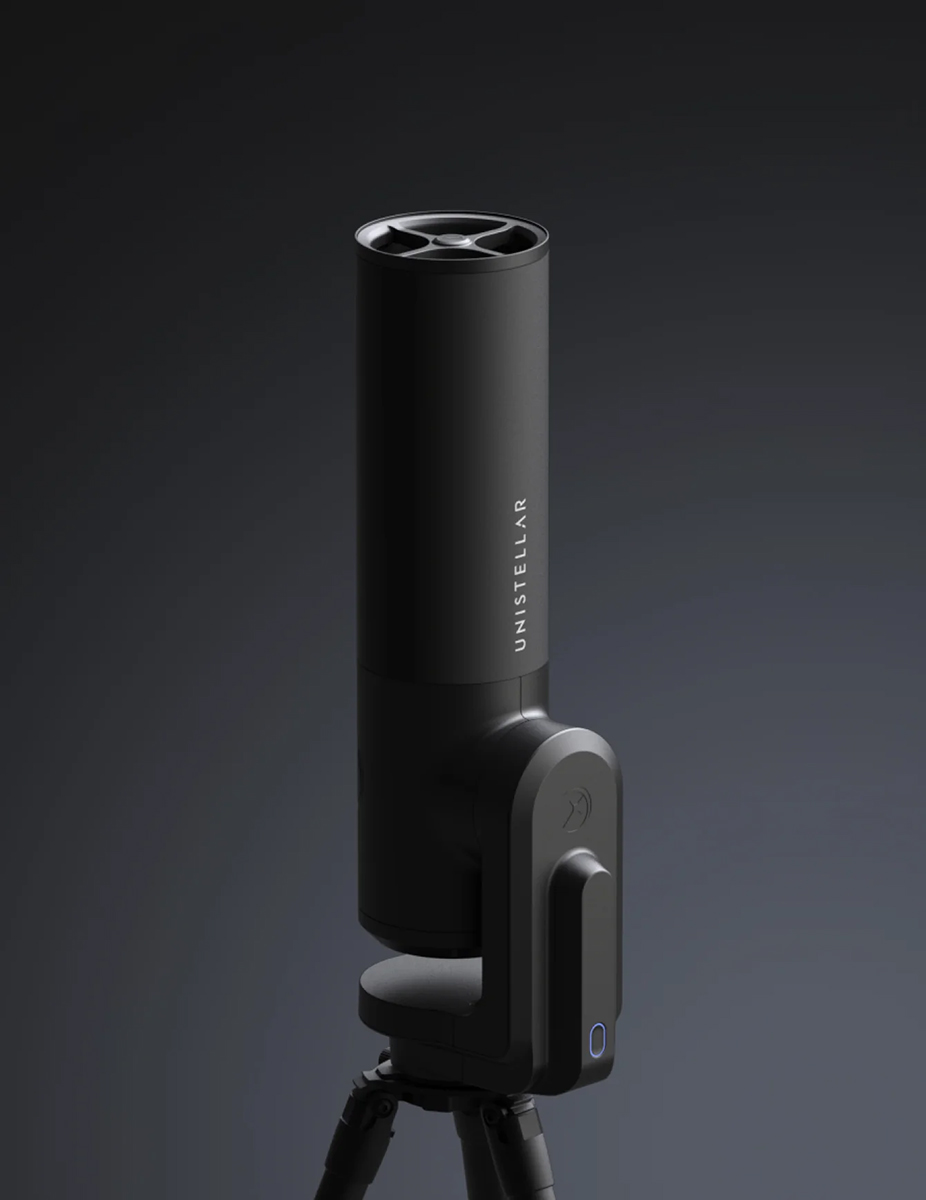
The Evscope 2 is Unistellar’s flagship telescope. It combines power, elegance, and smart tech into one premium product. Like the Equinox 2, it has a 114 mm aperture, but it adds an ultra-sensitive Sony sensor and Nikon-designed digital eyepiece.
The result? You get sharper images, better contrast, and the most immersive viewing experience available in a smart telescope today. It’s also compatible with Unistellar’s science programs. You can observe supernovae, exoplanets, and even help detect near-Earth asteroids. The Evscope 2 weighs around 9 kilograms, so it’s heavier than others. But it’s still portable enough for trips and travel. It comes with a carbon-fiber tripod and custom backpack. You’ll feel like a professional astronomer every time you set it up.
This telescope is perfect for advanced hobbyists, educators, and amateur scientists. If your dad loves astronomy and cutting-edge tech, this is the ultimate gift.
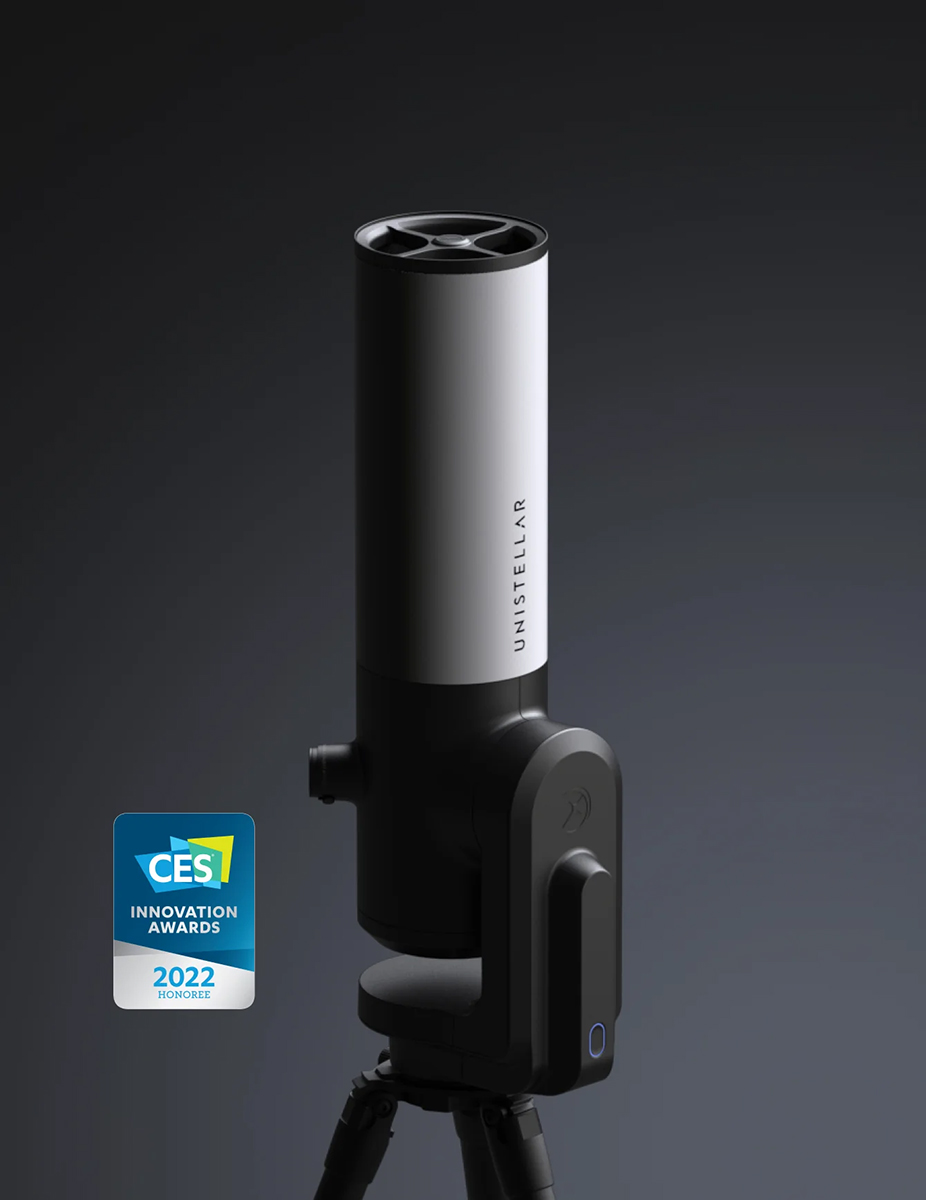
Sale details and prices
Unistellar is offering a 15% discount on all models as part of their Father’s Day 2025 Sale. The prices below are before tax and shipping (in US dollars):
| Telescope | Regular Price | Sale Price |
| Odyssey | $2,499 | $2,124 |
| Odyssey Pro | $4,499 | $3,824 |
| Odyssey Pro Red Edition | $4,499 | $3,824 |
| Equinox 2 | $2,799 | $2,379 |
| Evscope 2 | $4,999 | $4,249 |
The sale is available on Unistellar’s official website.
The perfect Father’s Day gift
Unistellar’s smart telescopes make astronomy easy, exciting, and social. They don’t just show you the sky—they help you understand it. Whether your dad is a beginner or an experienced stargazer, there’s a model that fits. If you want affordability and simplicity, go with the Odyssey or Equinox 2. If you want premium optics and immersive features, pick the Odyssey Pro or Evscope 2. And if you want a rare, bold gift, the Odyssey Pro Red Edition stands out in any observatory.
This Father’s Day, give a gift that sparks wonder, curiosity, and joy. Give a telescope that lets you see the unseen.
Clear skies!
See more from DIYPhotography.net on Google
Add DIYPhotography.net as a trusted source. This makes
our stories more likely to appear in your Google Search results.
 Add as a preferred source on Google

Soumyadeep Mukherjee
Soumyadeep Mukherjee is an award-winning astrophotographer from India. He has a doctorate degree in Linguistics. His work extends to the sub-genres of nightscape, deep sky, solar, lunar and optical phenomenon photography. He is also a photography educator and has conducted numerous workshops. His works have appeared in over 40 books & magazines including Astronomy, BBC Sky at Night, Sky & Telescope among others, and in various websites including National Geographic, NASA, Forbes. He was the first Indian to win “Astronomy Photographer of the Year” award in a major category.




Join the Discussion
DIYP Comment Policy
Be nice, be on-topic, no personal information or flames.