











Nifty Fifty: Why 50mm f/1.8 is a Must-Have Lens
Dec 11, 2025
Darlene Lleno
Darlene Lleno brings a unique perspective to DIY Photography as someone who grew up surrounded by camera gear but chose words over lenses. With five years of writing experience, she specializes in photography content that’s both technically informed and genuinely passionate. Growing up with a photographer twin brother meant camera talk was everyday conversation in her household. While he mastered capturing moments, Darlene discovered she preferred being the subject and the storyteller behind the scenes. As a travel enthusiast and mother of two, she understands the importance of preserving life’s precious moments. When not exploring new destinations or writing for DIY Photography, you’ll find her reading or tending to her garden. Her approach to photography writing is refreshingly authentic, she may not be behind the camera, but she knows exactly what it takes to help others capture the shots that matter most.
Share:

The 50mm f/1.8 lens sits in nearly every pro photographer’s bag. This tiny powerhouse delivers sharp images and beautiful blur. It works great in low light too. Best part? Most versions cost between $125 and $250 from major camera makers.
Photographers call it the “nifty fifty” for good reason. You get professional quality without spending thousands. This makes it perfect for beginners and experts alike.
What Makes the 50mm f/1.8 Special
Two features set this lens apart from basic kit zooms. The focal length shows the world naturally. The wide aperture creates stunning background blur.
The Standard Focal Length
A 50mm lens sees like your eyes do. Photos look natural without distortion. You won’t get stretched faces or weirdly compressed backgrounds.
Full-frame cameras get the true 50mm experience. The view matches what you see naturally. Everything looks balanced and familiar.
Crop sensor cameras change things slightly. An APS-C sensor multiplies the focal length by 1.5x or 1.6x. Your 50mm acts more like 75mm or 80mm. This makes it excellent for portraits. Street photographers might find it a bit tight though.
The Fast f/1.8 Aperture
The wide opening beats typical kit lenses by miles. Most zooms max out at f/3.5 or f/5.6. The 50mm f/1.8 opens two to three stops wider.
This means way more light hits your sensor. You can shoot in dim conditions without grainy results. Indoor shots become easy. Evening photos stay sharp and clean.
The shallow focus creates beautiful bokeh. Your subject pops while backgrounds melt smoothly. Pros spend thousands chasing this look. The nifty fifty delivers it cheap.
Why Every Photographer Needs One
Several key advantages make this lens incredibly useful. The benefits go way beyond just the price tag.
Cheapest Entry to Prime Lenses
Most versions cost $100 to $200 new. Third-party options drop below $100 sometimes. This makes it the most affordable prime lens available.
New photographers usually start with kit zoom lenses. These work okay but sacrifice quality for convenience. A 50mm f/1.8 shows what sharp primes can do. The difference hits you immediately.
The low price means you can experiment freely. Try fixed focal lengths without big financial risk. Many photographers never go back to zooms after this.
Small and Light Design
The 50mm f/1.8 stays tiny and lightweight. Most weigh under half a pound. Some sit so flat people call them “pancake lenses.”
This matters huge for street photography. Big lenses attract attention and spook people. The small fifty lets you blend in naturally. Subjects forget the camera exists.
You can carry it all day without shoulder pain. Travel gets easier when gear stays light. The fifty adds almost nothing to your bag weight.
Sharp Image Quality
The optical performance surprises everyone at this price. Images rival lenses costing ten times more. Center sharpness at f/2.8 or f/4 competes with pro glass.
Simple optical designs help a lot here. Fewer lens elements mean fewer problems. Light travels through straightforward glass arrangements.
Wide open at f/1.8 shows slight corner softness. The center stays sharp where subjects usually sit. Stop down to f/2.8 and everything gets crisp. By f/4 even landscape work looks excellent edge to edge.
Forces Better Composition
No zoom ring means you move your feet. This actually improves your photography fast. You engage more with subjects and scenes.
Prime lenses teach composition better than zooms. You learn to work within limits. Better angles come from walking around your subject. Your eye for framing improves naturally.
Street photographers benefit most from this. The 50mm becomes part of how you see. You stop thinking about gear and focus on moments.
Getting the Best Results
Understanding how the lens behaves helps maximize quality. A few techniques unlock its full potential.
Managing the Shallow Focus
Wide open at f/1.8 makes focus super critical. The sharp zone might only span a few inches. One eye can be sharp while the other goes soft.
Close-up work gets even trickier. Use your camera’s focus magnification when available. Single-point autofocus works better than zone focusing.
Many photographers stop down to f/2.8 or f/4 instead. You still get beautiful bokeh but gain more focus room. Group portraits stay sharp across faces. Street scenes capture more detail while subjects still pop.
Choosing the Right Aperture
Different situations call for different settings. Learning when to open up or stop down improves results.
- For portraits: Use f/1.8 to f/2.8 for background separation. This keeps faces sharp while blurring distractions. Environmental portraits might need f/4 to show more context.
- For street work: Shoot at f/4 to f/5.6 for reliable focus. The deeper range helps catch decisive moments. Zone focusing works better at these settings.
- For low light: Open to f/1.8 and gather maximum light. Accept the thin focus and nail your critical point. Concerts and evening cityscapes need every bit of brightness.
Working with Different Cameras
Full-frame and crop sensors change how the lens performs. Understanding this helps you adapt technique.
Full-frame cameras give you the true 50mm experience. The natural field of view suits many styles. You can shoot portraits or environmental shots equally well.
Crop sensor cameras turn it into a short telephoto. The tighter framing excels for portraits and details. You lose some environmental context though. Consider a 35mm lens for normal perspective on crop sensors.
Creative Uses for the 50mm f/1.8 Lens
This versatile lens handles many photography types. Its speed and sharpness adapt across different situations.
Portrait Photography
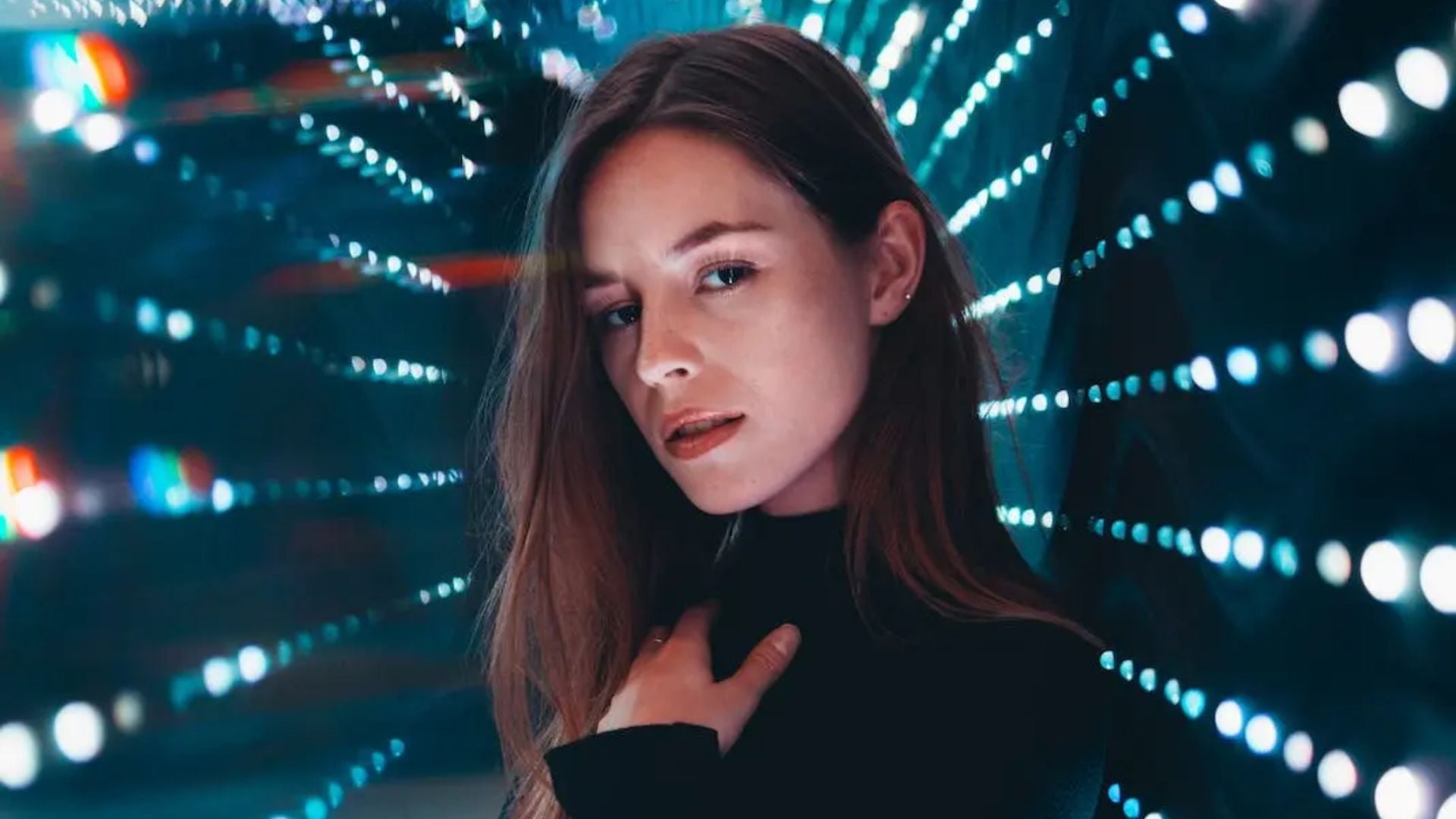
The 50mm f/1.8 lens creates flattering portraits naturally. On full-frame step back for full body shots. Move closer for headshots without distortion.
Crop sensor shooters get ideal portrait focal length around 75mm equivalent. This creates pleasing facial proportions. Noses stay natural. Features look balanced. Background compression improves without going full telephoto.
The wide aperture creates pro-looking results easily. Busy backgrounds blur into smooth gradients. Subject eyes stay sharp and grab attention. Studio shooters love this lens for single subjects.
Street Photography
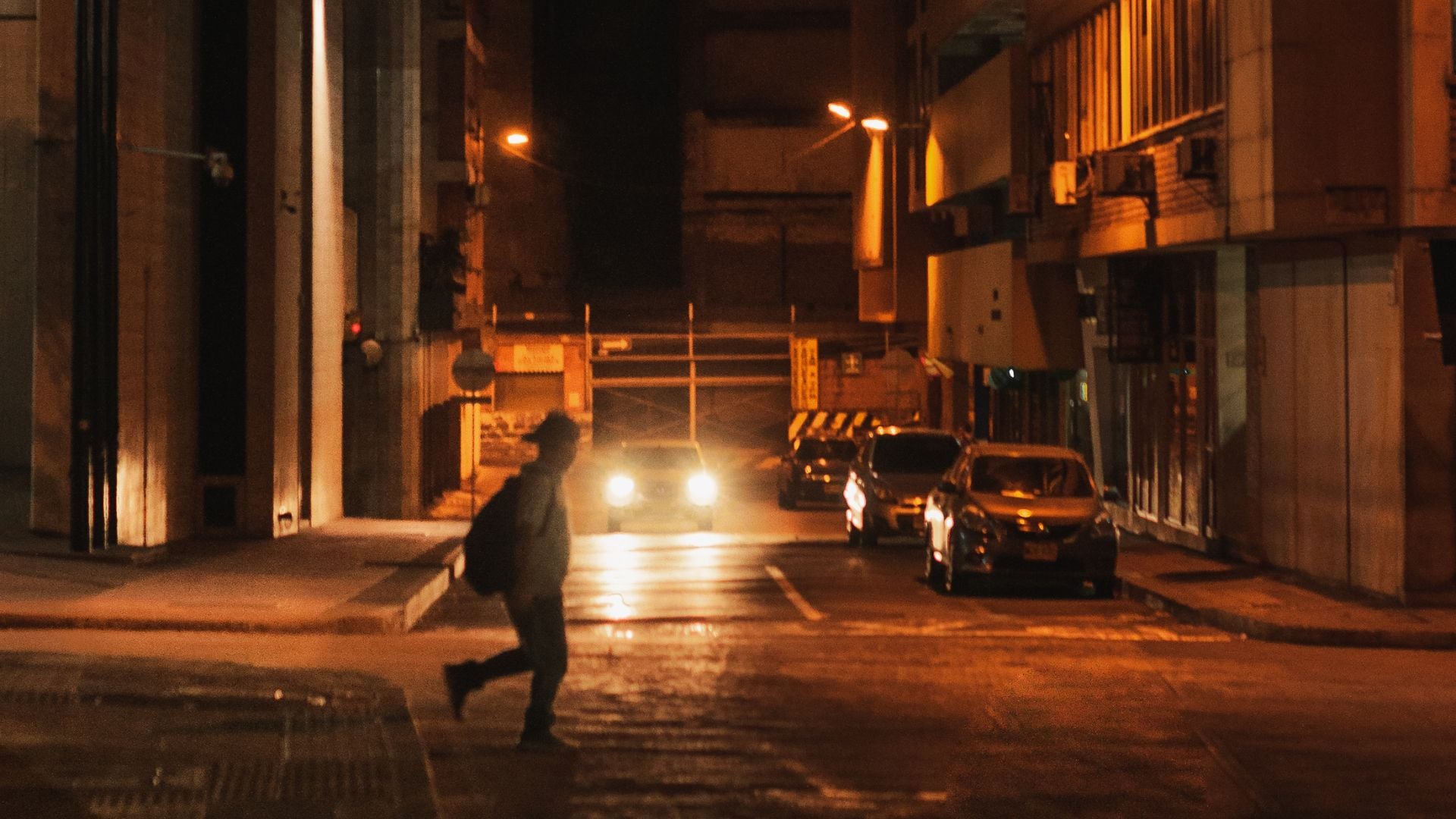
The compact size makes it perfect for candid work. Light weight lets you shoot all day comfortably. Subjects don’t feel intimidated by small setups.
The normal field of view captures scenes authentically. No wide-angle exaggeration or telephoto compression. Your photos show real street moments.
Fast aperture helps in varying light conditions. Morning fog or evening streets stay manageable. You maintain faster shutter speeds for sharp action. Street photography demands quick reactions and the fifty stays ready.
Low-Light Shooting
Indoor events challenge most kit lenses badly. Dim lighting forces high ISO and grainy images. The 50mm f/1.8 changes everything completely.
Wedding receptions and concerts become shootable without flash. The wide opening pulls in enough light for clean exposures. You avoid disturbing moments with bright flashes.
Available light looks more natural anyway. Artificial flash flattens scenes and creates harsh shadows. The fifty lets you work with existing light sources. Window light and lamps become your tools.
Creative Projects
The shallow depth of field opens experimental possibilities. Product photography benefits from smooth background blur. Food shots pop when only the dish stays sharp.
Close-up photography works surprisingly well too. The fifty focuses closer than many telephotos. While not a true macro lens, it captures decent flowers and small objects.
Experimental shooters love creating custom bokeh effects. Cut shapes from black paper and place them over the lens. The aperture projects those shapes into out-of-focus highlights. Hearts or stars become your creative signature.
Common Challenges and Fixes
Every lens has quirks and limits. Knowing these helps you work around them effectively.
Dark Corners at f/1.8
Corners darken slightly when shooting wide open. This effect called vignetting happens with many fast lenses. Light falls off toward frame edges naturally.
Some photographers actually like this look. It draws eyes toward the center where subjects sit. Others prefer clean corners instead.
Stop down to f/2.8 and vignetting mostly disappears. Editing software removes it entirely if needed. Most raw processors include automatic lens correction profiles. Enable these for cleaner final images.
Color Fringing Sometimes
Purple or green fringing appears along high-contrast edges occasionally. Backlit subjects or bright highlights can show color fringes. Tree branches against sky reveal this most.
Modern cameras often correct this automatically now. Enable lens correction in your camera menu. Post-processing software also removes chromatic aberration easily.
Higher-end f/1.4 versions reduce this through better glass. The f/1.8 versions show more fringing but nothing terrible. Most casual viewing never reveals these small flaws.
Limited Close Focus
The minimum focus distance sits around 18 inches typically. You can’t get extremely close to subjects. Macro work requires different tools really.
Extension tubes provide an affordable solution though. These hollow spacers mount between camera and lens. They reduce minimum focus distance dramatically. You sacrifice some quality but gain close-focusing ability.
True macro shooters should consider dedicated macro lenses. The 50mm works fine for occasional close-ups only.
Alternatives Worth Considering
The 50mm f/1.8 performs wonderfully but other options exist. Understanding alternatives helps you make informed choices.
The 50mm f/1.4 Upgrade
Premium f/1.4 versions cost three to five times more. You gain two-thirds stop more light gathering. Background blur gets slightly creamier too.
Build quality improves significantly with metal construction. Focus rings feel smoother and more precise. Weather sealing protects against dust and moisture better.
Optical quality jumps noticeably as well. Less vignetting and reduced chromatic aberration show up. Corners stay sharper throughout the aperture range. Wedding and portrait pros often upgrade for paid work.
Most hobbyists find the f/1.8 plenty capable though. The performance gap shrinks at f/2.8 anyway. Save money unless you need that extra stop.
Other Prime Options
The 35mm f/1.8 offers a wider field of view. This works better for environmental portraits and tight spaces. Crop sensor shooters get more natural perspective closer to 50mm.
An 85mm f/1.8 provides classic portrait focal length instead. The longer reach creates more flattering facial compression. Background compression increases for smoother bokeh. Studio work and headshots benefit from this perspective.
Building a collection around these three focal lengths covers most situations. Start with the fifty then add wider or longer glass.
Making the Right Purchase
Choosing your 50mm f/1.8 depends on your camera system. Each manufacturer offers versions with different traits.
First-Party Options
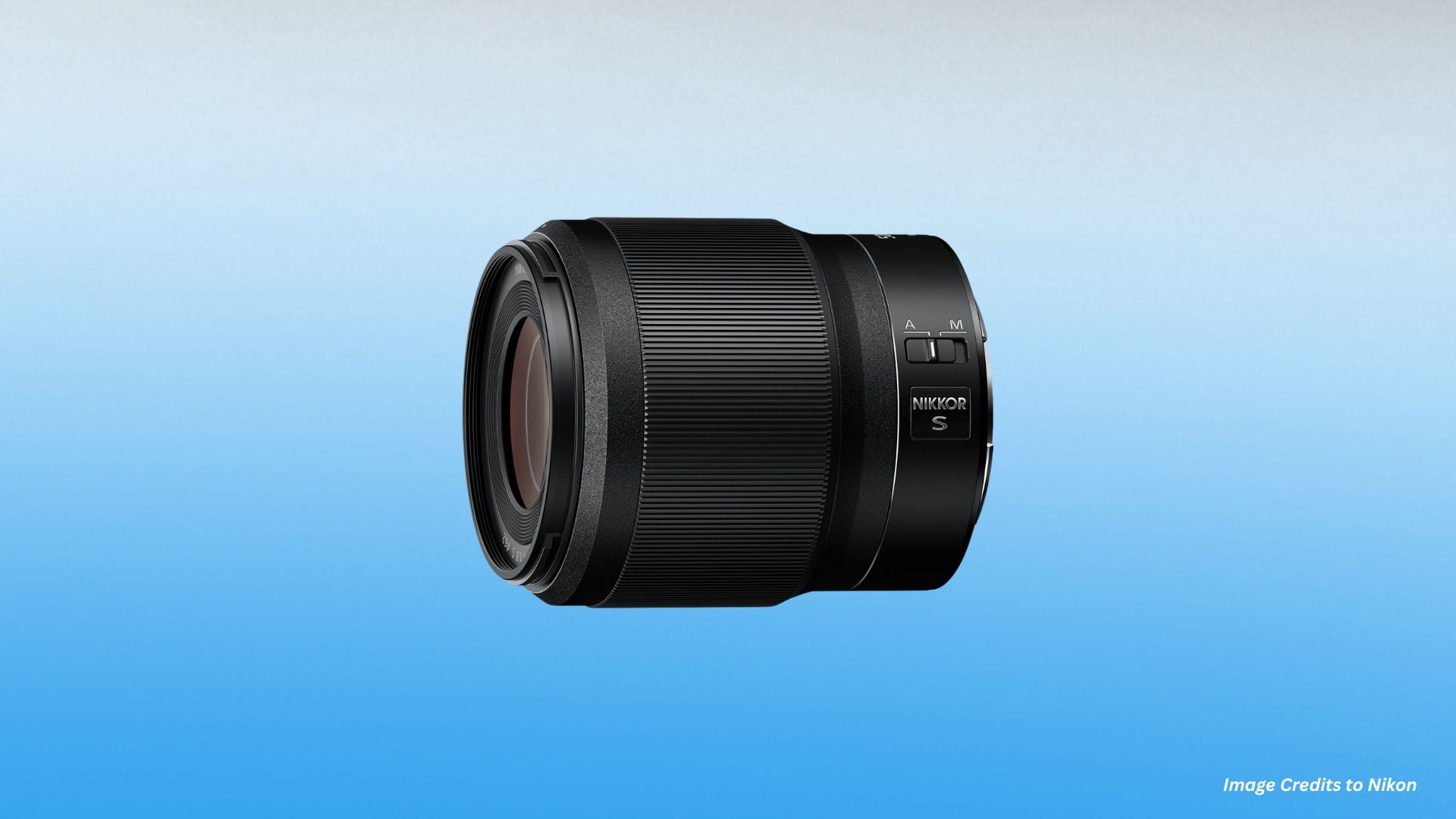
- Canon’s 50mm f/1.8 STM costs around $125 typically. The STM motor focuses quietly for video work. Build quality feels slightly plasticky but optics perform well.
- Nikon offers both F-mount and Z-mount versions. The Z-mount lens for mirrorless costs more but delivers better autofocus. F-mount versions work great on DSLR bodies still.
- Sony’s FE 50mm f/1.8 serves full-frame mirrorless shooters perfectly. Clean optics and reliable autofocus make it popular. Third-party options from Sigma and Tamron provide alternatives.
Third-Party Makers
Sigma’s 50mm f/1.4 Art lens costs more but delivers outstanding quality. Build quality exceeds first-party options at similar prices. Autofocus works reliably across camera systems.
Yongnuo produces ultra-budget 50mm f/1.8 lenses under $50. Quality varies but many users report good results. Manual focus versions cost even less for experimentation.
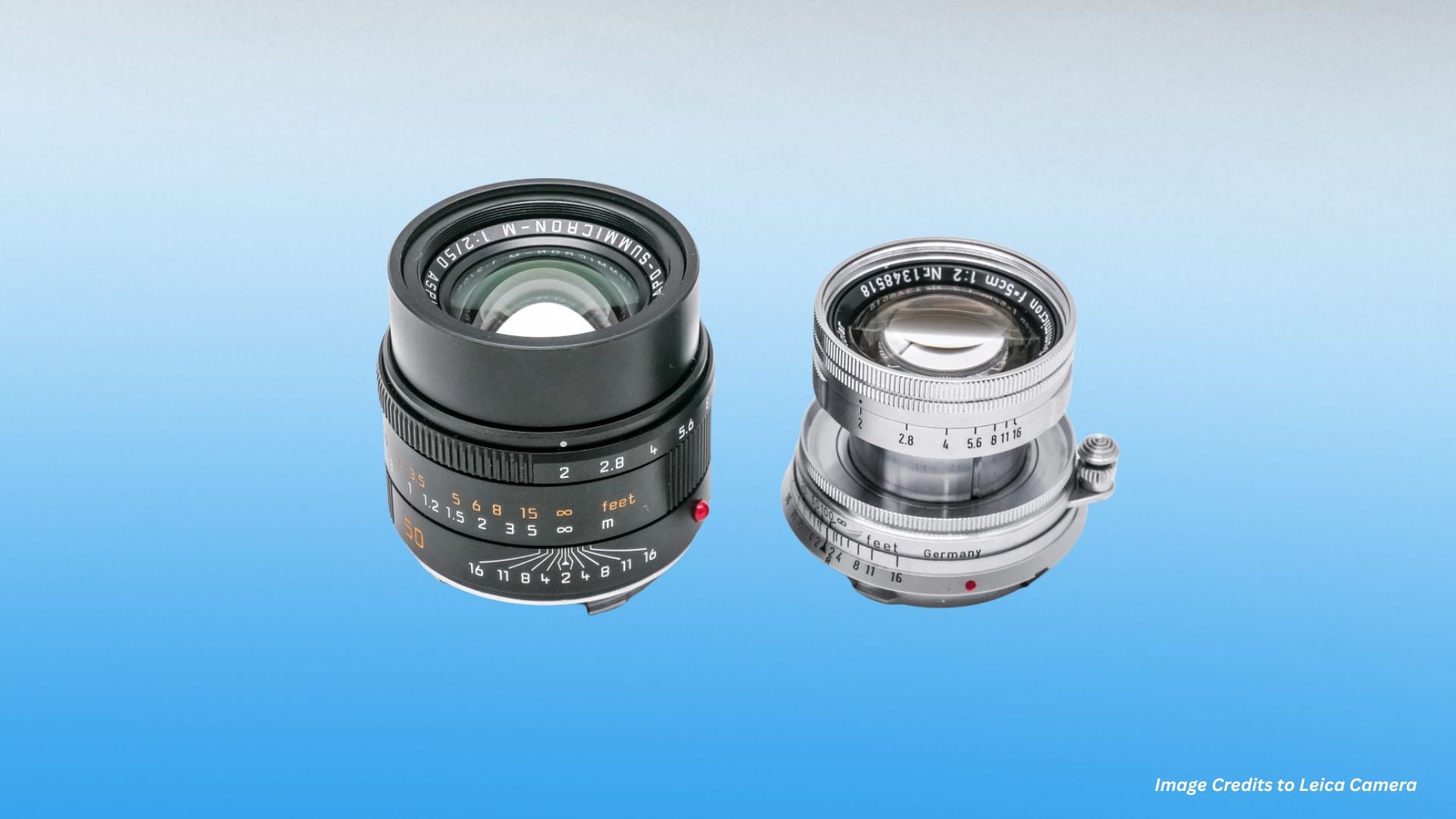
Viltrox and Samyang offer mid-range options nicely. These balance cost and performance well. Image quality competes with first-party lenses effectively.
New Versus Used
Used 50mm f/1.8 lenses flood the market constantly. Many photographers upgrade or change systems regularly. You can find excellent condition copies for $50 to $100.
Check for scratches on front and rear elements carefully. Test autofocus functionality if possible before buying. Mechanical issues show up in focus hunting or grinding noises.
Buying new provides warranty protection and guaranteed condition. The small price difference sometimes justifies peace of mind. Popular models go on sale frequently around holidays.
Getting Started Successfully
Your first days with a 50mm f/1.8 might feel different. These tips speed up the learning curve significantly.
Learning Fixed Focal Length
Zoom lenses let you adjust framing without moving anywhere. Prime lenses require physical movement instead. This forces you to think differently about composition.
Practice walking closer or farther from subjects regularly. Notice how perspective changes with distance. Objects in foreground grow larger relative to backgrounds as you approach.
Preview your composition by looking through the viewfinder first. This develops your spatial awareness quickly. You’ll soon predict what the lens captures automatically.
Developing Your Eye
Spend time looking at photos shot at 50mm. Study work by Henri Cartier-Bresson and other masters. Notice how they used natural perspective for storytelling.
Practice seeing in 50mm terms everywhere you go. Frame potential shots with your hands before raising the camera. This exercise builds intuition about framing fast.
Shoot only with the fifty for a full month. Restriction breeds creativity naturally. You’ll find solutions that never occurred to you with zoom flexibility.
Building Real Confidence
Start with static subjects while learning focus technique. Still life setups let you practice without pressure. Experiment with different apertures to see depth changes.
Move to slower-moving subjects like pets or cooperative friends. Practice tracking focus as subjects move around. Modern cameras help with face detection and eye autofocus.
Street photography comes later after mastering technical aspects. Decisive moments happen incredibly fast. Automatic technical execution lets you focus on timing instead.
Maximizing Long-Term Value
The 50mm f/1.8 remains useful throughout your entire photography journey. Its limitations become learning opportunities rather than problems.
Professional photographers keep fifties in kits even after acquiring expensive gear. The compact size and unique rendering make it irreplaceable sometimes. The lens holds resale value well despite low initial cost.
High demand from new photographers keeps used prices stable always. You can recoup most of your investment if upgrading later. Many photographers rediscover their fifties after years using zoom lenses.
The fifty works alongside zoom lenses beautifully too. Keep it mounted on a second camera body for quick access. Wedding photographers often run 24-70mm on one camera and 50mm on another.
Pair it with a telephoto zoom for events coverage. The 70-200mm handles distance work while the fifty covers closer subjects. This combination tackles most shooting scenarios effectively.
Making the Most of Your 50mm f/1.8 Lens
The 50mm f/1.8 lens teaches valuable lessons about core photography principles. Working with fixed focal lengths improves your understanding of perspective and composition naturally.
The wide aperture demonstrates depth of field control better than slower lenses ever could. Use the lens to practice manual focus techniques too. Many versions include decent focus rings for this.
Learning to focus manually improves your connection with subjects. Study lighting by shooting the same scene at different times. The fast aperture lets you work in various conditions easily.
Notice how quality of light changes throughout the day. This knowledge transfers to all photography work eventually. Your photography journey starts with the tools you choose carefully.
The 50mm f/1.8 lens proves you don’t need expensive gear for compelling images. Its combination of sharpness and affordability makes it perfect for learning. Whether you’re just starting or adding to your pro kit, the nifty fifty deserves a permanent spot in your camera bag.According to the Digital Photography School, the 50mm focal length remains one of the most versatile choices for photographers. The Photography Life resource explains how wide apertures like f/1.8 dramatically affect image quality and creative control.
See more from DIYPhotography.net on Google
Add DIYPhotography.net as a trusted source. This makes
our stories more likely to appear in your Google Search results.
 Add as a preferred source on Google

Darlene Lleno
Darlene Lleno brings a unique perspective to DIY Photography as someone who grew up surrounded by camera gear but chose words over lenses. With five years of writing experience, she specializes in photography content that’s both technically informed and genuinely passionate. Growing up with a photographer twin brother meant camera talk was everyday conversation in her household. While he mastered capturing moments, Darlene discovered she preferred being the subject and the storyteller behind the scenes. As a travel enthusiast and mother of two, she understands the importance of preserving life’s precious moments. When not exploring new destinations or writing for DIY Photography, you’ll find her reading or tending to her garden. Her approach to photography writing is refreshingly authentic, she may not be behind the camera, but she knows exactly what it takes to help others capture the shots that matter most.


Join the Discussion
DIYP Comment Policy
Be nice, be on-topic, no personal information or flames.
2 responses to “Nifty Fifty: Why 50mm f/1.8 is a Must-Have Lens”
It’s amusing watching people coveting 50mm lenses while talking smack about “kit lenses.” When SLRs first came out, the kit lens was a 50mm.
I find it interesting that of the three pictures of lenses you used to illustrate the article “Nifty Fifty: Why 50mm f/1.8 is a Must-Have Lens,” two of them showed lenses with a max aperture of f/2.
Just sayin’…