



















70-200mm Lens: Portrait vs Sports vs Wildlife Photography
Dec 11, 2025
Darlene Lleno
Darlene Lleno brings a unique perspective to DIY Photography as someone who grew up surrounded by camera gear but chose words over lenses. With five years of writing experience, she specializes in photography content that’s both technically informed and genuinely passionate. Growing up with a photographer twin brother meant camera talk was everyday conversation in her household. While he mastered capturing moments, Darlene discovered she preferred being the subject and the storyteller behind the scenes. As a travel enthusiast and mother of two, she understands the importance of preserving life’s precious moments. When not exploring new destinations or writing for DIY Photography, you’ll find her reading or tending to her garden. Her approach to photography writing is refreshingly authentic, she may not be behind the camera, but she knows exactly what it takes to help others capture the shots that matter most.
Share:
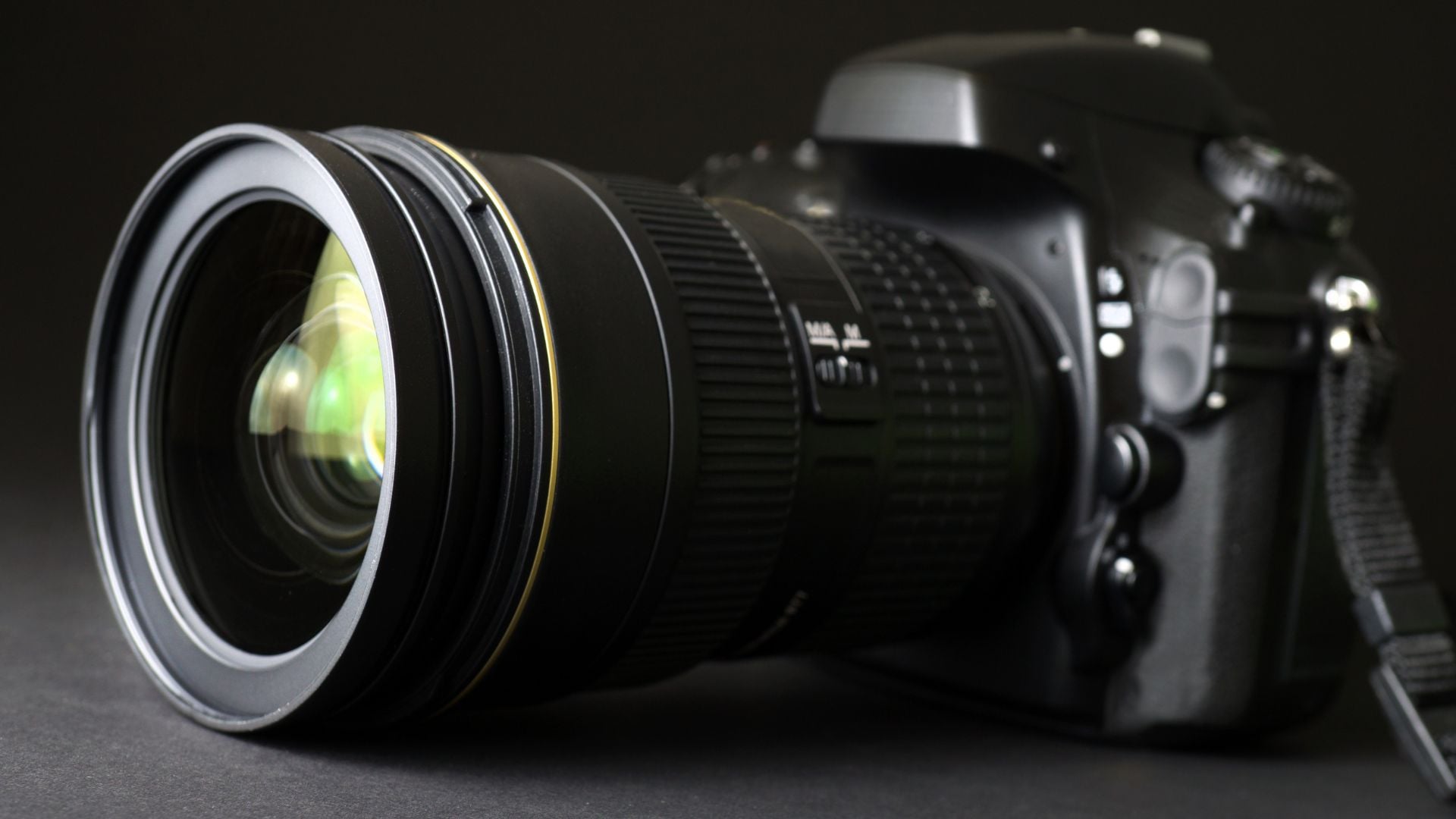
A 70-200mm lens comparison shows you one of photography’s most useful tools. This zoom range brings subjects closer while creating smooth background blur. Photographers use it for portraits, sports action, and wildlife shots. The lens keeps working across different shooting styles and situations.
What Makes the 70-200mm Range Special
The 70-200mm focal length sits in the telephoto zone. At 70mm, you get a nice view for full-body shots. Zoom to 200mm and distant subjects fill your frame. The lens creates that professional look where backgrounds turn soft and creamy.
This range works differently than wide lenses do. Longer focal lengths compress space between subject and background. Your photos get that magazine-quality feel. Most 70-200mm lenses keep the same aperture throughout the zoom range. This means your exposure settings stay constant whether you shoot at 70mm or 200mm.
The f/2.8 vs f/4 Choice
Your maximum aperture makes the biggest difference when buying a 70-200mm lens comparison tool. Both versions have real advantages depending on what you shoot.
Why Photographers Choose f/2.8
Pro shooters often pick f/2.8 versions for better low-light work. One full stop more light than f/4 changes everything indoors. Wedding receptions, sports arenas, and evening events all need that extra light gathering.
The bokeh at f/2.8 creates incredibly smooth backgrounds at 200mm. Subjects stand out with real depth. Portrait work especially benefits from this quality for headshots and professional images.

However, f/2.8 lenses come with trade-offs. Weight hits around 1.3 to 1.5 kilograms. That gets heavy during long shoots. Size makes these lenses noticeable too. Some photographers find this matters for candid work.
The f/4 Advantage
Budget shooters love f/4 versions for their lighter weight. These lenses often weigh half as much as f/2.8 models. Travel work and handheld shooting get much easier. Your shoulders thank you after a full day.
The f/4 aperture still creates good separation at 200mm. Outdoor shooting in decent light works perfectly. Many photographers realize they rarely need wider than f/4 anyway.
Cost savings matter too. F/4 versions typically run 40-60% less than f/2.8 models. You can invest that money elsewhere or just save it.
Using 70-200mm for Portrait Photography
Portrait shooters love this focal range. The 85-135mm sweet spot creates flattering face shapes. Working at longer distances helps subjects feel comfortable and act natural.
Getting the Right Distance
Longer focal lengths let you maintain space from your subject. This helps people relax in front of the camera. Shy folks benefit because the camera stays back.
The compression at 200mm slightly flattens facial features. This often proves flattering for most people. Noses look less prominent and faces appear more balanced.
Your position affects the final look too. Standing further back means you can include environment without crowding subjects. This technique works great for outdoor portrait sessions.
Aperture Settings for People
The f/2.8 version excels for portrait work. Background blur at f/2.8 and 200mm creates pro results. Studio environments with controlled lighting work beautifully.
Shooting at f/4 still produces professional portraits with good separation. The key involves maximizing subject-to-background distance. Put your subject well away from the background and blur improves dramatically.
Many portrait photographers stop down to f/5.6 or f/8 for groups. This keeps everyone sharp across multiple rows. The 70-200mm range handles group shots exceptionally well.
Image Stabilization Helps
Modern stabilization systems allow slower shutter speeds than normal handheld limits. This tech helps portrait work in challenging light without tripods.
Moving around during sessions becomes easier with stabilization. You respond quickly to changing light and interesting backgrounds. This freedom creates more creative, spontaneous portraits.
Sports Photography Applications
Sports work demands fast autofocus and good low-light capability. A 70-200mm lens comparison shows why this range rules sidelines worldwide.
Freezing the Action
The f/2.8 aperture allows faster shutter speeds for freezing motion. Indoor gymnastics, basketball, and volleyball need 1/500th second or faster speeds. That extra stop from f/2.8 makes this possible without extremely high ISO settings.
Modern autofocus in pro 70-200mm lenses tracks subjects reliably. Continuous modes lock onto athletes and follow them across frames. This tracking combined with fast apertures produces sharp action shots.

Outdoor sports in bright light work perfectly with f/4 versions. Soccer, baseball, and track provide plenty of light. The lighter weight helps when shooting handheld for hours.
Reach and Position
The 200mm length provides good reach for many sports. Sideline spots at football games capture action from reasonable distances. Basketball and volleyball shooters cover most playing areas.
Some sports need more reach than 200mm offers. Teleconverters extend range but reduce maximum aperture by one or two stops. Field position matters significantly with this focal range.
Pro Sports Features
Professional 70-200mm lenses include weather sealing for outdoor events. Rain and dust protection keeps gear working in tough conditions. This reliability matters when you can’t miss crucial moments.
Focus limiters help autofocus work faster by restricting search range. Setting limiters for distant subjects speeds up acquisition during fast games. Multiple stabilization modes adapt to different scenarios too.
Wildlife Photography Uses
Wildlife work presents unique challenges for a 70-200mm lens comparison. The focal range works for larger animals at moderate distances. However, it has real limitations for distant subjects.
Getting Close Safely
The 70-200mm length requires getting closer than longer telephoto lenses. This works fine for zoo photography and bird feeders. Wildlife photographers must assess safety carefully at these distances.
Ethical wildlife work means maintaining appropriate distances. A 200mm lens might not provide enough reach for truly wild subjects. Photographers often need 400mm, 500mm, or 600mm lenses for serious work.
Zoos and sanctuaries work perfectly for 70-200mm shooting. Controlled settings allow closer approaches while staying safe. The focal range captures both animals and environmental context.
Autofocus Speed Matters
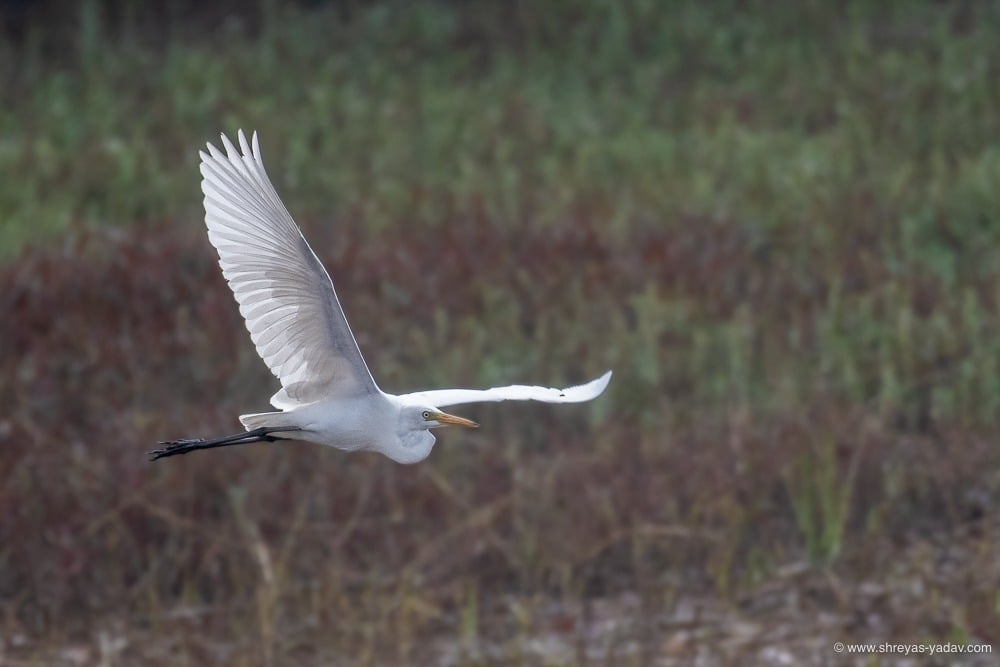
Fast autofocus becomes essential for capturing wildlife behavior. Animals move unpredictably and missed focus means lost shots. Professional 70-200mm lenses deliver the speed wildlife needs.
Eye detection autofocus has changed wildlife photography completely. Modern cameras detect and track animal eyes automatically. This tech combined with fast lenses produces incredibly sharp portraits.
Continuous shooting pairs perfectly with reliable autofocus. Burst rates of 10-20 frames per second capture fleeting moments. The autofocus system must keep pace with these frame rates.
Light and ISO
Wildlife photography often happens during golden hour when light drops. The f/2.8 advantage becomes clear in these situations. Lower ISO means cleaner images with better detail.
Overcast days provide soft light but reduce brightness. The extra stop from f/2.8 maintains workable shutter speeds without excessive ISO. This matters for bird photography where fast speeds freeze wing movement.
Build Quality Matters
Professional photographers depend on gear performing flawlessly. A 70-200mm lens comparison must consider durability alongside optical quality.
Weather sealing protects against moisture and dust. Professional lenses feature extensive sealing throughout. This reliability proves essential for outdoor work.
Build materials affect weight and durability. Magnesium alloy reduces weight while maintaining strength. Budget lenses use plastic construction to save money.
Optical elements require specialized glass for sharpness. Professional lenses include more expensive elements for better results. Advanced coatings reduce flare when shooting toward light.
Brand Options
Each manufacturer handles 70-200mm design differently. Understanding these differences helps you choose wisely.
Canon RF Mount
Canon’s RF 70-200mm f/2.8L IS USM uses an extending zoom design. The lens collapses to about 146mm for storage. This makes it significantly more portable than earlier EF versions.
The RF mount’s large diameter allows better optical designs. Canon achieves excellent edge-to-edge sharpness throughout the zoom range. Fast autofocus motors pair well with newer RF camera bodies.
Nikon Z Mount
Nikon’s Z 70-200mm f/2.8 VR S delivers outstanding sharpness across the frame. The lens uses internal zooming which stays the same length. Many photographers appreciate this traditional design approach.
The S-line designation marks Nikon’s premium optics. Nano Crystal Coat and other advanced coatings minimize flare and ghosting. The lens performs consistently well in various lighting conditions.
Sony FE Lenses
Sony’s FE 70-200mm f/2.8 GM OSS II represents their latest flagship. The lens combines light weight with exceptional optics. Many reviewers call it one of the best available.
Sony’s fast autofocus motors pair perfectly with their cameras. Eye detection and tracking work seamlessly for people and animals. This integration produces reliably sharp results.
Third-Party Choices
Third-party manufacturers offer excellent alternatives at lower prices. These options deserve serious consideration.
Sigma Options
Sigma’s 70-200mm f/2.8 DG OS HSM Sports delivers pro performance competitively. The lens features weather sealing, fast autofocus, and excellent optics. Many can’t distinguish images from brand-name versions.
Build quality in Sigma’s Sports line rivals first-party lenses. High-quality materials and strict control ensure reliability. Their warranty and repair network provides peace of mind.
Tamron Designs
Tamron’s 70-180mm f/2.8 Di III VXD takes an innovative approach. Sacrificing 20mm allows dramatic weight reductions. The lens weighs about 800 grams versus 1400+ grams.
Image quality from Tamron’s modern designs rivals first-party options. The company invested heavily in optical engineering. Professional work increasingly uses Tamron lenses successfully.
Real Shooting Situations
Understanding how a 70-200mm lens comparison applies to actual work helps decisions. Different scenarios highlight various strengths.
Wedding Coverage
Wedding photographers rely heavily on 70-200mm lenses all day. The range handles ceremony work from distant positions. Reception photography benefits from compression and beautiful blur.
The f/2.8 version proves essential for reception work. Dimly lit venues demand extra light-gathering ability. Wedding photographers can’t ask couples to redo moments.
Event Work
Corporate events, conferences, and concerts all benefit from 70-200mm reach. Photographers capture speakers and performers from audience positions. Compression minimizes background distractions in busy venues.
Fast autofocus helps track moving subjects during presentations. Speakers pace while talking and performers move constantly. Modern 70-200mm lenses handle these demands efficiently.
Travel Photography
Travel shooters must balance performance with weight. The f/4 version appeals to those prioritizing portability. Carrying lighter gear means less fatigue during long days.
The 70-200mm range captures details, scenes, and portraits effectively. This versatility reduces the need for multiple lenses. Many travelers pair a 70-200mm with a wide zoom for complete coverage according to reputable photography resources.
Making Your Decision
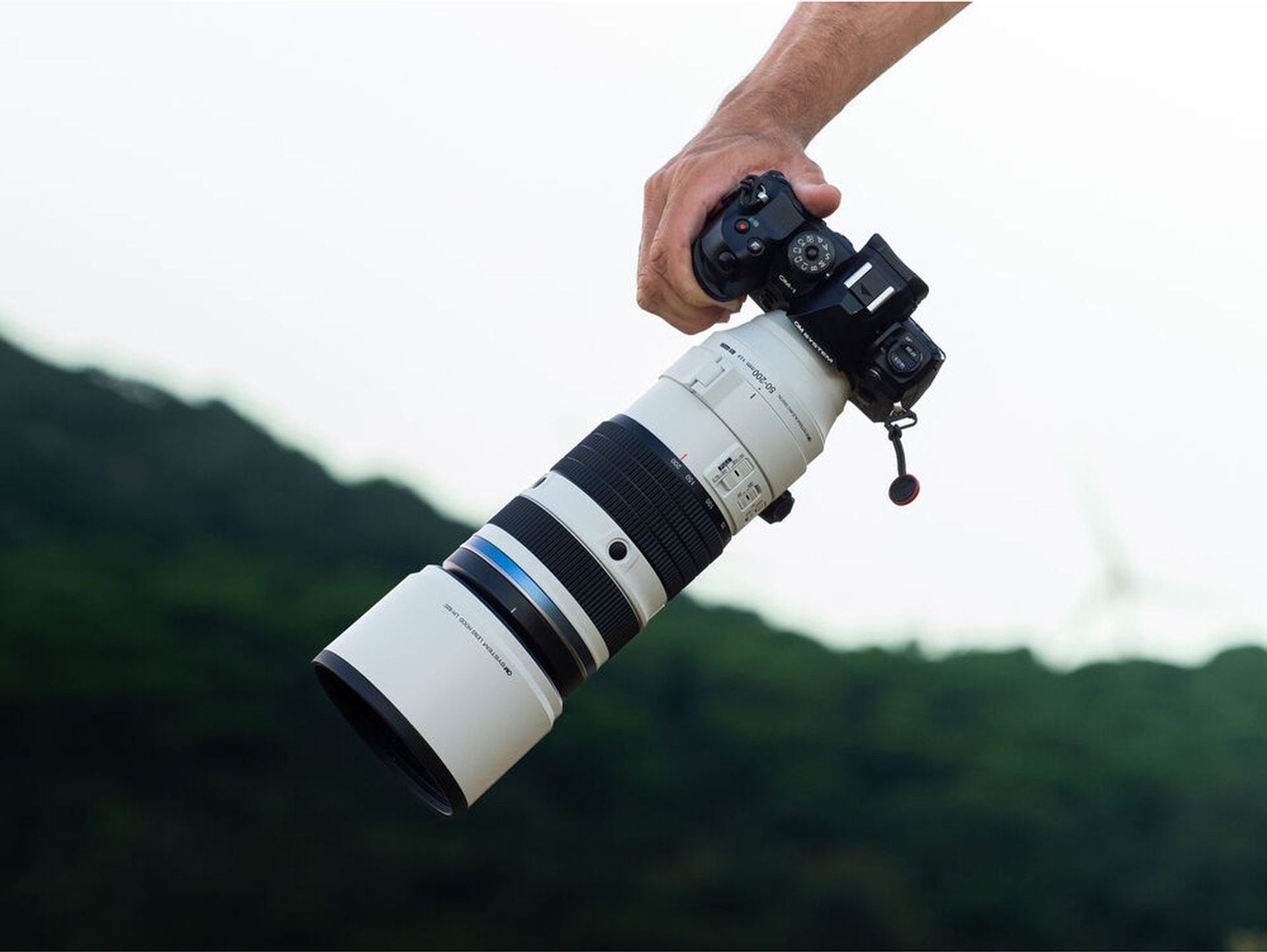
Choosing the right 70-200mm lens depends on your specific needs. Several key factors should guide your choice.
Think about what you shoot most often. Portrait and sports photographers benefit most from f/2.8. Travel and outdoor photographers might prefer f/4 portability.
Consider your typical shooting environments. Indoor work in available light strongly favors f/2.8. Outdoor photography in good light works fine with f/4.
Budget realistically for your purchase. Professional f/2.8 lenses cost between $2,000 and $3,000 new. Budget f/4 lenses start around $1,000 to $1,500.
Test lenses in person before buying if possible. Weight differences matter more during actual shooting than in specs. What feels manageable in a store might cause fatigue later.
Finding Your Perfect Lens Match: 70-200mm Lens Comparison
A thorough 70-200mm lens comparison reveals why this range dominates professional work. The versatility across multiple genres makes these lenses essential tools.
The f/2.8 versus f/4 decision depends on your priorities. Professional photographers shooting paid events typically need f/2.8 performance. Enthusiasts prioritizing portability find excellent value in f/4 versions.
Both options deliver professional quality when used within their strengths. Modern designs and autofocus systems produce stunning results regardless of brand. Third-party options provide excellent alternatives at competitive prices per Digital Photography School experts.
Consider your shooting style, typical environments, and budget carefully. The right 70-200mm lens becomes an invaluable tool handling countless situations. This investment pays dividends for years through consistent professional results.
See more from DIYPhotography.net on Google
Add DIYPhotography.net as a trusted source. This makes
our stories more likely to appear in your Google Search results.
 Add as a preferred source on Google

Darlene Lleno
Darlene Lleno brings a unique perspective to DIY Photography as someone who grew up surrounded by camera gear but chose words over lenses. With five years of writing experience, she specializes in photography content that’s both technically informed and genuinely passionate. Growing up with a photographer twin brother meant camera talk was everyday conversation in her household. While he mastered capturing moments, Darlene discovered she preferred being the subject and the storyteller behind the scenes. As a travel enthusiast and mother of two, she understands the importance of preserving life’s precious moments. When not exploring new destinations or writing for DIY Photography, you’ll find her reading or tending to her garden. Her approach to photography writing is refreshingly authentic, she may not be behind the camera, but she knows exactly what it takes to help others capture the shots that matter most.
Related Posts
 Sigma 70-200mm f/2.8 DG DN OS Sports for mirrorless is now official
 Sigma 200mm f/2 Sports is Out: Legendary Focal Length Is Back for Mirrorless Shooters
 The Tamron 70-210mm f/4 goes up against the new Canon 70-200mm f/4 IS II and Nikon 70-200mm f/4 VR
 Sigma issues product advisory for its 70-200mm f/2.8 Sports and 60-600mm f/4.5-6.3 lenses
Join the Discussion
DIYP Comment Policy
Be nice, be on-topic, no personal information or flames.