
















Bird photography : Improve your technique, not your gear, part 1
Jun 23, 2023
Jeremy Mudd

Dunja Djudjic is a multi-talented artist based in Novi Sad, Serbia. With 15 years of experience as a photographer, she specializes in capturing the beauty of nature, travel, concerts, and fine art. In addition to her photography, Dunja also expresses her creativity through writing, embroidery, and jewelry making.
Share:

There are a LOT of articles out there regarding bird and wildlife photography that are very gear heavy – buy this lens, get this camera body, you need this gimble, etc, etc. While I am the first one to admit that great equipment helps make great images, I’ve found that gear is only a portion of the equation that is getting great bird images.
Assuming that you are reading this because you already have some sort of gear to photograph birds and the desire to get better, there are things you can do to improve your images before you plunk down thousands of hard-earned dollars on more equipment.
This is part one of two in this series. I originally intended this to be one post but then it just became way too long! And the info is hard-learned for me, so I had to find a way to make it digestible in two posts versus cutting out stuff. Where possible I have images to illustrate my points. In this first part I cover the things to do while you are shooting in regard to composition, action, and time of day.
Let’s get started.
YOU DON’T ALWAYS NEED TO FILL THE FRAME WITH THE BIRD
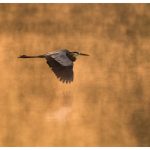
Just because you may not be close to the bird or have an effective 1050mm at your disposal, the “wider” or more “environmental” shots are a great way to capture birds AND show them where they live, the weather conditions, etc. Do it right and you can create a great image.
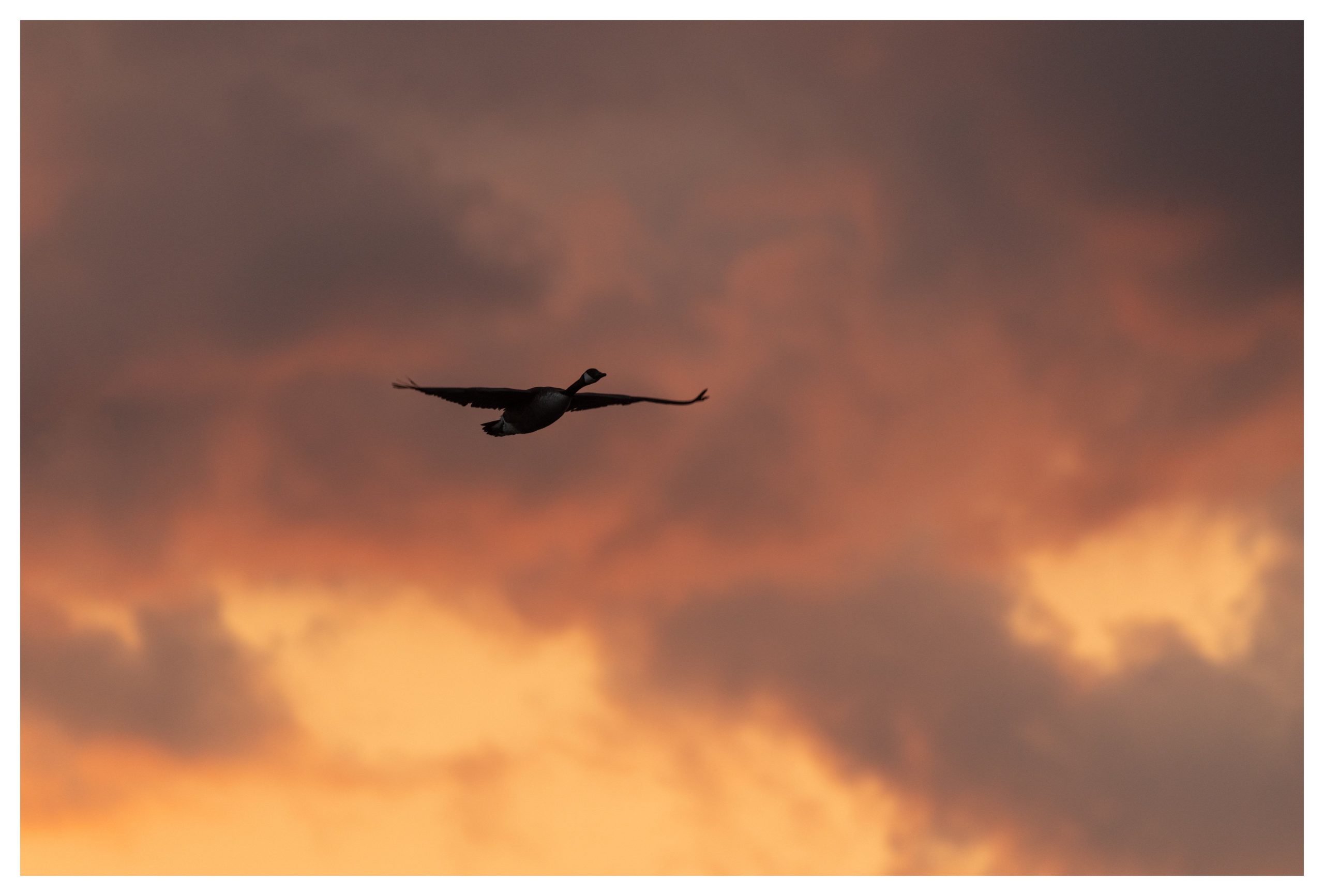
COMPOSITION
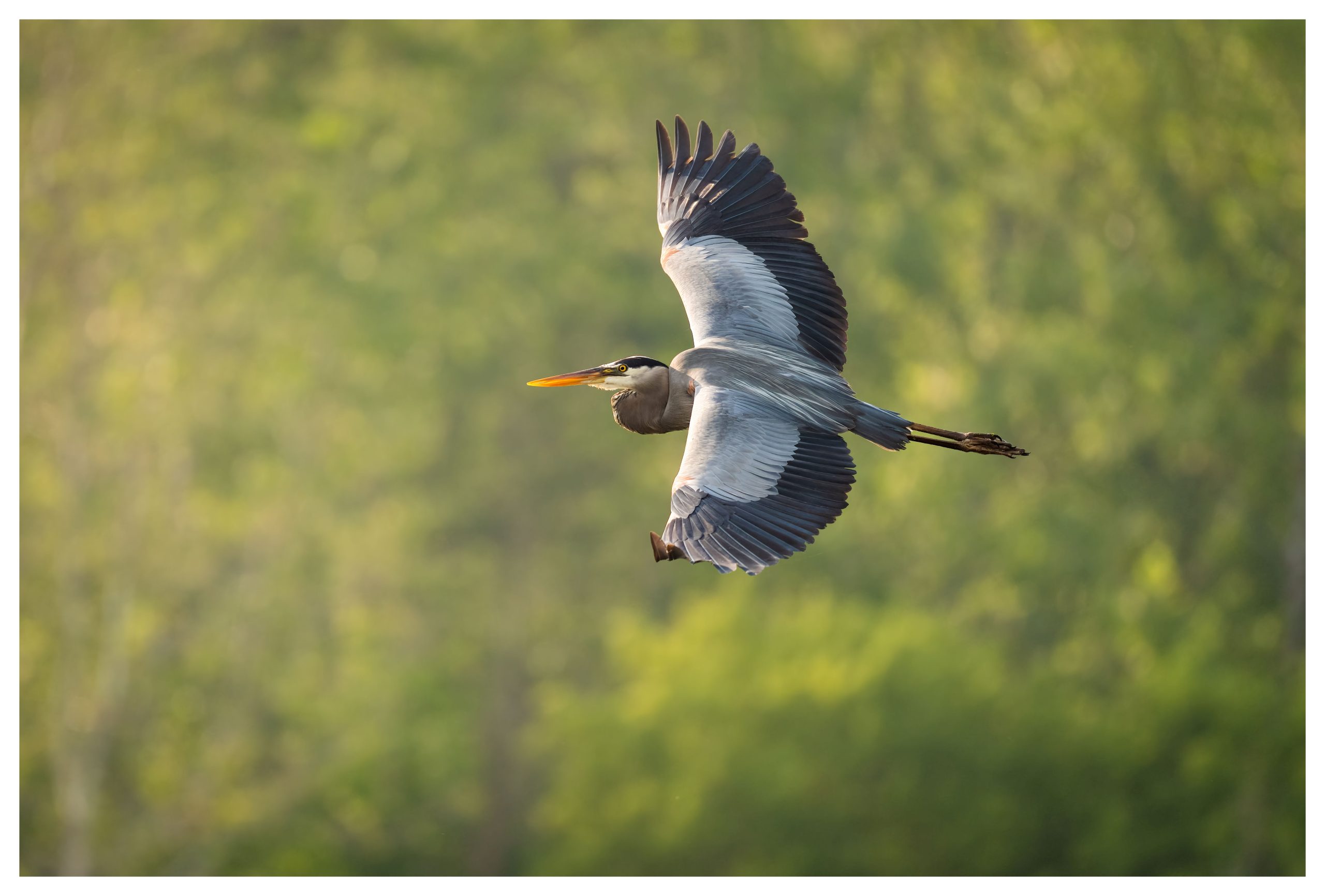
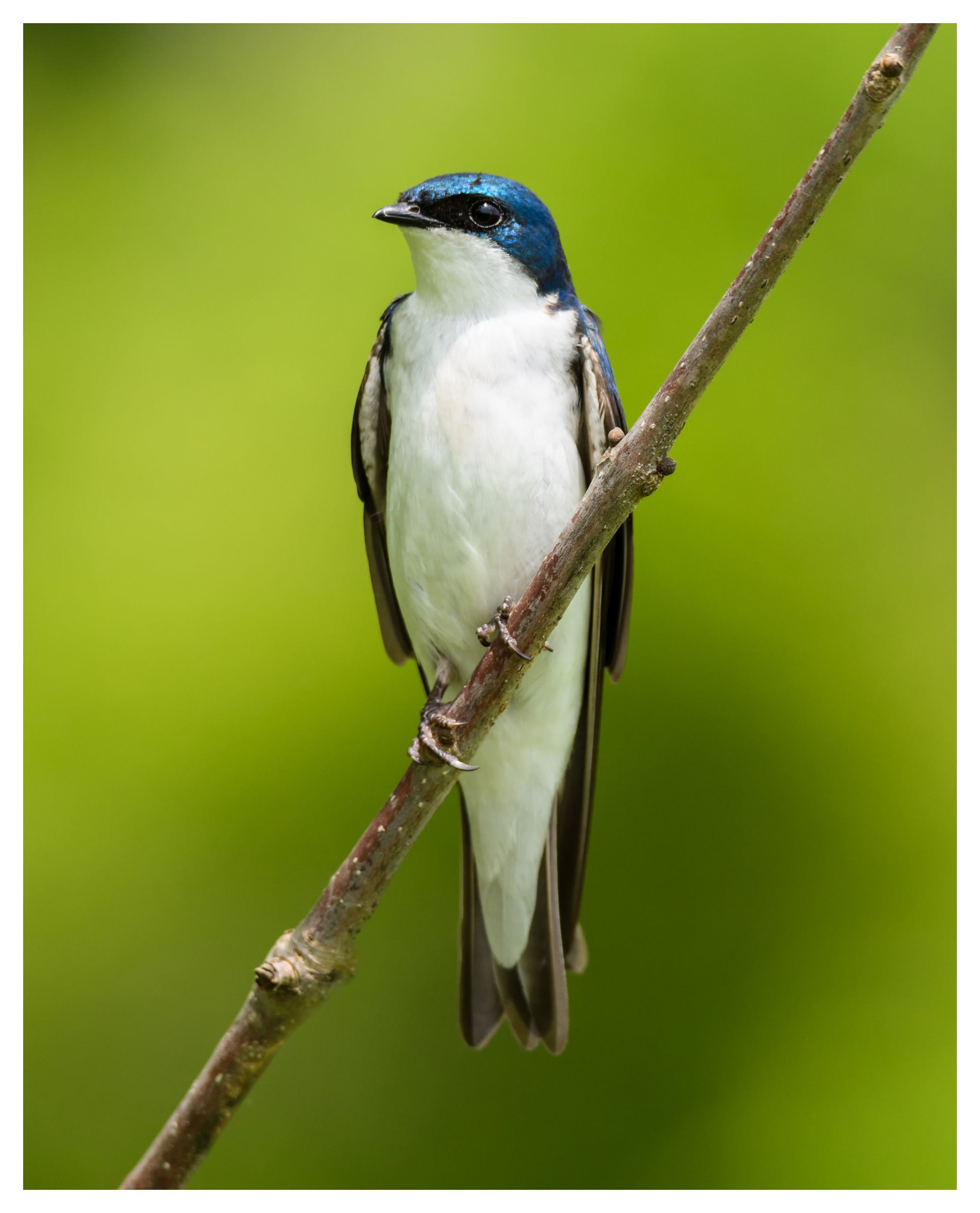
Generally, the rules of good composition still apply to bird photography. Birds add an additional layer as they are a moving, living being. A good example is a bird perching on a single, vertical-ish branch. If he’s looking left, then placement of the bird in the frame tends to lend itself to being in the right half of the frame. But if he turns and looks right, he’s better off in the left half. Birds in flight generally need a little more space in the direction they are flying if you capture them at a 90 degree angle from the side. I could go on and on but you get the point. Just putting the bird in the middle of your frame may make the most sense as most of your camera’s focus points are there, but artistically its boring.
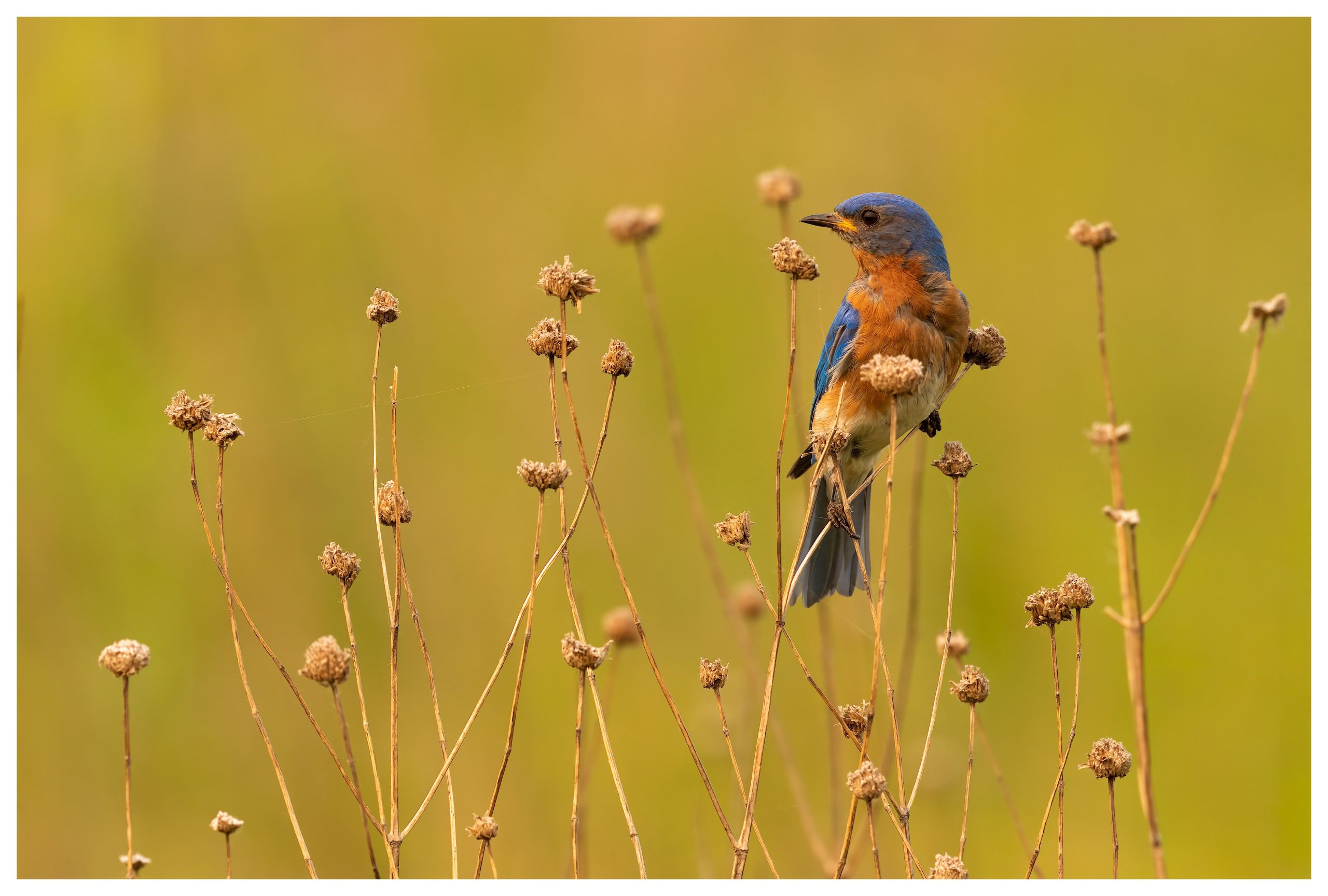
GET THERE EARLY, AND/OR STAY LATE
Most birds are the most active just after dawn and just before sunset. PLUS, you get the bonus of great golden, diffused light. I’m an early riser, so mornings are my time. Plus there’s something magical about hearing the birds come alive in the morning and filling the air with their music.
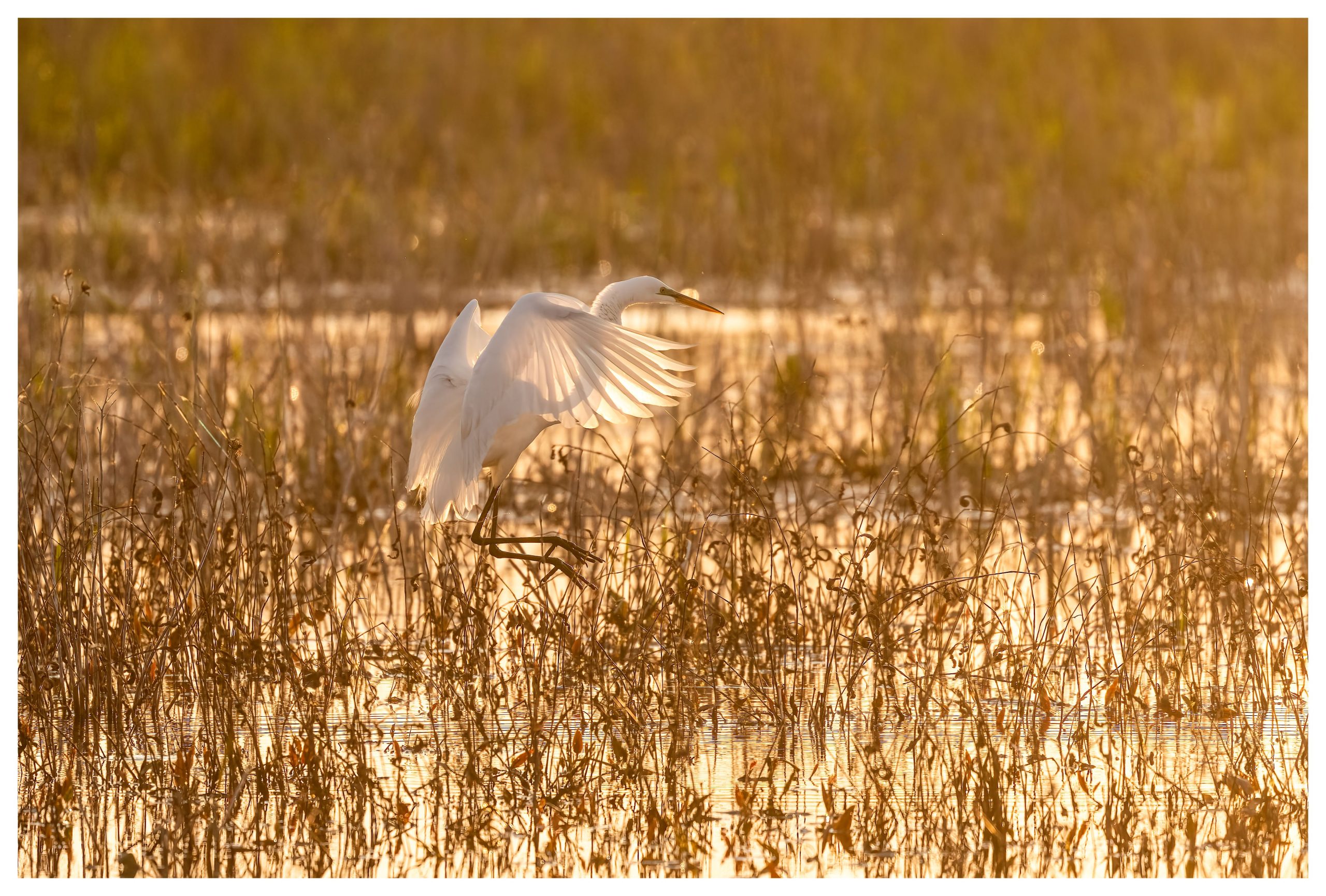
CAPTURE INTERESTING ACTIVITY OR BEHAVIOUR
A bird in a bush or on a tree is fine, but as Art Wolfe has said, a bird flying, fighting, feeding, or fu….err….. “mating” is more interesting. I often go out with the idea of just capturing behavior, especially during the off-season when its just the “local” birds in town.

BACKGROUNDS, BACKGROUNDS, BACKGROUNDS
This one is a common mistake that took me years to train myself to watch out for. When you get your subject in front of you, pay attention to what’s in the background. Would that background be less messy and cleaner if you moved a little bit to the left or right? Are you shooting wide open or close to that so that you can blow out the background into a dreamy look? By all means, if it’s a rare bird that’s gonna be in position for about 1 second, get that shot. And if he’s still there, think about what your next few shots might be to improve on it.


LEVEL-UP
Another common mistake. Everyone sees birds either way above their head if in flight, or below them if down on the water. Take a quick moment to try to get on the bird’s eye level. Not only does it create an image that’s more interesting, you are putting more of your focus area on the bird and less of it on the background and foreground.
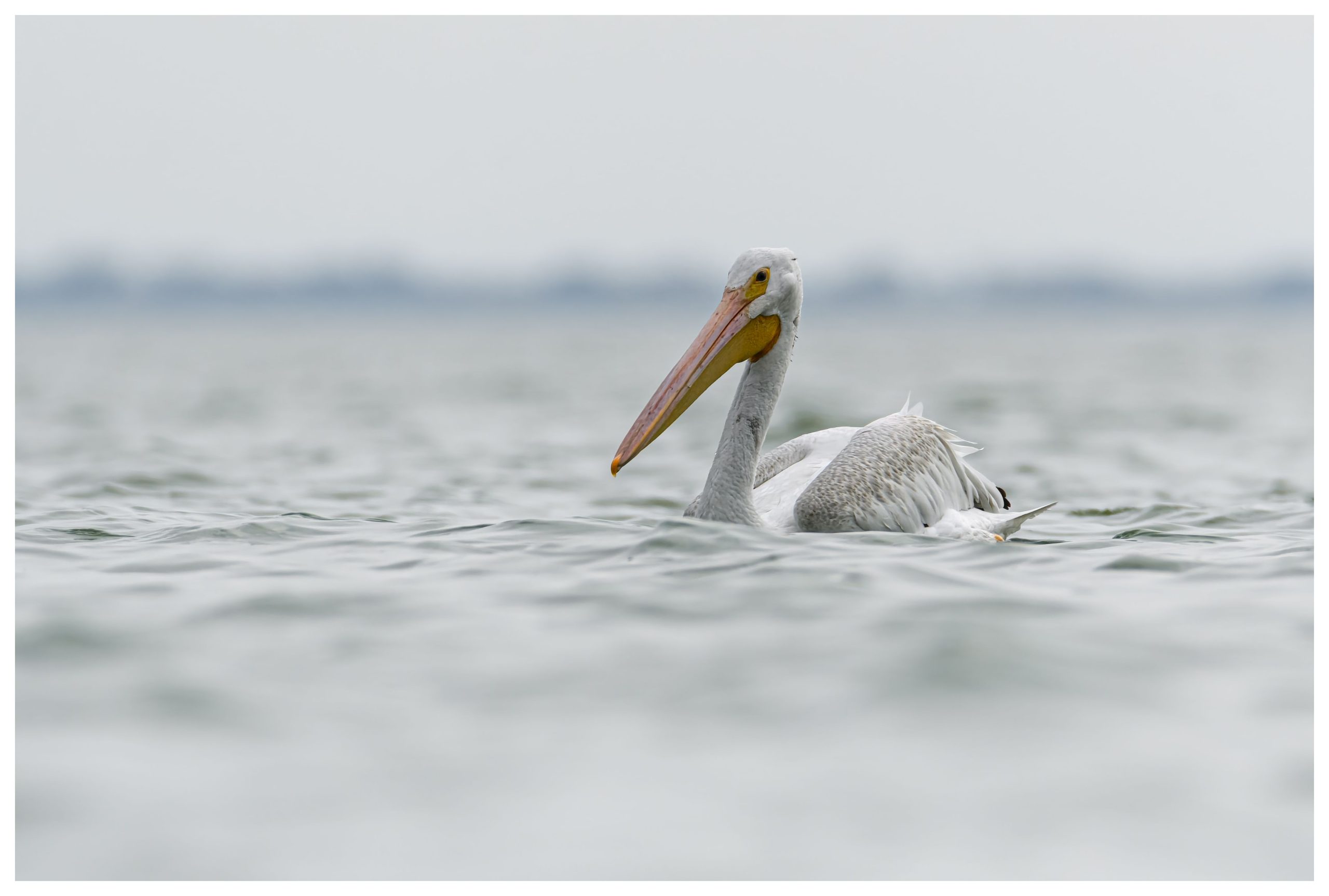
STOP TAKING IMAGES OF BIRDS FROM BEHIND
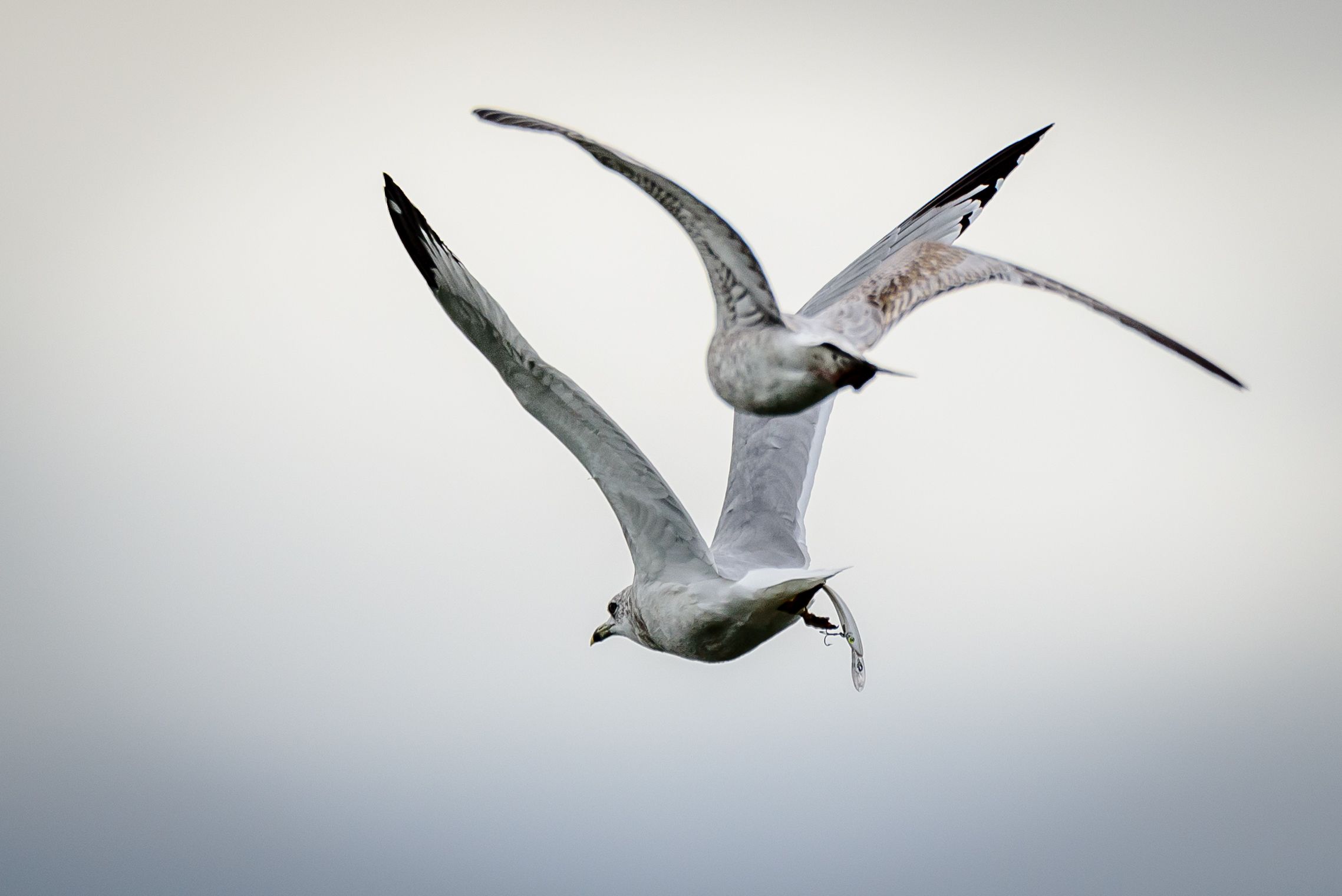
Stop it. Just stop. I don’t care how amazed you are at seeing a bird, don’t take images of it from behind and post them as your finished work. It’s a rookie move, one that we’ve all made. But grow out of it. Once the bird moves away from you and shows you its backside, stop firing the shutter.
MAN-MADE OBJECTS IN THE IMAGE = NOT GOOD
Enter any of your work in strict wildlife competitions and you quickly learn that man-made images in the shot like poles, wires, bird-houses, etc will get you DQ’d or judged harshly. I still will sometimes take an image of a rare bird on something man-made as a record shot, but its nothing that’s going into my portfolio.

BE FLEXIBLE – WITH YOUR SETTINGS
It’s not always possible to shoot in great light with 100 ISO. And sometimes birds like to move around quickly. So its always a compromise in terms of shutter speed and noise from high ISO. There’s a wildlife photography saying that goes something like “I’d rather have a noisy, sharp image than a clean blurry one”. Shoot the shutter speed you need to freeze the action and get feather details. There are plenty of good noise reduction programs out there to help you mitigate any noise.
TELL A STORY
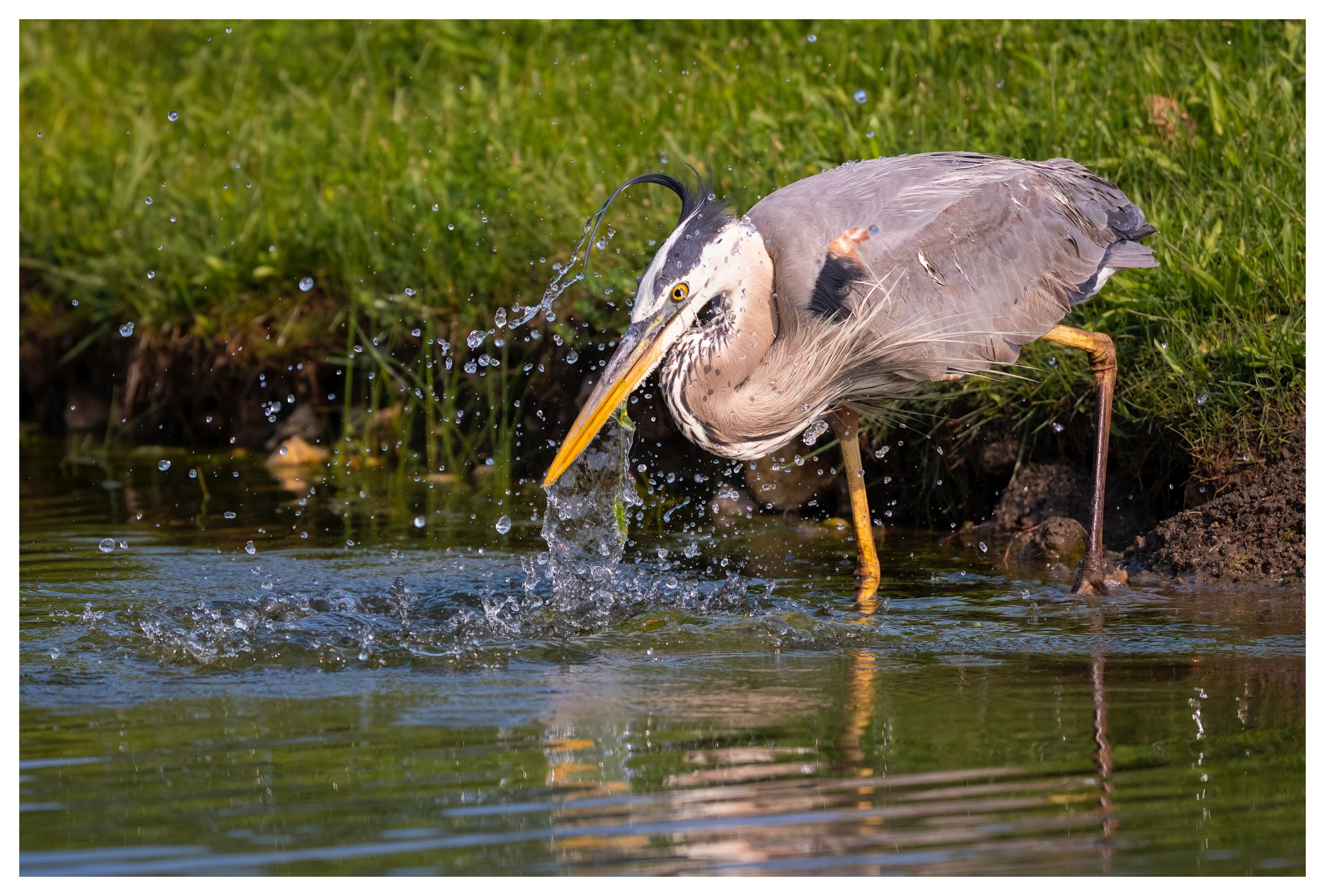
Often putting the bird in context with its surroundings, weather, etch goes a long way to engaging the viewer of your image. If you do it right, the viewer feels like they are there. And they are more likely to want to know more about birds.

That’s it for now! Stay tuned for the part 2 with more tricks and tips!
About the Author
Jeremy Mudd is an award-winning and published photographer based in Dayton, Ohio. Some of his favorite photography subjects are wildlife, landscapes, people, and events, and he especially enjoys photographing theatrical performances. For more of Jeremy’s work, make sure to visit his website and give him a follow on Instagram. This article was also published here and shared with permission.
See more from DIYPhotography.net on Google
Add DIYPhotography.net as a trusted source. This makes
our stories more likely to appear in your Google Search results.
 Add as a preferred source on Google

We love it when our readers get in touch with us to share their stories. This article was contributed to DIYP by a member of our community. If you would like to contribute an article, please contact us here.

Join the Discussion
DIYP Comment Policy
Be nice, be on-topic, no personal information or flames.
5 responses to “Bird photography : Improve your technique, not your gear, part 1”
Allow time, have patience. And learn wildlife habits. Maybe for a day or two just leave the camera gear at home and simply observe. You’d be surprised at what you can learn.
You must have read ahead to Part 2. :)
Jeremy, I enjoyed. But I liked your Song Sparrow shot, which looked eye level to me. Also, I don’t find man-made objects in photos an issue. FYI, I liked your first Tree Swallow photo more than your second. How about a powerful shot of an Osprey delivering food to young on a man-made platform nest, or an equally powerful shot of an adult Green Heron going toe to toe with one of its chicks on top of a chain-link fence? And talk about the storytelling aspect of each of those photos!
Thanks David. That Song Sparrow shot was actually shot from on my knees on the ground looking down at him, so it’s not *quite* eye level – but I’m glad you like it! The man-made object thing —- certainly everyone has differing opinions! The majority of wildlife/bird shooters that I know avoid such objects, and my advice on that also comes from the fact that many “competitions” or clubs do not allow man-made objects in wildlife shots. Those same groups also are very picky about what a “landscape” image is – no man-made objects like houses, bridges, etc. Certainly if you shoot a Green Heron with its chicks on top of a fence and like it, that’s your right! You just might not be able to enter that into a club or organized competition/show. Thanks for the comments and have a great day!
Jeremy, at least you got on your knees. Most would take the photo from a standing position. Interesting what you have to say about man-made objects, competitions, etc. And I certainly understand the appeal of photos taken in the wild where everything in the frame is wild. For what it’s worth, when I head out with my gear, I never think about the man-made things or competitions. What I do think about is taking compelling photos, especially photos with narrative appeal. Another thing I think about is capturing the unseen, or capturing what people never have occasion to see. Keep up the good work!