




















Why a 35mm Lens Is the Coolest Thing in Photography Right Now
Aug 19, 2025
Darlene Lleno
Darlene Lleno brings a unique perspective to DIY Photography as someone who grew up surrounded by camera gear but chose words over lenses. With five years of writing experience, she specializes in photography content that’s both technically informed and genuinely passionate. Growing up with a photographer twin brother meant camera talk was everyday conversation in her household. While he mastered capturing moments, Darlene discovered she preferred being the subject and the storyteller behind the scenes. As a travel enthusiast and mother of two, she understands the importance of preserving life’s precious moments. When not exploring new destinations or writing for DIY Photography, you’ll find her reading or tending to her garden. Her approach to photography writing is refreshingly authentic, she may not be behind the camera, but she knows exactly what it takes to help others capture the shots that matter most.
Share:

Why a 35mm Lens Is the Coolest Thing in Photography Right Now
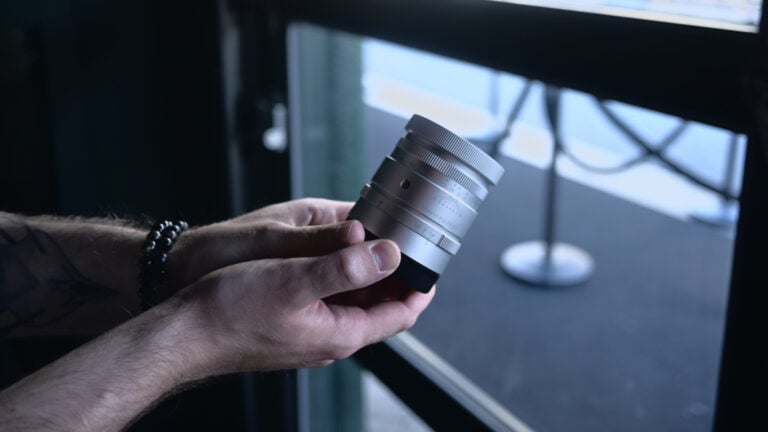
The 35mm lens has seriously taken over photography lately, and there’s a good reason why photographers everywhere are talking about it. This focal length hits that perfect sweet spot where you get enough width to capture context without making everything look weird or distorted.
You’ll find pros and hobbyists both reaching for their 35mm lens more often these days. It gives you a field of view that feels natural to your eyes while still letting you capture more of the scene than a standard 50mm lens would. That makes it work great for street shots, portraits, and pretty much anything else you want to shoot.
What Actually Makes a 35mm Lens Different
A 35mm lens gives you a 63-degree view on full-frame cameras. That means you’re not getting super wide like a 24mm, but you’re also not as tight as a 50mm or 85mm. The result feels just right for most situations.
The depth of field you get with a 35mm lens creates nice separation between your subject and background without that compressed look from telephoto lenses. This works really well when you want to show someone in their environment but still make them stand out.
Most photographers don’t realize how good this focal length is for telling stories. The 35mm lens puts viewers right in the scene instead of making them feel like they’re watching from far away. Your photos end up feeling more personal and engaging.
Why Street Photographers Love 35mm Lenses
Street photography has basically been revolutionized by the 35mm lens because you can get close enough to capture real moments without getting in people’s faces. The focal length lets you stay at a comfortable distance while still filling the frame nicely.
You can capture complete scenes without having to back up into traffic or climb on things. This is huge when you’re shooting in busy cities where you don’t have much room to move around. You get the whole story without missing important details.
Street photographers pick this focal length because it shows scenes honestly. You don’t get the funhouse mirror effect of ultra-wide lenses, but you still capture more than standard lenses would show.
Getting the Right Distance
The 35mm lens puts you at just the right distance from your subjects. You’re close enough to see expressions and connect with people, but not so close that you make them uncomfortable. This balance is perfect for candid street photography that relies on natural behavior.
Wedding photographers really appreciate this focal length during ceremonies. They can get the couple and immediate family while showing enough of the venue to give context. The 35mm lens means less running around compared to longer lenses that force you to back way up.

Portrait Photography Gets More Interesting with 35mm
Sure, everyone says you need 85mm or 135mm for portraits, but the 35mm lens brings something fresh to people photography. Environmental portraits become way more compelling when you can actually show where someone lives or works.
The slight wide angle adds visual interest without making people look weird. Your subjects appear natural and approachable instead of isolated from everything around them. This makes the 35mm lens perfect for portrait photography where context matters.
Corporate photographers use this focal length to show professionals in their actual work spaces. The lens captures enough of the office, studio, or workshop to tell the complete story about what the person does for a living.
Better Performance in Dark Settings
Most modern 35mm lens options come with wide maximum apertures like f/1.4 or f/1.8, which makes them great for shooting when light gets scarce. You can actually handhold your camera in situations where other lenses would need a tripod.
The wider field of view also hides camera shake better than longer focal lengths. This gives you more flexibility with slower shutter speeds. Concert photographers and event shooters depend on these characteristics to get sharp images in dim venues.
Indoor photography becomes much easier with a fast 35mm lens. You can capture entire rooms without switching to ultra-wide lenses that might make walls look like they’re bending.
Travel Photography Made Simple
Travel photographers have embraced the 35mm lens because it handles different situations without forcing you to carry multiple lenses. You can shoot landscapes with foreground interest, document local culture, and capture architectural details all with the same piece of glass.
This focal length works great for travel photography because it includes enough context to show where you took the photo. Viewers get a real sense of place that tighter focal lengths just can’t provide.
Street scenes in foreign countries come alive with this focal length. You can show how people interact with their environment, creating images that actually transport viewers to those distant locations.
Composition Gets More Creative
The 35mm lens makes you think differently about composition. You have to get physically closer to your subjects, which usually leads to more engaging images. This proximity creates stronger connections between you and whoever you’re photographing.
Advanced composition techniques like leading lines work really well with this focal length. The field of view is wide enough to include foreground elements that guide the viewer’s eye through your frame.
Technical Benefits Over Other Focal Lengths
Compared to ultra-wide lenses, the 35mm lens produces way less distortion while still giving you a generous field of view. Architectural photography benefits from straighter lines and a more natural perspective.
This focal length also gives you better subject separation than wider lenses. You can achieve shallow depth of field effects that make subjects pop from their backgrounds. This characteristic makes it useful for documentary-style portraits that need some background blur.
Autofocus tends to be faster with 35mm lens designs because they don’t need as much internal movement as zoom lenses. This makes them reliable for capturing those split-second moments that happen and disappear quickly.

Modern Technology Makes 35mm Lenses Even Better
Recent 35mm lens releases use advanced optical technologies that fix common wide-angle problems. Better distortion correction, chromatic aberration control, and improved edge sharpness make these lenses more appealing than older versions.
Weather sealing has become pretty standard on professional 35mm lens models. This protection lets you work in rain, snow, or dusty conditions without worrying about damaging your expensive gear.
The selection of available lenses has grown significantly over the past few years. Multiple manufacturers now offer high-quality options at different price points, making this focal length accessible to photographers working with various budgets.
Key improvements in modern 35mm lenses include:
- Better optical coatings that reduce flare and ghosting
- Faster and quieter autofocus motors
- Improved weather resistance
- Lighter weight despite better performance
- More affordable options from third-party manufacturers
Getting the Most from Your 35mm Lens
Using a 35mm lens effectively requires understanding its strengths and working with them. The focal length excels when you can get close to your subjects and include meaningful environmental context.
Camera settings become more critical with this focal length because you’re often working in varied lighting conditions. Learning to balance aperture, shutter speed, and ISO will help you maximize the lens’s potential.
Practice with different focusing techniques to take advantage of the depth of field characteristics. The 35mm lens can create beautiful bokeh while maintaining sharp focus on your main subject.
See more from DIYPhotography.net on Google
Add DIYPhotography.net as a trusted source. This makes
our stories more likely to appear in your Google Search results.
 Add as a preferred source on Google

Darlene Lleno
Darlene Lleno brings a unique perspective to DIY Photography as someone who grew up surrounded by camera gear but chose words over lenses. With five years of writing experience, she specializes in photography content that’s both technically informed and genuinely passionate. Growing up with a photographer twin brother meant camera talk was everyday conversation in her household. While he mastered capturing moments, Darlene discovered she preferred being the subject and the storyteller behind the scenes. As a travel enthusiast and mother of two, she understands the importance of preserving life’s precious moments. When not exploring new destinations or writing for DIY Photography, you’ll find her reading or tending to her garden. Her approach to photography writing is refreshingly authentic, she may not be behind the camera, but she knows exactly what it takes to help others capture the shots that matter most.




Join the Discussion
DIYP Comment Policy
Be nice, be on-topic, no personal information or flames.