























Thermal Imaging Is Transforming Olympic Photography at the 2026 Winter Games
Feb 17, 2026
Anzalna Siddiqui
A psychology major in her third year of Bachelor’s, Anzalna Siddiqui has endless curiosity for the human mind and a deep love for storytelling – both through words and visuals. Though she hasn’t taken up photography as a profession, her Instagram is where her passion finds its home. In addition to this, she’s a travel enthusiast who never travels without her camera because every place has a story waiting to be captured.
Share:
Getty Images thinks it’s time for something different and more personal. For the Milano Cortina 2026 Winter Games, they’ve decided to mix things up by focusing on heat instead of just visible light. In fact, thermal imaging is transforming Olympic photography in surprising ways.
This new project is called Winter Heat. Instead of capturing logos or flying snow, it aims to show the athletes’ life energy. I think this is a brilliant idea. While you relax at home, these athletes are pushing themselves to the limit, their bodies working hard just to cope with the freezing temperatures. As a result, thermal imaging is transforming Olympic perspectives by revealing what regular cameras cannot see.
[Related Reading: From Darkroom to Pit Lane: An Interview with F1 Photographer Clive Rose]
The Tech Behind the Glow: More Than Just a Predator Filter
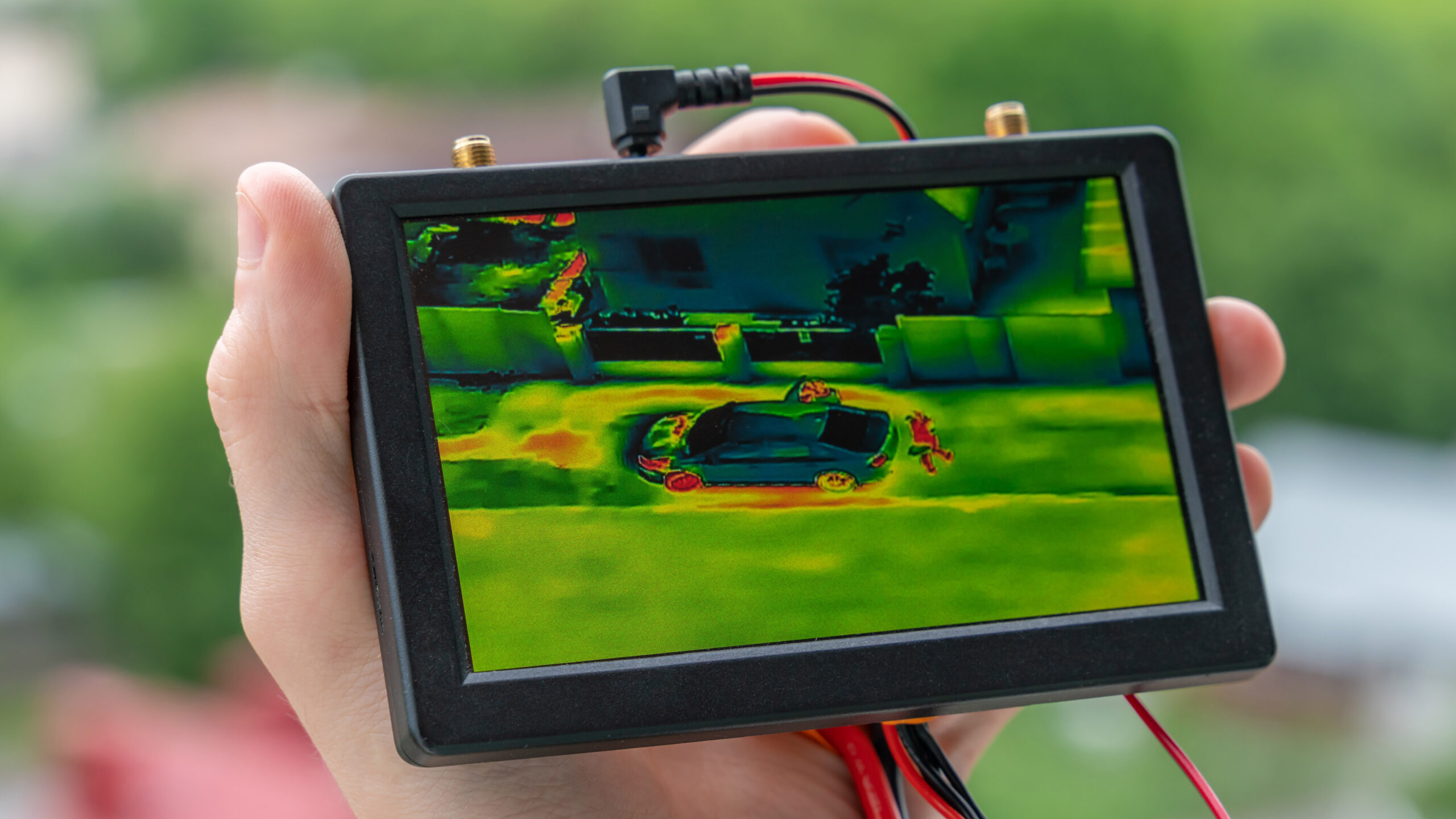
Initially, I thought this was just an Instagram filter. But Getty says they’re using top-notch thermal imaging cameras that skip regular photography altogether. Instead of focusing on light bouncing off objects, these cameras pick up long-wave infrared radiation.
In a typical photo, you see reflected light. In these thermal images, you see energy being emitted. The camera turns different temperatures into bright colors like bright oranges, deep reds, and cool purples. It may look like abstract art, but it’s really a map showing how hard someone is working. For instance, when you see a luge athlete’s body glowing like hot metal on a dark purple track, it’s more than just a person on a sled. It represents the intense effort required to keep their muscles warm enough to move quickly.
It looks like Getty is trying to connect sports photography with biological insights. They aren’t just capturing what the Olympics look like. They’re showing what it feels like. Clearly, thermal imaging is transforming Olympic visuals by providing a new layer of meaning.
Ryan Pierse and the Human Torch on Ice
One of the most memorable images from the early days of the Games was taken by Ryan Pierse. He photographed a luge athlete during a practice session on “Day Minus One,” which is the quiet time before the competition kicks off, when everyone is fine-tuning their techniques.
In Ryan’s photo, the athlete is a bright splash of neon orange. To me, this perfectly symbolizes the Winter Games. You have this small, warm human body, with a normal temperature of 98.6 degrees, racing through a cold environment that tries to pull that warmth away instantly. The contrast is striking. The track is a deep, cold blue, making the athlete appear like a shooting star.
Some may say that removing the athlete’s face and showing just a heat signature takes away their identity. I would disagree. By taking off the helmet and goggles, you reveal the pure intensity of their effort. An infrared sensor doesn’t lie. It shows the racing heart and straining muscles that a high-end camera often hides behind fancy gear. It gives a true glimpse into the physical demands of the sport.
Skating Through the Infrared Spectrum
It’s not just about fast sleds. Pauline Ballet brought a thermal camera to the ice rink for the Pair Skating Short Program, and the results are really interesting.
Figure skating usually focuses on beautiful costumes and elegant movements. But with Pauline’s thermal images, you can see the heat coming off the skaters. It turns a triple axel into a display of warmth. You can easily spot where the heat is coming from, like the neck, center, and legs.
It’s as if the photos are making a statement. Elegance hides hard work. Watching a skater’s heat pattern against the ice shows that the calmness we see on screen is fueled by a lot of effort. It’s amazing that technology meant for industrial use can create images that look like watercolor art. Furthermore, thermal imaging is transforming Olympic experiences by giving audiences new insight into the athletic effort and human drama.
Why This Shift is Important
Can this really be called “photography?” Without light, can it still be a photo? That’s something to discuss over drinks, but for now, let’s just say it’s engaging visual storytelling.
Getty aims to go beyond the typical action-and-result approach. They’ve been focusing more on documentary-style projects recently, and Winter Heat exemplifies that trend. It’s about the setting. It’s about the atmosphere. It captures the intense cold that these athletes face all the time.
I personally appreciate any technology that helps us see familiar subjects in a fresh light. For over a hundred years, we’ve seen “fast shutter speed” Olympic photos, so we know what a gold medalist looks like as they cross the finish line. But do we understand what they experience when they’re battling against freezing winds? Now you do. In summary, thermal imaging is transforming Olympic photography and allowing viewers a remarkable new viewpoint.
Is This the Future of Sports Coverage?
It’s unlikely that thermal imaging will take over traditional equipment. You still want to see the brand names on skis and the happiness on people’s faces. But Getty seems to think you might be getting tired of the usual perfect shots.
By using these cameras, they’re giving viewers a closer look at the athletes’ bodies. While not every sport will look great in orange and purple, some, like curling, may just appear as blobs. These images are eye-opening for high-energy endurance sports.
Remember that every bright spot represents calories being burned and muscles working hard. This makes the Winter Olympics feel more real and less like a video game. It’s a unique, interesting, and slightly sweaty look at top athletes, and I love it.
[via digital camera world]
See more from DIYPhotography.net on Google
Add DIYPhotography.net as a trusted source. This makes
our stories more likely to appear in your Google Search results.
 Add as a preferred source on Google

Anzalna Siddiqui
A psychology major in her third year of Bachelor’s, Anzalna Siddiqui has endless curiosity for the human mind and a deep love for storytelling – both through words and visuals. Though she hasn’t taken up photography as a profession, her Instagram is where her passion finds its home. In addition to this, she’s a travel enthusiast who never travels without her camera because every place has a story waiting to be captured.




Join the Discussion
DIYP Comment Policy
Be nice, be on-topic, no personal information or flames.