
















From Darkroom to Pit Lane: An Interview with F1 Photographer Clive Rose
Jan 18, 2026
Dunja Đuđić Kalinin
Dunja Djudjic is a multi-talented artist based in Novi Sad, Serbia. With 15 years of experience as a photographer, she specializes in capturing the beauty of nature, travel, concerts, and fine art. In addition to her photography, Dunja also expresses her creativity through writing, embroidery, and jewelry making.
Share:
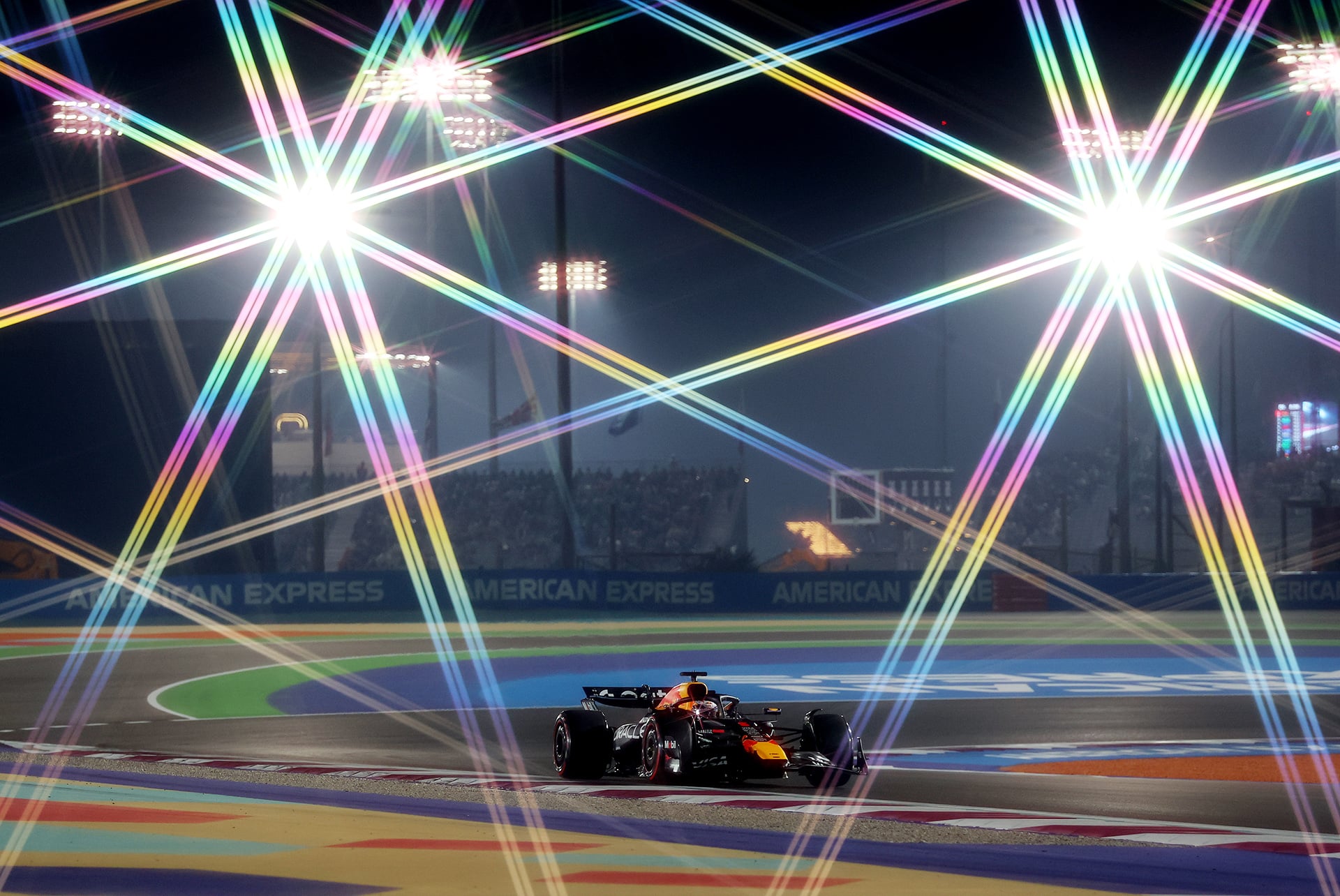
I grew up watching Formula 1 races with my dad in the 1990s. And now in 2020s, I got to talk to someone who spends their life trackside. It feels a bit like stepping back into those Sunday afternoons back in my family home.
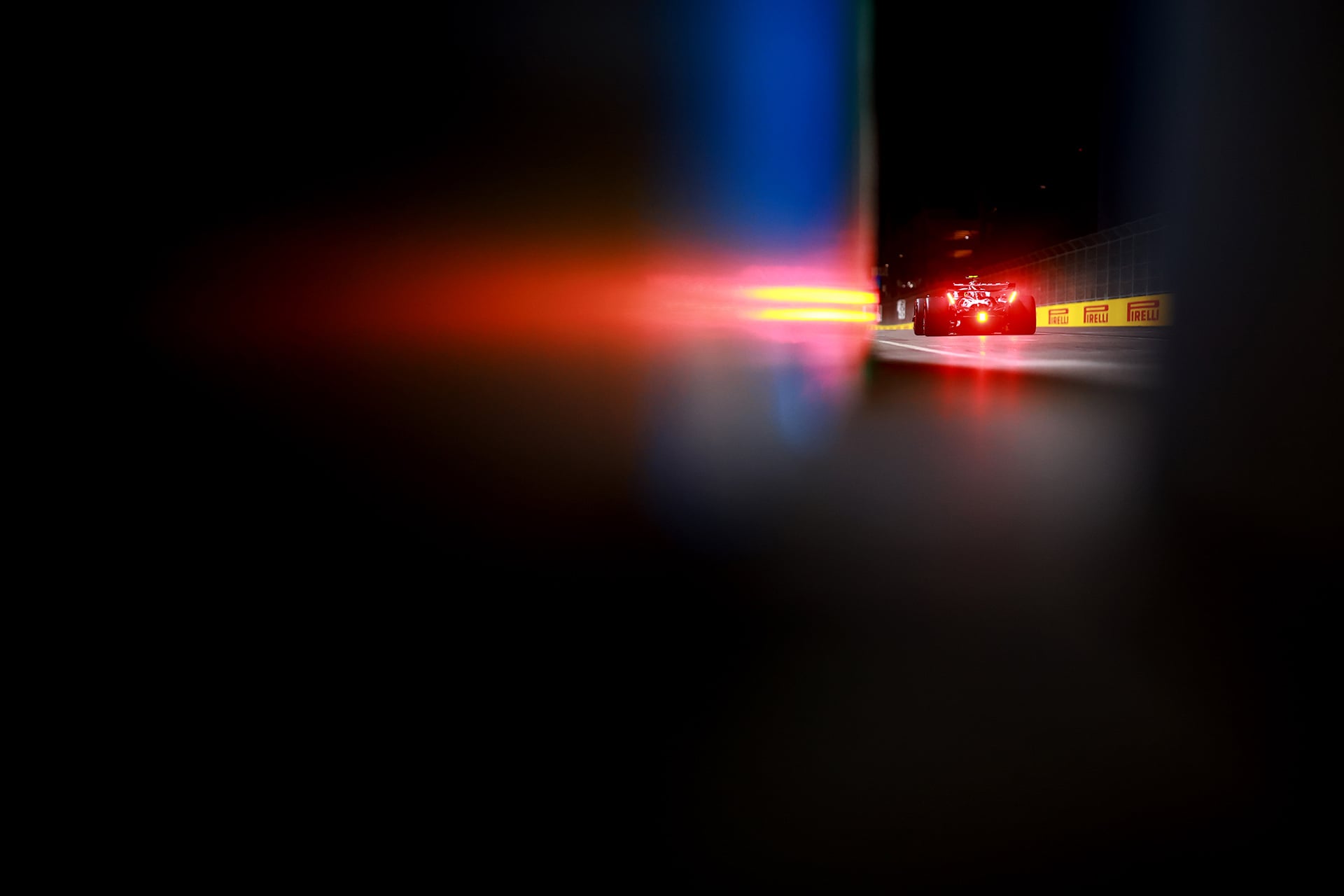
Clive Rose, Chief Sports Photographer, Getty Images, has spent decades capturing the speed, emotion, and in-between moments of motorsport, skiing, aquatics, and even Gran Turismo esports. In his interview with DIYP, we talked about the darkroom moment that lit the first spark of love for photography. Clive also shares how knowing a sport firsthand shapes the way you photograph it, and what it takes to stay creative, fast, and safe when everything happens in a fraction of a second.
DIYP: What came first for you: the love of sports or the love of photography? Do you remember the first time you felt: “Okay, this is what I want to do for real?”
Yes, for me it was when I stepped into a dark room environment for the first time. That’s what really ignited my passion for photography and then I just went all out to combine that with my other passion for motorsports. Formula 1 being the pinnacle of that. Along the way, I’ve managed to combine all my other interests with photography as well, including skiing, aquatics and even Esports!
DIYP: Across F1, GT e-sports, water sports, and snow sports, is there one kind of genre you never get tired of photographing? Or do they each take the same spot in your heart? What connects them for you personally?
I think they all occupy a certain space for me. Without a doubt, the connecting factor has been sports I’ve been able to do myself. It helps with understanding how to photograph them better. Skiing would be a particularly good example of this. Knowing how to ski well and fast gives you insight into what positions on the course may give the best action for the imagery, especially during major sporting events and moments like the Winter Olympic Games.
You’ve witnessed F1 evolve massively over the decades: visually, culturally, technologically. And you follow it from the front row, unlike us behind our TV screens. :) What changed the most from a photographer’s standpoint?
Access would be the most obvious one. 20-30 years ago, photographers would document much closer to the action. With the evolution of car and racing technology, safety has become a major factor. It can be difficult to maintain new and exciting angles at times; however, there’s so much more to capture during events as the sport has increasingly grown in popularity over the years.
As the Official Photographic Agency of F1, Getty Images has unique access during all major Grand Prix events. Our depth of coverage on race day is wide-ranging and creates opportunities for capturing iconic motorsport moments, including race drama, pit lane walks, inside the garages, at the paddock, podium-winning moments, celebrity fanfare and more. Plus, our team has combined hundreds of years of motorsport experience and expertise, enabling us to pivot and document moments that you wouldn’t find anywhere else.
From a technical point of view, I would say the shift from film to digital, and more latterly from mirror to mirrorless cameras, has drastically changed how we capture motorsports. There’s a lot more room for creativity and capturing much more rapidly. Remote cameras have also helped with modernizing event coverage by enabling us to be in places that photographers physically can’t be in. This is especially important for big racing moments, wrecks, etc.

Working for Getty Images, how do you select the keepers? Do the “Getty-approved” images differ from your personal favorites in any way?
At Getty Images, we always strive to create differentiated imagery for our customers both editorially and commercially. We’re shooting thousands of images per race, per photographer, so it’s important that we’re keeping up and distributing our coverage in near real-time. As a team, we’ve spent a lot of time understanding the pain points for sending quickly from our cameras at the different tracks. The comms infrastructure of a particular country can also vary, but we have an expert editing team who supports us with getting our photos out quickly. It’s a collaborative effort among the team and we’re always transmitting coverage in a way that services many different needs.
DIYP: One question for our gearheads: is there a camera+lens combo you swear by? And does this change depending on the sport and the event that you’re covering?
Yes. Without doubt, the trusty 400mm 2.8 would be one lens that should be in every serious sports photographer’s armory. It’s what I would call a ‘forever’ lens. Short primes come and go with fashion and styles, but you will never not need your 400mm!

DIYP: How do you balance instinct vs. thorough planning when everything happens in a fraction of a second? Any tips for new sports photographers?
It’s really important to know your sport inside out, as well as the athletes and how they move. The research beforehand is vital and provides a leg up to ensure that you’re thinking outside of the box. That’s how your coverage really stands out and brings a level of expertise to photographing.
It’s also important to get an idea of the venue and space you’re shooting from that can enable you to be able think and pivot on the spot versus panic in the moment. A lot of time, luck is a factor in sports photography—whether it’s the way someone celebrates or reacts or something gets in the way—so there will be times when you end up being in the wrong spot and miss the moment. It’s all part of the job.

DIYP: Sports photography is all fun and games until something very fast decides you’re part of the event. I’ve seen many incidents where a ball, a piece of debris, or even a skier slammed into a photographer at full speed. What are your personal rules for staying safe, and do you have any advice for other photographers?
At pretty much all major sporting events, those boundaries are set by the organizers. In rare cases where it’s not, you have to use common sense. This is especially true for motorsports, which is why we use remote cameras or drones for potentially dangerous or unsafe shots.
DIYP: I grew up religiously watching F1 in the 90s with my father, and now, long after he passed, I am watching it again. I found my own love for racing through video games way before I even started actively driving. Needless to say, I adore Formula 1 photos just as I do races. Do you ever think about how your images become part of someone’s personal history, and perhaps inspired and shaped future sport photographers?
Personally speaking, the primary goal (everyday) is to go out and make the best images you can. If that falls into the realms of historic storytelling or motivating others, then that is fantastic. Some people say go and check out people’s photos for inspiration, but I don’t 100% subscribe to that. You must keep an open mind to produce new angles. Looking for too much inspiration can snuff out that creativity, so I would say just get out there and shoot what you like. Photography is subjective after all!
Thank you Clive for sharing your knowledge and insights with DIYPhotography. And for our readers, you can check out his marvelous F1 and other photos on his website and Instagram.
See more from DIYPhotography.net on Google
Add DIYPhotography.net as a trusted source. This makes
our stories more likely to appear in your Google Search results.
 Add as a preferred source on Google

Dunja Đuđić Kalinin
Dunja Djudjic is a multi-talented artist based in Novi Sad, Serbia. With 15 years of experience as a photographer, she specializes in capturing the beauty of nature, travel, concerts, and fine art. In addition to her photography, Dunja also expresses her creativity through writing, embroidery, and jewelry making.



Join the Discussion
DIYP Comment Policy
Be nice, be on-topic, no personal information or flames.