











Taiwanese musician uses AI to recreate his deceased daughter
Mar 20, 2024
Dunja Đuđić Kalinin
Dunja Djudjic is a multi-talented artist based in Novi Sad, Serbia. With 15 years of experience as a photographer, she specializes in capturing the beauty of nature, travel, concerts, and fine art. In addition to her photography, Dunja also expresses her creativity through writing, embroidery, and jewelry making.
Share:
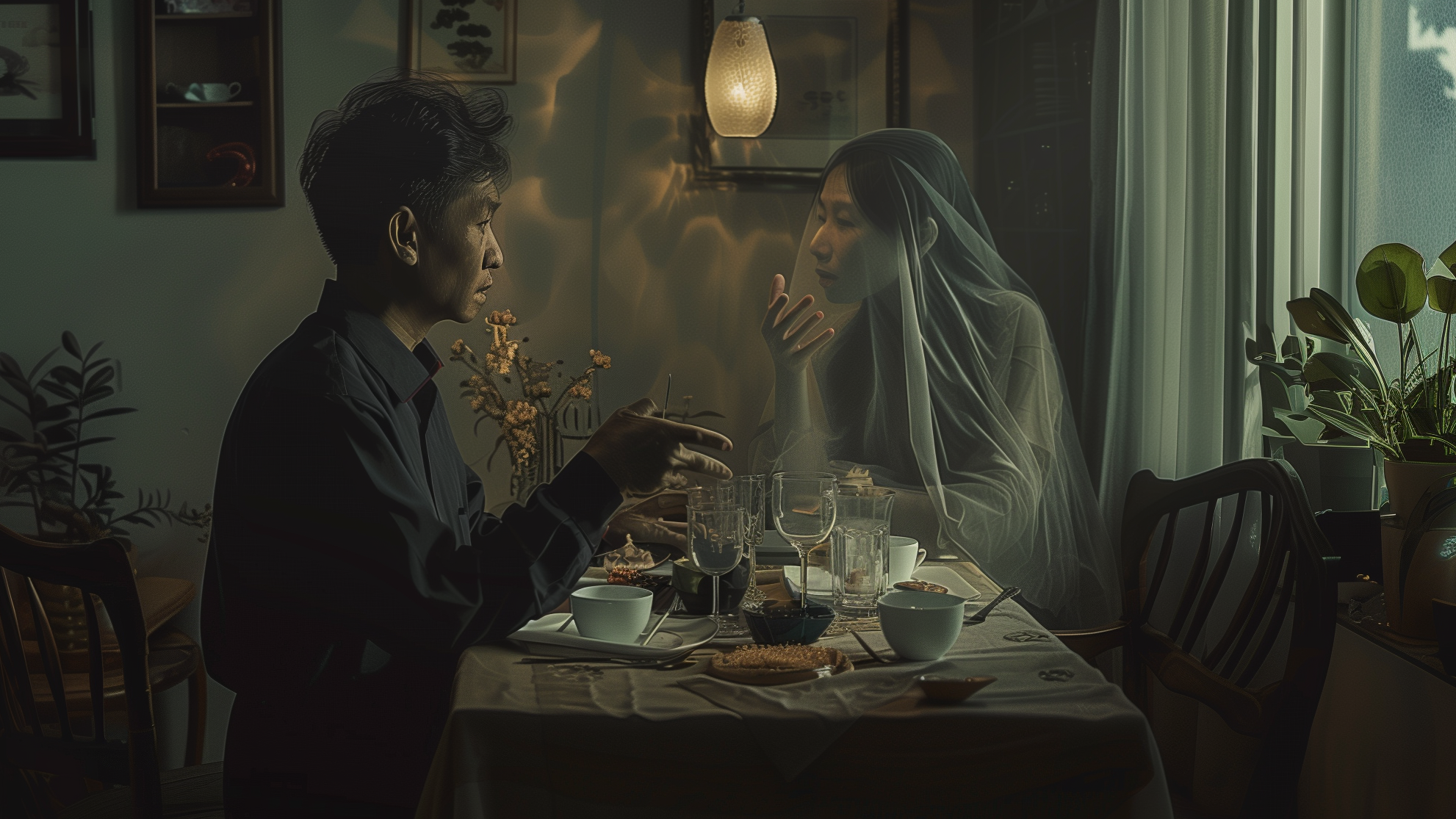
A Taiwanese musician, Tino Bao, has found solace in grief through a unique approach – creating a digital replica of his daughter using AI technology. Bao’s daughter, Rong, passed away in 2021 at the age of 22 after battling aplastic anemia, a rare blood disease.
The AI rendition features Rong singing Happy Birthday to her mother and expressing how much she misses her. The video, which has gone viral in Taiwan, showcases the potential of AI to offer comfort in an unimaginable loss.
Bao told the South China Morning Post that he and his wife didn’t speak to each other for half a year after their daughter died. They feared that they might say something that could upset or hurt the other. However, he found solace in recreating their daughter and “keeping her alive in the digital world.”
The musician said that recreating his daughter’s image was fairly easy as the family had many photos of hers. However, recreating her voice took more work. Still, when his wife overheard him training the audio model, she asked: “Why does that voice sound so much like Bao Rong?”
“Because she is Bao Rong,” he replied.
Bao claims that their “digital daughter” has helped him and his wife in the grieving process. It helped them reconnect and begin to move forward.
The use of AI to combat grief and loss
Bao and his wife aren’t the first to use AI recreations to tackle this immeasurable loss. And I’m talking about real-life examples, not just Black Mirror’s Be Right Back or“resurrected” actors in movies.
We reported on an undertaker service in China that uses AI to generate life-like avatars of the deceased, allowing their family to “communicate” with them. You can also do it yourself using MyHeraitage’s Deep Nostalgia tool.
Potential benefits and dangers
We recently had an interesting discussion on this very topic in my Mental Health class. Still, searching for papers on this topic wasn’t fruitful. This phenomenon is still relatively new, so I guess it has yet to be researched. But I can give you my two cents and hopefully spark a conversation.
Personally, using Deep Nostalgia freaked me out. However, I believe some people can find comfort in animations like this, but we’re not all the same. I can see how it could provide some people a much-needed sense of closure and comfort.
On the other hand, using AI creations could easily do more harm than good. Overreliance on AI interactions might delay or stall the natural grieving process. The comfort and familiarity of the AI representation could lead to an unhealthy emotional dependence, making it even harder to move on. Then, the technology can’t replicate the full complexity of a person. AI portrayals may not capture the nuances of personality or the dynamic nature of a relationship – which can lead to new frustrations, anger, and sadness.
Last but not least, think of the ethical concerns. Questions arise about the deceased’s consent to such a digital representation. Additionally, the technology could be misused for malicious purposes, like creating deepfakes to exploit others emotionally.
The bottom line is that the technology can offer a sense of connection, but it may also hinder the crucial process of fully accepting the loss. There’s a very fine line between the two, and from my point of view, it seems utterly difficult to walk on it and not tip over into dependence and unhealthy attachment. That is, once again, just my opinion – and I’d love to hear from you.
[via PetaPixel; lead image created with Midjourney]

Dunja Đuđić Kalinin
Dunja Djudjic is a multi-talented artist based in Novi Sad, Serbia. With 15 years of experience as a photographer, she specializes in capturing the beauty of nature, travel, concerts, and fine art. In addition to her photography, Dunja also expresses her creativity through writing, embroidery, and jewelry making.
Related Posts
 Photographer runs epic photo shoot to recreate Beauty and the Beast with his daughter
 This Musician Uses Time-Lapse to Make an Unbelievable Music Video
 Dad, daughter, and photographer work remotely to recreate iconic movie scenes
 Mother uses deepfakes to get her daughter’s cheerleading “rivals” kicked off the team
Join the Discussion
DIYP Comment Policy
Be nice, be on-topic, no personal information or flames.