























SPHEREx Captures Thousands of Brown Dwarfs in 102 Infrared Colors
Oct 27, 2026
Soumyadeep Mukherjee
Soumyadeep Mukherjee is an award-winning astrophotographer from India. He has a doctorate degree in Linguistics. His work extends to the sub-genres of nightscape, deep sky, solar, lunar and optical phenomenon photography. He is also a photography educator and has conducted numerous workshops. His works have appeared in over 40 books & magazines including Astronomy, BBC Sky at Night, Sky & Telescope among others, and in various websites including National Geographic, NASA, Forbes. He was the first Indian to win “Astronomy Photographer of the Year” award in a major category.
Share:
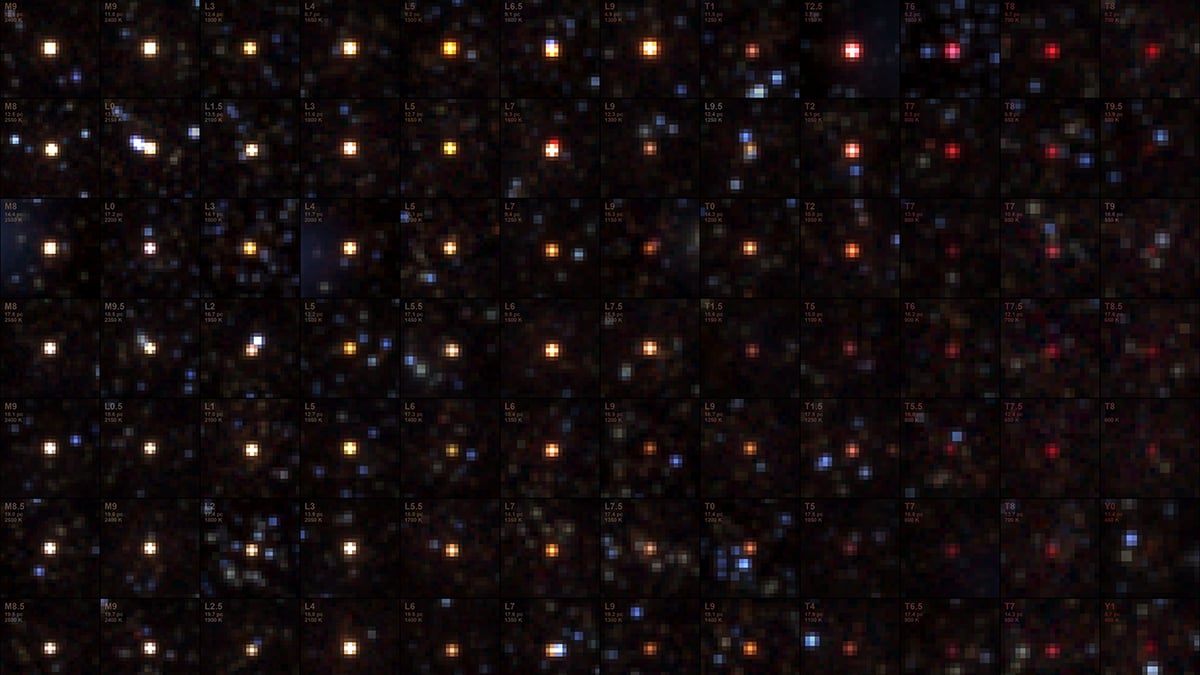
NASA’s SPHEREx space telescope is giving astronomers a new way to photograph some of the faintest objects in our cosmic neighborhood. Its latest observations reveal a collection of brown dwarfs, with infrared measurements showing differences that ordinary photographs cannot capture. A new study examines 37 nearby brown dwarfs using SPHEREx data. The telescope recorded their brightness across 102 wavelength bands, revealing signatures of water, methane, carbon monoxide, and carbon dioxide.
Photographing the sky in 102 colours
SPHEREx was launched on 11 March 2025 with a mission to map the entire sky in optical and near-infrared light. Its full name is the Spectro-Photometer for the History of the Universe, Epoch of Reionization, and Ices Explorer. NASA designed the mission to investigate the early universe, map galaxy distribution, and study frozen ingredients in interstellar space.
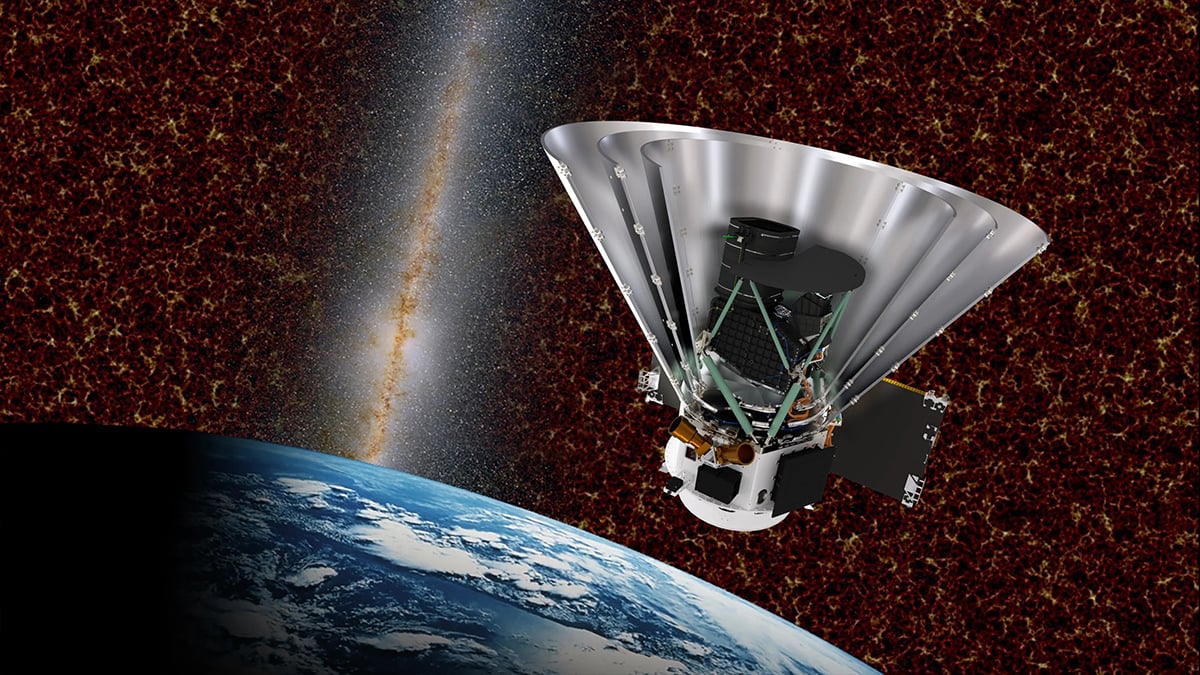
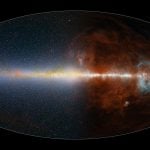
A regular camera records red, green, and blue channels and combines them to produce a color image. SPHEREx measures light in 102 wavelength bands, extending from deep red light into infrared wavelengths that human eyes cannot see. Each band records a different part of the incoming spectrum.
The telescope also collects an enormous amount of data. It takes about 3,600 unique images each day as it scans the sky. Scientists combine those observations to build maps covering the entire celestial sphere.
The Brown Dwarf Collage
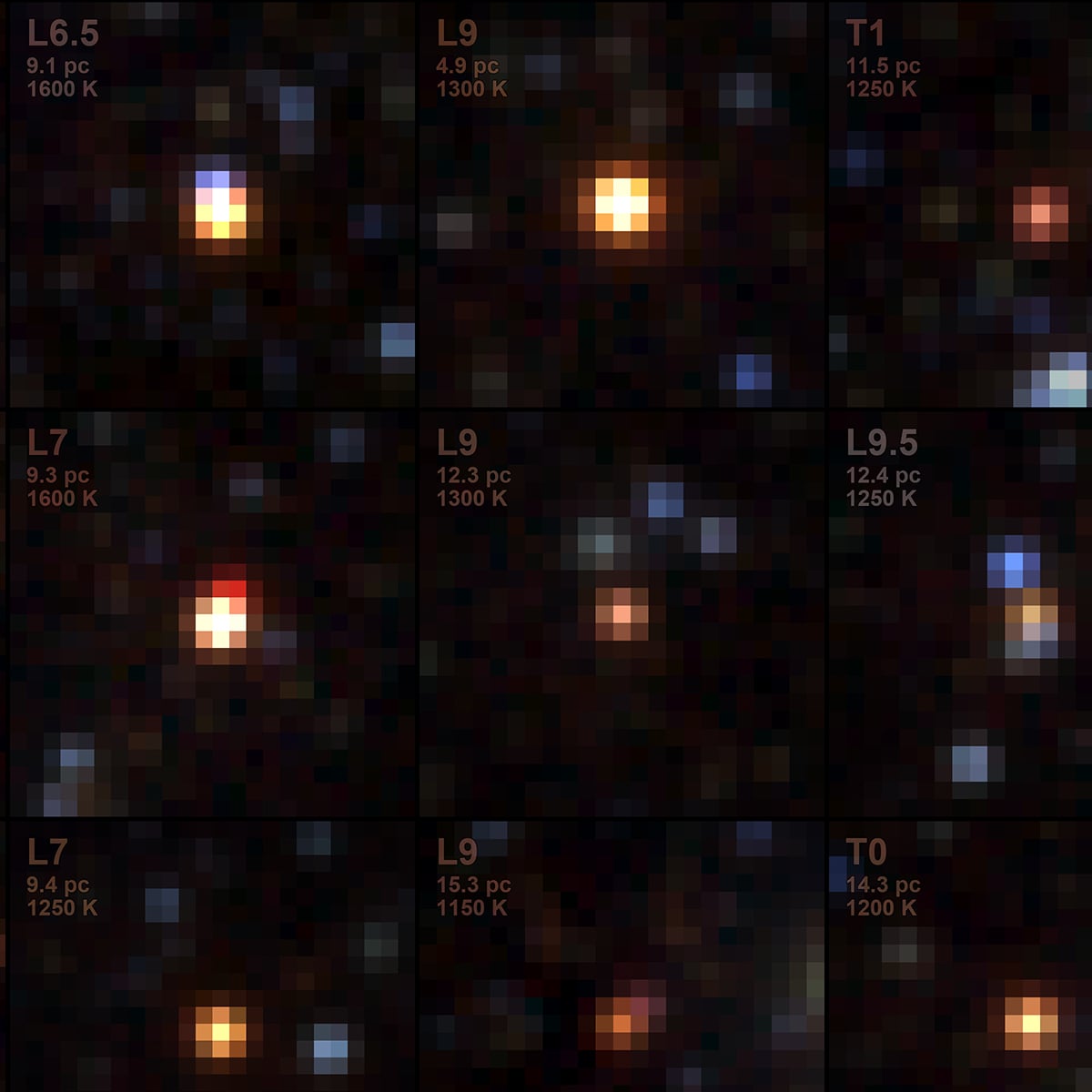
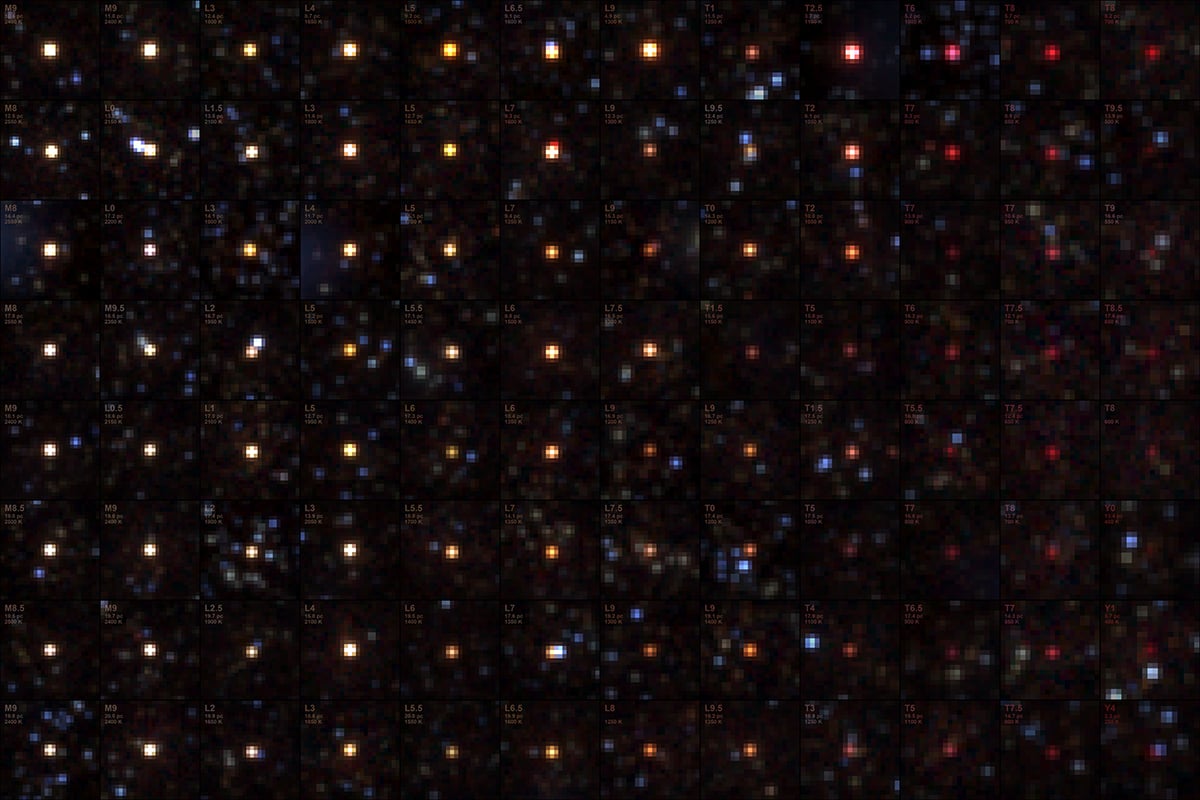
NASA has published a collage that brings several brown dwarf observations together in one frame. The researchers arranged the objects by spectral type, distance, and temperature, with the temperatures given in kelvin.
Each image represents measurements made at infrared wavelengths, where brown dwarfs emit light that carries clues about their atmospheres. Researchers can compare these measurements to see how the observed light changes between objects with different physical properties.
Brown dwarfs are particularly challenging targets because they emit far less light than ordinary stars. They also cool as they age, so their brightness and spectral features can vary substantially. SPHEREx‘s broad wavelength coverage helps researchers examine these faint objects across a useful range of infrared light.
Infrared measurements reveal what a photograph cannot
A photograph can show an object’s position, apparent brightness, and surrounding field. However, a single image usually cannot tell an astronomer which molecules make up a distant atmosphere. To answer that question, researchers need to examine how the object’s brightness changes across different wavelengths.
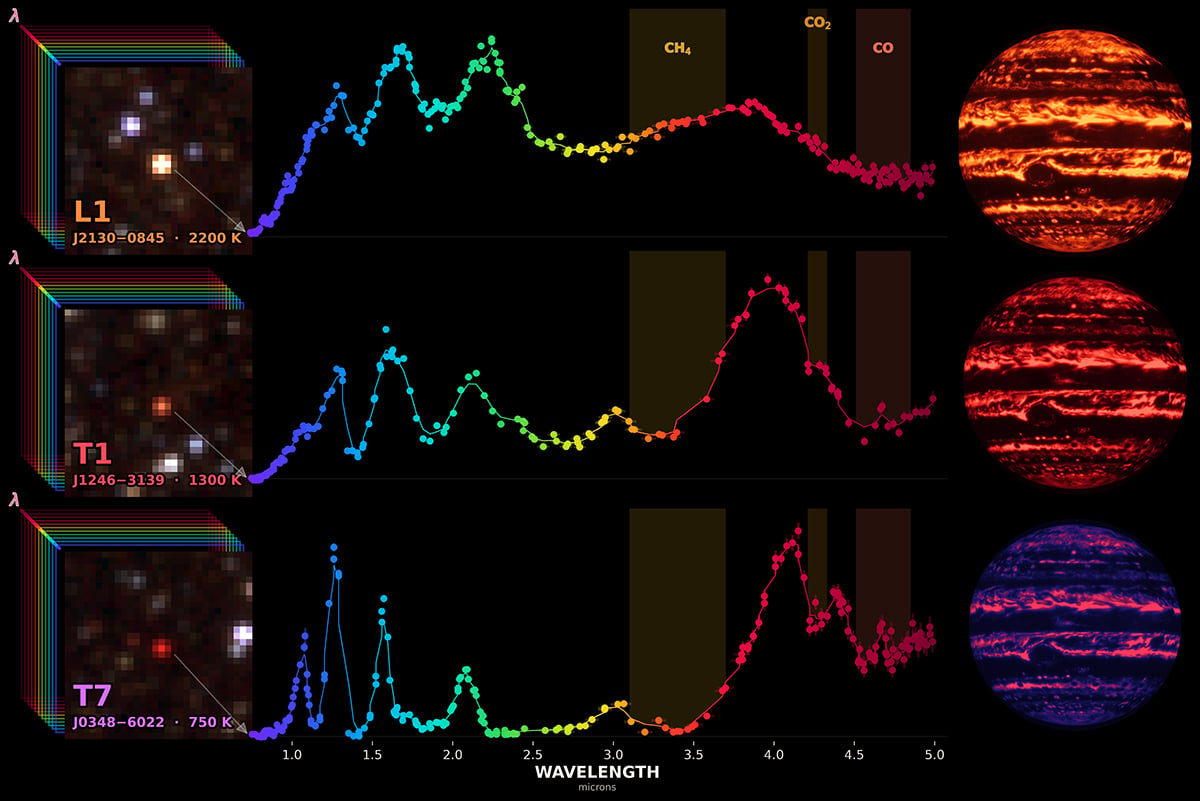
SPHEREx does this by measuring each target in its 102 wavelength bands. Astronomers combine the measurements into a spectrum, which shows how much light the object emits across the observed range. Molecules absorb light at particular wavelengths, leaving characteristic features in that spectrum.
The brown dwarf observations revealed signatures of water, methane, carbon monoxide, and carbon dioxide. These chemical fingerprints help researchers investigate the conditions within the objects’ atmospheres. Their strength and shape vary between brown dwarfs, even when some objects have similar temperatures.
Clear skies!
See more from DIYPhotography.net on Google
Add DIYPhotography.net as a trusted source. This makes
our stories more likely to appear in your Google Search results.
 Add as a preferred source on Google

Soumyadeep Mukherjee
Soumyadeep Mukherjee is an award-winning astrophotographer from India. He has a doctorate degree in Linguistics. His work extends to the sub-genres of nightscape, deep sky, solar, lunar and optical phenomenon photography. He is also a photography educator and has conducted numerous workshops. His works have appeared in over 40 books & magazines including Astronomy, BBC Sky at Night, Sky & Telescope among others, and in various websites including National Geographic, NASA, Forbes. He was the first Indian to win “Astronomy Photographer of the Year” award in a major category.


Join the Discussion
DIYP Comment Policy
Be nice, be on-topic, no personal information or flames.