

























South Korea’s New AI Law Requires Labels for AI-Generated Content
Feb 3, 2026
Alysa Gavilan
Alysa Gavilan has spent years exploring photography through photojournalism and street scenes. She enjoys working with both film and mirrorless cameras, and her fascination with the craft has grown over the decades. Inspired by Vivian Maier, she is drawn to capturing everyday moments that often go unnoticed.
Share:
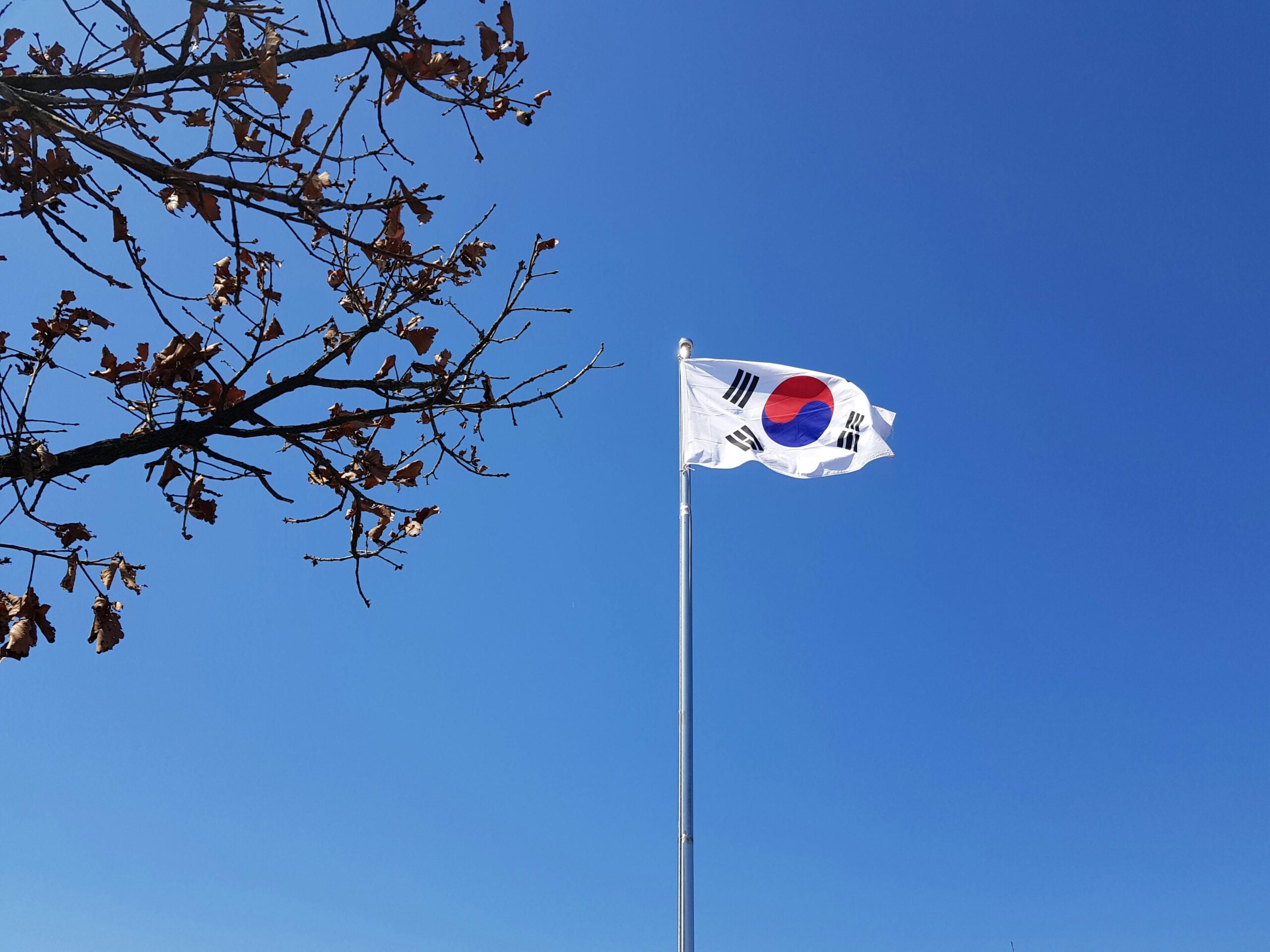
South Korea has taken a groundbreaking step in how artificial intelligence is governed by introducing the AI Basic Act, a comprehensive legal framework designed to oversee the development and use of AI systems across society.
The law, which came into effect in January 2026, requires developers and companies to label AI‑generated content and assess risks tied to powerful AI tools, according to a report by The Guardian.
What the AI Basic Act Requires
The AI Basic Act, formally known as the Act on the Development of Artificial Intelligence and the Establishment of Trust, aims to build public confidence in AI while encouraging innovation.
One of the most significant provisions focuses on transparency. Under the law, content created by AI, including text, images, audio, or video, must be clearly marked to show its AI origin. This provision may change how you consume and share media, especially in fields like photography, journalism, and online publishing where generative tools are becoming more common.
Another key element of the legislation is its emphasis on risk oversight. AI systems that are used in areas with serious societal impact, such as healthcare, employment screening, financial decision‑making, and criminal justice, are classified as high‑impact.
Providers of these systems must conduct risk assessments and take steps to ensure they operate safely. They must also document how decisions are made, which could lead to greater scrutiny of models that influence people’s lives.
The law also establishes two institutional bodies to support regulatory goals: a National AI Committee to coordinate national policy and an AI Safety Institute to create testing standards and carry out technical reviews. Enforcement is designed to be compliance‑focused, with corrective orders and administrative fines for violations, but no immediate criminal penalties. A transitional period was built in to give companies time to adjust.

Balancing Regulation and Innovation
South Korean policymakers have stressed that the new law is not just about restrictions. It also provides long‑term support for research, workforce development, and the adoption of AI in the public sector. The intention is to foster broad technological growth while safeguarding public interests.
Even so, some local tech companies and advocacy groups have expressed reservations. Startups say compliance may be costly and difficult to interpret, particularly for small teams without large legal or compliance departments. Civil liberties organizations have also questioned whether the law goes far enough to protect individual rights, especially for people harmed by misuse of technologies like deepfakes or biased algorithmic decisions.
How Other Countries Are Approaching AI Regulation
South Korea’s approach is not happening in isolation. Around the world, governments are also moving to regulate AI, but their methods differ in scope and timing.
In Europe, the EU AI Act, first proposed in 2021 and now entering phased implementation, sets risk‑based rules that range from limited obligations for low‑risk systems to strict controls for high‑risk applications. The EU framework also tackles issues such as safety documentation, data quality, and human oversight. Compared with South Korea’s law, the EU’s regulation is more detailed but still being phased in over several years.
The United States has taken a more sector‑focused route. Agencies like the Federal Trade Commission and the National Institute of Standards and Technology (NIST) have issued guidelines for developers and companies using AI, but there is no single comprehensive federal AI law yet. Instead, AI oversight in the US currently relies on a patchwork of standards and industry‑specific rules.
Some countries, like Canada and Singapore, have also started issuing AI guidelines and voluntary standards, emphasizing principles like fairness, transparency, and accountability, but they do not yet have binding, wide‑ranging legislation comparable to South Korea’s Basic Act.
Shifting Gears Towards AI Use
For photographers, creatives, and anyone who uses AI tools as part of their workflow, South Korea’s law signals a shift toward clearer expectations about how AI content should be disclosed and managed.
If AI‑generated images or videos become more visibly labeled, you may find it easier to distinguish between human work and machine‑assisted output. At the same time, developers of AI tools will have to navigate new requirements that could influence how products are built and deployed in the future.
As other nations consider AI regulation, South Korea’s law will be watched closely for its real‑world effects on innovation, public trust, and the creative economy.
See more from DIYPhotography.net on Google
Add DIYPhotography.net as a trusted source. This makes
our stories more likely to appear in your Google Search results.
 Add as a preferred source on Google

Alysa Gavilan
Alysa Gavilan has spent years exploring photography through photojournalism and street scenes. She enjoys working with both film and mirrorless cameras, and her fascination with the craft has grown over the decades. Inspired by Vivian Maier, she is drawn to capturing everyday moments that often go unnoticed.



Join the Discussion
DIYP Comment Policy
Be nice, be on-topic, no personal information or flames.