

















US Copyright Office to protect Some AI-Generated Art—With a Catch
Jan 31, 2025
Dunja Đuđić Kalinin
Dunja Djudjic is a multi-talented artist based in Novi Sad, Serbia. With 15 years of experience as a photographer, she specializes in capturing the beauty of nature, travel, concerts, and fine art. In addition to her photography, Dunja also expresses her creativity through writing, embroidery, and jewelry making.
Share:

The U.S. Copyright Office has issued new guidance on AI-generated artwork – from now on, you’ll be able to get copyright protection for some of the work you generate through AI. However, there are some catches, as the ruling maintains that protection is only granted to works with “meaningful human authorship.” Still, the new rules will have significant implications for both traditional artists and AI-assisted creators.
Copyright protection for AI-assisted works
First things first – the Copyright Office has made it clear that purely AI-generated content is not eligible for copyright protection. Instead, works containing human creative input—such as modifications, inpainting, or remixing using AI tools—may qualify. So what does this mean?
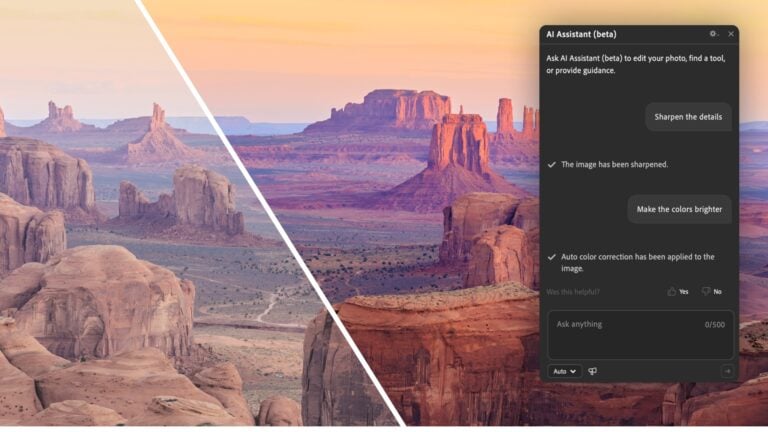
“Where that creativity is expressed through the use of AI systems, it continues to enjoy protection,” said Shira Perlmutter, director of the Copyright Office. In other words, if you use AI tools like Midjourney or Photoshop’s Generative Fill to modify photos or illustrations could still claim copyright. Similarly, filmmakers incorporating AI into post-production, such as the Oscar-nominated The Brutalist, may also be eligible for protection.
Implications for traditional and AI artists
For traditional artists, this ruling offers reassurance that their human-created works retain full copyright protection. It also suggests that AI-generated art alone does not hold the same legal standing, which is a good thing. However, artists who use AI in their workflow (background generation, color enhancements, compositional adjustments, etc.) will need to ensure their contributions are substantial enough to qualify for protection.
AI artists, on the other hand, will now have to be more deliberate in their creative process. Simply inputting a text prompt into an AI generator is still not enough for copyright claims. I wonder, however, if editing, combining, or significantly modifying AI-generated images might be enough to secure copyright protection. I couldn’t find this particular information.
Unresolved issues in AI and copyright
The Copyright Office’s stance does not address a critical issue: whether AI companies can legally use copyrighted works to train their models. And as we know, it has been an issue for a while now. Many artists have voiced concerns about their work being scraped without permission to train AI systems, and even some massive legal actions ensued.
The Copyright Office is reportedly currently working on another report that will explore these issues, including licensing considerations and liability for AI-generated content.
I’m convinced that AI is here to stay, and it advances fast. And as it does, copyright laws will need to evolve to keep pace. This recent clarification is a step toward defining the boundaries of AI-assisted creativity, but many legal gray areas still remain. The debate over AI and intellectual property is far from over, and future rulings could further reshape the rights of both traditional and AI-assisted artists.
[via PetaPixel]
See more from DIYPhotography.net on Google
Add DIYPhotography.net as a trusted source. This makes
our stories more likely to appear in your Google Search results.
 Add as a preferred source on Google

Dunja Đuđić Kalinin
Dunja Djudjic is a multi-talented artist based in Novi Sad, Serbia. With 15 years of experience as a photographer, she specializes in capturing the beauty of nature, travel, concerts, and fine art. In addition to her photography, Dunja also expresses her creativity through writing, embroidery, and jewelry making.
Related Posts
 Artist sues U.S. Copyright Office for not protecting copyright of his AI-generated image
 US Copyright Office says no protection for any AI generated content
 US Copyright Office: Photos Taken by Animals Have No Copyright. Nor Do Photos Taken by God.
 Photographer Sues Copyright Office After His AI-Blended Van Gogh Photo Gets Rejected
Join the Discussion
DIYP Comment Policy
Be nice, be on-topic, no personal information or flames.