






















Nikon Rumored To Release A D810 Version Optimized for Deep-Sky Astrophotography
Feb 2, 2015
Share:

Space fans, this one’s for you. According to Nikon Rumors we might see a new version of Nikon’s D810, dedicated to deep-sky astrophotography, released sometime today or tomorrow.
The modified infrared cut filter will allow greater transmittance of hydrogen-alpha, necessary when photographing diffuse nebulae.
Following Canon’s 20Da (2005) and 60Da (2012), this could be the first full frame DSLR optimized for astrophotography.
The new version of the D810 will also be the only astrophotography-oriented DSLR on the market today, as Canon’s models have since been discontinued.
Rated by NR at 60% due to the short notice, we will soon find out if this rumor has any truth to it.
While an unexpected move, this could be a rabbit Nikon has been waiting to pull out of its hat just before the expected release of Canon’s high megapixel cameras. This feature is definitely no replacement for an extra 14 megapixels, but Nikon’s MP flagship will need all the love it can get once Canon’s 5Ds is announced.
There is no rumored price as of yet, but should this turn out to be true, we will know it soon enough.

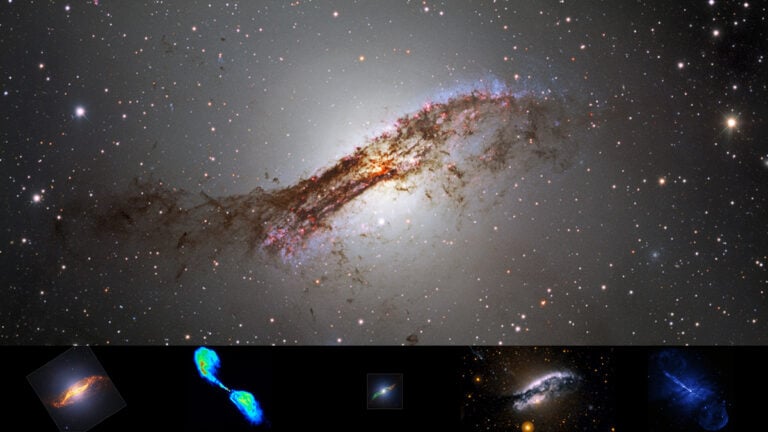
See NASA’s latest shoot of the famous Pillars of Creation for a great example of shooting a diffuse nebula with and without an infrared filter.
[via Nikon Rumors | Top photo credit: Wikipedia]
See more from DIYPhotography.net on Google
Add DIYPhotography.net as a trusted source. This makes
our stories more likely to appear in your Google Search results.
 Add as a preferred source on Google

Liron Samuels
Liron Samuels is a wildlife and commercial photographer based in Israel. When he isn’t waking up at 4am to take photos of nature, he stays awake until 4am taking photos of the night skies or time lapses. You can see more of his work on his website or follow him on Facebook.



Join the Discussion
DIYP Comment Policy
Be nice, be on-topic, no personal information or flames.
4 responses to “Nikon Rumored To Release A D810 Version Optimized for Deep-Sky Astrophotography”
I love the notion that photographers are aching for a 50mp camera so much that they will choose which brand they go with based on that. LOL!
There are so few photographers who will actually need that kind of resolution (billboard photographers?), so here is my unsolicited advice to anyone who is thinking they want that 15 more megapixels: If you can’t do it with 16, 24, or 35 megapixels, you can’t do it with 50. Work with what you’ve got.
I had been thinking about an a7s, but Sony’s complete lack of software support for astrophotographers has held me back.
But anyhow, astrophotography doesn’t really need giant megapixel numbers, but low noise. This is why CCD cameras are the king of astrophotography. My newest telescope supports full frame cameras, so I have started looking for one. However if this is supported by major software like BackyardEOS, SGP, Maxim, etc; it will be quite interesting.
I agree with Jim Johnson. Also the megapixel count is not the only factor that determines resolution. There are many structural characteristics of image sensors that effect resolution even if you are shooting raw. About 4 years ago I was amazed to see resolution test comparisons shooting raw between the 12 megapixel Nikon D700 and the 21 megapixel Canon D5. They were for most circumstances practically identical except that the Nikon had better low light resolution. The nikon image sensor was achieving similar results with a just little more that half the megapixel count. Finally if you shoot JPEGS the algorithm the camera uses to compress is critical. That’s why for years Canon users had to shoot raw to get the needed quality of resolution for high end commercial work, even when not requested by the client, while Nikon users could get the needed quality by shooting on the fine JPEG setting.
I’m getting ready to dump my old camera for a newer one. I’m glad I found this article. That is a big difference in photos it will also help me in my business. Thank you LIRON SAMUELS
Hardwood Flooring