














Turn Your Window Into a Natural Light Softbox with Portrait Hacks
Oct 14, 2025
Darlene Lleno
Darlene Lleno brings a unique perspective to DIY Photography as someone who grew up surrounded by camera gear but chose words over lenses. With five years of writing experience, she specializes in photography content that’s both technically informed and genuinely passionate. Growing up with a photographer twin brother meant camera talk was everyday conversation in her household. While he mastered capturing moments, Darlene discovered she preferred being the subject and the storyteller behind the scenes. As a travel enthusiast and mother of two, she understands the importance of preserving life’s precious moments. When not exploring new destinations or writing for DIY Photography, you’ll find her reading or tending to her garden. Her approach to photography writing is refreshingly authentic, she may not be behind the camera, but she knows exactly what it takes to help others capture the shots that matter most.
Share:
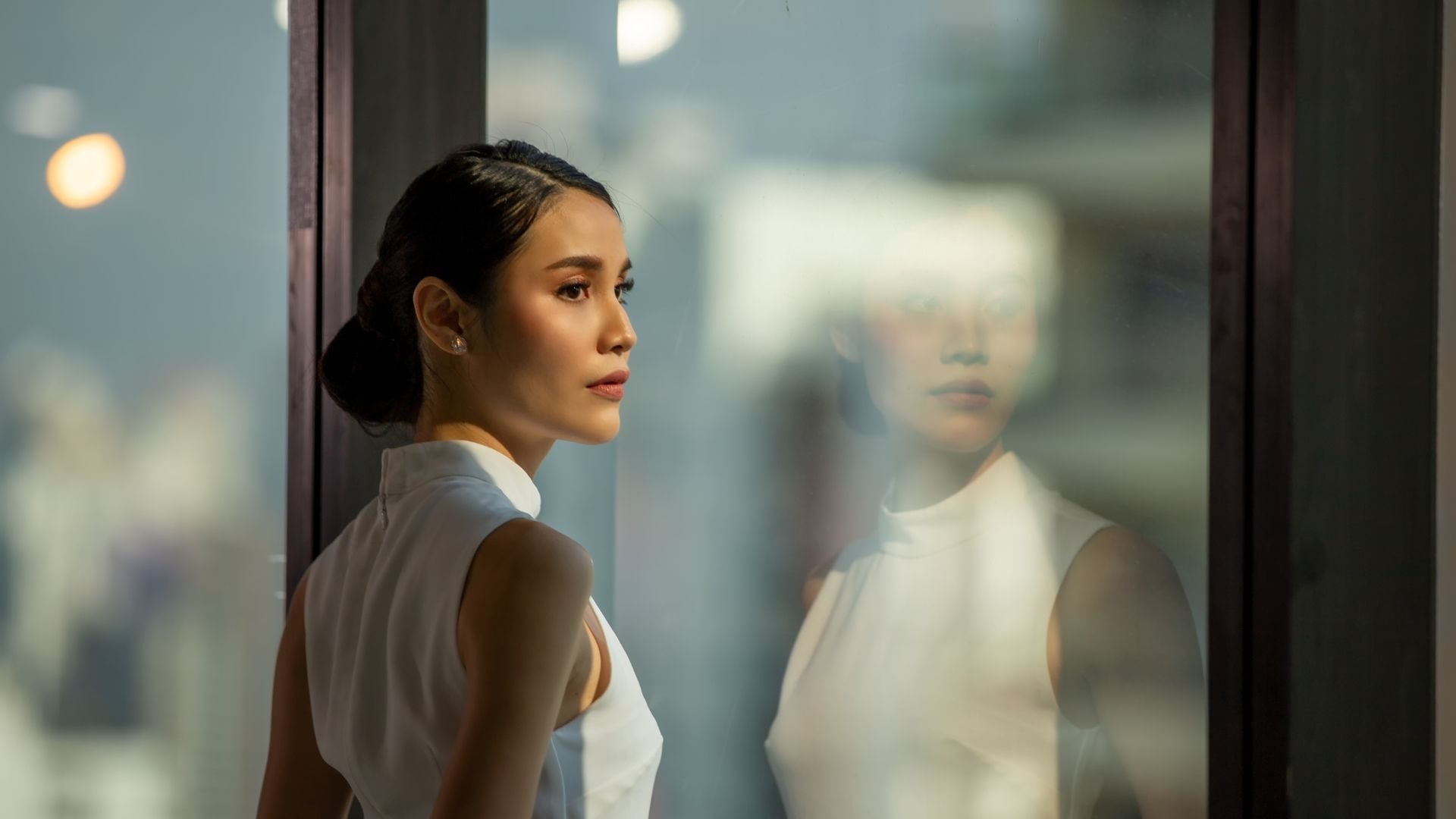
Using natural light as your main softbox can transform ordinary portrait photography into something extraordinary without expensive equipment. Window light offers photographers a free, constantly changing light source that mimics professional studio lighting when used correctly.
Most photographers spend hundreds of dollars on softboxes and studio lights. Your perfect portrait lighting sits right outside your window every day. The key lies in understanding how to control, shape, and modify window light to match your creative vision.
Read more: Turn Your Window Into a Natural Light Softbox with Portrait HacksUnderstanding Window Light as Your Primary Softbox
Window light behaves exactly like a giant softbox. The size of your window determines the softness of your shadows. The direction creates different mood and drama in your portraits. Large windows produce soft, flattering light that wraps around your subject’s face. Smaller windows create more directional, dramatic lighting.
The quality of natural light changes throughout the day. Morning light tends to be cooler and softer. Afternoon light becomes warmer and more intense. Evening light turns golden and creates beautiful rim lighting effects.
Weather conditions also affect your window lighting. Overcast days act like a massive diffuser, creating even, soft light perfect for portrait photography. Sunny days produce harder shadows but offer more creative control over highlights and contrast.
Direction Matters More Than Size
North-facing windows provide consistent, soft light throughout the day. This light rarely changes color temperature dramatically. South-facing windows offer the strongest light but require more control to avoid harsh shadows.
East and west-facing windows give you golden hour opportunities twice daily. Morning east light creates fresh, cool tones. Evening west light produces warm, dramatic portraits with beautiful backlighting possibilities.

Managing Light Intensity Without Equipment
You can control natural light intensity without buying expensive modifiers. Sheer curtains act as instant diffusers, softening harsh sunlight. Moving your subject closer or farther from the window adjusts the light’s intensity on their face.
White walls and ceilings become natural reflectors, bouncing light back onto your subject. Dark rooms with single windows create more dramatic lighting ratios. Light-colored rooms fill in shadows naturally.
Positioning Techniques for Professional Natural Light Results
Subject placement determines everything in window light photography. Professional positioning techniques help you maximize your window’s potential as a natural light softbox.
The classic 45-degree angle places your subject at an angle to the window. This creates dimensional lighting with good shadow detail. This position works for most portrait styles and face shapes.
Side lighting positions your subject parallel to the window. This creates strong directional light with deep shadows on one side of the face. Side lighting works beautifully for dramatic portraits and artistic shots.
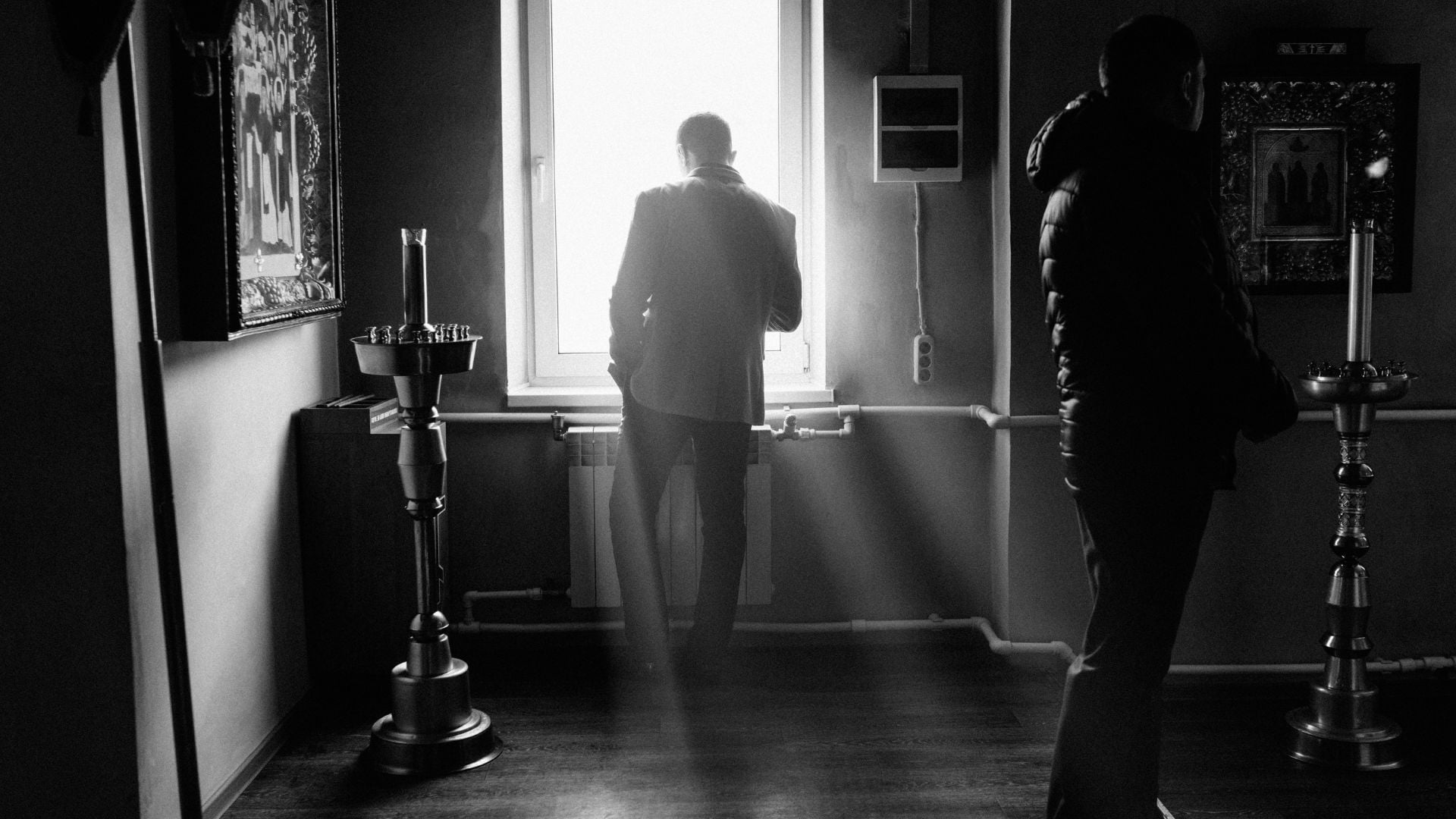
Backlighting places the window behind your subject. This technique creates rim lighting and silhouettes. Backlighting requires careful exposure control but produces stunning results with proper execution.
Creating Depth with Distance
Moving your subject away from the window reduces light intensity and increases shadow contrast. Subjects close to large windows receive soft, even lighting across their entire face. Distance creates more selective lighting that highlights specific facial features.
The falloff of natural light follows the inverse square law. Double the distance, and you get one-quarter the light intensity. This principle helps you control lighting ratios without additional equipment.
Working with Multiple Windows
Rooms with multiple windows offer advanced lighting control. Two windows at 90 degrees create wraparound lighting similar to a two-softbox setup. Windows on opposite walls produce even, shadowless lighting perfect for beauty portraits.
Corner windows provide the most versatile natural light setup. You can position subjects to use both light sources or block one window for more directional effects.

Camera Settings for Natural Light Portrait Photography
Camera settings for natural light portraits differ from flash photography. Understanding these differences helps you maximize your natural light softbox setup effectively.
Start with aperture priority mode to control depth of field while the camera handles shutter speed automatically. Wide apertures like f/1.4 to f/2.8 create pleasant background blur while maintaining sharp focus on eyes.
ISO performance matters more in natural light photography. Current camera sensors in 2025 handle ISO 1600-6400 cleanly. Higher ISOs let you maintain faster shutter speeds for sharp handheld portraits.
Shutter speed becomes critical for sharp portraits. Use the reciprocal rule as your starting point: 1/focal length for minimum shutter speed. An 85mm lens requires at least 1/85th second for sharp handheld shots.
Metering for Window Light
Spot metering on your subject’s face ensures proper skin tone exposure. Matrix or evaluative metering can be fooled by bright windows. This leads to underexposed subjects. Understanding exposure helps you fine-tune your results.
Manual exposure gives you complete control over natural light portraits. Set your exposure based on the light falling on your subject’s face. Don’t base it on the overall scene brightness. This approach ensures consistent results as light conditions change.
White Balance Considerations
Natural light color temperature changes throughout the day. Auto white balance works well for most situations. Manual settings give you more creative control. Daylight white balance (5500K) works for most midday window light.
Morning and evening light requires warmer white balance settings around 3200K-4000K. Cool window light benefits from slightly cooler white balance to maintain the mood. Understanding color temperature affects the emotional impact of your portraits.

Advanced Natural Light Softbox Techniques
Professional photographers use advanced techniques to maximize natural light potential. These methods help you create professional-quality portraits using only window light.
Negative fill removes light from one side of your subject by placing black cards or dark clothing opposite the window. This technique increases contrast and creates more dramatic portraits.
Bounce cards redirect window light back onto your subject. White poster board, foam core, or even white clothing can fill in shadows naturally. Position bounce cards close to your subject for maximum effect.
Flagging blocks unwanted light from reaching your subject. Dark cards or fabric can prevent light spill and create more controlled lighting patterns. Flagging helps you sculpt light precisely without moving your subject.
Creating Catchlights and Eye Appeal
Catchlights bring life to portrait eyes. Position your subject so window light reflects in their eyes naturally. Large windows create large, attractive catchlights. Small windows produce smaller, more intense catchlights.
Multiple windows can create multiple catchlights, which may look unnatural. Block secondary light sources if you want single, clean catchlights in your subject’s eyes.

Working with Difficult Natural Light
Harsh sunlight requires modification to work for portraits. Translucent materials like shower curtains or fabric diffuse direct sun effectively. Moving subjects into open shade maintains soft light quality while providing adequate illumination.
Mixed lighting situations combine window light with artificial lighting. Turn off indoor lights when possible to avoid color temperature conflicts. If you must use mixed lighting, use LED lights that can match daylight color temperature.
Window reflections can create unwanted patterns on your subject’s skin. Angle your subject slightly away from the glass surface to minimize reflections. This requires careful positioning and awareness.
Common Natural Light Portrait Mistakes and Solutions
Even experienced photographers make mistakes when working with natural light as a softbox. Learning to avoid these common errors improves your results dramatically.
Overexposure happens when photographers expose for the entire scene instead of the subject’s face. Always meter for skin tones, not the background or window. Use exposure compensation to fine-tune your results based on your subject’s skin tone.
Underexposure occurs when bright windows fool your camera’s meter. Spot metering on your subject’s face solves this problem immediately. Understanding autofocus and metering improves your natural light portraits significantly.
Color casts from colored walls or curtains affect skin tone reproduction. White balance correction in post-processing can fix minor color issues. Severe color casts require changing your shooting location or removing colored elements from the scene.
Dealing with Changing Light Conditions
Natural light changes constantly throughout your photo session. Cloud cover affects light intensity and quality within seconds. Monitor your camera’s light meter continuously and adjust settings as needed.
Shooting in manual mode helps maintain consistent exposure as light changes. Set your exposure for the darkest light conditions you expect. Then use positive exposure compensation when light increases.
Time management becomes important in natural light photography. Plan your most important shots during optimal light conditions. Use changing light creatively rather than fighting against it.

Post-Processing Natural Light Portraits
Natural light portraits often require minimal post-processing compared to artificially lit photos. Focus on enhancing the existing natural light character rather than completely changing it.
Basic exposure and contrast adjustments usually suffice for well-exposed natural light images. Shadow and highlight recovery tools help balance extreme lighting ratios. Lift shadows to reveal detail while maintaining the natural light character. Careful highlight recovery prevents blown-out window areas from distracting from your subject.
Color grading can enhance the mood of natural light portraits. Warm tones complement golden hour light. Cool tones work well with overcast or north window light. Understanding dynamic range in photography helps you achieve consistent results.
Maintaining Natural Light Character
Avoid over-processing natural light portraits. Heavy HDR effects destroy the organic feel of window light. Subtle adjustments preserve the authenticity that makes natural light portraits appealing.
Skin retouching should complement natural light flattery. Natural light often provides beautiful skin rendering with minimal retouching needed. Focus on removing temporary blemishes while preserving skin texture and natural lighting.
Equipment-Free Natural Light Modifications
Household items can modify natural light effectively without expensive photography equipment. Creative solutions often produce better results than store-bought modifiers.
White bed sheets diffuse harsh sunlight streaming through windows. Aluminum foil covered cardboard creates strong fill light when positioned correctly. Mirrors redirect natural light precisely where you need it. Position mirrors to bounce window light back onto your subject’s face.
Books, magazines, and newspapers can flag unwanted light. Dark clothing worn by assistants creates negative fill. Creativity with common objects often produces better results than expensive photography equipment.
Window Treatments as Light Modifiers
Existing window treatments often work perfectly for portrait photography. Blinds create interesting light patterns and allow precise light control. Sheer curtains act as built-in diffusers for harsh natural light.
Room selection matters as much as window selection. Bright, light-colored rooms provide natural fill lighting. Dark rooms create more dramatic lighting ratios perfect for moody portraits.
Seasonal Natural Light Considerations
Different seasons affect your natural light softbox quality and characteristics. Understanding seasonal changes helps you plan better portrait sessions throughout the year.
Winter light sits lower in the sky, creating more directional window lighting throughout the day. Snow outside acts as a giant reflector. This increases overall light levels and creates beautiful soft illumination.
Summer light requires more control due to its intensity and high angle. Early morning and late evening provide the best quality natural light for portraits. Midday summer light often needs diffusion to work effectively for portrait photography.
Spring and fall offer excellent natural light conditions with moderate intensity and pleasant color temperature. These seasons provide longer periods of usable natural light for portrait sessions.
Planning Around Weather Patterns
Overcast days provide perfect natural softbox lighting conditions. The entire sky acts as one giant light source. This creates even, flattering illumination. These conditions work especially well for professional headshots where even lighting is preferred.
Partly cloudy conditions offer the most dynamic natural light opportunities. Clouds act as natural diffusers that constantly change light quality and intensity. This variability creates opportunities for diverse portrait styles within a single session.
Professional Results Without Professional Equipment
Natural light portrait photography proves that great results come from understanding light, not owning expensive equipment. Window light provides the same quality illumination as professional softboxes when used skillfully.
Practice with different window orientations in your home or studio space. Each window offers unique lighting characteristics worth exploring. Document successful setups with notes about time of day, weather conditions, and camera settings.
Study how natural light falls on faces throughout different times and seasons. This knowledge helps you predict and plan for optimal portrait lighting conditions. Learning photography fundamentals becomes second nature with consistent natural light practice.
Master Natural Light Portrait Photography Today
The best natural light photographers develop an intuitive sense for quality light. They recognize optimal conditions quickly and position subjects to maximize natural light beauty. This skill develops through regular practice and careful observation of how light interacts with human faces.
Contemporary photographers continue building careers on their mastery of natural light. Their work demonstrates that understanding light matters more than owning the latest equipment. Your window can produce portraits that rival any professional studio setup when you apply these techniques consistently.
Practice these natural light techniques regularly to develop your eye for quality portrait lighting. Each photo session teaches you something new about working with available light creatively and effectively. Creating DIY photography setups complements your natural light setup perfectly.
Start experimenting with your windows today. You might discover your best portrait lighting was always right there waiting for you.
See more from DIYPhotography.net on Google
Add DIYPhotography.net as a trusted source. This makes
our stories more likely to appear in your Google Search results.
 Add as a preferred source on Google

Darlene Lleno
Darlene Lleno brings a unique perspective to DIY Photography as someone who grew up surrounded by camera gear but chose words over lenses. With five years of writing experience, she specializes in photography content that’s both technically informed and genuinely passionate. Growing up with a photographer twin brother meant camera talk was everyday conversation in her household. While he mastered capturing moments, Darlene discovered she preferred being the subject and the storyteller behind the scenes. As a travel enthusiast and mother of two, she understands the importance of preserving life’s precious moments. When not exploring new destinations or writing for DIY Photography, you’ll find her reading or tending to her garden. Her approach to photography writing is refreshingly authentic, she may not be behind the camera, but she knows exactly what it takes to help others capture the shots that matter most.
Related Posts
 Turn your bathroom into a natural light softbox for amazing portraits
 Turn one light into many and create fake window light sources using mirrors and gaffer tape
 How To Choose The Right Softbox For The Job: Understanding Softbox Size Vs Soft Light
 How to create natural looking window light on set with artificial lights
Join the Discussion
DIYP Comment Policy
Be nice, be on-topic, no personal information or flames.
One response to “Turn Your Window Into a Natural Light Softbox with Portrait Hacks”
For those of us in the southern hemisphere, we value south light.