
























How to Use Leading Lines for Stronger Storytelling
Dec 24, 2025
Darlene Lleno
Darlene Lleno brings a unique perspective to DIY Photography as someone who grew up surrounded by camera gear but chose words over lenses. With five years of writing experience, she specializes in photography content that’s both technically informed and genuinely passionate. Growing up with a photographer twin brother meant camera talk was everyday conversation in her household. While he mastered capturing moments, Darlene discovered she preferred being the subject and the storyteller behind the scenes. As a travel enthusiast and mother of two, she understands the importance of preserving life’s precious moments. When not exploring new destinations or writing for DIY Photography, you’ll find her reading or tending to her garden. Her approach to photography writing is refreshingly authentic, she may not be behind the camera, but she knows exactly what it takes to help others capture the shots that matter most.
Share:

Leading lines photography guides viewer eyes exactly where you want them to look. These visual paths create depth in flat images. Your eyes follow lines automatically without thinking about it.
Photographers use this natural tendency to control attention. The lines work like arrows pointing toward your subject. They turn boring shots into compelling visual stories.
Roads, rivers, fences, and shadows can all become leading lines. Each type creates different moods and effects. Landscape photographers use this technique constantly to add depth.
How Leading Lines Direct Attention
Your brain follows lines without you realizing it. This happens before you consciously think about what you’re seeing. Leading lines photography takes advantage of this automatic response.
The lines create a clear path from point A to point B. They start in the foreground and lead to your main subject. This guides viewers exactly where you want them to look first.
Strong leading lines remove all confusion about focal points. Eyes travel along the line and land on your subject naturally. Nobody has to guess what matters most in your frame.
Creating Three-Dimensional Depth
Photos are flat surfaces by their nature. Leading lines trick eyes into seeing three dimensions instead. Lines that meet in the distance create depth instantly.
A road disappearing into the horizon demonstrates this perfectly. Railroad tracks converging at a vanishing point work the same way. The convergence gives photos that 3D feeling.
Wide-angle lenses make this effect even stronger. They push foreground lines forward dramatically. The distortion amplifies the sense of depth.
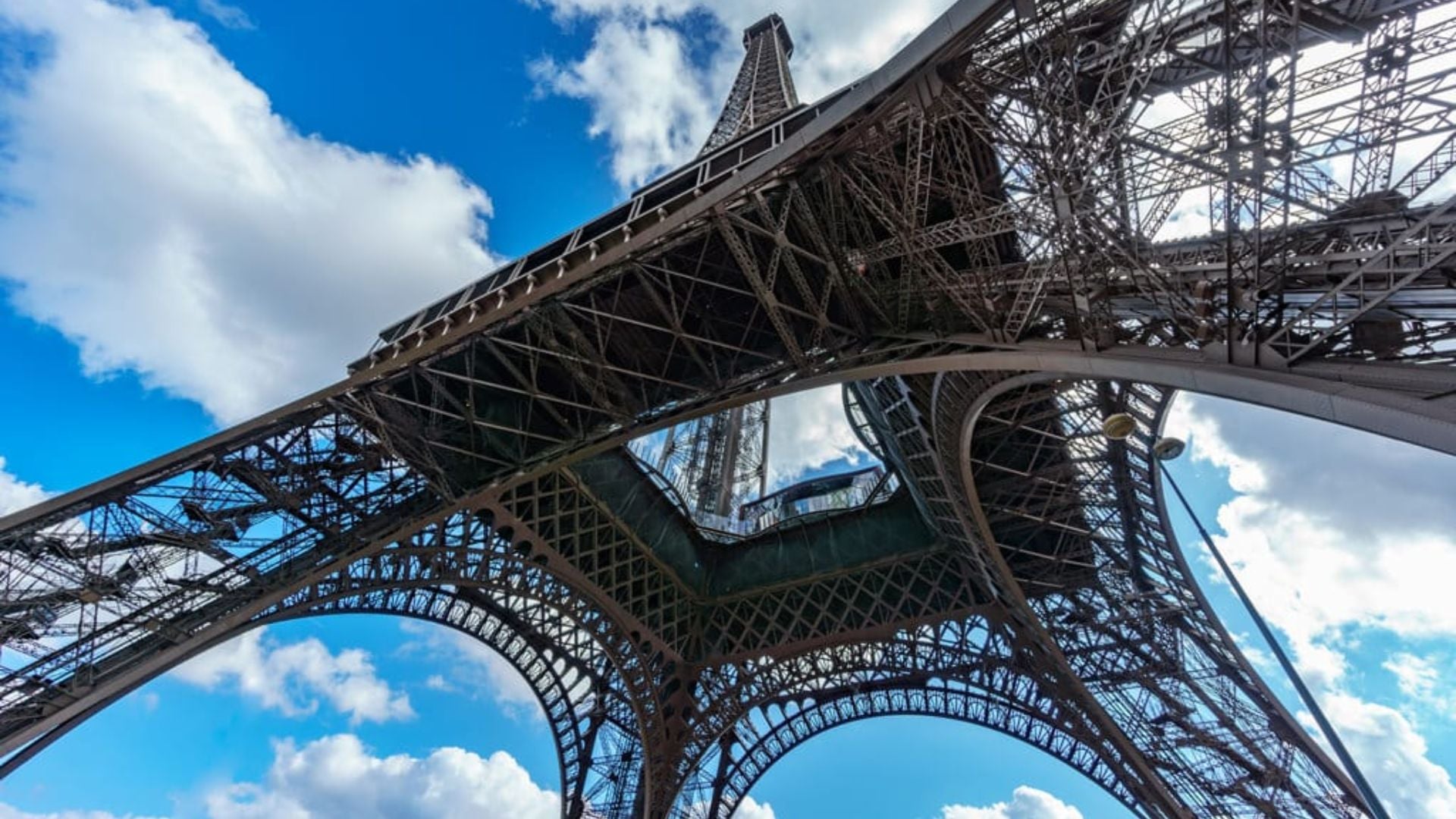
Building Movement Into Still Images
Leading lines create flow within frozen moments. Curved lines take viewers on visual trips through your frame. Diagonal lines inject energy and action into static scenes.
Eyes follow these paths naturally from start to finish. The movement keeps people looking at your photo longer. This engagement separates memorable shots from forgettable ones.
Good composition techniques like this make the real difference. Flow determines whether someone glances or studies your image carefully.
Types of Leading Lines You Can Use
Leading lines exist everywhere once you start noticing them. Here’s what to look for in different environments.
Natural Lines in the Environment
Nature gives you endless leading line options. Rivers wind through scenes creating obvious visual paths. Shorelines separate water from land with clear edges.
Tree lines form repeating patterns that guide attention. Sand dunes sweep across deserts in curves. Mountain ridges draw eyes toward distant peaks naturally.
These organic lines feel unforced and authentic. They work great in landscape photography because they’re already there. You just need to position yourself to show them well.
Streams meander through scenes creating gentle visual journeys. Position yourself to capture the curve leading toward your subject. The winding path creates natural flow through your composition.
Artificial Structures as Lines
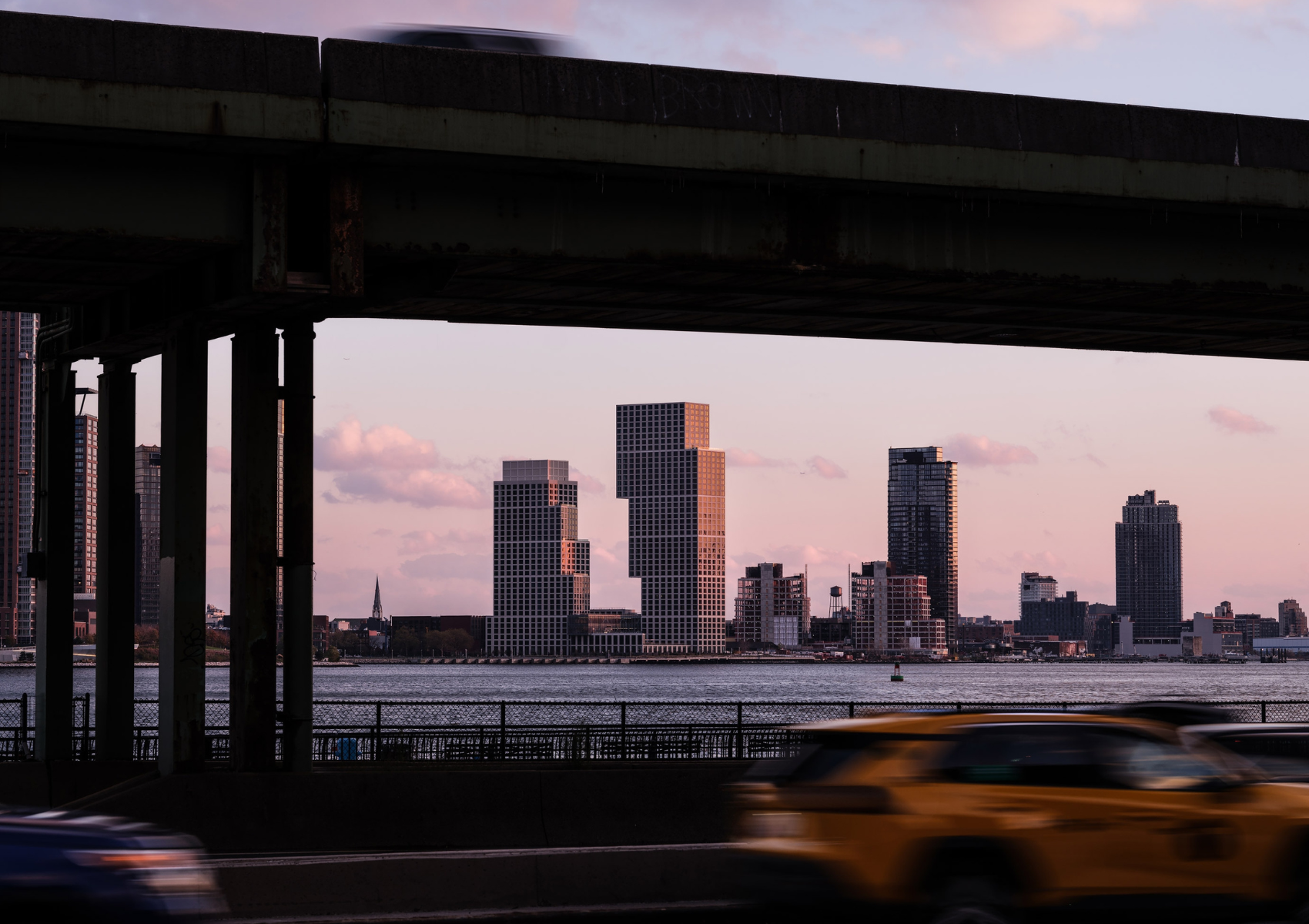
Buildings and infrastructure create obvious leading lines everywhere. Roads are the classic example everyone recognizes immediately. They converge toward vanishing points naturally.
Railroad tracks give you parallel lines that meet dramatically. Bridges create strong diagonals cutting across frames. Fences section off space while forming repeating patterns.
Architectural elements work as leading lines too. Staircase railings guide eyes up or down through frames. Rows of columns create rhythm and clear direction. Window frames form geometric patterns that direct attention.
These structured lines feel more deliberate and powerful. They work perfectly for urban photography and architectural shots. The repetition and symmetry add serious visual impact.
Invisible Implied Lines
Not every leading line is a physical object. Light and shadow create paths you can follow visually. A sunbeam cutting through fog becomes a leading line.
Shadow edges work as dividing lines separating areas. They mark boundaries between lit and dark zones. This contrast creates clear paths to follow.
Human gaze creates invisible lines too. Where your subject looks becomes a directional line. Viewers follow that sight line automatically and instinctively. This technique works powerfully in portrait photography.
Technical Setup for Leading Lines
Getting this technique right requires specific camera decisions. Here’s what actually matters when you shoot.
Picking Your Focal Length
Wide-angle lenses amplify leading line effects dramatically. They exaggerate perspective and enlarge foreground elements. This strengthens depth and distance feelings significantly.
Standard focal lengths render leading lines more realistically. They work well when you want subtle guidance. The effect feels less dramatic but more natural.
Telephoto lenses compress leading lines together visually. This reduces the depth effect somewhat. But compression creates interesting patterns with parallel lines.
Camera Position Matters
Your shooting position changes everything about leading lines. Get low to the ground for maximum drama. Low angles make foreground lines way more prominent.
Shoot from higher positions to reveal line patterns. Bird’s eye views show geometric arrangements clearly. These work great for architectural leading lines.
Sometimes center your composition on the vanishing point. Place your subject where lines meet and converge. This creates maximum impact and clear focus.
Controlling Depth of Field
According to Cambridge in Colour, depth of field affects how leading lines function throughout frames. Sharp lines from front to back strengthen the guiding effect.
Use smaller apertures like f/11 or f/16 for landscapes. This keeps everything sharp along your leading lines. Clarity maintains visual flow through your entire frame.
Shallow depth of field can work for portraits though. Slightly blur the leading lines while keeping subjects sharp. This separates subjects from backgrounds while maintaining direction.
Using Leading Lines in Different Photography Styles
Each genre applies leading lines in its own way. Here’s how to use them across different types of shooting.
Landscape Photography Applications
Landscape photography depends heavily on leading lines for impact. Paths through fields lead toward distant mountains. Rivers wind toward horizons creating journey-like compositions.
Start your lines in the foreground corners whenever possible. This maximizes depth and pulls viewers into scenes. The line should lead directly to your focal point.
Shoot during golden hour for enhanced leading line effects. Long shadows create extra linear elements naturally. Warm light makes lines more visible and appealing.

Street and Urban Shooting
Cities overflow with leading lines at every turn. Sidewalks, roads, and building edges create endless options. Street photographers use these to add structure to chaotic scenes.
Wait for subjects to move along your leading lines. This combines movement with direction in powerful ways. The lines predict where action will happen next.
Architectural lines work as frames within your main frame. Doorways, windows, and archways create natural boundaries. Position these to lead toward your main subject.
Portrait Work With Lines
Leading lines add context to portraits without overwhelming people. Fences, walls, or paths provide environmental context clearly. They guide attention to faces while showing location.
Position subjects where lines meet or cross each other. This creates natural focal points for faces automatically. Lines support rather than compete with your subject.
Use leading lines to show mood or direction. Lines leading away suggest departure or journey ahead. Lines converging on subjects suggest arrival or importance.
Common Mistakes to Avoid
Many photographers mess this up initially. Here’s what you need to watch out for carefully.
Lines That Lead Nowhere
The biggest mistake is lines that exit your frame aimlessly. These pull attention completely away from your image. Viewers follow the line and mentally leave your photo.
Make sure lines point toward something worth seeing. Your subject, a landmark, or an interesting element matters. The destination is as important as the journey itself.
Lines that dead-end feel frustrating to viewers subconsciously. They follow expecting payoff at the end. Give them something actually worth looking at there.
Too Many Lines Fighting
Multiple leading lines can fight each other badly. Each one tries guiding attention in different directions. This creates confusion instead of clarity and focus.
Pick one dominant leading line per composition. Supporting lines can exist but shouldn’t compete strongly. The main line should be obviously the strongest one.
Simplify busy scenes before you press the shutter. Move around until competing lines align better together. Sometimes you need to eliminate elements rather than include them.
Bad Starting Positions
Random line placement kills compositions quickly. Lines starting in weird spots feel unnatural and forced. They don’t create the flow you’re aiming for.
Start lines in frame corners when you can. Bottom corners work especially well for creating depth. This gives maximum distance for lines to travel through.
Consider where lines exit your frame too. Lines should lead to subjects before exiting anywhere. Exit points matter less than entry and middle sections.
Advanced Techniques With Leading Lines
Once you nail the basics, try these more sophisticated approaches. They take the technique to another level entirely.
Converging Multiple Lines
Multiple lines meeting at one point create serious power. Digital Photography School notes that converging lines emphasize vanishing points dramatically.
Railroad tracks demonstrate this convergence perfectly. Two parallel lines meeting create strong perspective instantly. Place your subject right at that convergence point.
Architectural spaces often provide multiple converging lines naturally. Hallways, bridges, or tunnels create these automatically. The repetition strengthens the overall compositional effect significantly.
S-Curves for Elegant Flow
S-shaped leading lines create super elegant flow. Rivers often form natural S-curves winding through landscapes. Roads through hills do this too naturally.
These curves feel way more organic than straight lines. Eyes travel smoothly along the serpentine path created. Landscape photographers love S-curves for exactly this reason.
Position yourself to show the complete S-shape fully. Shoot from higher positions to reveal the entire curve. The full S creates maximum visual impact possible.
Diagonal Lines Add Energy
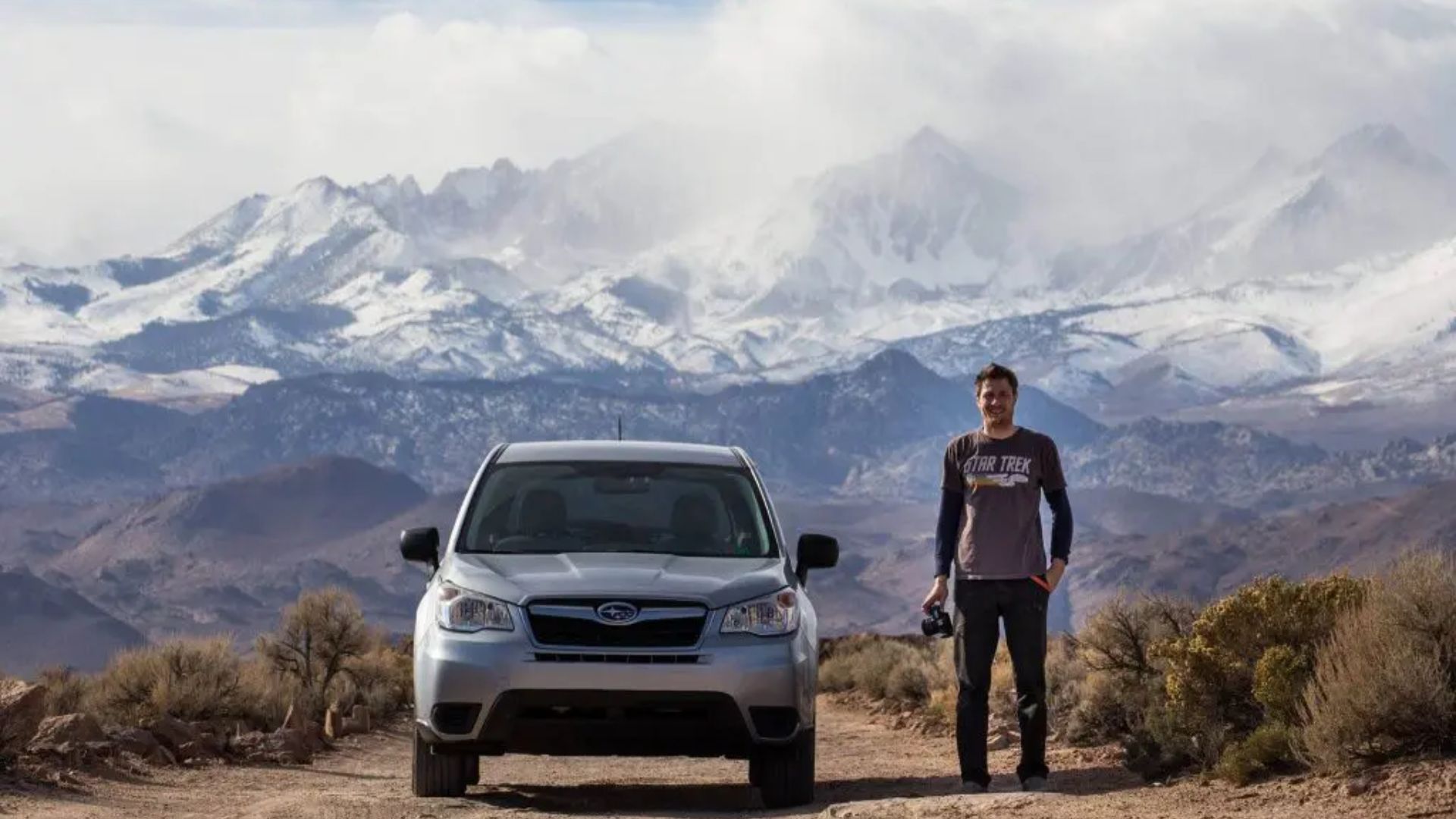
Diagonal lines inject energy that horizontal lines can’t match. They suggest movement and action happening right now. Staircases, slopes, and angled structures provide these naturally.
Diagonals feel less stable than horizontal or vertical lines. This instability creates visual tension that grabs attention. The energy keeps eyes actively moving through frames.
Combine diagonals with other composition rules you know. Place key elements at thirds intersections strategically. Let diagonals connect these points naturally and smoothly.
Practicing Leading Lines Photography
Building real skill with this technique takes deliberate practice. Here are exercises that actually help you improve fast.
Start by shooting really obvious leading lines first. Roads, railroad tracks, and fences are super easy to find. Practice positioning these to lead toward specific end points.
Move to subtler leading lines once you’re comfortable. Shadows, light beams, or gentle curves challenge you more. These require sharper observation skills to spot initially.
Combine leading lines with other techniques you already know. Layer them with the Rule of Thirds for stronger results overall. Add negative space around lines for extra impact.
Getting Real-World Experience
Visit locations specifically known for leading lines. Bridges, parks with paths, or architectural sites work great. Shoot the same spot from tons of different angles.
Notice how perspective changes absolutely everything about lines. Moving three feet can totally transform how lines work. Height changes affect angle and impact dramatically too.
Return to locations in completely different lighting conditions. Morning shadows create different lines than afternoon light does. Weather changes affect how prominent lines appear in scenes.
Making Leading Lines Tell Your Story
Leading lines should serve your story first and foremost. They’re storytelling tools not just composition tricks alone. Think about your narrative before choosing specific lines.
Lines moving toward something suggest journey or forward progress. Lines leading away suggest departure or possible loss. Curved lines feel gentler than straight aggressive ones do.
Where you place subjects along lines matters for storytelling. Beginning positions suggest starting something new ahead. End positions suggest conclusion or final arrival. Middle positions suggest ongoing journeys continuing forward.
Line types affect emotional mood significantly too. Natural organic lines feel calm and peaceful overall. Sharp geometric lines feel more intense and deliberate instead.
Transform Photos With Leading Lines
Leading lines photography completely changes how you see scenes. You start noticing visual pathways absolutely everywhere around you. Roads, shadows, fences, and patterns all become potential lines.
Practice makes finding and using lines totally automatic. You’ll frame shots around lines without thinking consciously. The technique becomes part of your natural visual vocabulary.
Your strongest photos combine leading lines with compelling subjects. Lines guide attention to meaningful content worth seeing. They support your story rather than becoming the story themselves.
Keep trying different types of lines in various situations. Use natural ones in landscapes and wilderness areas. Try architectural ones in cities and urban environments. Mix implied lines with physical ones for variety. Each approach teaches you something new about visual storytelling.
See more from DIYPhotography.net on Google
Add DIYPhotography.net as a trusted source. This makes
our stories more likely to appear in your Google Search results.
 Add as a preferred source on Google

Darlene Lleno
Darlene Lleno brings a unique perspective to DIY Photography as someone who grew up surrounded by camera gear but chose words over lenses. With five years of writing experience, she specializes in photography content that’s both technically informed and genuinely passionate. Growing up with a photographer twin brother meant camera talk was everyday conversation in her household. While he mastered capturing moments, Darlene discovered she preferred being the subject and the storyteller behind the scenes. As a travel enthusiast and mother of two, she understands the importance of preserving life’s precious moments. When not exploring new destinations or writing for DIY Photography, you’ll find her reading or tending to her garden. Her approach to photography writing is refreshingly authentic, she may not be behind the camera, but she knows exactly what it takes to help others capture the shots that matter most.


Join the Discussion
DIYP Comment Policy
Be nice, be on-topic, no personal information or flames.