


















How to Master Winter Photography: Snow, Exposure & Gear Tips
Dec 24, 2025
Anzalna Siddiqui
A psychology major in her third year of Bachelor’s, Anzalna Siddiqui has endless curiosity for the human mind and a deep love for storytelling – both through words and visuals. Though she hasn’t taken up photography as a profession, her Instagram is where her passion finds its home. In addition to this, she’s a travel enthusiast who never travels without her camera because every place has a story waiting to be captured.
Share:

You wake up, look outside, and see a beautiful, white blanket of snow covering everything. If you’re like me, your first thought is to grab your camera and head out. I remember how the last time went with me. My pictures ended up muddy, your fingers got too cold, and I wasted three hours fixing a dog’s paw prints in the snow. Winter photography can be tough, but it can also be stunning if you know how to handle it.
In his latest video, Mads Peter Iversen explains how to deal with the cold and brightness. He shares practical tips, from adjusting your camera settings to choosing the right socks. What I like about his style is that he focuses not just on the art of photography but also on the reality of spending hours in the cold. He strikes a great balance between being an adventurous photographer and an attentive artist.
Let’s take a look at how to make your winter photos stand out.
How to Find the Best Winter Weather for Photography
Mads begins by highlighting a truth familiar to anyone who lives in a temperate zone: snow is unpredictable. In places like Denmark, it can disappear as fast as it shows up. His main piece of advice is to stay very alert. You can’t just set a photoshoot for “next Saturday” and expect everything to work out.
He recommends becoming a bit of a weather enthusiast. He says using apps like Windy.com or Viewfinder can help you catch snow as soon as it falls. It appears that winter photography means being ready for any kind of weather. You need to be prepared to grab your gear and go when the snow starts. From my experience, the best light often comes just as a storm is clearing, so keep those apps easily accessible on your phone.
What to Wear for Winter Photography
You might believe your regular hiking jacket is good enough, but Mads thinks you should reconsider your clothing choices. He has an interesting point: typical outdoor gear is made for people who are active, like hikers and skiers. However, as a landscape photographer, you often stand still for long periods waiting for the right light.
He suggests checking out hunting or fishing gear instead. These outfits are designed for folks who sit in one place for hours. For your feet, he recommends lightweight insulated wellies with removable liners. This is a smart idea because if your feet get damp or you get snow inside, you can easily take out the liner to dry. For your hands, he likes wool finger gloves or mittens from brands like Iceear or The Heat Company. These keep your fingers warm except when you need to press a button, allowing the rest of your hand to stay cozy in a merino liner.
Personally, I think looking like a fisherman is a small price to pay for avoiding frostbite. If you’re cold, it’s tough to be creative. It’s hard to focus on your winter photography when you can’t feel your face.
Mastering Your Histogram for White Snow
This is the tricky part, and it’s where many people get it wrong. Your camera is smart, but it can be easily misled. Mads points out that because snow is very white, your camera’s light meter tries to “correct” it by darkening the image to a neutral gray.
He recommends relying on your histogram. You should use exposure compensation and set it to +1 or even higher, to let the camera know the snow should appear bright. Mads promotes the idea of “exposing to the right” (ETTR), which means pushing your histogram as far to the right as you can without losing detail in the highlights. He says this method results in a cleaner image with less noise in the shadows. I’ve tried it, and even though it feels a bit intimidating to see such a bright image on your screen, the extra detail you get during post-processing makes it worth it.
Playing with Shutter Speed for Different Snow Vibes
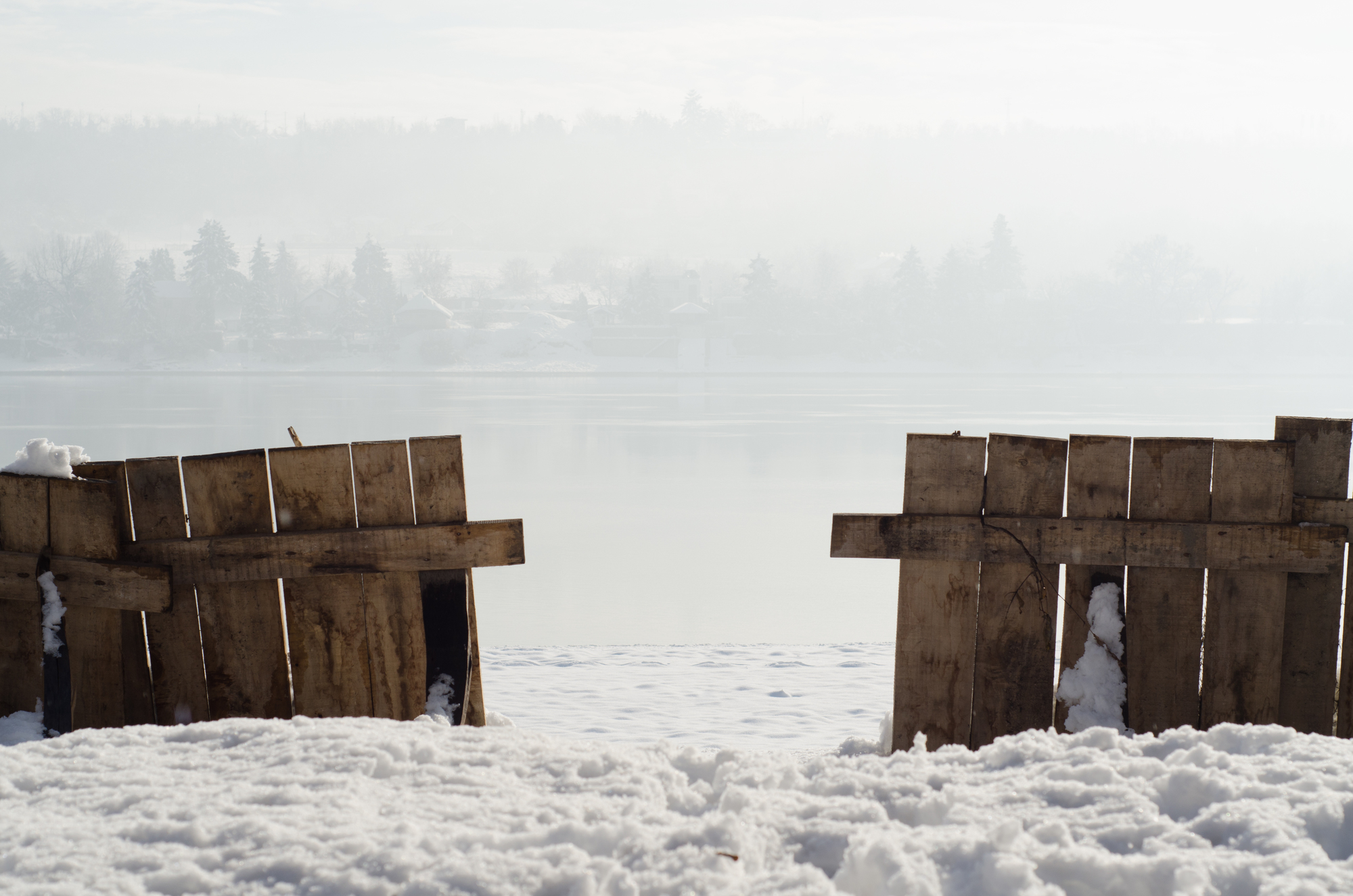
Did you know that changing your shutter speed can really affect how the weather appears in your photos? Mads explains this in three different ways.
When you use a fast shutter speed, like 1/400s or faster, you can capture snowflakes in the air. However, he mentions that this can sometimes look too cluttered. It’s perfect if you want to show a strong blizzard. For a more graceful look, he recommends using a medium shutter speed between 1/15s and 1/3s. This creates soft white streaks that indicate movement without the mess of individual snowflakes.
Lastly, a long exposure of 5 to 30 seconds turns the falling snow into a smooth, misty effect. This approach, in my opinion, sets a lovely mood, simplifying the scene and adding a dreamy touch that quick shots can’t achieve.
Chasing the Softbox Light of the Blue Hour
Many people enjoy the Golden Hour, but Mads urges you to appreciate the Blue Hour too. During this time, the light acts like a large softbox, becoming softer and more directional. This is great for highlighting the delicate textures of the snow.
Mads believes that this light sets a mood that Golden Hour can’t match. I also feel that the blue shadows against the white snow create a beautiful “winter” color scheme. It feels cold, quiet, and looks professional. Just be careful with your white balance; otherwise, your “winter wonderland” might end up looking like a Smurf village.
Getting Low for That Sweet Snow Bokeh
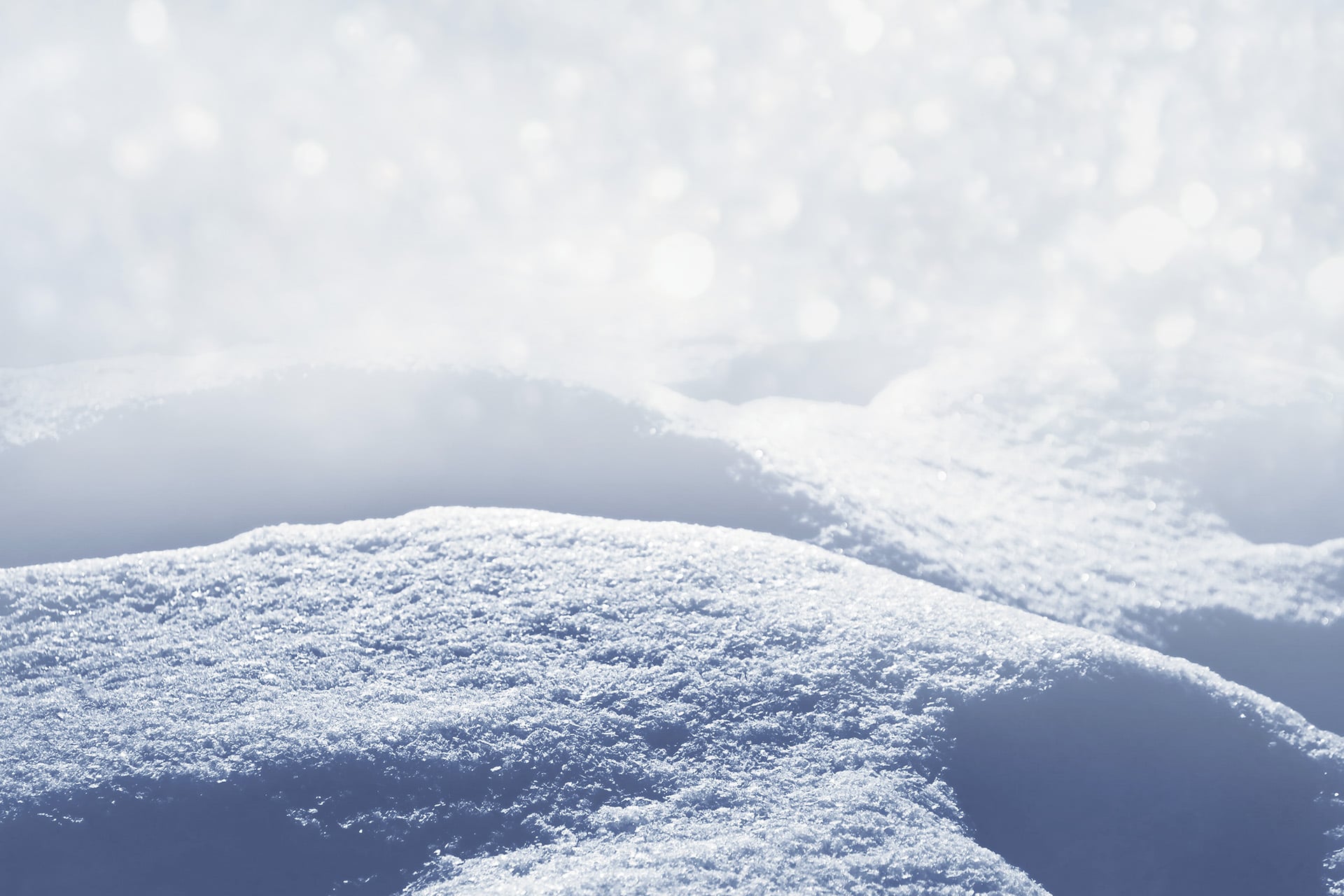
To make your foreground more magical, try changing how you look at things. Mads recommends getting down low, actually on the ground. By using a wide aperture (a low f-number), you can catch the light bouncing off individual snowflakes or frost crystals.
This creates what he calls “bokeh balls” in the foreground. It’s a smart way to add depth and interest to a scene that might seem like just a flat white surface. It may look easy, but you’ll have to be willing to lie in the snow. That’s when your waterproof boots and hunting pants really prove their worth.
Cleaning Your Canvas in Photoshop
Mads is open about the fact that nature isn’t always flawless. You might see a lovely snowy field, but there can be ugly brown sticks or dead grass sticking out from the snow. He encourages you to not hesitate to tidy up the image later in editing.
He shows how he takes about 20 to 30 minutes to eliminate distracting elements using the Remove tool or Clone Stamp in Photoshop. He prefers a non-destructive method, working on a new layer so you can always make changes later. Some “purists” might not like this approach, but I agree with Mads. If a single branch is ruining your simple, beautiful scene, just remove it. You’re creating art, not documenting a scientific study.
Arriving Early to Beat the Footprint Fiasco
It’s really frustrating to discover a perfect scene just to see footprints all over it. Mads recommends getting to the location before anyone else.
By arriving early, before other photographers or visitors, you can capture that clean, untouched beauty. He believes this can save you a lot of time on editing later. It’s definitely true that being early pays off, especially in snowy places. If you can’t be the first one there, you’ll need to think outside the box to frame your shot and avoid showing signs of people being there.
Embracing Winter Minimalism for Emotional Impact
Mads emphasizes the idea that “less is more.” He sees snow as a perfect minimalist tool, as it hides the landscape’s clutter. He advises focusing on one main subject, like a single tree, barn, or rock, set against a large area of empty space.
This approach, he argues, creates strong, emotional stories. The snow acts like a natural “eraser,” highlighting only the essential elements of your image. I believe this is why winter photography can be so captivating. It changes how you view the world and helps you appreciate simple forms.
Mads has clearly thought carefully about his method, and his results are impressive. So, keep an eye on the weather, bundle up, and get out there before the footprints start showing up.
[The 10 Winter Photography Tips You Must Know! I Mads Peter Iversen; Image credits: Envato]
See more from DIYPhotography.net on Google
Add DIYPhotography.net as a trusted source. This makes
our stories more likely to appear in your Google Search results.
 Add as a preferred source on Google

Anzalna Siddiqui
A psychology major in her third year of Bachelor’s, Anzalna Siddiqui has endless curiosity for the human mind and a deep love for storytelling – both through words and visuals. Though she hasn’t taken up photography as a profession, her Instagram is where her passion finds its home. In addition to this, she’s a travel enthusiast who never travels without her camera because every place has a story waiting to be captured.



Join the Discussion
DIYP Comment Policy
Be nice, be on-topic, no personal information or flames.