
















Feeling drained? Here’s how to recharge after photographing disasters and riots
Dec 10, 2024
Dunja Đuđić Kalinin
Dunja Djudjic is a multi-talented artist based in Novi Sad, Serbia. With 15 years of experience as a photographer, she specializes in capturing the beauty of nature, travel, concerts, and fine art. In addition to her photography, Dunja also expresses her creativity through writing, embroidery, and jewelry making.
Share:

Photography can take you to the farthest corners of human emotion, especially when you document disasters or tragedies. And lately, I’ve had a feeling that we’ve had more of these than ever. So, I felt the need to explore and share some techniques for winding down after documenting events like natural disasters, protests, riots, or anything equally stressful and emotionally draining.
Whether you’re a seasoned professional or an amateur photographer, it’s essential to prioritize your mental health after witnessing such intense scenes. So, I’m offering my personal tips and I reached out to seasoned documentary photographers. I wanted to create a practical, useful, and highly necessary guide for processing emotions and healing after photographing stressful events. I believe this guide could be useful to photographers and non-photographers alike, as I’ll include many universal tips for winding down after highly stressful events. So, take a deep breath, and let’s dive in.
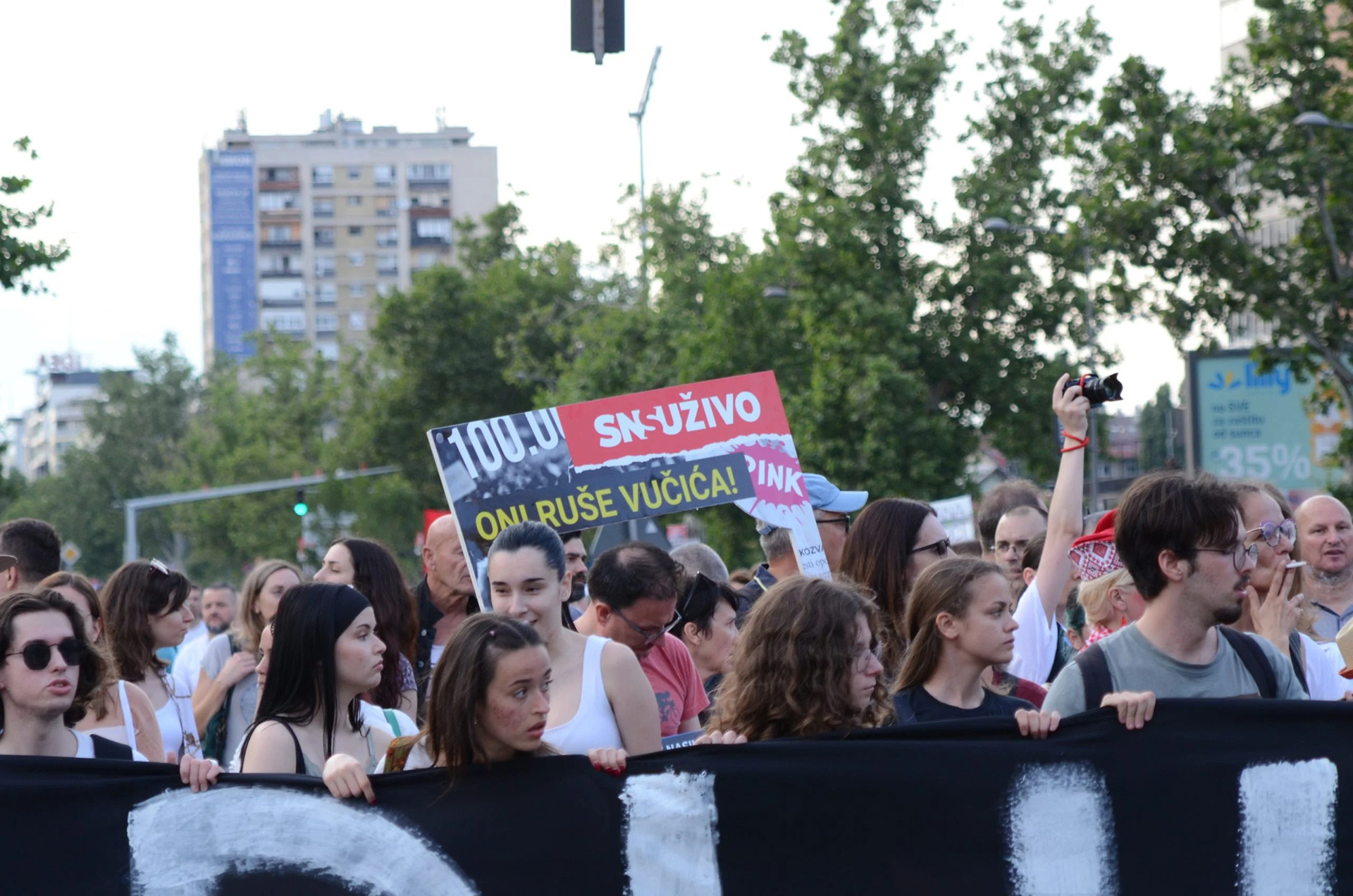
Table of contents
What drives photographers to document disasters?
Telling the story
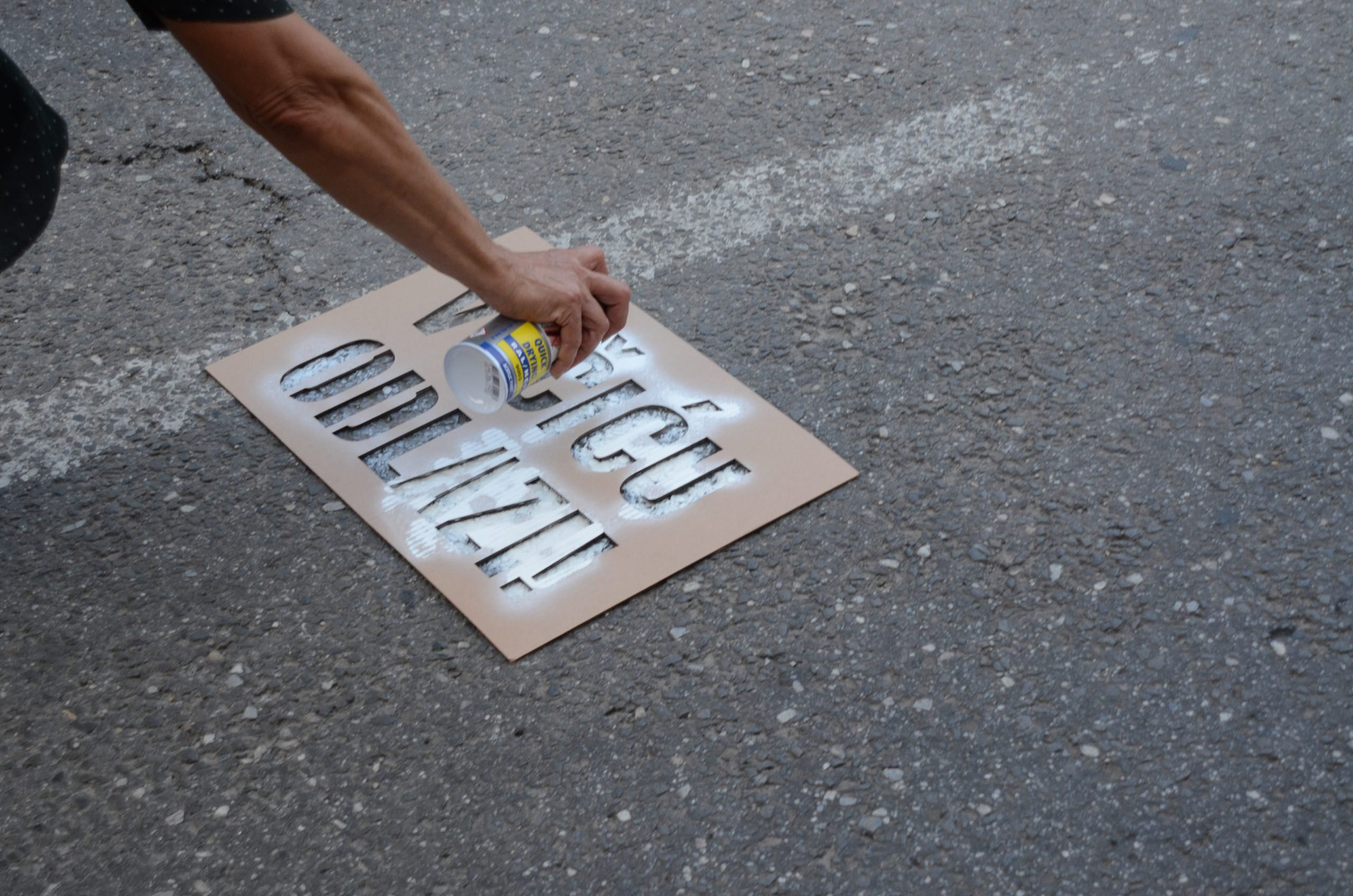
There can be many reasons for shooting emotionally draining events like disasters, protests, or their aftermath. We want to tell the story and make it spread beyond the borders of our country – which is often my case. I live in a small, insignificant country, yet some huge things have been happening here lately. And I want to contribute to spreading the word about them without a filter and without censorship.
First-hand experience and offering help
Another thing that drives me personally is wanting to familiarize myself with the situation on the spot and help if I can. Since I’m not a professional documentary photographer, I’m there to preserve the story for my future self. But, I’m also there to land a helping hand to a fellow protester while I’m there. This reminds me of a chat I recently had with my lovely colleague Alex, who photographed the aftermath of floods in Valencia.
“One unique thing that sets a citizen photographer apart from a news one is that we aren’t bound by any rules to not get involved,” she told me, “which means we can put our camera away and help out without worrying about influencing the story.” For her, the ability to actually help people was immeasurably meaningful!
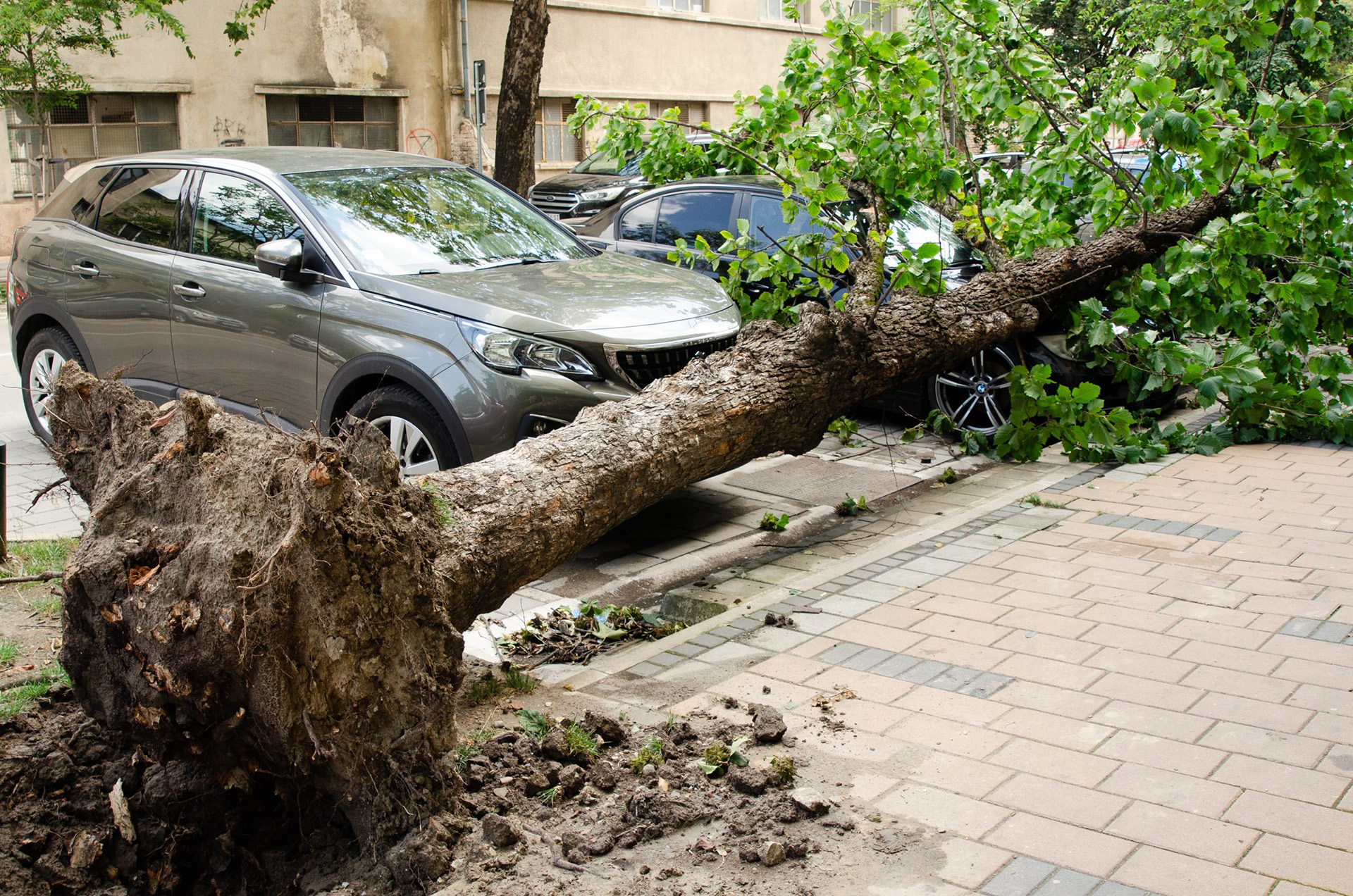
The things I mentioned above can give us a sense of purpose and meaning. I believe that the majority of documentary photographers and photojournalists do this job precisely because it is meaningful and purposeful. But I find it fascinating that there can be other underlying reasons for choosing to be on the spot with your camera. Of course, they can only be secondary, but still present in some of us. They include physiological and psychological aspects, showing us just how complex the human body and psyche are.
Physiological aspect
Chatting with another friend of mine, Andrej Hložan, made me think of another aspect of this “drive” some documentary photographers have – the physiological aspect. To be honest, I had never even thought of that before our chat, but some illnesses can cause you to crave adrenaline more than a regular Joe.
We spoke about Addison’s disease and Congenital Adrenal Hyperplasia (CAH), both disrupting adrenal hormone production (particularly cortisol), crucial for managing stress and energy regulation. It’s worth noting that craving adrenaline-filled situations is not a direct symptom of these conditions, but it may arise as a secondary response.
In Addison’s disease, low cortisol levels might unconsciously drive you toward high-stimulation activities to counteract low energy and arousal. Similarly, chronic awareness of bodily sensations from managing the disease may lead some to seek out adrenaline-inducing situations to “feel alive.”
In CAH, elevated androgen levels can, in some cases, influence risk-taking behaviors and thrill-seeking tendencies, while insufficient cortisol production might indirectly encourage activities that increase stress and adrenaline release to maintain energy. Both conditions may foster a reliance on adrenaline as a coping mechanism to combat feelings of fatigue or disconnection. Over time, this pattern can become reinforced, with individuals associating adrenaline-inducing activities with moments of heightened energy or satisfaction.
I have to note that there still isn’t enough scientific evidence for any of this, but there is a possibility of a connection (there’s a research suggestion for any psychologists, psychiatrists, endocrinologists, and doctors among you).
Mental/psychological aspect
What’s more, some mental illnesses and mood disorders can also increase adrenaline cravings. This is a way for people to regulate emotions, escape negativity, or feel a rush of euphoria. I’ll try to simplify this as much as I can, but remember that these are very complex issues.
For example, during manic episodes in bipolar disorder, people might take risks or seek high-adrenaline activities due to their heightened energy and reduced sense of fear. Similarly, those with ADHD often crave stimulation, engaging in adrenaline-filled activities. In Borderline Personality Disorder (BPD), impulsivity can drive individuals toward high-stakes situations as a way to manage overwhelming emotions or regain a sense of control.
Other conditions, like PTSD, anxiety, and depression, can also play a role. PTSD survivors may gravitate toward adrenaline-filled scenarios to recreate the heightened alertness they experienced during trauma or to distract from intrusive thoughts. For some with anxiety, high-adrenaline activities provide a way to confront fears head-on or master their heightened physical state. Meanwhile, those with depression might use these activities to break through feelings of numbness or apathy.
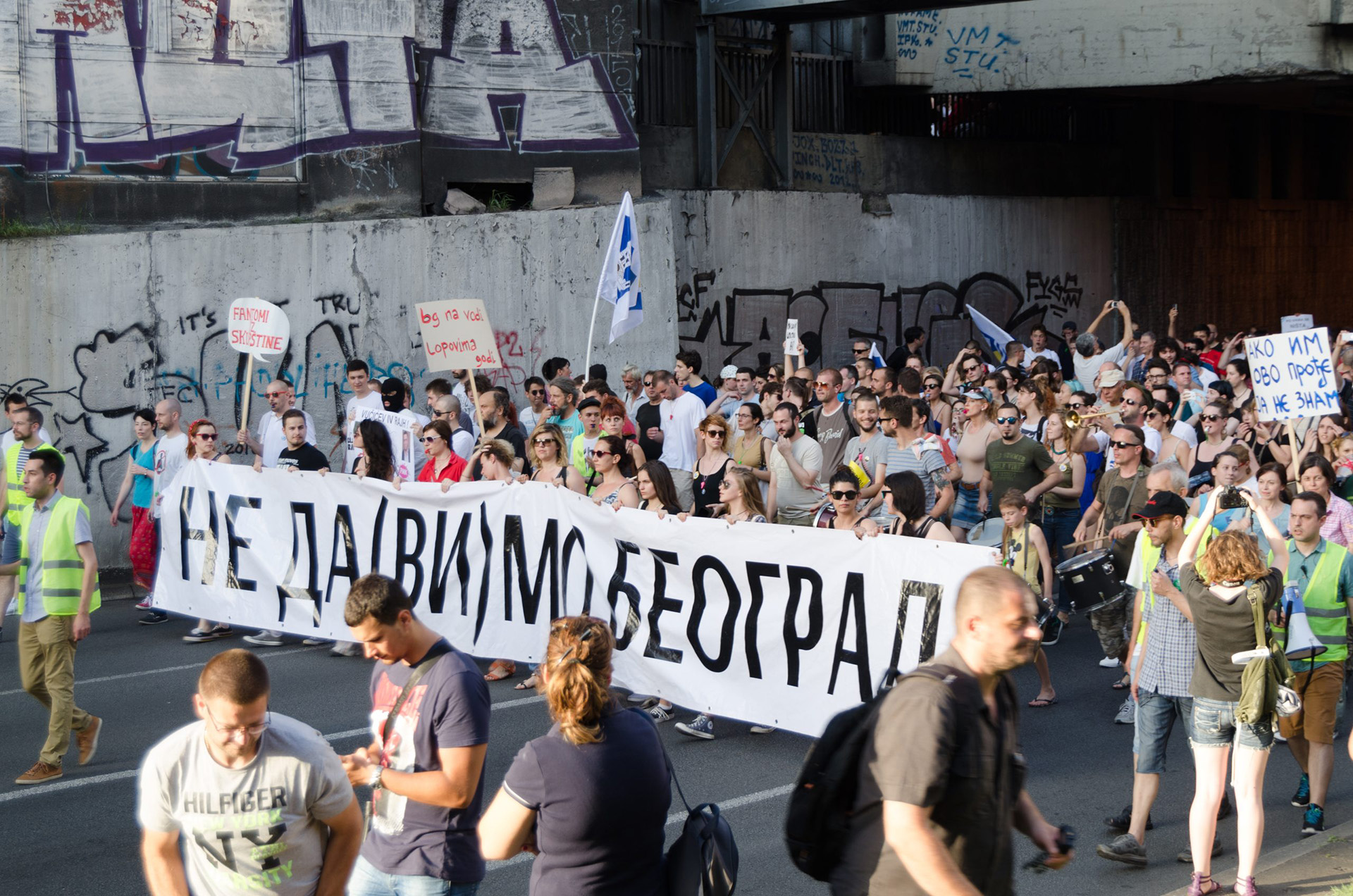
As someone who’s hypersensitive and prone to depression, photographing events like protests and disasters is a double-edged sword for me. On the one hand, taking photos while I’m there helps me shift my focus from the crowd, too many noises, sights, and the overbearing energy of the mass, which is often too much for me to handle. But, on the other hand, just spending my time in protests (photographing it or not) drains me emotionally to the point of falling into severe depressive episodes.
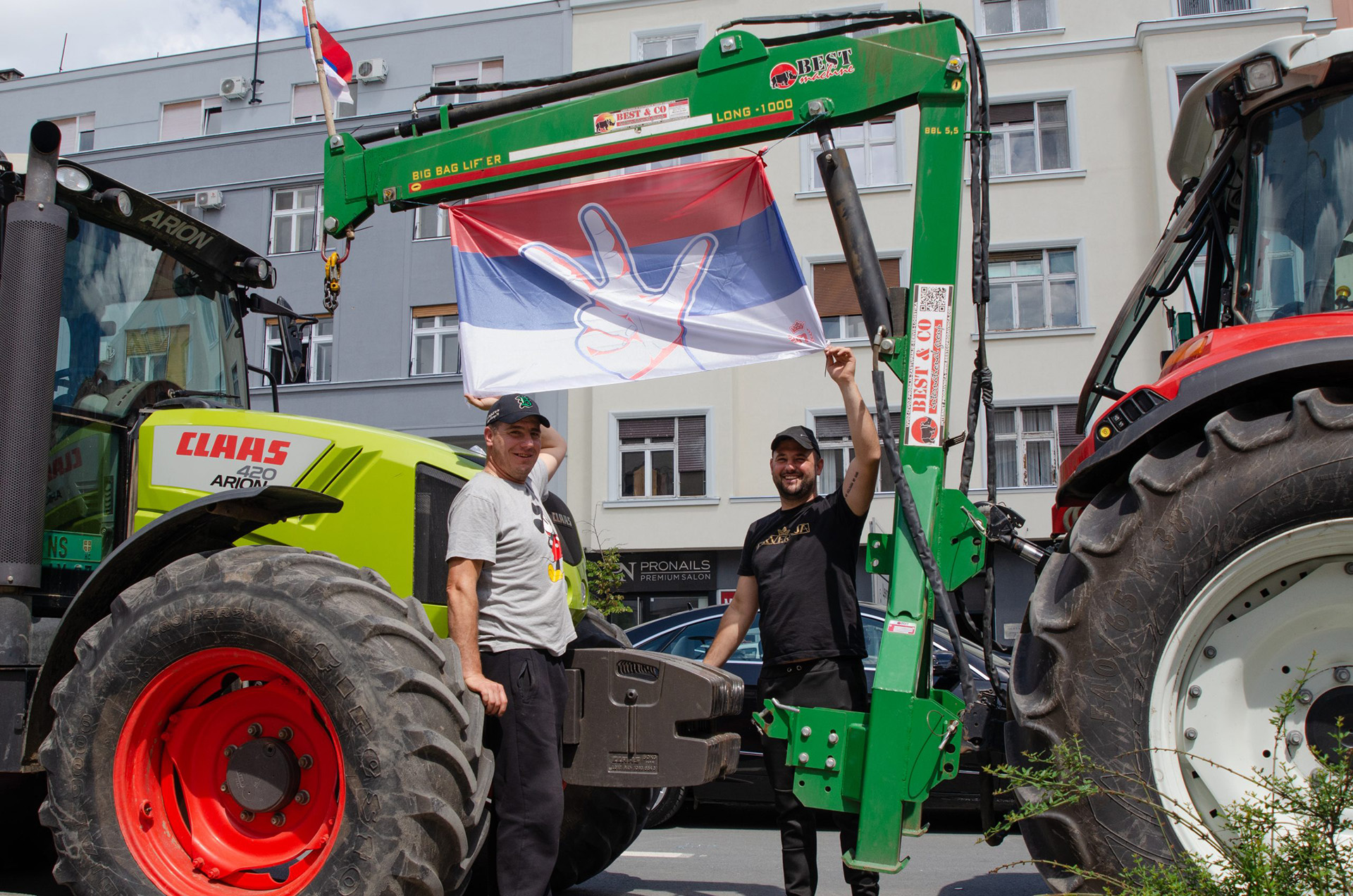
Of course, even if you’re not a documentary photographer, you’re not mentally and physically ill and don’t suffer from any kind of mood disorders, events like protests and natural disasters are extremely emotionally draining. This brings me to this article’s main point – how to deal with it all? How do you unwind after taking photos of disasters, riots, and tragedies?
Tips for unwinding
In this part of the article, I’ll try to separate the tips into categories so it’s easier to find what works best for you. I’ll also include tips from photographers who kindly shared their experiences and thoughts with me.
Acknowledging your emotions
First of all, you need to know that it’s normal to feel overwhelmed, sad, angry, or guilty after photographing difficult situations. Don’t beat yourself up if you feel any of these emotions. Recognizing them is the first step to processing them while suppressing your feelings often leads to burnout or emotional detachment over time.
Self-care and grounding techniques
There are some self-care techniques that you can and should implement after taking photos of difficult events:
- Mindful breaks: Take short, mindful pauses throughout the day to connect with your surroundings. Breathing exercises, guided meditation, and 5-4-3-2-1 grounding exercise are my go-to techniques that help me on the spot. I use the Down Dog app for guided meditation and yoga. I’ve used it for almost two years and I can’t recommend it enough.
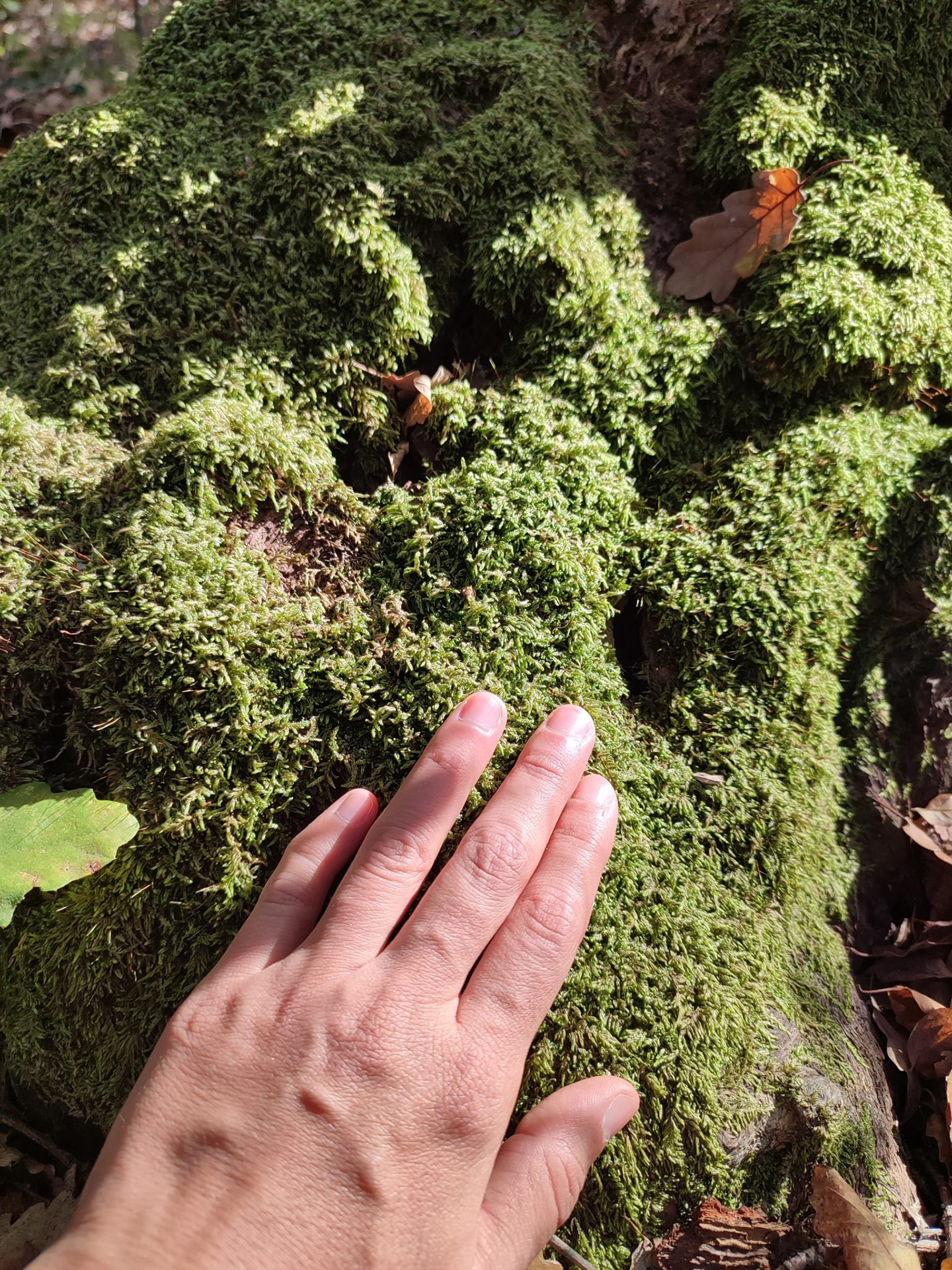
- Engage your senses: Immerse yourself in calming sensory experiences—brew your favorite tea or coffee, listen to your favorite music, or spend time in nature. These activities help regulate stress hormones and restore emotional balance. But try to really focus on the sensations – the smell of that coffee, the instruments in those songs, and all the beautiful colors, sounds, and scents in the forest. It will help you “get out of your head” and get grounded.
- Physical activity: I know not everyone is a fan, but the fact remains that exercise helps us regulate our nervous system. And you don’t have to run a marathon or spend hours at the gym. Even a 20-minute walk releases endorphins and reduces cortisol levels, alleviating feelings of stress and anxiety. And it can be whatever you enjoy, really, there’s no “right” or “wrong” activity. For me, it’s lately been running, but I also find yoga, Pilates, cycling, and long walks to be really helpful and enjoyable, especially after emotionally draining experiences.
Build a support system
Whatever you feel after your task, I suggest writing about your experiences without censorship. Just let it all out. But since we’re all social beings (yes, even introverts), I suggest talking to a trusted friend or a family member, too. When sharing her experience after shooting Valencia floods, Alex said that she and her friends walked back into town (complete with muddy shovels) and had a beer and some tapas. “Random people in the street kept thanking us for helping as we walked past so the sense of community spirit here has certainly helped a lot,” she says. “Otherwise, I guess it’s trying to keep a bit of perspective, staying positive and being grateful not to be affected or have lost anyone.”
Another great move is to join photographer groups or forums where others understand the challenges of documenting sensitive topics. Sharing experiences with those who get it can be incredibly validating.
Of course, I’d also always recommend seeking professional help to process how you feel. Counseling or therapy can offer a safe space to process trauma. Therapists trained in trauma-focused cognitive behavioral therapy (CBT) or EMDR (Eye Movement Desensitization and Reprocessing) are particularly helpful for those repeatedly exposed to distressing scenes.
Set life-work boundaries
Oh here’s my recurring topic in psychotherapy – knowing when to say no. It’s okay to step back from an assignment if it feels overwhelming and if you feel you won’t be able to pull yourself together after it. Your well-being should come first. I made the mistake of attending protests when I wasn’t mentally well – and it pushed me so far into a depressive episode that I don’t know how I’m still here. Don’t be me. Be kinder to yourself.
But when you do shoot actively, plan restorative activities afterward. You can read a book, enjoy a hobby, or spend time with loved ones (pets included, of course). My favorite hobby for unwinding is crochet; usually while watching a light TV show like Brooklyn 99 or The Office. I’ve also discovered running recently, and of course, a good hike and spending time in a forest are a must for me.
Creative expression
What I love about being creative is that I can use this creativity to express how I feel. You can also express your thoughts and feelings through creative outlets like painting, poetry, and, of course – photography. If you have ideas for a personal project, you can embark on them. An easier option, if you lack creative energy, is to revisit your old work and do some new editing. Either way, it should be a therapeutic practice for you to step away from photographing difficult events. As I mentioned, if you have the chance, step away from photographing emotionally draining events for a while, too.
Stay safe!
Other than coping with the adrenaline rush and its aftermath, it’s also crucial to stay safe during the event itself, and that’s another thing I wanted to share.
Please, make sure to wear proper safety gear. Depending on the event you photograph, this can include a KN-95 or a gas mask, a helmet, or a special wardrobe (such as a flame-resistant suit). Also, keep your camera safe, and maybe slap on a clear or UV filter to protect the lens’ front element.
I know that the adrenaline’s pumping, but please stay aware of your surroundings, always on high alert and constantly estimating the situation.
Closing thoughts
Documentary photography has so many superpowers. It connects us with the rawest corners of human emotion, and it tells the story as it is, but documenting disasters or tragedies only amplifies their intensity. So, I’d like you to remember that it’s not just about telling stories or capturing moments. You also need to preserve your well-being so you can continue to share those stories meaningfully.
I hope that you’ve found these suggestions useful, and I invite you to find the practices that work best for you. Whether it’s leaning on loved ones, exploring creative outlets, or taking time to reconnect with nature, prioritize your emotional health just as much as your craft. And if you ever need to, don’t hesitate to seek professional help—it’s one of the most empowering decisions you can make.
In a world that sometimes feels heavy with grief and chaos, you are helping to illuminate truth and empathy through your lens. But even the brightest light needs moments to recharge. After all, taking care of your mental health doesn’t make you less of a documentarian—it makes you a stronger one.
Take care and stay safe!
Important disclaimers
- Do not self-diagnose: The information I provided here is a) simplified and b) intended for general awareness. In other words, it doesn’t replace professional advice. Please, do not self-diagnose any mood disorder, physical illness, or mental health condition based on this text (or TikTok videos, for that matter).
- Seek professional guidance: If you do suspect that you may have a psychological or physiological issue, consult a licensed medical or mental health professional. Accurate diagnosis and treatment require a thorough evaluation by qualified professionals.
- If techniques aren’t effective: If you feel like none of the techniques mentioned don’t help you and your emotional state doesn’t improve within 2–6 weeks, it is crucial to seek professional help. Remember, it’s a sign of strength, not weakness, and delaying it may prolong distress and worsen your symptoms.
Resources for help
- USA: contact the national suicide prevention lifeline at 988 or visit suicidepreventionlifeline.org
- Worldwide: for global mental health resources, visit the International Association for Suicide Prevention (IASP)
See more from DIYPhotography.net on Google
Add DIYPhotography.net as a trusted source. This makes
our stories more likely to appear in your Google Search results.
 Add as a preferred source on Google

Dunja Đuđić Kalinin
Dunja Djudjic is a multi-talented artist based in Novi Sad, Serbia. With 15 years of experience as a photographer, she specializes in capturing the beauty of nature, travel, concerts, and fine art. In addition to her photography, Dunja also expresses her creativity through writing, embroidery, and jewelry making.
Related Posts
 109-year-old camera store burned to the ground during riots in Kenosha
 Photographer shares how she turned the feeling of anxiety into an enchanting photo
 How altering the look of your black and whites can change its mood and feeling
 “It’s truly an incredible feeling when you can show someone how beautiful they are”
Join the Discussion
DIYP Comment Policy
Be nice, be on-topic, no personal information or flames.