
















My city in Spain became a disaster zone, this is why I went to photograph the aftermath
Nov 4, 2024
Alex Baker
Alex Baker is a portrait and lifestyle driven photographer based in Valencia, Spain. She works on a range of projects from commercial to fine art and has had work featured in publications such as The Daily Mail, Conde Nast Traveller and El Mundo, and has exhibited work across Europe
Share:

I wasn’t expecting to wake up last week to the news that Valencia (the city I live in in Spain) had become a disaster zone. Torrential rain, coupled with some political bungling, resulted in the worst flooding this country has seen since the 1960s. 70,000 people have been affected, and entire towns devastated. Almost a week on, sadly, the numbers of dead and missing are still climbing. To describe the scene as post-apocalyptic is not an understatement.
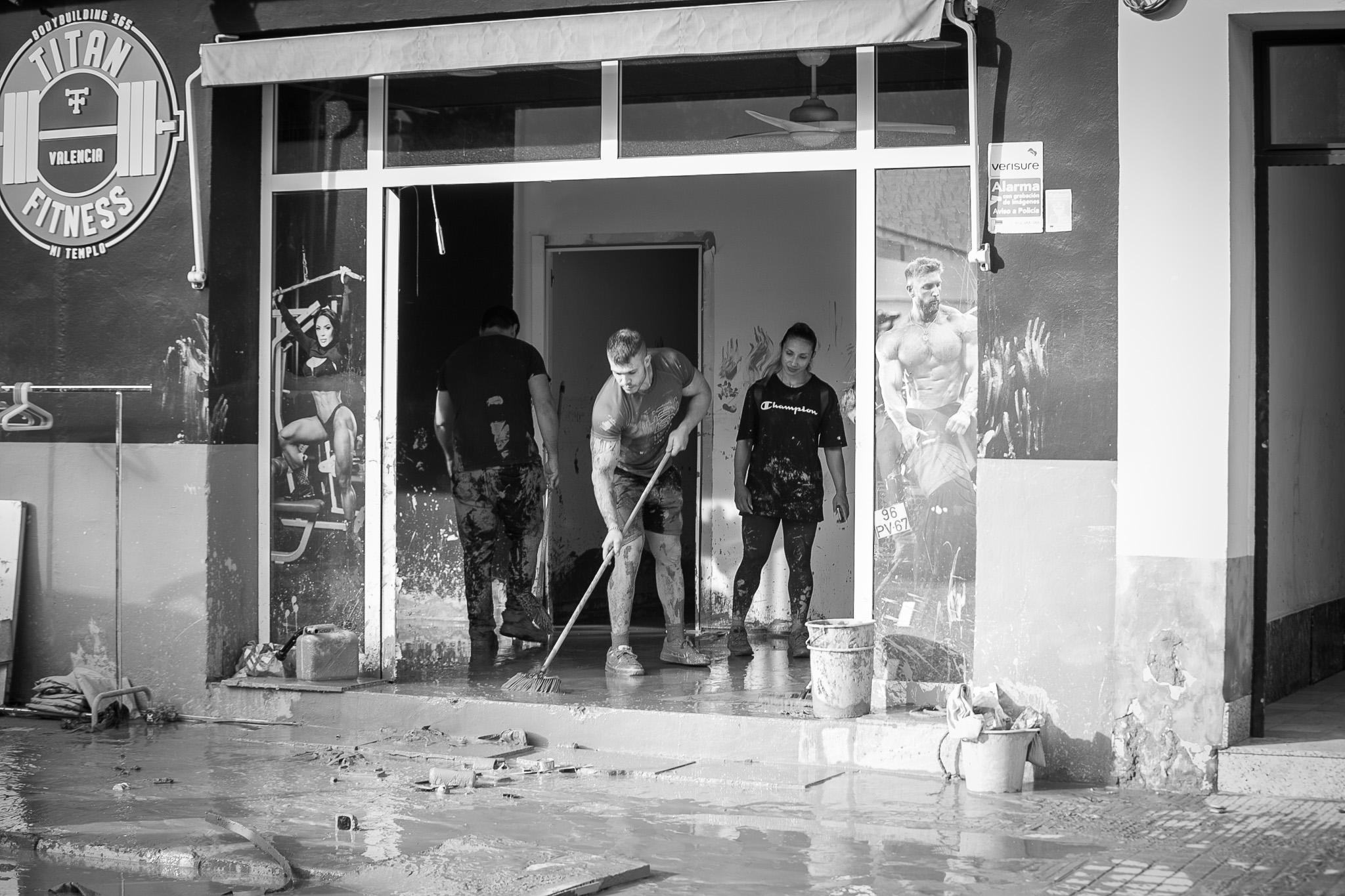
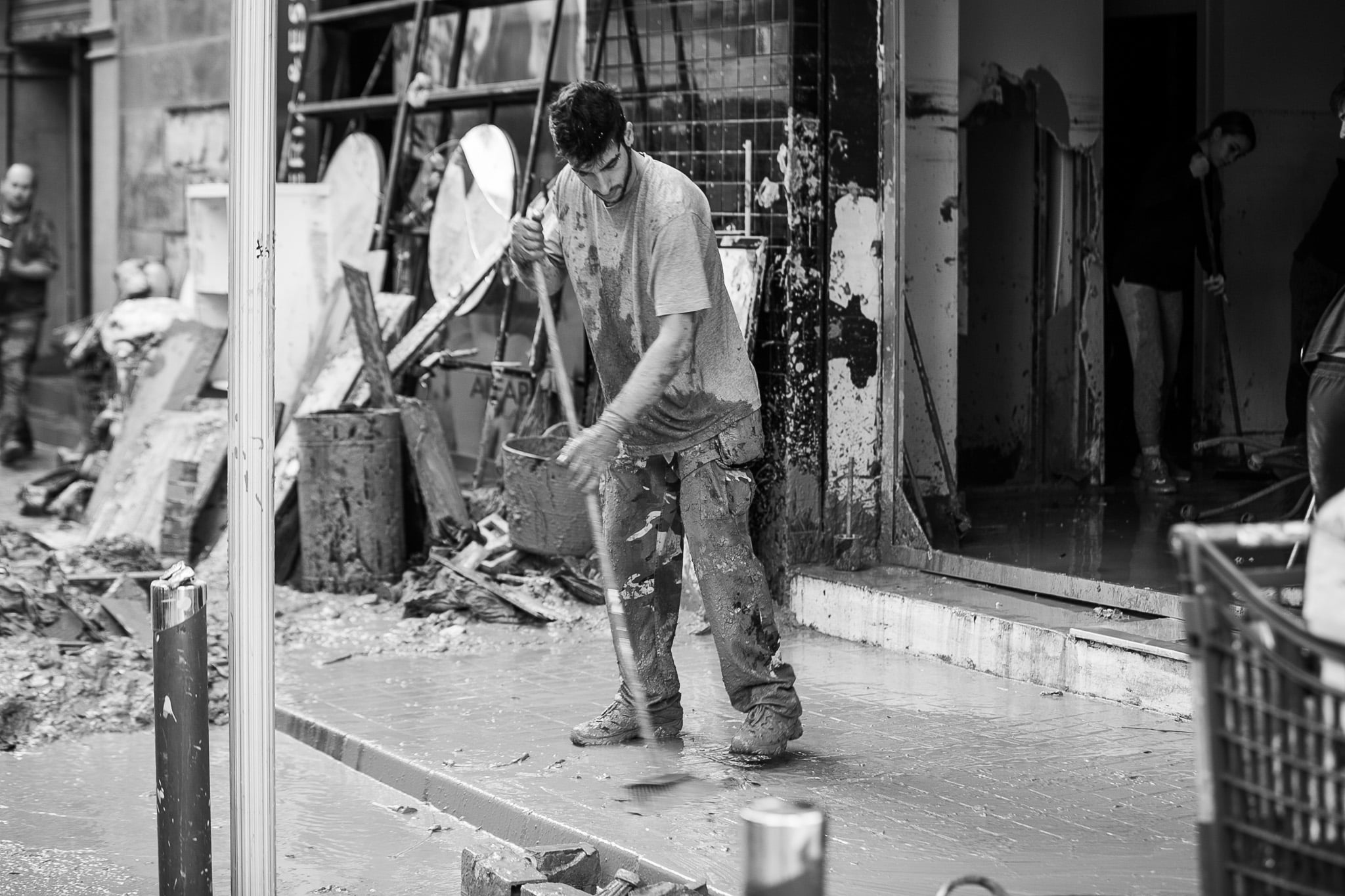
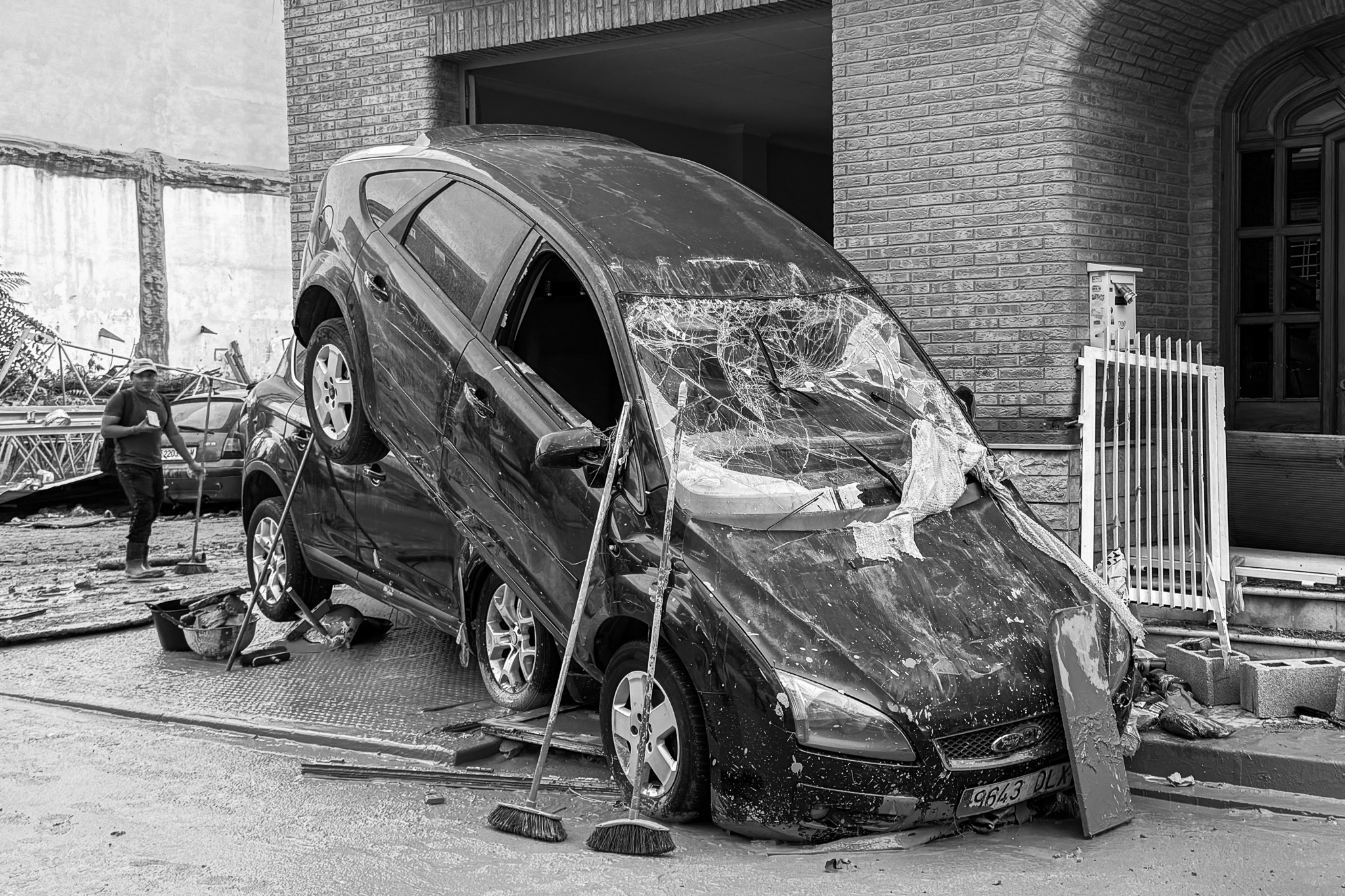
I’m not a photojournalist and certainly would not describe myself as a street photographer. However, two days after the flood, I joined thousands of volunteers to help with the cleanup. I took my camera along after seeing a call-out for photographers online to document what was happening. What I witnessed was simply staggering: demolished cars piled high in the streets, tossed about like toys, ankle-deep mud, and very little official help at that point in time (the army and firefighters from cities across the country have since been deployed).
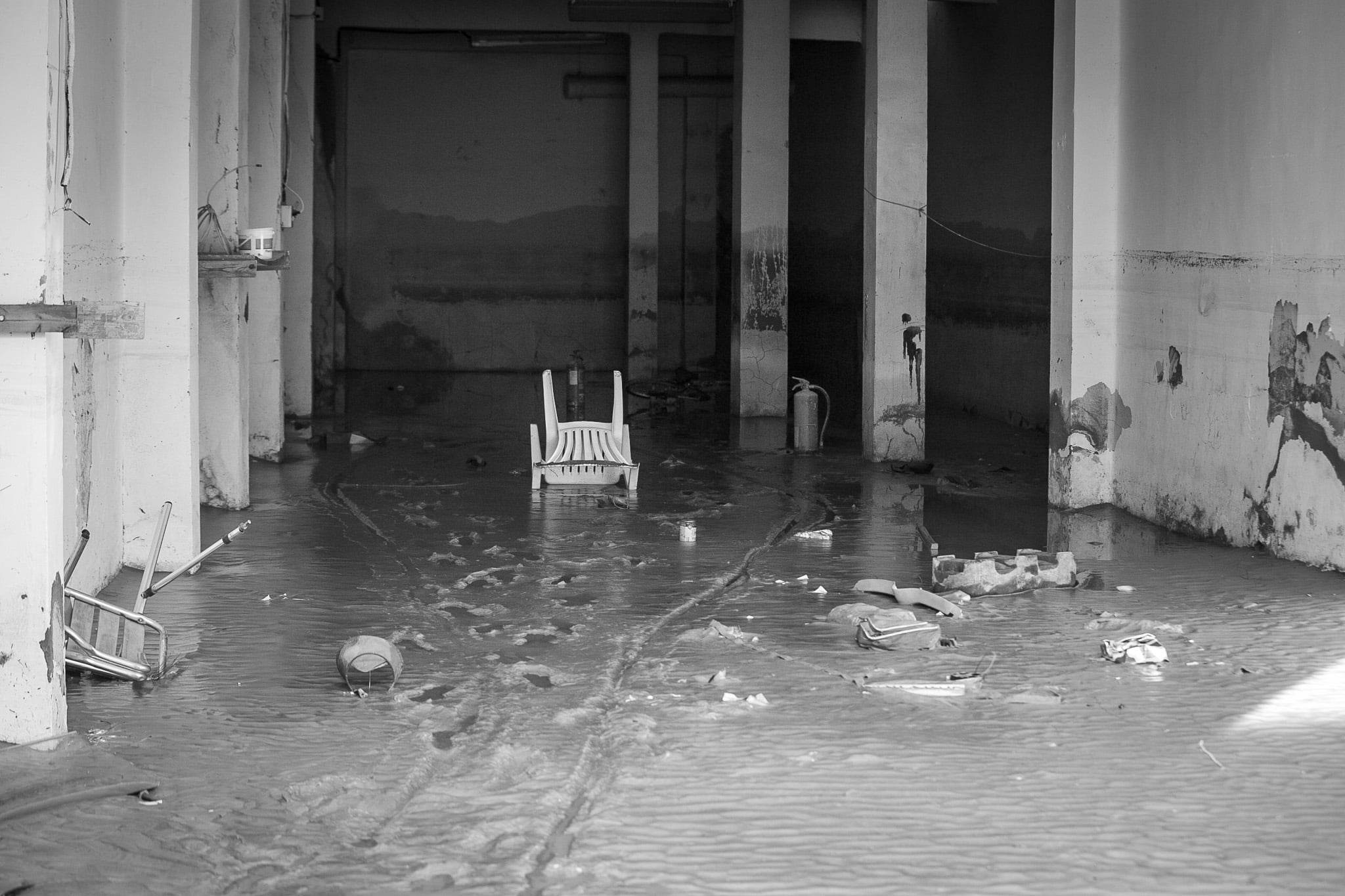
To photograph or not to photograph?
At first, I felt self-conscious, not wanting to add to the misery or be perceived as a vulture just standing around taking photos. However, it quickly became apparent that there weren’t hordes of news crews or photojournalists covering this, and these people badly needed the international spotlight to highlight just how bad things were (and still are). So I spent around an hour walking around, taking photos and talking to local people and then teamed up to help a small business owner clean his shop.
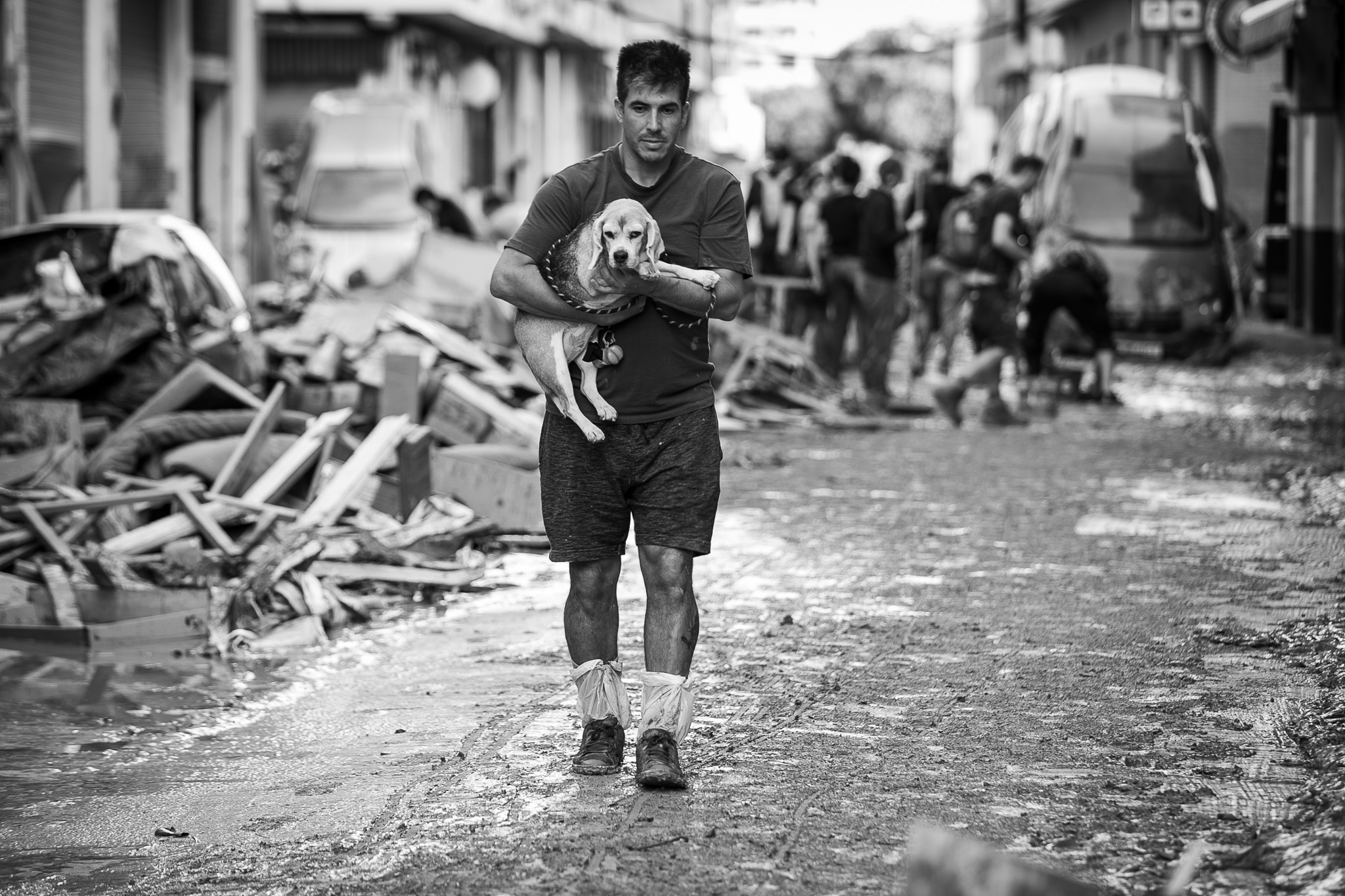
The question of whether it’s appropriate to go and take photos during events like these is a delicate one and doesn’t have a simple answer. There are certainly occasions when it’s best left to the professionals. However, there are equally strong reasons to go and document what is happening.
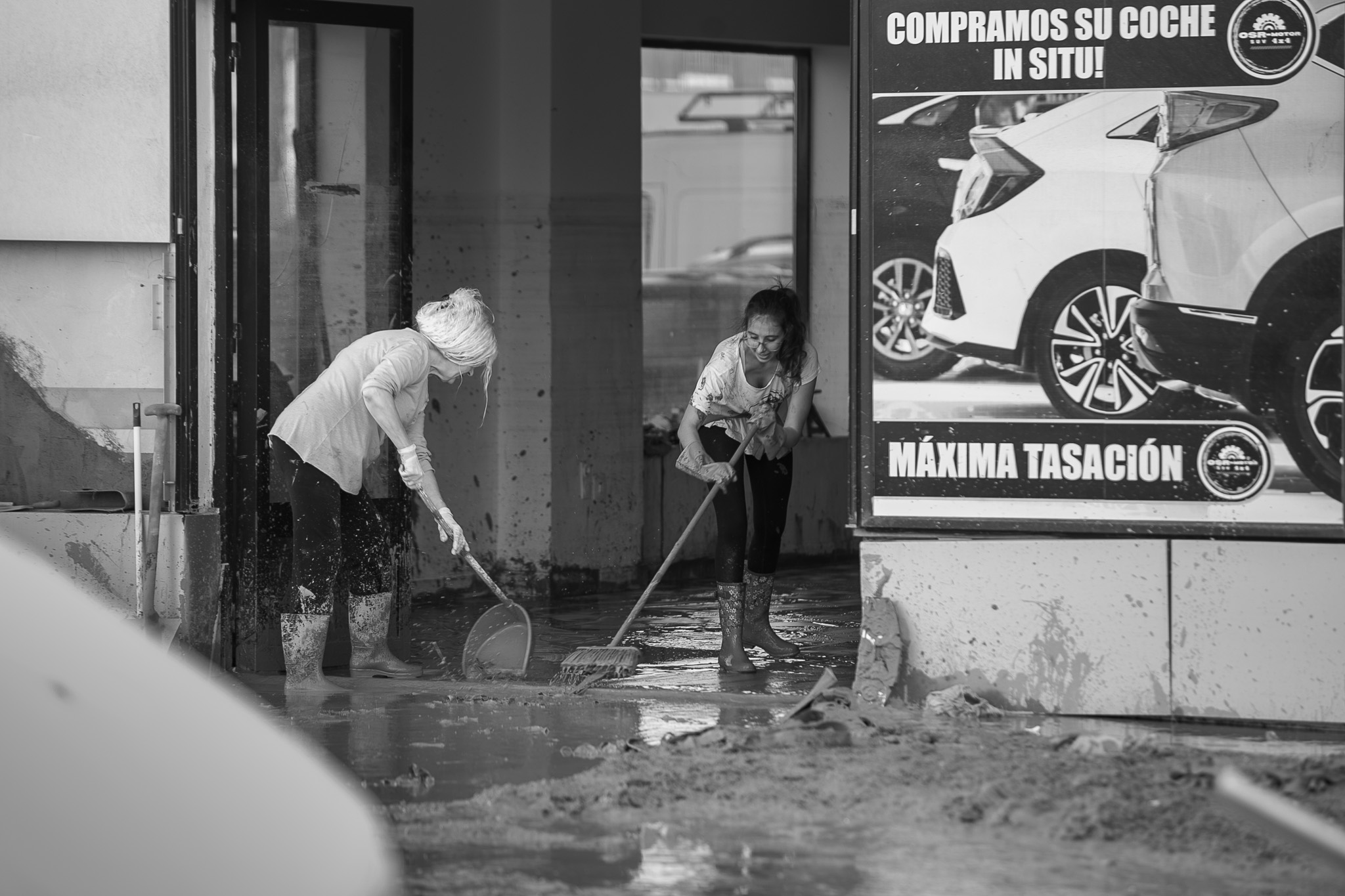
If you’re ever in this unfortunate position and are unsure if your photography would be of help, then ask yourself these questions:
Are you there anyway, or are you first on the scene?
If you’re already on the scene while things are unfolding, then it makes sense to document it with whatever you have to hand, whether that’s a phone or a real camera. Much of the news these days is made up of incredibly valuable eyewitness material, and if you’re first or early on the scene you will have an advantage over international news correspondents who will need time to travel. We definitely saw a time-lag between the local news and the international coverage.
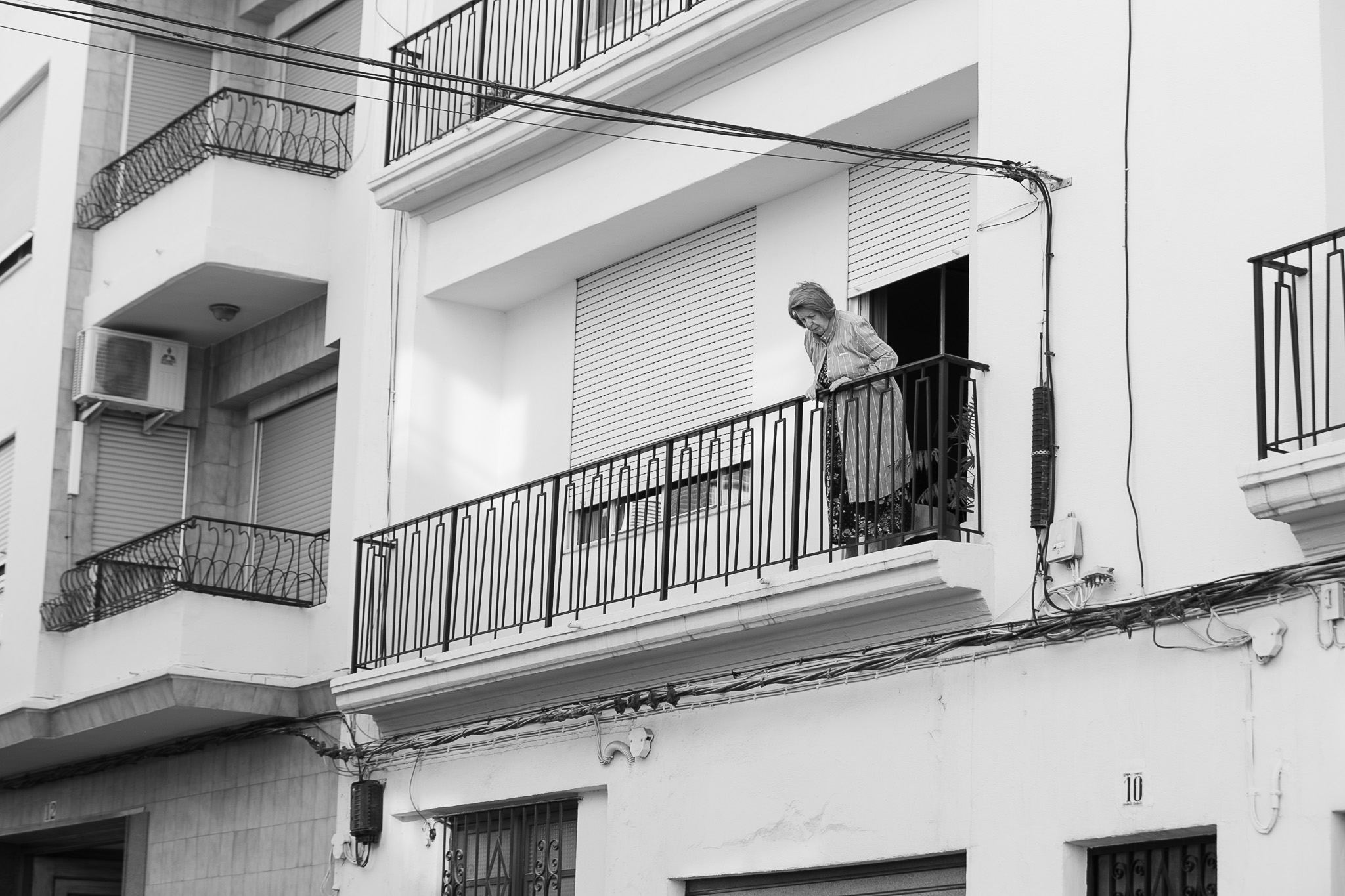
Do you have a unique perspective?
This is what all of us should be asking ourselves whenever we go to take photographs. However, it is also important when covering news events. The large news and photo agencies usually have things covered very quickly, so it’s important that you can find a different angle to cover or a different perspective.
I’ve lived in Valencia for almost twenty years so I’ve seen a lot of change in that time, including spending the pandemic here. I used to rehearse in one of the flooded towns so I had a good sense for how different the place looked. I attempted to go for a more humanistic approach to the images I took, I made sure that I engaged with the people I photographed, commisserating with them and then putting the camera away and helping.
Has someone specifically asked you to go?
If someone has specifically asked you to go to photograph or film what’s happening then that’s a big reason to go. The people in the flooded villages in Valencia felt a strong sense of abandonment in the first few days, due to shortfalls in the local government disaster planning and organisation.
It took at least two days before the international news had conveyed the severity of the disaster, and locals were clamouring for coverage, to get their story out to the rest of the world. There was also a sense of certain truths being covered up, and so independent people can be useful in this instance.

Can you do it without hindering emergency crews or getting in the way?
I went along with thousands of other people volunteering so it was somewhat safe. I followed instructions from police and stayed away from anywhere that was using heavy machinery to lift cars. In no way should you be getting in the way of emergency and rescue services. This goes for parking your car too. The only way to get to the flood zones was on foot, which meant walking a total of 20km round trip. Many of the roads have been destroyed, there’s no public transport like train or metro, and any access points need to be left clear for the emergency vehicles.
Will you be putting yourself or others in danger?
Obviously, you need to make sure that you and anyone else are safe first; no photo is worth risking your life for. This goes for physical and mental health. There is a possibility that you could see some difficult and emotional scenes. People have sadly still been finding bodies in the cars and in underground parking garages as they sort through the wreckage, and without training or psychological support that could be difficult to witness. Even the emergency crews who are trained to deal with these scenes are struggling to cope.
You need to follow the rule of looking after yourself first, then be in a position to help others. This means dressing appropriately, taking water and snacks and following protocol. We have now been advised that there could be chemical and bacterial contamination in the muddy water so gloves, eye protection, rubber boots and waterproof clothing is advised. It’s worth spending a little time being prepared.
We also kept a strict eye on weather warnings. If there was even a chance of more rain we would not have gone due to the potential for further flooding. That goes for local weather and upstream. No one needs to become another statistic.
Can you give the people affected dignity and respect while telling their story?
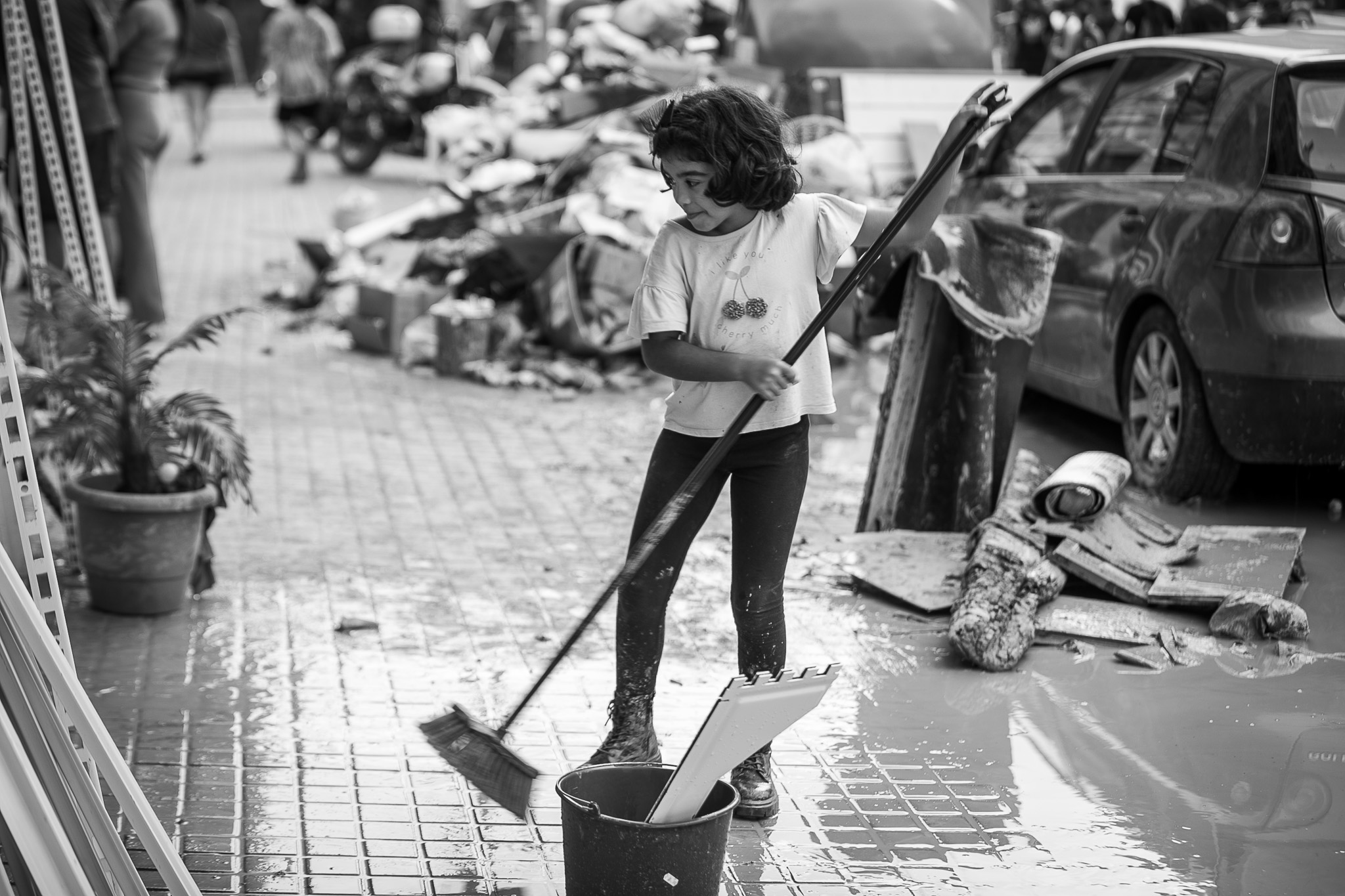
This one may seem obvious but it’s important to remember that these people are not just there to bolster your social media account. Talk to them, ask them if they mind having their photo taken, help them out. One good thing about being a citizen photojournalist as opposed to an official one is that you can get a little more involved without worrying about changing the story.
Obviously the truth is important and you shouldn’t be getting people to pose for your photographs, but you have a lot more freedom from this point of view. I would advise following journalism protocol and not editing images aside from basic colour and exposure adjustments and cropping, however.
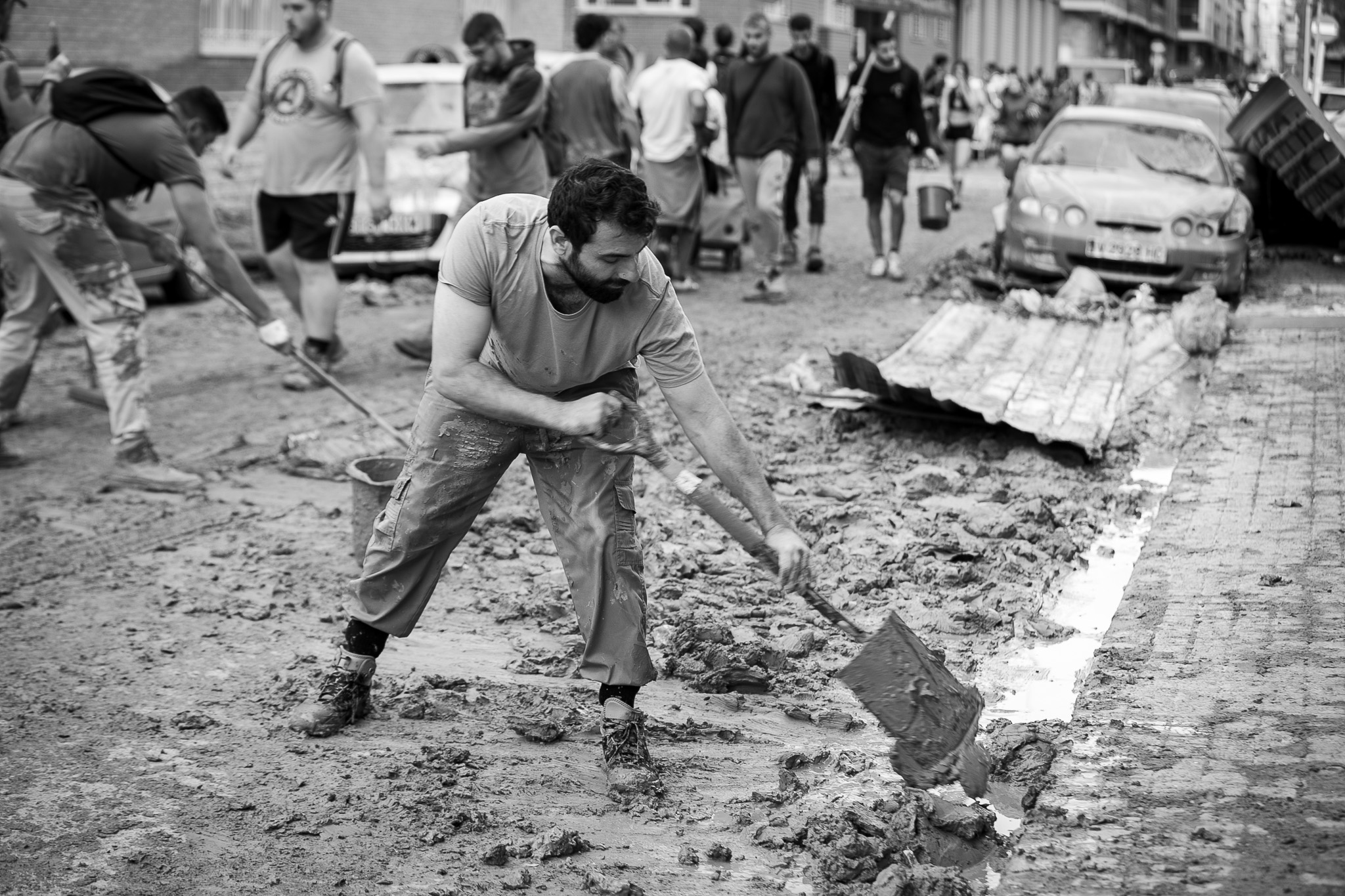
Can you make your images stand out?
Finally, remember that a seasoned photographer can lend gravitas to a story even if they aren’t usually a photojournalist (I would describe myself mostly as a portrait photographer). An eye for good composition and light will help to convey the important elements and emotions without all the distracting clutter that non-photographers will include.
Using a better camera with a long lens can also set your photos apart with a narrower depth of field, minimising distracting elements. Similarly, many videos taken by bystanders are difficult to watch because people wave their phones about. A little steady footage with minimal panning goes a long way. While I don’t agree with making art from misery or any kind of disaster tourism, any visual storytelling will convey a stronger, more impactful message by taking the time to compose your images thoughtfully.
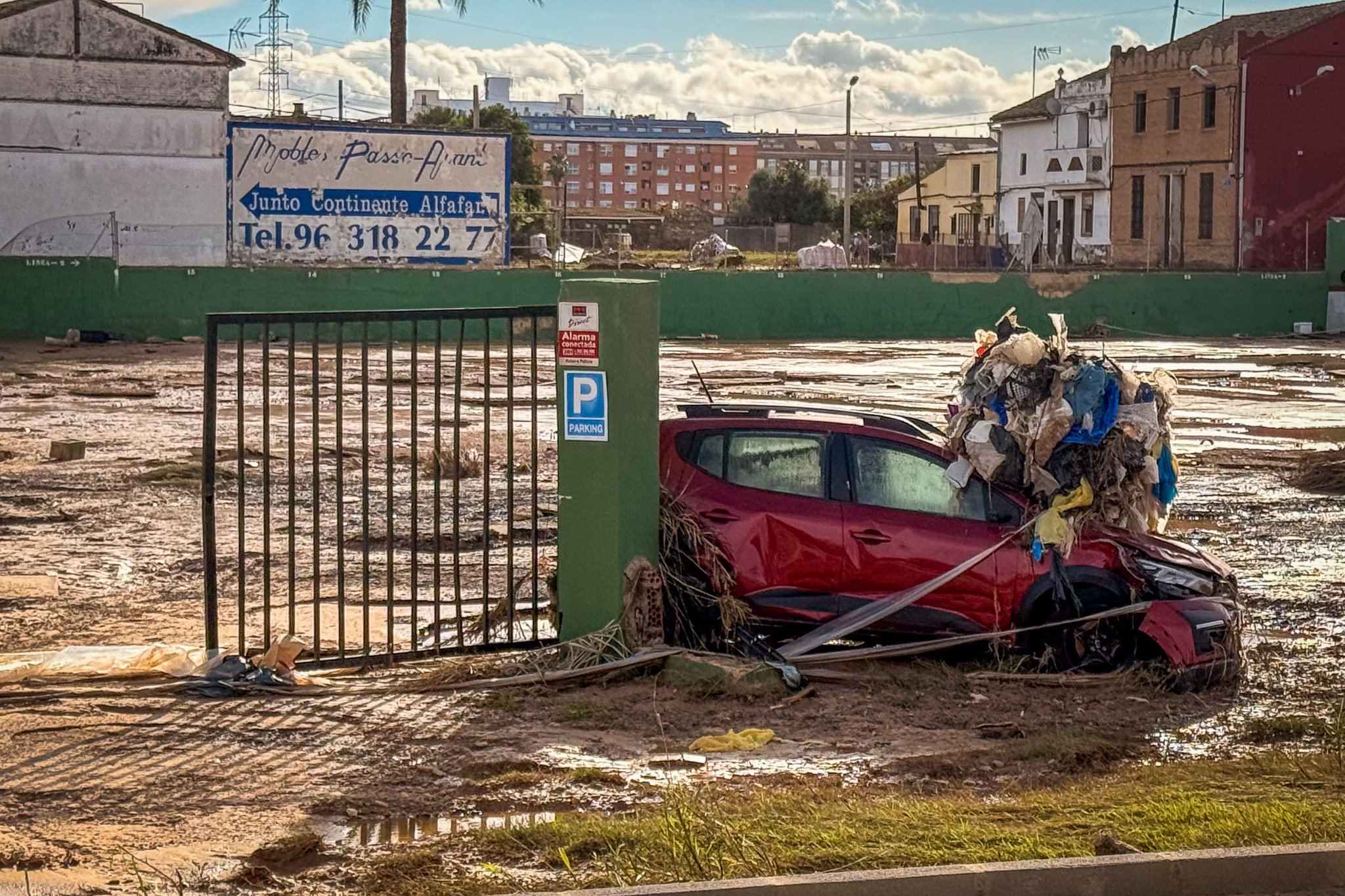
In the end, I had a positive reception to taking photographs of the flood aftermath. A little respect and empathy goes a long way and at no point did I feel as though I should not be there documenting it. I also did not see any other news cameras or photojournalists the entire day.
As the communities clean up and rebuild, there will be a need for on-going coverage and documentation, which is something that is best offered by local photographers. Even if you can’t get there straight away, there may be a need to document things moving forward, or highlight on-going issues from a humanitarian point of view.
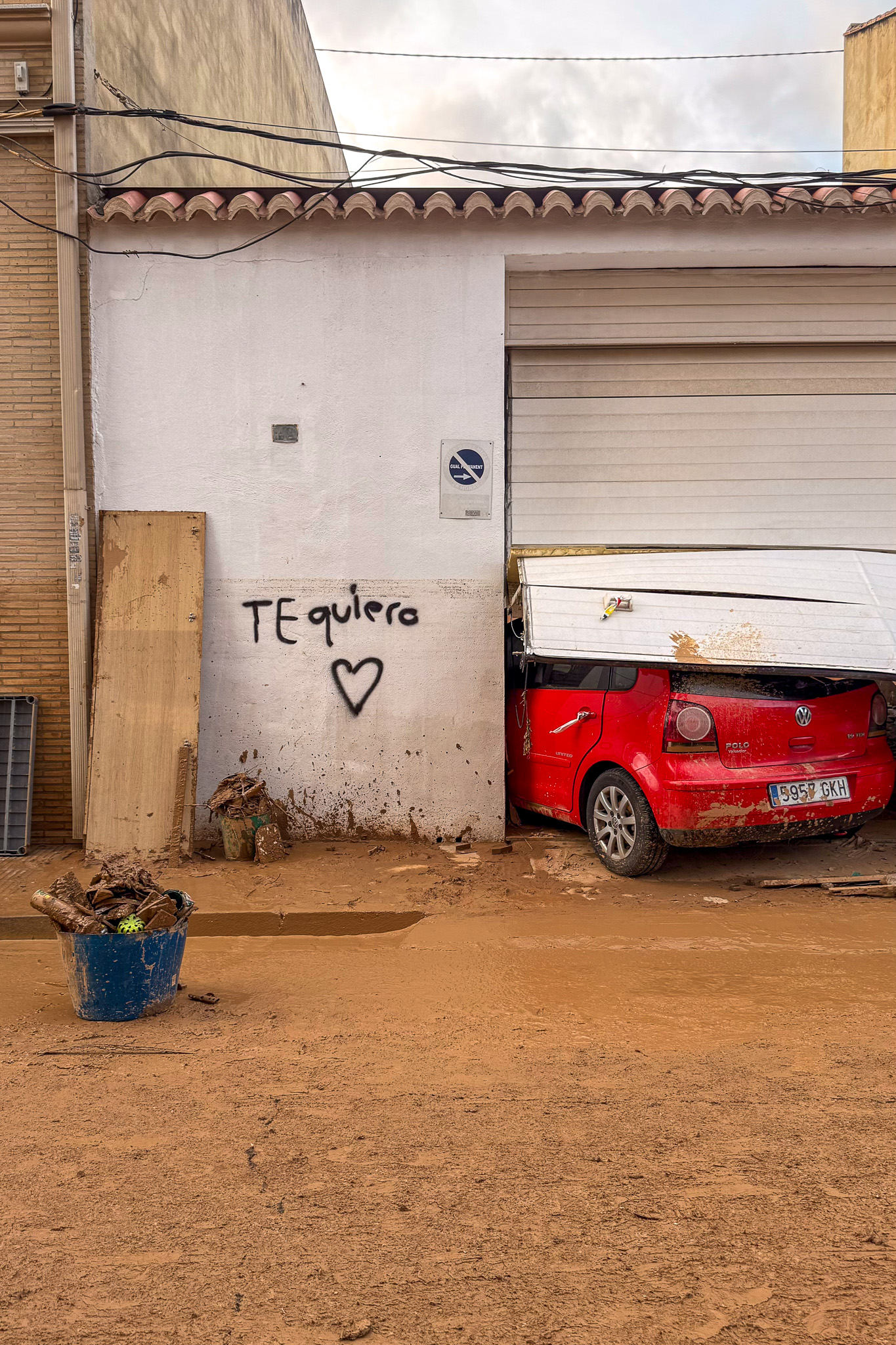
As we take stock here in Valencia a week on from the disaster it’s pretty clear: the people of Valencia are going to need long-term support. There’s a long road ahead as we count the human and economic costs.
See more from DIYPhotography.net on Google
Add DIYPhotography.net as a trusted source. This makes
our stories more likely to appear in your Google Search results.
 Add as a preferred source on Google
Alex Baker
Alex Baker is a portrait and lifestyle driven photographer based in Valencia, Spain. She works on a range of projects from commercial to fine art and has had work featured in publications such as The Daily Mail, Conde Nast Traveller and El Mundo, and has exhibited work across Europe


Join the Discussion
DIYP Comment Policy
Be nice, be on-topic, no personal information or flames.