





















How “Rugged” is a Rugged Camera? Let’s Find Out. WARNING: Graphic Camera Images!
Jun 21, 2025
David Prochnow
Our resident “how-to” project editor, David Prochnow, lives on the Gulf Coast of the United States in Ocean Springs, Mississippi. He brings his expertise at making our photography projects accessible to everyone, from a lengthy stint acting as the Contributing How-To Editor with Popular Science magazine. While you don’t have to actually build each of his projects, reading about these adventures will contribute to your continued overall appreciation of do-it-yourself photography. A collection of David’s best Popular Science projects can be found in the book, “The Big Book of Hacks,” Edited by Doug Cantor.
Share:

Not suitable for work (NSFW), indeed; especially, if your occupation is photography, then it’s “not suitable for photographic work.” This is the world of extreme photography. It’s not that you’re abusive to your cameras, rather, some photographs require encroaching on environments that aren’t suited for plastic, glass, and leather. These are the types of situations that call for a “rugged” camera.

“As tough as nails,” is the best way to describe a rugged camera. In other words, a camera that is able to handle rough work among rocks, mud, sand, water, and other forms of abusive environmental factors where you wouldn’t dream of using your unprotected plastic-clad mirrorless camera. Equipped with flexible, tight sealing O-rings, robust operating controls, and unique lenses, a rugged camera is able to swim in oceans, explore frigid ice floes, scale mountain summits, and lounge on a sandy beach without nary a worry about scratches, dents, dings, or abrasion.
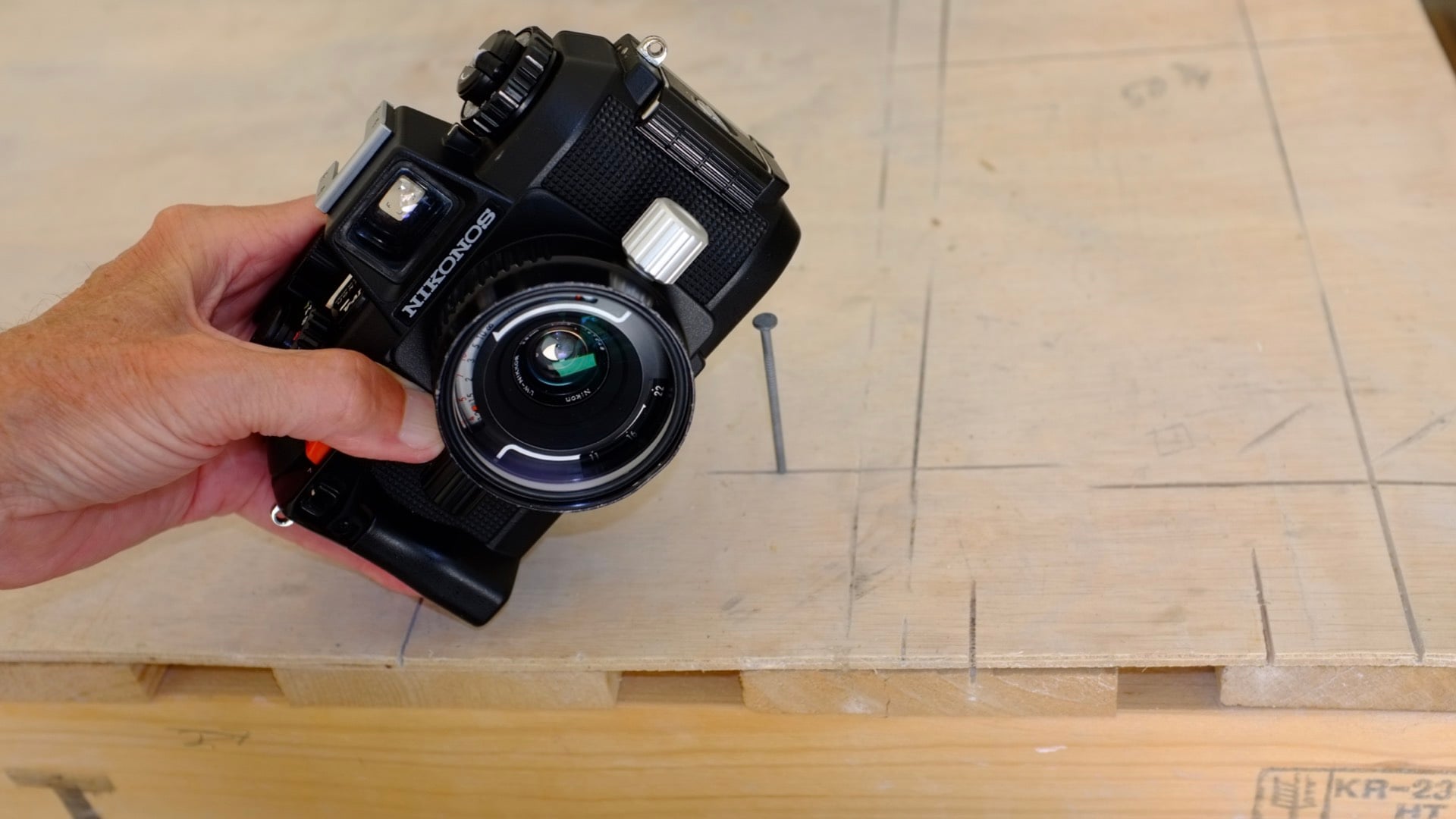
If your photographic work calls for a rugged camera, one of the best that you’ll ever find is the 35mm Nikon Nikonos IV-A. This vintage camera is the ideal companion for tackling any harsh assignment. Whether equipped with batteries for a completely automatic exposure system or operating manually with a fixed 1/90 of a second shutter speed, the Nikonos IV-A will guarantee your success.
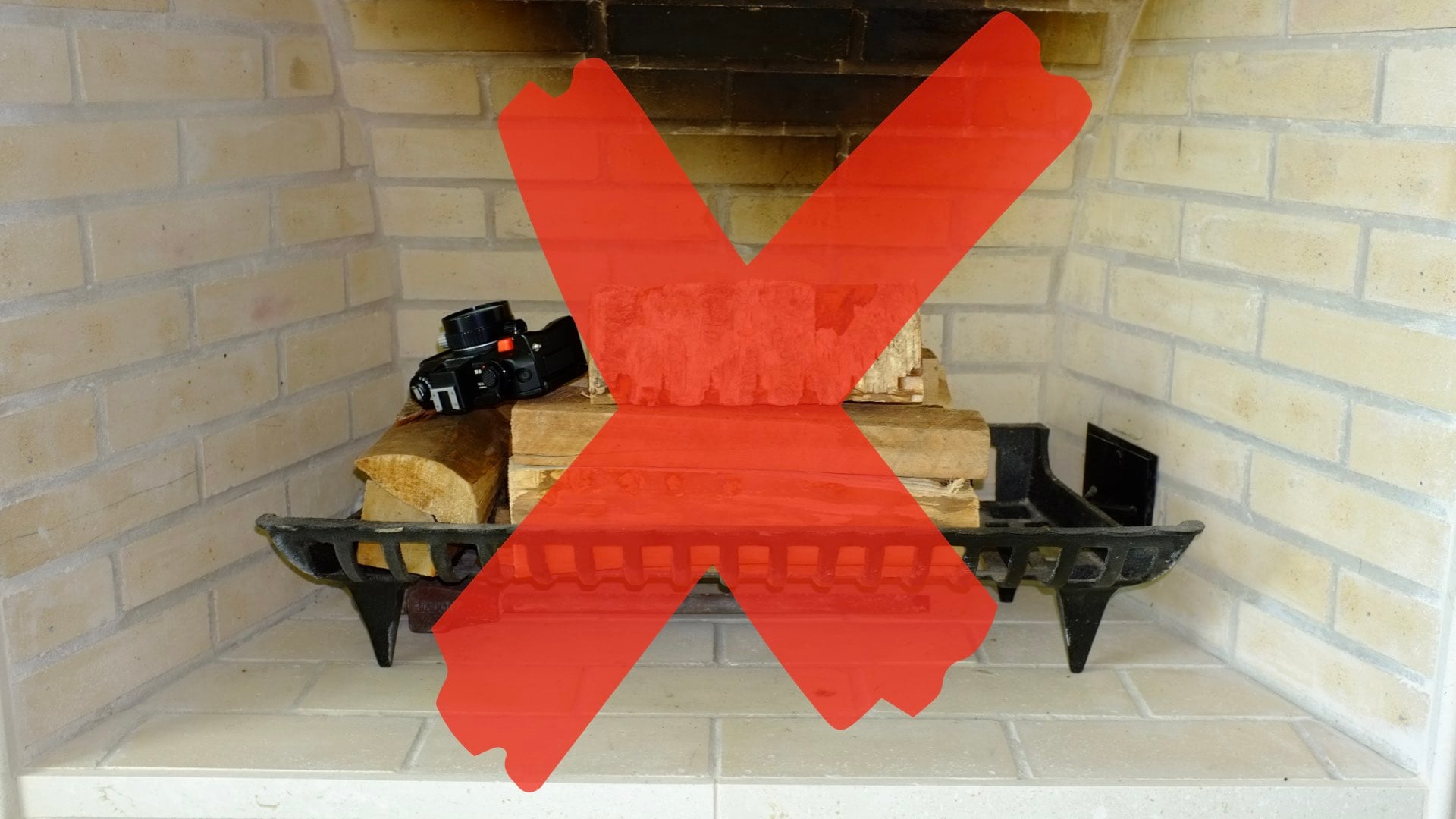
Go Where No Other Camera Dares Tread
Pushing the limits is the operational premise for using a Nikonos IV-A. Take it anywhere and photograph anything. In order to take these photographs, there are four available lenses, 15mm f/2.8, 28mm f/3.5, 35mm f/2.5, and 80mm f/4, that enable this rugged camera to adjust to whatever subject you want to photograph; except long-range telephoto images. Furthermore, two of these lenses, the 15mm and 28mm lenses, are specifically made for underwater photography. This Nikon restriction doesn’t mean that you can’t also use these lenses topside, however. Just make a focus adjustment, for example, use 1 meter for your infinity setting at f/22 with the 28mm lens, and you’re now a bonafide landlubber that’s good to go…anywhere.
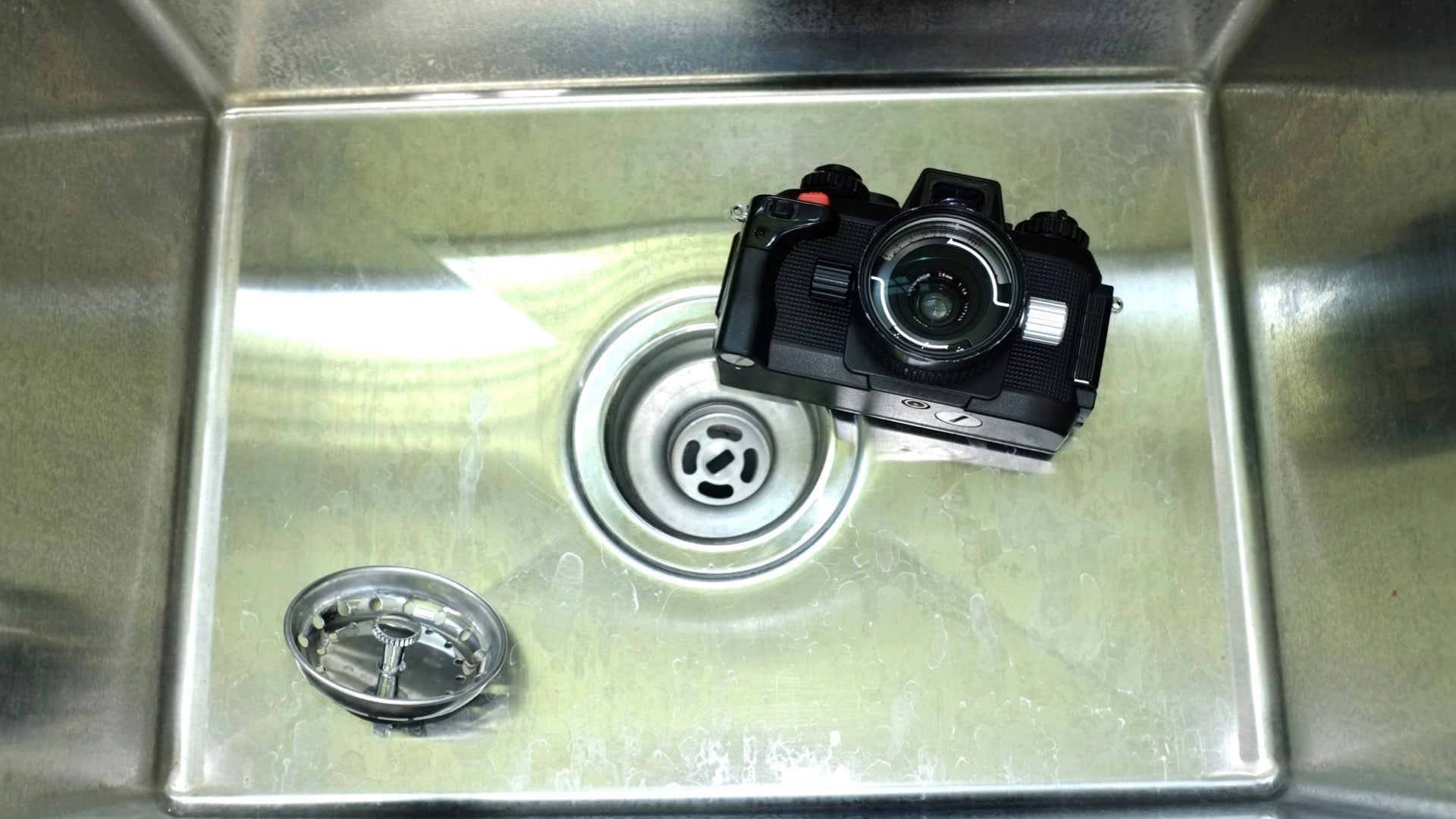
Finding a used Nikonos IV-A camera in excellent condition shouldn’t be a problem. Unlike today’s digital action cameras, this “rock” star is able to shine in spite of rough handling during its lifetime. The only handicap that is a potential Achilles’ heel of this Nikonos camera is locating new O-rings for replacing worn out seals. You “might” be able to find a set of useable O-rings at various used equipment Web sites. For example, this “like new” set of seals was available for $31 at the time of this article’s publication.
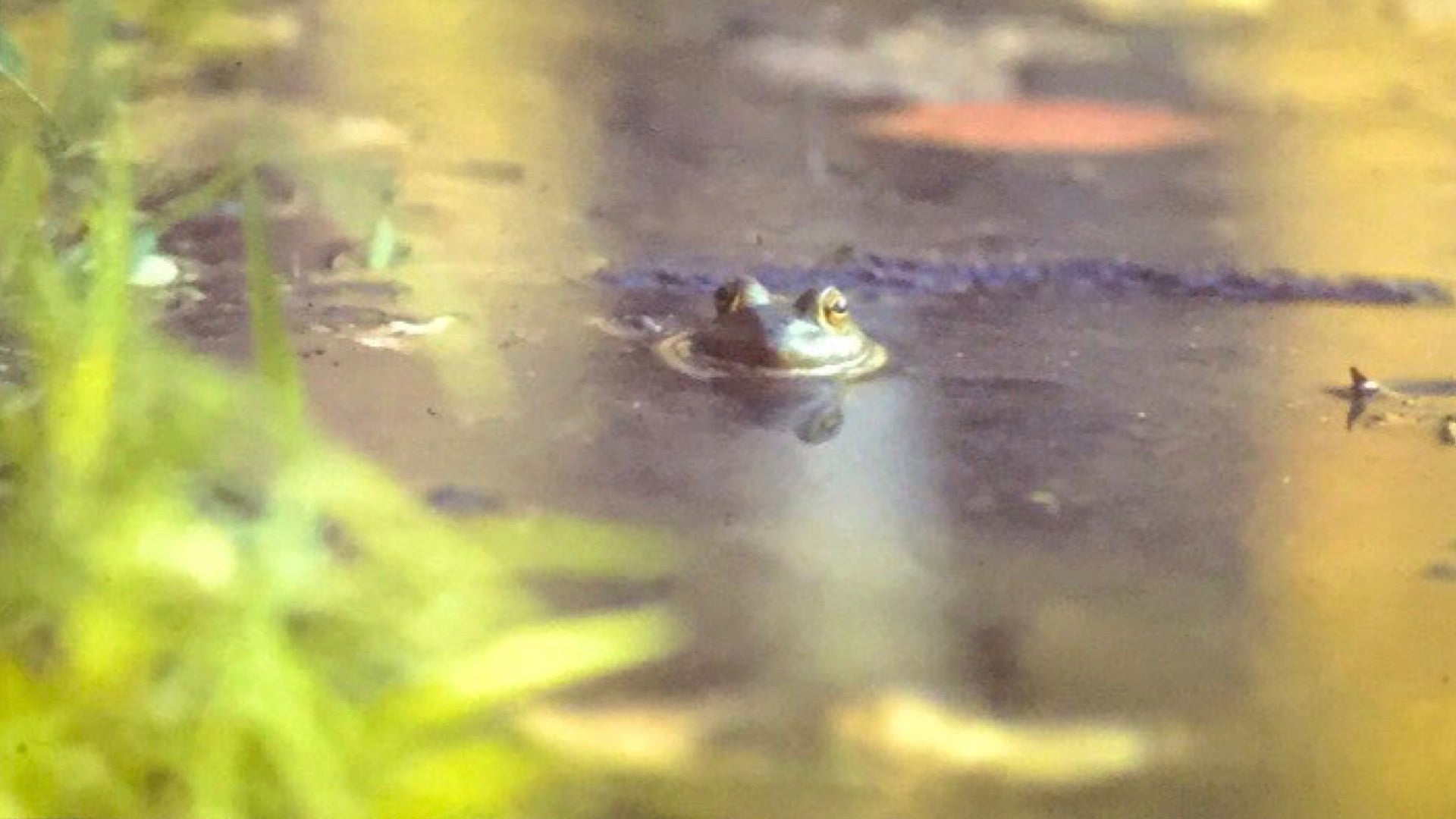
Regardless, even with worn out O-rings, the Nikonos IV-A is still a solid, rugged camera that could be used in any non-underwater situation. You should expect to pay approximately $100 for a Nikonos IV-A body in excellent condition on the used market.
Enjoy.
See more from DIYPhotography.net on Google
Add DIYPhotography.net as a trusted source. This makes
our stories more likely to appear in your Google Search results.
 Add as a preferred source on Google
Filed Under:
Tagged With:

David Prochnow
Our resident “how-to” project editor, David Prochnow, lives on the Gulf Coast of the United States in Ocean Springs, Mississippi. He brings his expertise at making our photography projects accessible to everyone, from a lengthy stint acting as the Contributing How-To Editor with Popular Science magazine. While you don’t have to actually build each of his projects, reading about these adventures will contribute to your continued overall appreciation of do-it-yourself photography. A collection of David’s best Popular Science projects can be found in the book, “The Big Book of Hacks,” Edited by Doug Cantor.


Join the Discussion
DIYP Comment Policy
Be nice, be on-topic, no personal information or flames.
One response to “How “Rugged” is a Rugged Camera? Let’s Find Out. WARNING: Graphic Camera Images!”
That DIY Photography piece on rugged cameras really hits home—“rugged” isn’t just a label, it’s a promise. Whether it’s a Tough TG‑6 that laughs off drops, submersions, and crushes, or a mirrorless like the Nikon AW1 built to go where others can’t, the real advantage is peace of mind so you focus on the shot, not the gear. For anyone shooting outdoors, knowing your camera can handle the elements makes the adventure that much freer.