















Five myths about astrophotography we are debunking today
Dec 8, 2024
Soumyadeep Mukherjee
Soumyadeep Mukherjee is an award-winning astrophotographer from India. He has a doctorate degree in Linguistics. His work extends to the sub-genres of nightscape, deep sky, solar, lunar and optical phenomenon photography. He is also a photography educator and has conducted numerous workshops. His works have appeared in over 40 books & magazines including Astronomy, BBC Sky at Night, Sky & Telescope among others, and in various websites including National Geographic, NASA, Forbes. He was the first Indian to win “Astronomy Photographer of the Year” award in a major category.
Share:
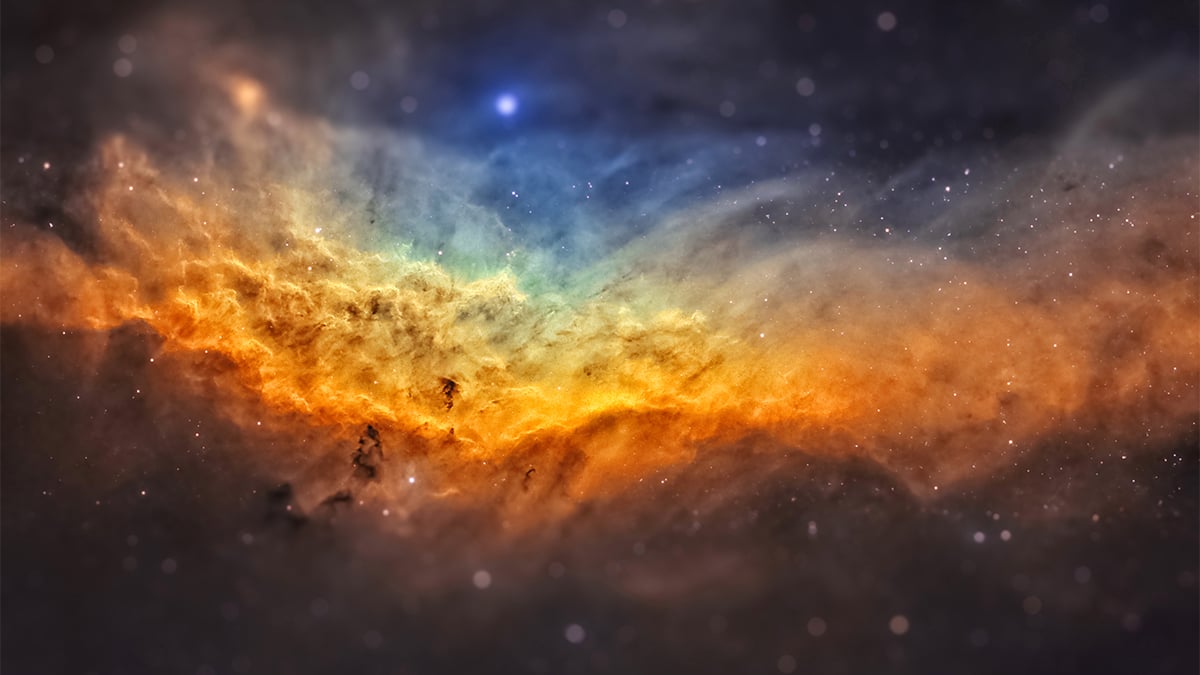
Astrophotography is the genre that allows us to travel in both space and time. While you capture a celestial object, not only are you capturing it from a distance of many light years, but the photons your camera sensors capture are also many years old, sometimes more than a million. Astrophotography has grabbed a lot of attention in the last few years, especially since the 2020 pandemic. Despite that, it is comparatively less popular than other genres of photography and still considered to be a specialized area of photography. And this “specialisation” concept associated with astrophotography has also led to many misconceptions and “myths”. In this article, we will look at five such myths and of course, debunk them.
Table of contents
Astrophotography is expensive
Rather than a myth, it would be better to call this topic a “half-truth”. Let’s get this straight – any kind of photography can be expensive, and astrophotography is no exception. But to do astrophotography or to get started with it, you do not need expensive cameras or lenses. All you need is your smartphone or a basic camera. I had started with a Nikon D5600 and the kit lenses: 18-55 mm and 70-300 mm. Although I have upgraded my equipment over the years, I still use the D5600 regularly for astrophotography. I know a bunch of people who do astrophotography with their smartphones and are producing fantastic images on a regular occasion. Remember, you can make or break an image, not your expensive camera or lenses. Start or keep photographing the night sky with whatever equipment you have.
Professional equipment is a must
Over the years, whenever I’ve asked people, “Why don’t you start doing astrophotography?” I have received two answers regularly. The most common one is, “I do not have a telescope”. Another one would be – “I do not have access to any observatory”. From what I’ve understood, most people believe you need to have or have access to professional-grade equipment to do astrophotography. Except for deep sky and planetary astrophotography, all is done with a DSLR/mirrorless camera and lenses. Even for deep sky photography, you can access hundreds of deep sky objects with a mid-telephoto lens. I have never owned a telescope myself and still faced no problem continuing with astrophotography. You do not need professional-grade equipment for astrophotography. A camera, lens and tripod are enough to capture the beauty of the night sky.

You can’t do Astrophotography from cities
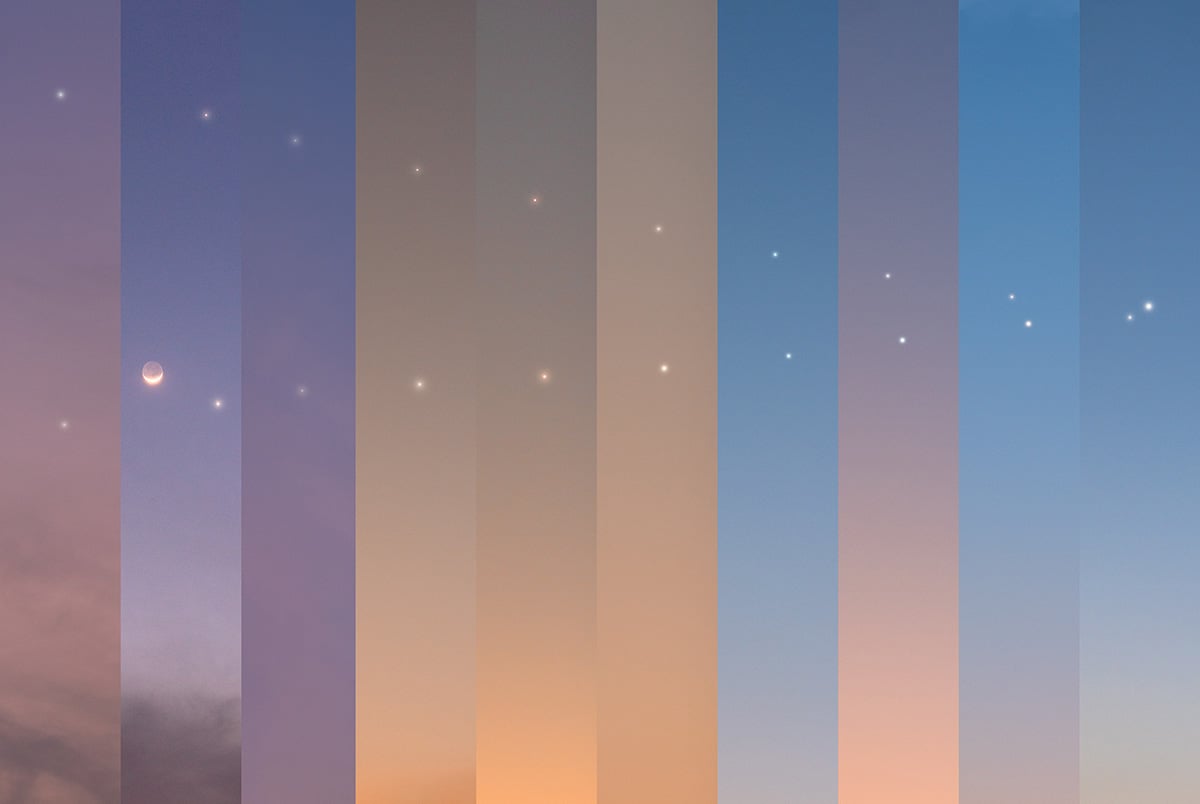
It can be done, surely. While you do have certain limitations when doing astrophotography from a light-polluted city, you are still given multiple options. The term “urban astrophotography” is used to denote images captured from a city specifically. While you can use your camera or smartphone, many astrophotographers also use narrowband filters for deep sky photography that help partially ignore the city light pollution. Not only can you photograph the sun, moon, and planets from a city, but many celestial events (eclipses, conjunctions, occultations) and optical phenomena are easily visible from city skies. All you need to do is remain informed about the night sky and go out to your backyard or terrace to do astrophotography.
Astrophotography images are fake and colored
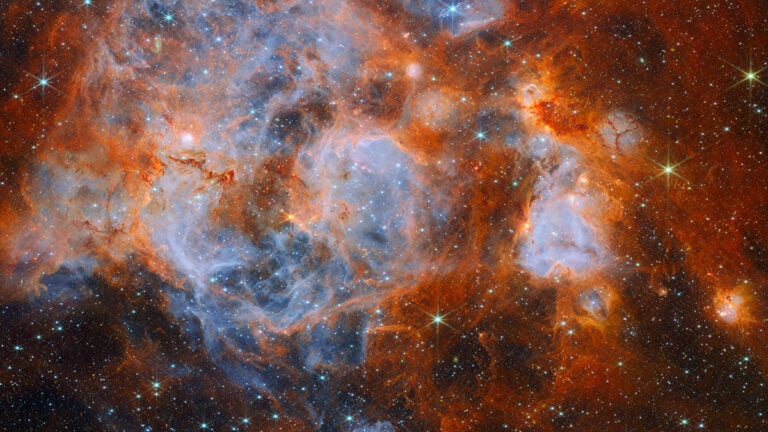
This is probably the most common thing people would say for deep-sky images. From what I’ve understood, this idea partially stems from our inability to see the deep sky objects in the night sky. Deep-sky objects are not a reality to someone unfamiliar with the night sky and celestial objects. They are extremely dim, and our eyes can’t see them. And that is exactly why long exposures are used for astrophotography. These deep sky objects (galaxies, nebulae, etc.) exist. Just because our eyes can’t see them does not refute their existence.
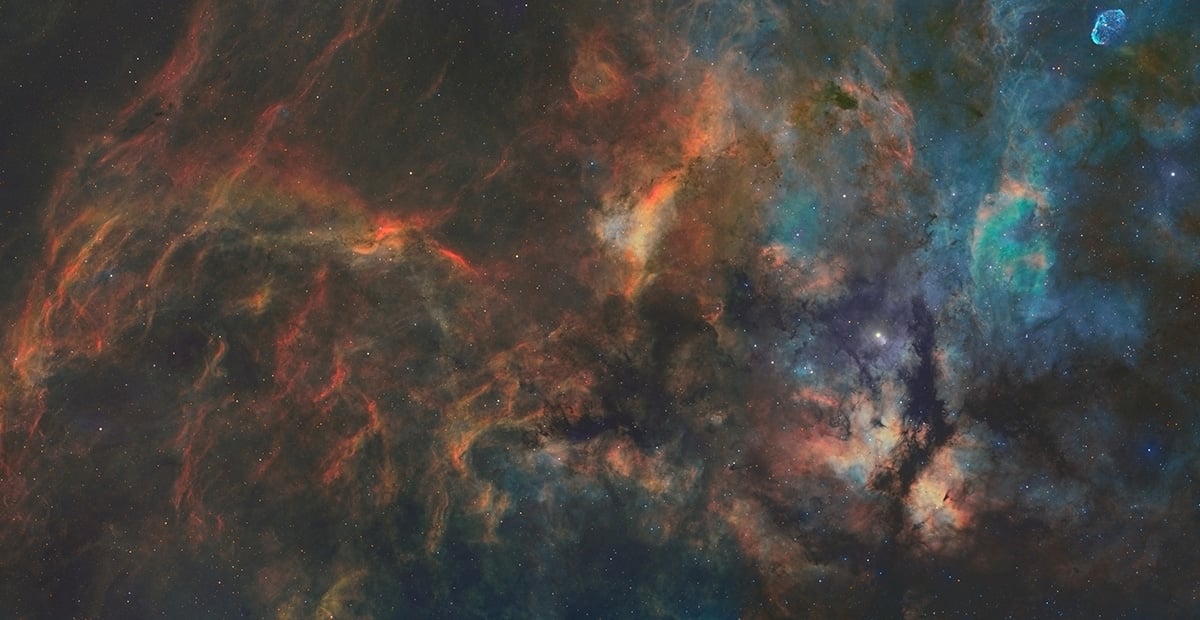
If you have encountered deep sky images, you might also think the colours were added to the image and those are fake. Well, deep sky objects are extremely colourful. Along with true-coloured images (specifically broadband imaging done with Luminance, Red, Green and Blue filters), astrophotographers also do narrowband imaging. They use three main filters: hydrogen, oxygen, and sulfur. These filters only allow the specific wavelength of these elements to pass and hit your camera sensor. In order to make them distinguished in the final image, these are assigned different channels during post-processing. One of the most common palettes, originally developed for processing Hubble telescope images, is known as the “SHO Palette” or the “Hubble Palette”. The assignment of channels remains the following: Sulphur = R, Hydrogen = G and Oxygen = B. Remember that these are not fake.
Deep sky objects are very small
This myth again stems from our inability to see the dim, deep sky objects. In reality, deep-sky objects are huge. Of course, some nebulae and galaxies are very small and require large telescopes to be photographed. But at the same time, hundreds of deep sky objects are larger than a full moon in our night sky. Even some galaxies appear larger than the full moon. For example, the Andromeda galaxy is six times larger than a full moon in the night sky. Because of their large size, these deep sky objects can be easily photographed with mid-telephoto lenses like 85mm or 135mm, which are also considered portrait lenses. 200-400mm lenses or telescopes are astrophotographers’ most common focal lengths.

Next time, when you hear a “fact” about astrophotography or the night sky from a friend or social media, do not believe it instantly. Do your research, or the best option, ask an astrophotographer.
Clear skies!
See more from DIYPhotography.net on Google
Add DIYPhotography.net as a trusted source. This makes
our stories more likely to appear in your Google Search results.
 Add as a preferred source on Google

Soumyadeep Mukherjee
Soumyadeep Mukherjee is an award-winning astrophotographer from India. He has a doctorate degree in Linguistics. His work extends to the sub-genres of nightscape, deep sky, solar, lunar and optical phenomenon photography. He is also a photography educator and has conducted numerous workshops. His works have appeared in over 40 books & magazines including Astronomy, BBC Sky at Night, Sky & Telescope among others, and in various websites including National Geographic, NASA, Forbes. He was the first Indian to win “Astronomy Photographer of the Year” award in a major category.



Join the Discussion
DIYP Comment Policy
Be nice, be on-topic, no personal information or flames.
2 responses to “Five myths about astrophotography we are debunking today”
Can I ask about the APOD image you shared? The date or some more info? I don’t see anything in particular to make it an APOD, I’m very curious what it was…
Hi Pablo.
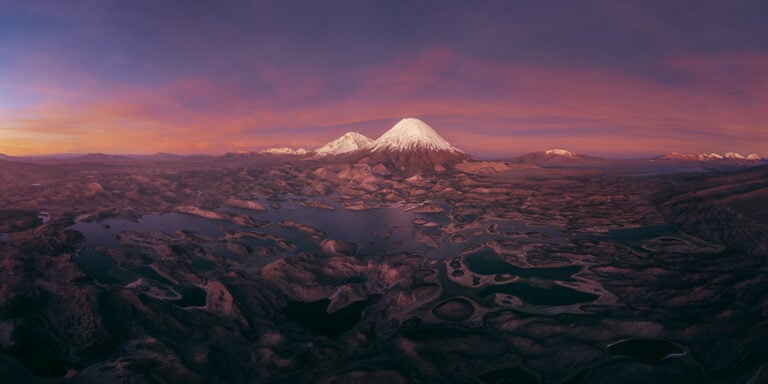
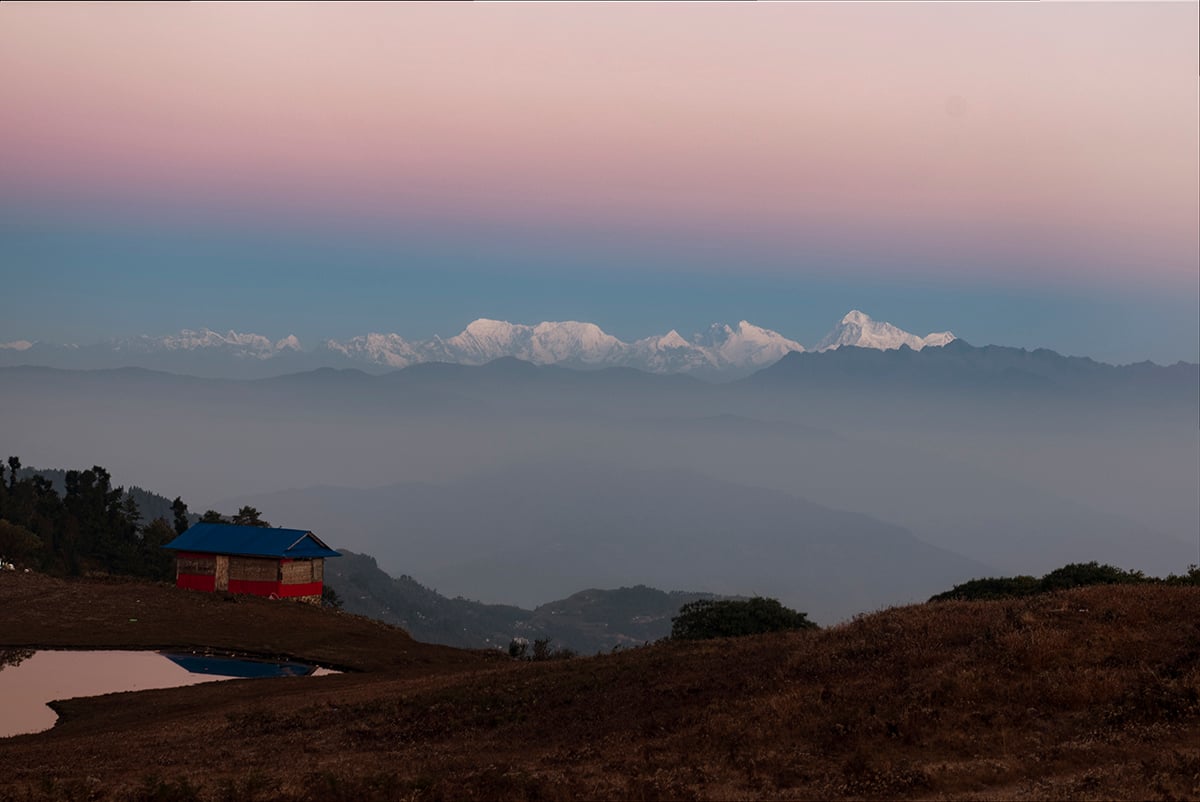
The first APOD image was captured in October 2022 from Nepal. It captures an optical phenomenon “Belt of Venus”. The distant mountains in the image are the himalayan range, and one of them is Mt. Everest. You can find more details on the APOD page:
https://apod.nasa.gov/apod/ap230626.html
And more about another APOD image shared in this article can be found here:
https://apod.nasa.gov/apod/ap230304.html