

















What Is Crop Factor and Why It Matters
Dec 23, 2025
Darlene Lleno
Darlene Lleno brings a unique perspective to DIY Photography as someone who grew up surrounded by camera gear but chose words over lenses. With five years of writing experience, she specializes in photography content that’s both technically informed and genuinely passionate. Growing up with a photographer twin brother meant camera talk was everyday conversation in her household. While he mastered capturing moments, Darlene discovered she preferred being the subject and the storyteller behind the scenes. As a travel enthusiast and mother of two, she understands the importance of preserving life’s precious moments. When not exploring new destinations or writing for DIY Photography, you’ll find her reading or tending to her garden. Her approach to photography writing is refreshingly authentic, she may not be behind the camera, but she knows exactly what it takes to help others capture the shots that matter most.
Share:

Crop factor in photography confuses more people than almost any other camera concept. This single number affects how your lenses work, what you see in your frame, and how you buy gear. Most photographers hear about it but don’t really get what it means for their shooting.
The confusion makes total sense. Crop factor involves math and sensor sizes. But once you understand it, you’ll make way smarter choices about lenses and cameras.
How Crop Factor in Photography Works
Crop factor in photography shows how much smaller your camera sensor is versus the old 35mm film. The math compares diagonal measurements between sensors. A full-frame sensor measures 43.3mm across the diagonal, matching classic film size.
Smaller sensors give you a narrower view through any lens. Your camera basically crops into the image circle the lens creates. This creates the multiplier number that changes your focal length view.
Breaking Down the Numbers
The crop factor formula divides the full frame diagonal by your sensor diagonal. An APS-C sensor measuring 28mm diagonally gives you a 1.5x crop factor. Take 43.3 divided by 28, and you get roughly 1.5.
This multiplier converts any lens to its full-frame view equivalent. A 50mm lens on a 1.5x crop sensor shows you what 75mm looks like. The lens doesn’t actually change, just your framing.
Different camera makers use slightly different APS-C sizes. Canon runs a 1.6x crop factor. Nikon and Sony use 1.5x. These small gaps matter when you’re comparing cameras between brands.
Common Sensor Sizes Explained
Full-frame cameras have a 1x crop factor since they match the 35mm reference. These sensors measure 36mm x 24mm. Pro cameras usually pack full-frame sensors for maximum flexibility.
APS-C sensors own the enthusiast market with 1.5x to 1.6x crop factors. These sensors measure about 23mm x 15mm. The smaller size cuts camera costs while keeping great image quality. Most starter DSLRs and mirrorless cameras use APS-C.
Micro Four Thirds cameras feature a 2x crop factor with 17.3mm x 13mm sensors. This format rocks for small size and telephoto reach. Wildlife shooters love how the 2x multiplier doubles their lens reach.
Medium format sensors flip the script with crop factors below 1x. These huge sensors measure 44mm x 33mm or bigger. They create unique depth effects and amazing resolution.
Real Effects on Your Shooting
Crop factor in photography changes way more than just spec sheet numbers. It affects everything you shoot, from picking lenses to framing subjects. Getting these practical impacts helps you work with your gear better.
The view change hits hardest with wide-angle lenses. A 24mm lens on a full frame captures huge landscapes easily. That same 24mm on 1.5x crop acts like 36mm, losing most wide-angle power.
Wide Angle Gets Tricky
Getting truly wide shots on crop sensors needs ultra-wide lenses. You need 16mm on APS-C to match a 24mm full-frame view. This pushes you toward specialty glass that costs more.
Landscape photographers on crop sensors face real walls. Shooting interiors gets harder in tight spaces. Architecture shots need careful spots to catch the whole building.
Some photographers just embrace crop sensors for landscapes with tighter shots. The narrower view forces better framing choices. You learn compression and selective elements instead of sweeping scenes.
Lens makers now offer crop-specific ultra-wide options. These lenses work perfectly for APS-C and Micro Four Thirds sensors. They give you true wide-angle views while staying small and cheap.
Telephoto Becomes Your Superpower
Crop sensors turn into superpowers for long lens work. Your 200mm suddenly reaches like 300mm on APS-C or 400mm on Micro Four Thirds. Wildlife photographers absolutely love this free reach boost.
Sports shooters win big from crop factor telephoto gains. A 70-200mm zoom on 1.5x crop gives you 105-300mm reach. You fill frames with action from way back. Stadium shooters work from cheaper seats with shorter lenses.
Bird photography becomes way more doable on crop sensors. A 400mm lens reaches like 600mm on APS-C or 800mm on Micro Four Thirds. You catch small, distant birds with cheaper gear. The multiplier saves thousands versus buying super-telephoto primes.
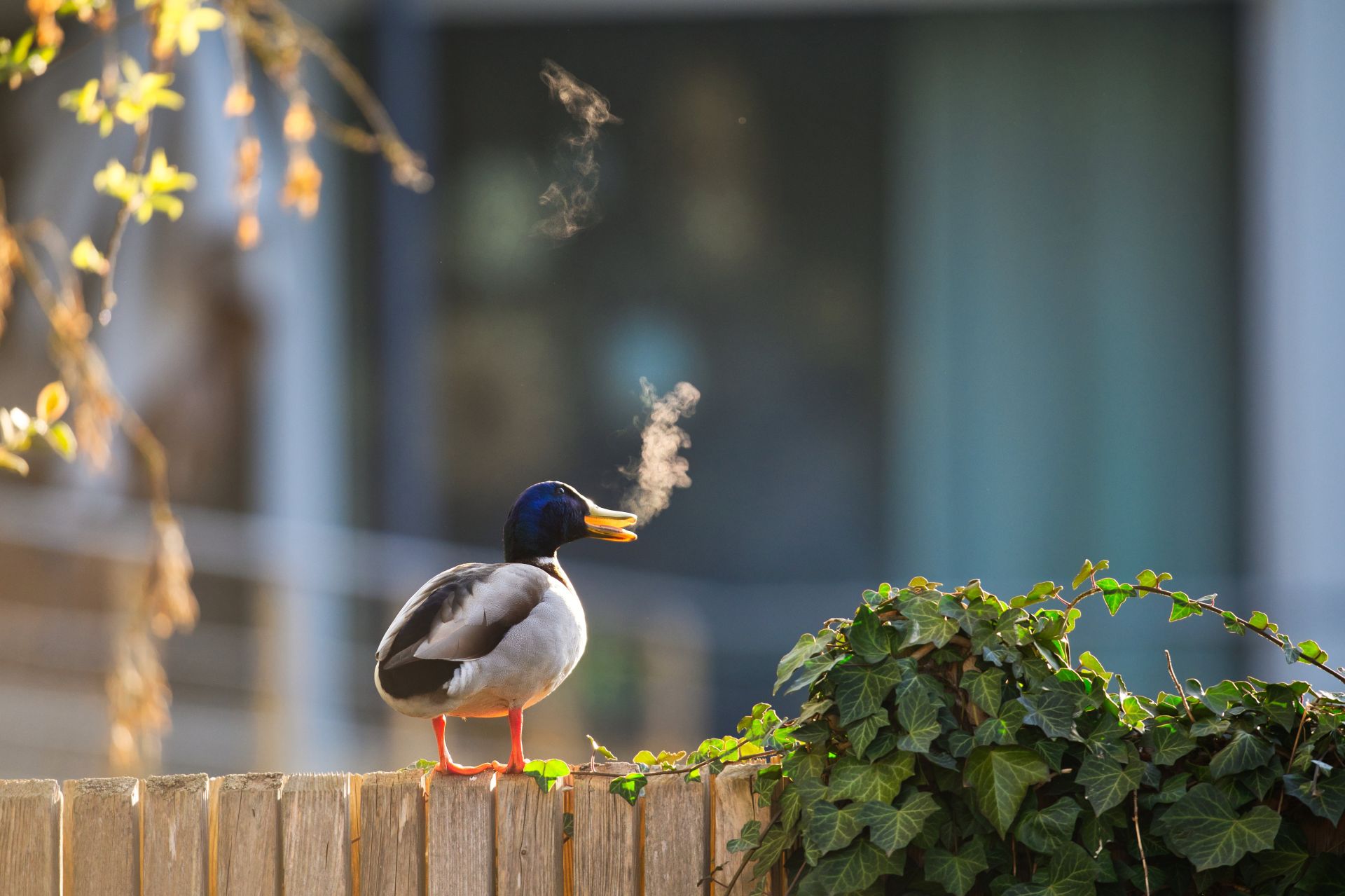
This telephoto edge explains why action photographers stick with crop sensors. The reach beats wide-angle flexibility for their work. A 1.6x or 2x multiplier basically adds a free teleconverter to every lens.
What Stays the Same
The biggest confusion about crop factor comes from not knowing what doesn’t change. The lens itself stays exactly the same physically. A 50mm lens keeps its 50mm focal length no matter what sensor you use. The glass, aperture, and light gathering never change.
Depth of field gets weird with crop sensors, but not how people think. The actual depth of field for focal length, aperture, and distance stays identical. What changes is how far you stand to match the framing.
Your Aperture Doesn’t Change
Your f/2.8 lens lets in the same light on any sensor. Aperture measures the ratio between focal length and opening size. This physical thing can’t change with sensor size. An f/2.8 aperture works identically for exposure across all cameras.
The confusion hits with depth of field matching. To frame like a full frame from a crop sensor, you back up farther. This extra distance increases the depth of the field even at the same aperture. The lens stayed put; you moved.
ISO performance gaps between sensors come from pixel tech, not crop factor. Bigger sensors often do better in low light because they have larger pixels. But the crop factor itself doesn’t create noise or kill quality.
Modern crop cameras deliver killer quality rivaling full frame in good light. As of 2025, the gap shrinks constantly as sensor tech improves. Plenty of pros shoot crop sensors for assignments without worrying about quality.
Focal Length Never Moves
A 35mm lens projects a 35mm perspective no matter what you stick it on. The focal length sets magnification and distortion through the lens design. Sensor size can’t touch these built-in lens traits.
Perspective comes from where you stand, not sensor size. Standing in one spot with a 50mm lens creates an identical perspective on full frame or crop. The crop sensor just captures less of the image circle.
This matters for getting lens behavior and shooting techniques. Wide-angle compression works the same way. Telephoto compression happens identically. The sensor just crops tighter or looser into that view.
Using full-frame lenses on crop sensors works perfectly. You use the center part where glass quality peaks. Many shooters prefer this, skipping corners where lens problems hide.
Picking Lenses Smart
Crop factor in photography needs a different lens strategy. You can’t just copy your full-frame favorites to crop and call it done. Different sensors need different lens approaches to get what you want.
Buying crop-specific lenses made for smaller sensors saves size and money. These lenses project smaller circles matched to crop dimensions. They weigh less, cost less, and often work better than full-frame glass.
Native Crop Lenses
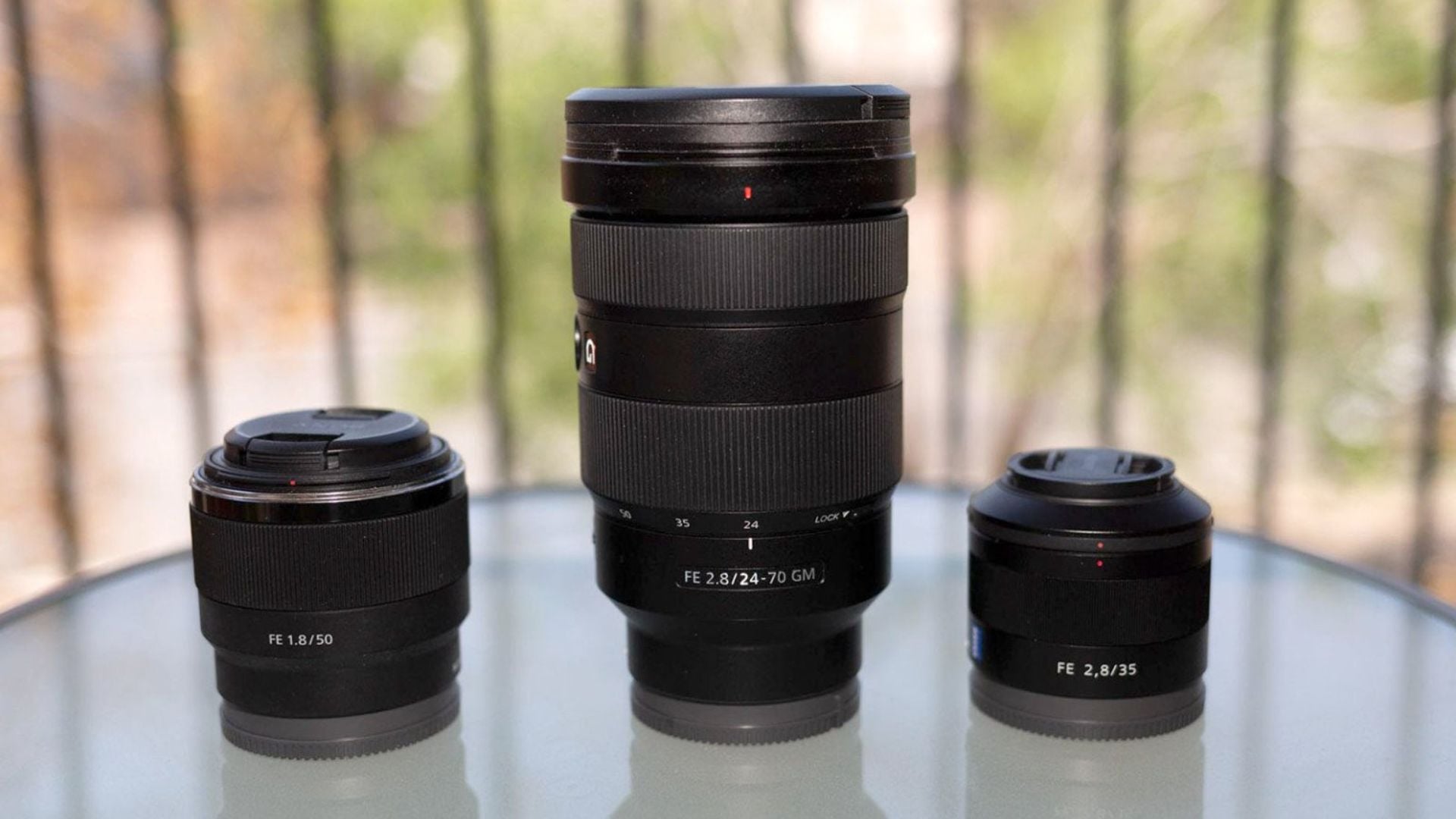
Camera makers design whole lens lines just for APS-C and Micro Four Thirds. Canon’s EF-S and RF-S, Nikon’s DX, and Sony’s E-mount APS-C glass all fit crop sensors perfectly. These lenses cover sensors without wasting image circle.
The catch hits when upgrading to full-frame bodies. Crop lenses won’t cover bigger sensors, creating black corners. You’ll replace lenses if you switch sizes later. This makes lens planning long-term thinking.
Budget shooters should totally grab crop-specific glass. The savings stack up fast across multiple lenses. You skip paying for extra coverage you never use. The weight cut matters for travel and long days.
Some photographers buy full-frame lenses for cropping with upgrades in mind. The glass stays useful when moving to bigger sensors. You pay more now, but skip replacing later.
Building Your Kit Right
Start your crop kit with a useful standard zoom covering everyday shooting. Here’s what works for most situations:
- An 18-55mm lens on APS-C covers 27-82mm equivalent for daily use
- A fast 35mm f/1.8 prime gives a natural 50mm equivalent on APS-C
- A 55-200mm telephoto reaches 82-300mm equivalent for distance work
- A 10-20mm ultra-wide delivers 15-30mm equivalent for landscapes
Add a fast prime for low light and shallow focus. A 35mm f/1.8 lens feels comfortable for tons of situations. The wide opening helps shoot indoors without flash.

For telephoto needs, zooms in the 55-200mm range work great. These reach 82-300mm equivalent on 1.5x crop. You get serious distance without huge size or cost. Perfect for starting wildlife or sports shooting.
Wide shooting needs shorter glass on crop sensors. A 10-20mm ultra-wide zoom captures 15-30mm equivalent. This range handles landscapes, buildings, and interiors properly. Ultra-wide becomes a must-have instead of a nice-to-have.
Quick Math for Converting
Crop factor in photography needs constant, quick math when comparing lenses. Multiply any lens by your crop factor to find the full-frame equivalent view. This shows how lenses actually perform on your camera.
A 50mm lens on 1.6x crop calculates to 80mm equivalent. Take 50 times 1.6 to get 80. Your framing matches what 80mm gives on a full frame. The math works the same for any lens and crop combo.
Common Conversions
Standard focal lengths translate pretty predictably across crop factors. A 24mm becomes 38mm on 1.6x, 36mm on 1.5x, or 48mm on 2x Micro Four Thirds. These help you plan buys and understand your gear.
Standard zooms like 18-55mm cover useful ranges on crop. On 1.5x APS-C, you get 27-82mm equivalent. This spans mild wide-angle through portrait length. Same lens on 2x reaches 36-110mm equivalent.
Telephoto zooms multiply like wild on crop sensors. A 70-200mm reaches 105-300mm on 1.5x or 140-400mm on 2x. You hit super-telephoto range without matching price or weight. This makes crop sensors super efficient for long glass.
Prime lens math needs careful planning. That classic 50mm becomes a short telephoto on crop. For natural view matching 50mm full frame, you need 35mm on APS-C or 25mm on Micro Four Thirds.
Switching to Full Frame
Moving from crop to full frame flips the math. Divide your crop lens by the crop factor to find what full-frame lens matches your habit. Your favorite 35mm on 1.5x crop equals roughly 23mm on full frame.
This helps plan upgrades smartly. You find your most-used equivalent lengths and buy full-frame glass accordingly. Many shooters find their tastes shift when changing sensors unexpectedly.
Getting equivalent lengths prevents buying mistakes. You won’t grab a 50mm for full frame, expecting your crop framing. The wider view surprises people making this jump without research.
Depth of Field Reality
Crop factor in photography hits depth of field sideways through distance changes. The actual depth for any lens settings stays constant. But matching framing on different sensors needs different distances, which then shifts depth.
A 50mm at f/2.8 focused at 10 feet creates the same depth on any sensor. Where the crop differs is that you shoot from farther to frame similarly. That extra distance deepens the sharp zone.
Matching Full Frame Look
Getting full-frame depth traits on crop means shooting wider apertures or closer. A portrait at 85mm f/1.8 on full frame roughly equals 56mm f/1.2 on 1.5x crop for matching frame and depth.
This creates real limits since f/1.2 lenses cost way more than f/1.8 options. Crop shooters accept slightly deeper depth or position subjects differently for maximum blur. Background distance becomes more key for bokeh.
Pro portrait shooters often prefer full frame for this reason. The shallower depth at matching framing separates subjects better. Those dreamy blurred backgrounds come easier with bigger sensors and longer lenses.
Macro photography flips this totally around. The deeper depth from crop sensors actually helps. You catch more of your tiny subject sharp at high mag. Bug photographers appreciate the extra depth that crop sensors naturally give.
Working With What You’ve Got
Most crop lenses max out around f/1.8 or f/2.8 for zooms. These apertures give nice isolation but don’t quite match full-frame f/1.4 depth. The gap matters most for pro portrait and wedding work.
Budget plays a huge role here. An APS-C camera with an f/1.8 prime costs way less than a full-frame camera with matching depth of field. Many shooters accept the trade to stay in reasonable gear budgets.

According to B&H Photo’s guides, equivalent apertures follow the crop multiplier for depth matching. A 50mm f/1.4 on full frame roughly equals 35mm f/1.0 on 1.5x crop for an identical look and depth.
Special ultra-fast primes exist for crop at f/0.95 and wider. These extreme apertures make up for crop depth differences. They cost plenty but deliver full-frame-like isolation on smaller sensors.
Smart Shooting Strategies
Crop factor in photography needs different approaches depending on your sensor. Smart shooters work with their sensor’s strengths instead of fighting them. Each format kills at certain tasks while struggling with others.
Full-frame cameras win when you need both wide angles and shallow depth. Architecture, landscape work, and pro portraits all benefit from larger sensors. The gear costs more but delivers specific wins worth the premium.
Using Crop Sensors Right
Crop cameras shine for telephoto-heavy shooting. Wildlife, sports, and bird photography all win from the reach multiplier. You can afford longer effective lengths without breaking the bank on super-tele glass.
Travel shooters appreciate crop size and weight wins. A complete crop kit weighs way less than equivalent full-frame gear. This matters when hiking miles or dealing with airlines. The compact size also draws less attention in crowds.
Event photography works great on crop for most stuff. The deeper depth helps keep groups sharp at normal apertures. Fast AF in modern crop cameras tracks action reliably. Only super low light favors the full frame’s high ISO edge.
Budget shooters should totally consider crop sensors for 2025. The lower entry cost extends to lenses and everything else. You build a complete, capable kit for half the full-frame price. Quality gaps between formats continue narrowing with each camera generation.
When Full Frame Makes Sense
Pro studio work benefits from full-frame flexibility. Commercial shooters need both extreme wide angles and ultra-shallow depth. Full frame delivers both without compromise. Client expectations also favor the bigger format’s reputation.
Low-light specialists should invest in full full-frame when possible. Wedding photographers shooting dim receptions need every ISO advantage. Concert and theater photography pushes high ISO limits regularly. The larger pixels on a full frame collect light better.
Landscape photographers find full-frame resolution valuable. The extra megapixels and no crop preserve max detail. Ultra-wide lenses work as designed without multiplication. According to Photography Life, these factors matter most at gallery print sizes above 20×30 inches.
Portrait specialists often prefer a full frame for classic rendering. An 85mm lens behaves like the legendary portrait length it was made to be. You get a traditional perspective and depth without calculating equivalencies.
All Your Need to Know About Crop Factor
Crop factor in photography matters way less than gear companies want you to think. Both crop and full frame make excellent images in good hands. Your choice should match your actual shooting needs and real budget.
Don’t let crop factor worry push you into pricey upgrades you don’t need. Tons of pro photographers shoot crop exclusively for certain work. The format fits their shooting perfectly while saving money for better glass and lights.
Focus on understanding how your specific sensor affects your photography. Learn the equivalent lengths. Pick your lenses accordingly. Work with your camera’s strengths instead of stressing over limits that rarely matter in practice.
See more from DIYPhotography.net on Google
Add DIYPhotography.net as a trusted source. This makes
our stories more likely to appear in your Google Search results.
 Add as a preferred source on Google

Darlene Lleno
Darlene Lleno brings a unique perspective to DIY Photography as someone who grew up surrounded by camera gear but chose words over lenses. With five years of writing experience, she specializes in photography content that’s both technically informed and genuinely passionate. Growing up with a photographer twin brother meant camera talk was everyday conversation in her household. While he mastered capturing moments, Darlene discovered she preferred being the subject and the storyteller behind the scenes. As a travel enthusiast and mother of two, she understands the importance of preserving life’s precious moments. When not exploring new destinations or writing for DIY Photography, you’ll find her reading or tending to her garden. Her approach to photography writing is refreshingly authentic, she may not be behind the camera, but she knows exactly what it takes to help others capture the shots that matter most.
Join the Discussion
DIYP Comment Policy
Be nice, be on-topic, no personal information or flames.
One response to “What Is Crop Factor and Why It Matters”
what in body crop factor? My Canon R5 shows under framing a crop factor of 1:6. I know if I use it the megapixels goes down to 18megapixels. Should I be using this? Why do they have it as a choice?
Thanks!