





















Canon Meets Leica and Likes It
Jul 5, 2025
David Prochnow
Our resident “how-to” project editor, David Prochnow, lives on the Gulf Coast of the United States in Ocean Springs, Mississippi. He brings his expertise at making our photography projects accessible to everyone, from a lengthy stint acting as the Contributing How-To Editor with Popular Science magazine. While you don’t have to actually build each of his projects, reading about these adventures will contribute to your continued overall appreciation of do-it-yourself photography. A collection of David’s best Popular Science projects can be found in the book, “The Big Book of Hacks,” Edited by Doug Cantor.
Share:

Before the Canon EOS RP Mirrorless Camera was garnering full frame glory, Canon was grabbing news headlines with its initial venture into the budding 35mm rangefinder camera field. The year was 1947 and Seiki-Kogaku was undergoing a corporate name change. Since its inception in 1933, Seiki-Kogaku had manufactured 35mm cameras. In fact, these early cameras were called, “Kwanon.” Therefore, by changing the corporate name to a variation of this historical camera name, “Canon” was adopted and Canon Camera Company, Incorporated of Japan was formed.
Although only about 1,000 Kwanon/Hansa 35mm cameras were sold, the corporate name change ignited sales and over 600,000 35mm rangefinder camera variants were sold by Canon Camera Co., Inc. An interesting feature about these Canon 35mm rangefinder cameras was the presence of a Leica thread/screw mount (L39/M39) for the lens. This wasn’t some crazy copycat scheme hatched by Canon, rather, the usage of the Leica thread mount system, also known as the “universal” thread, was widely used in a large variety of early 35mm cameras. So, Leica thread mount Canon 35mm rangefinder cameras were widely accepted and sold in significant numbers.
That is, except for a handful of camera models. The Canon S, IV, IID1, IIS, and IIF2 models were manufactured in limited runs of approximately 2,600 units, each. For example, the model Canon IID1 was reportedly released with around 2,400 units. This limited production run constitutes the Canon IID1 has being cited as a “rare” camera model.
Surprisingly, these Canon 35mm rangefinder cameras were extremely well built. In fact, an operating vintage Canon Leica thread mount camera will rival the performance of the best Leica IIIf and Leica IIIg cameras. So it should come as no surprise that photographers continue to use Canon 35mm rangefinder cameras, today. That is, if they can find a suitable lens.
Canon Likes a Leica Lens
Canon lenses from 1947 were called “Serenar.” This lens name was later to change to the more familiar and modern name, “Canon.” Finding a suitable Serenar lens for a vintage Canon camera can be challenging. Most lenses are only sold with an attached camera. In the unlikely event that a standalone Serenar lens can be found, it is usually in very rough condition. This poor lens condition is not suitable for use with such a robust and useable camera. Therefore, alternative lenses should be sought.

Naturally, the presence of the Leica thread mount on these Canon 35mm rangefinder cameras opens up the whole world of vintage Leica lenses. Thankfully, this is a viable solution for the beginning Canon user. In this situation, a Leica lens, like the Elmar 90mm (9cm) f/4 lens, is an ideal option. It couples with the Canon rangefinder focusing system and can be properly viewed/focused with the 1x viewfinder magnification lever on the camera. A 34mm filter thread enables the use of a wide spectrum of filter options, but you’ll have to forgive the lens’ quirky 9, 12.5, and 25 aperture settings.
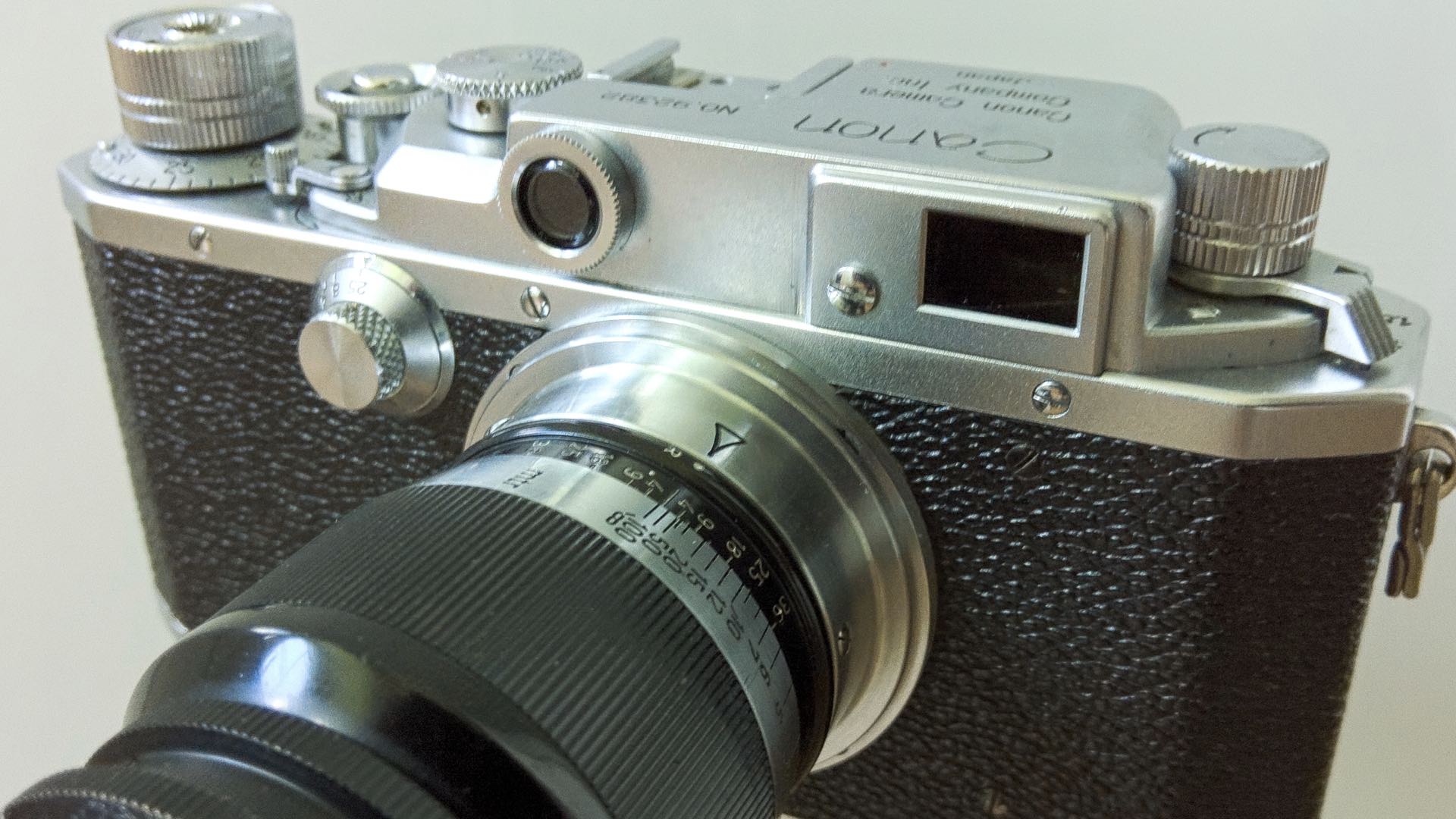
Ideally, you’ll want to concentrate on a handful of Leica lenses. In addition to the above mentioned 90mm f/4, these focal lengths are best suited for matching the viewfinder/rangefinder linkages of the Canon camera: 35mm f/3.5, 50mm f/1.8, and 135mm f/4.

If you’d like to learn more about the entire Canon 35mm rangefinder camera history, this 1985 book will be invaluable in your research: “Canon Rangefinder Cameras: 1933-1968” by Dr. Peter Dechert.
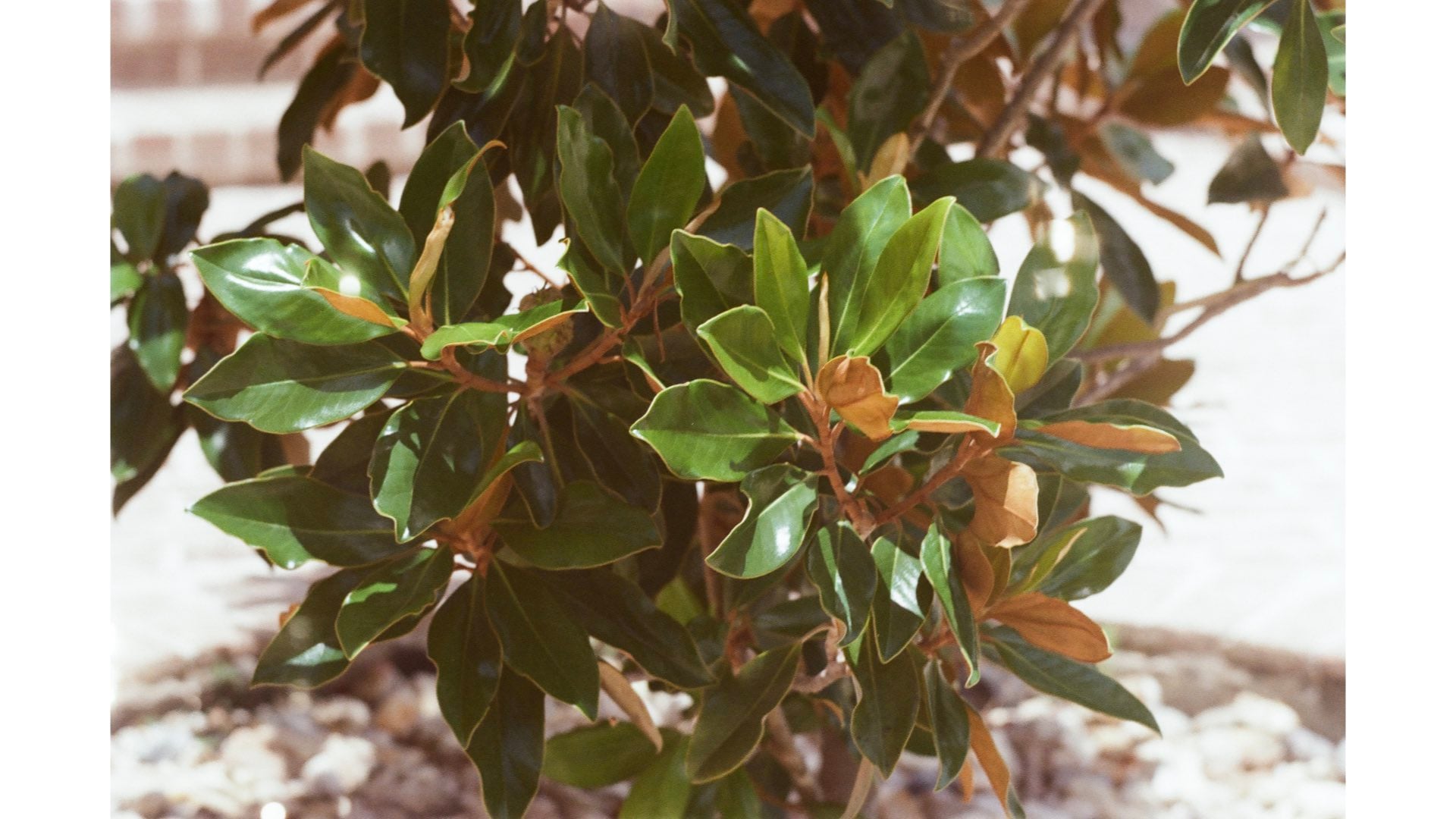
[Please note: Voigtlander manufactures a new M39 thread mount lens that might work with vintage Canon 35mm rangefinder cameras. The Voigtlander 40mm f/2.8 Heliar costs $550 and is available in both silver and black finishes.]
Enjoy.
See more from DIYPhotography.net on Google
Add DIYPhotography.net as a trusted source. This makes
our stories more likely to appear in your Google Search results.
 Add as a preferred source on Google

David Prochnow
Our resident “how-to” project editor, David Prochnow, lives on the Gulf Coast of the United States in Ocean Springs, Mississippi. He brings his expertise at making our photography projects accessible to everyone, from a lengthy stint acting as the Contributing How-To Editor with Popular Science magazine. While you don’t have to actually build each of his projects, reading about these adventures will contribute to your continued overall appreciation of do-it-yourself photography. A collection of David’s best Popular Science projects can be found in the book, “The Big Book of Hacks,” Edited by Doug Cantor.



Join the Discussion
DIYP Comment Policy
Be nice, be on-topic, no personal information or flames.