

















Avoid these four mistakes when starting with flash photography
Oct 15, 2024
Dunja Đuđić Kalinin
Dunja Djudjic is a multi-talented artist based in Novi Sad, Serbia. With 15 years of experience as a photographer, she specializes in capturing the beauty of nature, travel, concerts, and fine art. In addition to her photography, Dunja also expresses her creativity through writing, embroidery, and jewelry making.
Share:
Many beginner photographers start with natural light only. But using a flash opens up a whole new world of possibilities – along with a whole new set of challenges. If you’re just starting out, it’s easy to make mistakes that can ruin your photos, and you just can’t figure out why (ask me how I know). In his recent video, Ed Verosky shares the four most common mistakes photographers make in flash photography and gives you tips on how to avoid them.
Choosing the wrong flash
One of the biggest mistakes beginners make is choosing the wrong flash for their needs. When selecting a flash, it’s important to consider factors such as compatibility with your camera, power output, and features.
- Compatibility: Ensure that your flash is compatible with your camera’s brand and model. You can buy a third-party flash, but make sure that the compatibility is still there.
- Power: The power of your flash should be compatible with the type of photography you want to do. Avoid cheap, low-power flash units if you’re serious about capturing high-quality images. Look for flash units with a high guide number, or consider using multiple flashes for more powerful lighting. maybe not straight away, but you’ll get there.
- Features: A good flash should have an adjustable flash head that allows you to bounce the light off of walls and ceilings for more natural lighting effects. Additionally, while it’s not essential to spend a fortune on a flash, avoid the cheapest options as they may lack important features or simply be less reliable.
Relying solely on direct flash
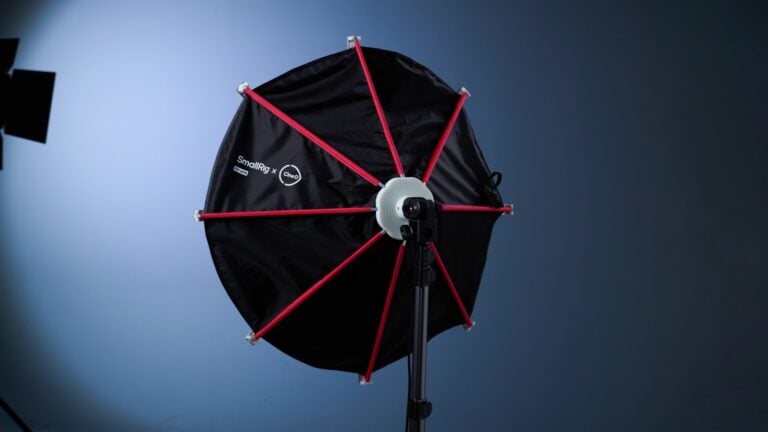
Using direct flash, where the flash is pointed directly at your subject, can create harsh shadows and an unflattering look. To achieve more natural lighting, it’s important to learn how to bounce your flash off of walls and ceilings, for starters. You can also use light modifiers like diffusers. Both these techniques will soften the light and create a more even illumination and more flattering light.
Over-reliance on TTL
TTL (Through-The-Lens) metering is really convenient for beginners. It automatically adjusts the flash power based on the scene, and it often gives you perfect results. But you’ll notice I said “often,” not “always.” Relying solely on TTL can lead to inconsistent exposures, especially in challenging lighting conditions. So, use it for a start, but also learn how to use manual flash control to achieve more precise and predictable results.
Misunderstanding high-speed sync
High-speed sync allows you to use shutter speeds faster than your camera’s sync speed. This is particularly useful for outdoor photography or when shooting fast-moving subjects. However, high-speed sync can reduce flash power, so you may need to adjust your settings accordingly. If you’re an absolute beginner and I make no sense right now, you can learn more about high-speed sync here. :)
The bottom line is that you will make mistakes and learn from them, but it’s always good to have some guidance to get you started and maybe avoid making all of the mistakes. Make sure to enjoy the process, take your time, and practice regularly, and you’ll improve your flash photography in no time.
[DON’T Make These FLASH Photography Mistakes (Beginners) via FStoppers]
See more from DIYPhotography.net on Google
Add DIYPhotography.net as a trusted source. This makes
our stories more likely to appear in your Google Search results.
 Add as a preferred source on Google

Dunja Đuđić Kalinin
Dunja Djudjic is a multi-talented artist based in Novi Sad, Serbia. With 15 years of experience as a photographer, she specializes in capturing the beauty of nature, travel, concerts, and fine art. In addition to her photography, Dunja also expresses her creativity through writing, embroidery, and jewelry making.


Join the Discussion
DIYP Comment Policy
Be nice, be on-topic, no personal information or flames.