




















Hubble Captures NGC 4394: A Barred Spiral Galaxy That Looks Like Home
Nov 24, 2026
Soumyadeep Mukherjee
Soumyadeep Mukherjee is an award-winning astrophotographer from India. He has a doctorate degree in Linguistics. His work extends to the sub-genres of nightscape, deep sky, solar, lunar and optical phenomenon photography. He is also a photography educator and has conducted numerous workshops. His works have appeared in over 40 books & magazines including Astronomy, BBC Sky at Night, Sky & Telescope among others, and in various websites including National Geographic, NASA, Forbes. He was the first Indian to win “Astronomy Photographer of the Year” award in a major category.
Share:
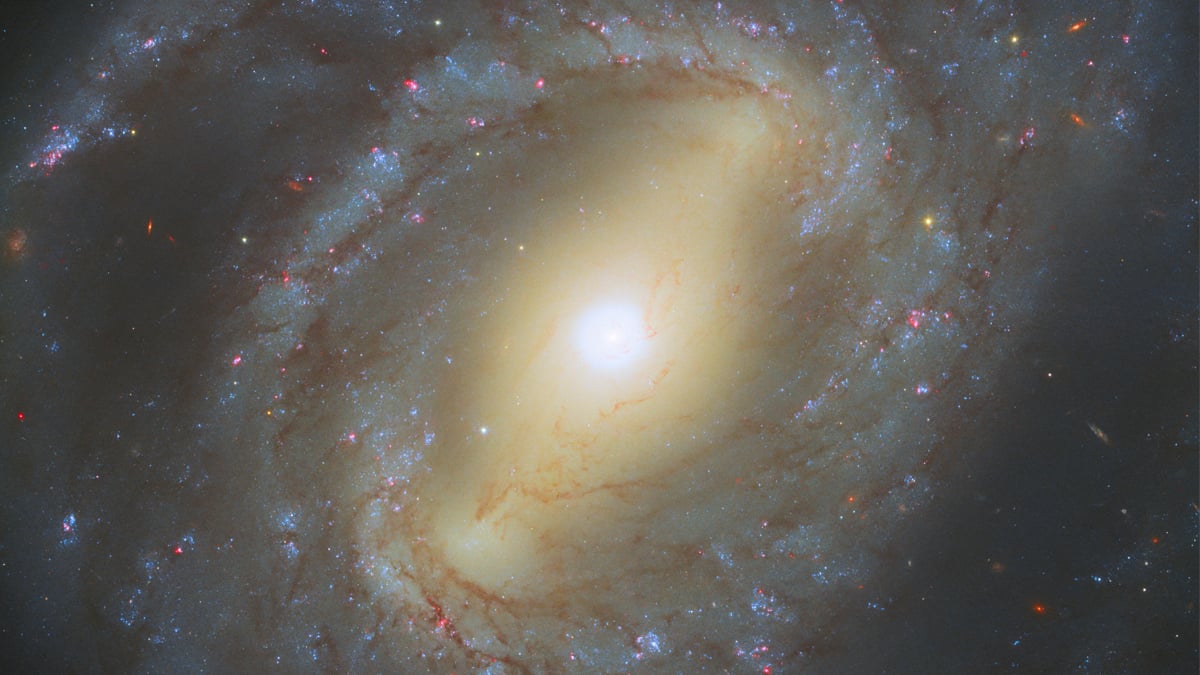
The Hubble Space Telescope has captured a detailed view of NGC 4394, a barred spiral galaxy about 55 million light-years from Earth. Its central bar, bright nucleus, and two sweeping spiral arms show a galaxy that looks remarkably similar to the Milky Way. NGC 4394 lies in the constellation Coma Berenices, or Berenice’s Hair. It belongs to the Virgo Cluster, which contains more than 1,000 galaxies.
A Galaxy That Looks Surprisingly Familiar
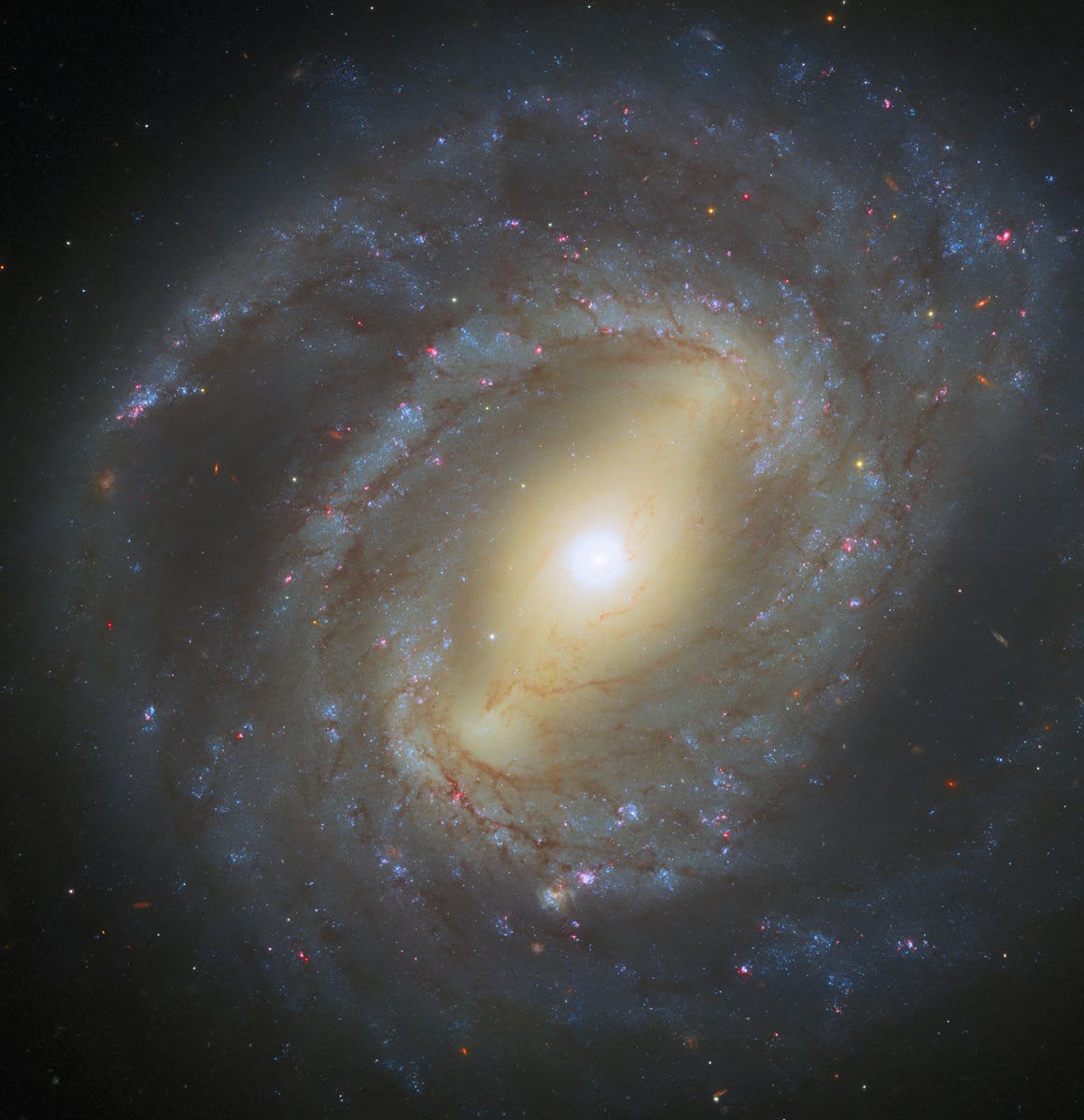
The first thing to notice in Hubble’s image is the elongated band of stars crossing NGC 4394’s center. This is its galactic bar. A bright nucleus sits within the bar, while spiral arms extend from the central region and curve around the surrounding disk. Dark dust lanes follow parts of the spiral structure, cutting through the brighter regions.
Astronomers classify NGC 4394 as a barred spiral galaxy. The Milky Way belongs to the same category. Our galaxy also has a central bar surrounded by a disk of stars, gas, and dust. Its spiral arms contain vast numbers of stars, including our Sun, which sits about 26,000 light-years from the galactic center.
A long bar across the galaxy
Galactic bars are common features of spiral galaxies. Astronomers estimate that around 65 percent of nearby spiral galaxies have one. Yet these structures do not simply represent a dense collection of stars at the center. They develop through the gravitational interactions that shape a galaxy’s stellar disk.
A spiral galaxy contains billions of stars moving under the combined gravitational influence of its stars, gas and dark matter. Many stars follow roughly circular orbits around the galactic centre. However, these orbits can change when the disk becomes gravitationally unstable.
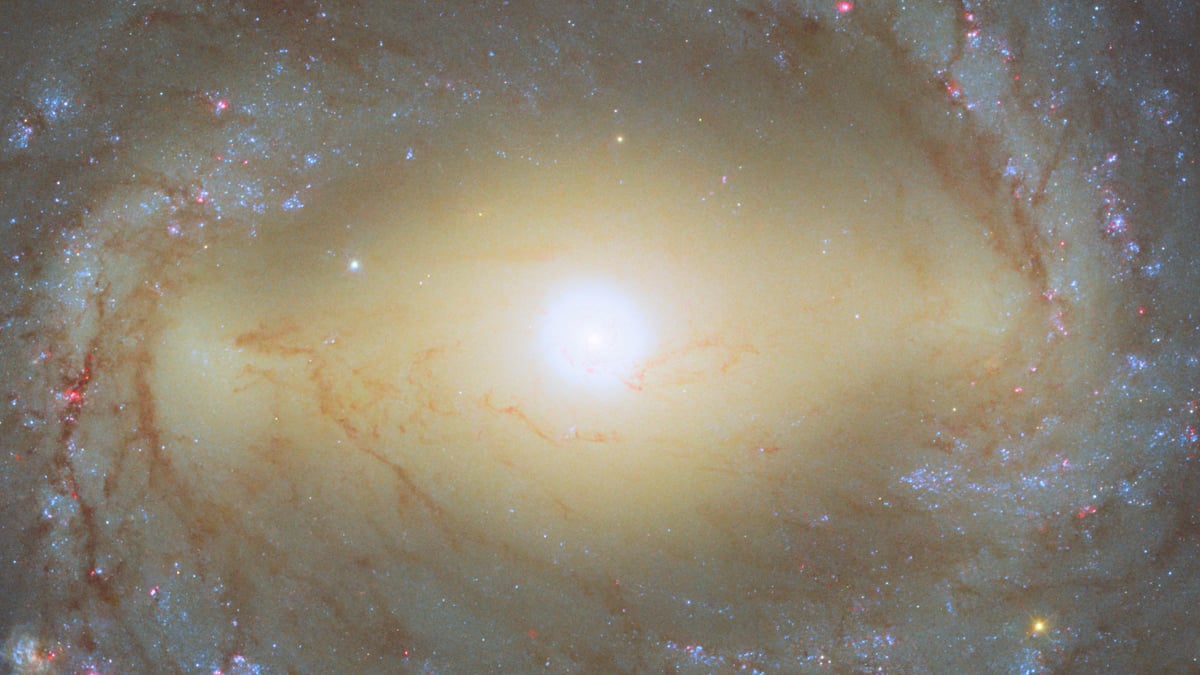
Astronomers believe several processes can trigger this instability. A passing galaxy may disturb the disk through its gravitational pull. Interactions among stars can also influence their orbits. Once the disk becomes unstable, some stars begin following elongated paths instead of circular ones. As more stars settle into similar orbital patterns, a bar gradually takes shape.
Hubble’s previous visit adds to the new image
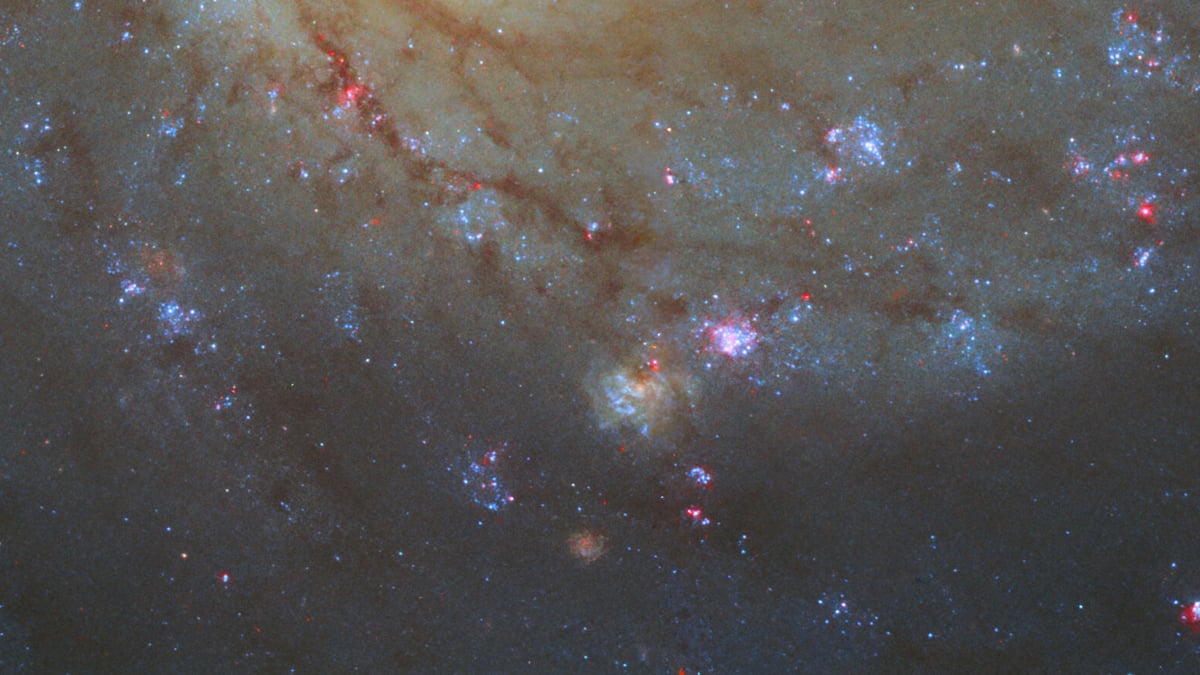
Hubble has observed the region around NGC 4394 before. NASA released an earlier image of the galaxy about a decade ago. NGC 4394, however, was not the main target of that programme. The observing team wanted to study Messier 85, a neighboring galaxy known for its unusual collection of star clusters. Hubble used two instruments during the observations. While one examined Messier 85, the Advanced Camera for Surveys captured a parallel region of the sky containing NGC 4394.
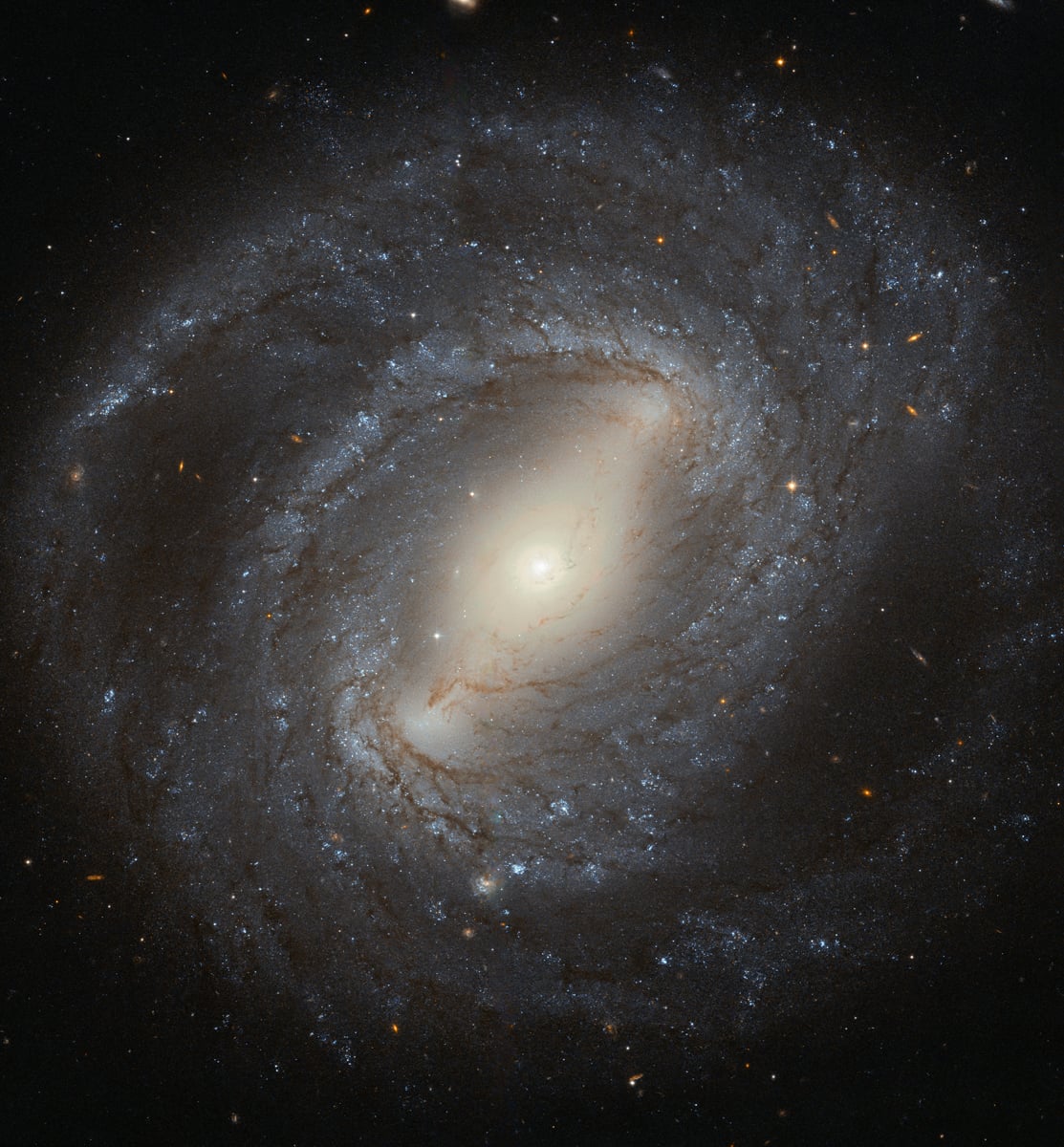
The new release adds observations from programme 18103, led by David Thilker. This project examines how galaxies stop forming stars, particularly those living in dense galaxy clusters.
For this programme, the team used Hubble’s Wide Field Camera 3. The instrument observes ultraviolet and optical wavelengths, allowing astronomers to study different stellar populations. Its detailed observations help researchers identify individual star clusters and estimate their ages.
Clear skies!
See more from DIYPhotography.net on Google
Add DIYPhotography.net as a trusted source. This makes
our stories more likely to appear in your Google Search results.
 Add as a preferred source on Google

Soumyadeep Mukherjee
Soumyadeep Mukherjee is an award-winning astrophotographer from India. He has a doctorate degree in Linguistics. His work extends to the sub-genres of nightscape, deep sky, solar, lunar and optical phenomenon photography. He is also a photography educator and has conducted numerous workshops. His works have appeared in over 40 books & magazines including Astronomy, BBC Sky at Night, Sky & Telescope among others, and in various websites including National Geographic, NASA, Forbes. He was the first Indian to win “Astronomy Photographer of the Year” award in a major category.

Join the Discussion
DIYP Comment Policy
Be nice, be on-topic, no personal information or flames.