




















When Technical Knowledge Gets in the Way of a Good Photograph
Sep 11, 2026
Alysa Gavilan
Alysa Gavilan has spent years exploring photography through photojournalism and street scenes. She enjoys working with both film and mirrorless cameras, and her fascination with the craft has grown over the decades. Inspired by Vivian Maier, she is drawn to capturing everyday moments that often go unnoticed.
Share:
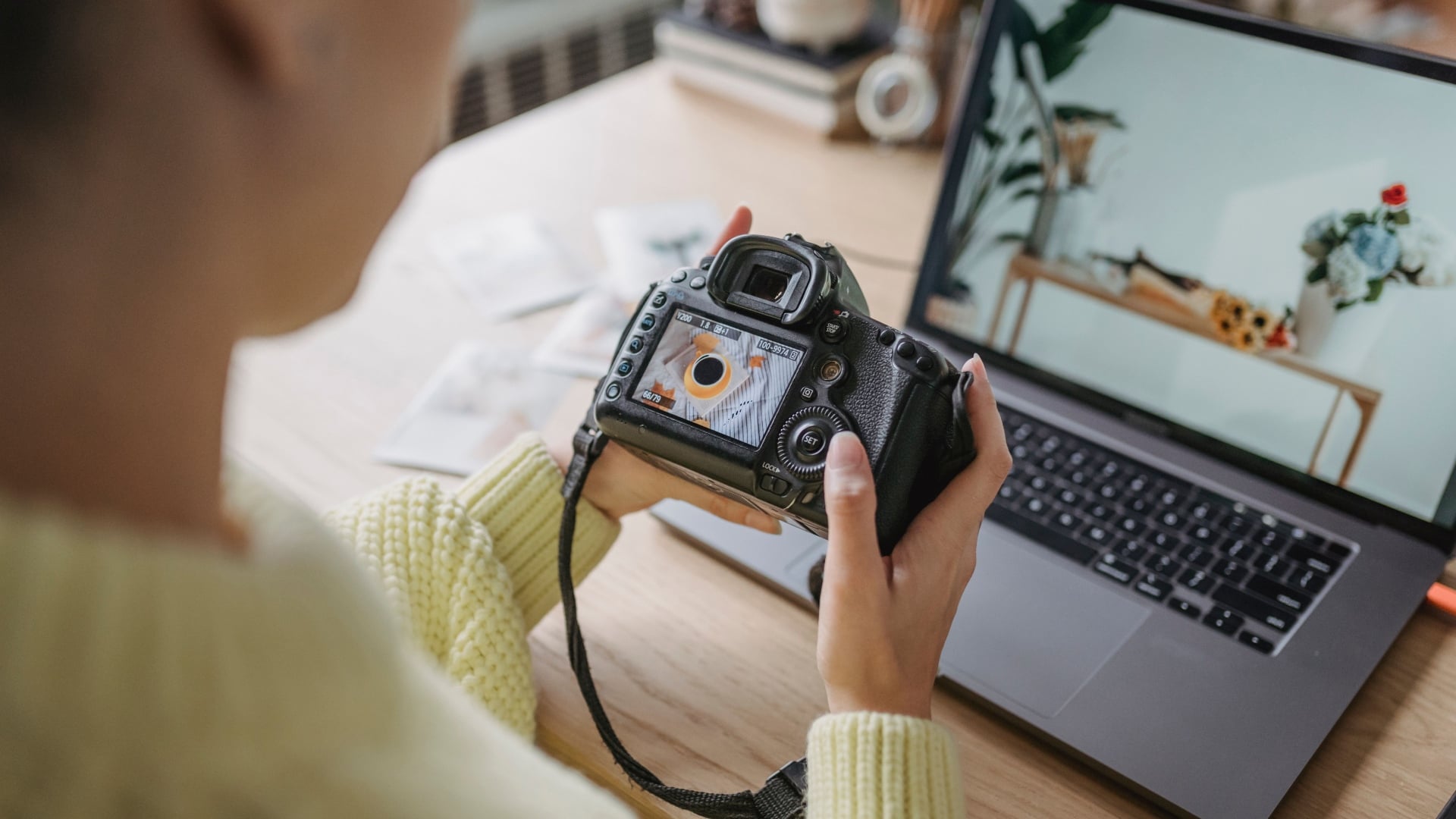
Photography has a funny way of turning knowledge into another thing to worry about. You learn how exposure works, master manual mode, buy sharper lenses, and start spotting technical flaws you once never noticed. But photographer Martin Castein argues that there comes a point when knowing the rules can get in the way of making the photograph.
In a recent YouTube video, Castein calls this stage “post technical.” It does not mean abandoning technical knowledge. Instead, it means knowing your camera well enough that the settings stop demanding your attention, leaving more room to think about what is actually happening in front of you.
Manual mode is not a badge of honor
Castein uses camera modes as an easy example. He believes photographers should learn manual mode and understand how shutter speed, aperture, and ISO affect an image. The problem starts when photographers treat full manual as the only serious way to shoot.
His own approach changes depending on the situation. In a studio, where lighting remains controlled, he generally uses manual mode to keep exposure consistent. Outdoors, where light can change rapidly, aperture priority may make more sense if it allows him to concentrate on the scene instead of constantly adjusting settings.
For Castein, the important question is not which mode sounds more professional. It is which mode helps him make the photograph he wants.
He recalls a photographer who spent around 18 months deliberately shooting in manual mode, only to realize later that the exercise had distracted him from composition, lighting, and important moments.
That is the danger of turning a learning exercise into a permanent rule. The camera can become the focus instead of the reason for carrying one.
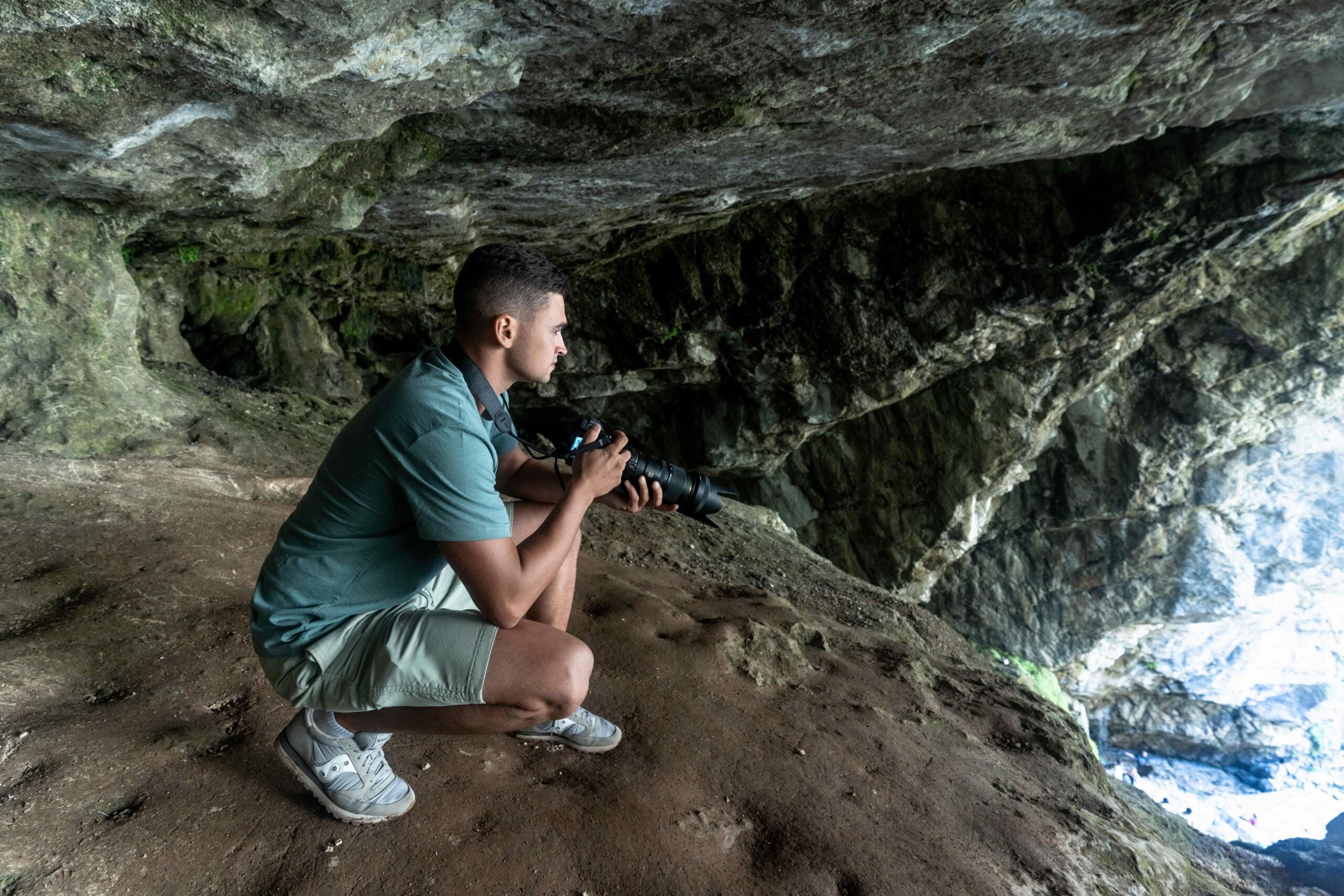
Sharpness and gear can become another distraction
The same problem can appear after photographers become comfortable with exposure. Instead of worrying about camera settings, they start worrying about sharpness, lens quality, and technical perfection.
Castein is careful not to dismiss the importance of equipment. A faster lens can genuinely help in a dark location, for example. But owning an F1.4 lens does not automatically make a photograph more creative. It simply gives the photographer another option.
The photographer still has to decide how much of the background should remain visible, where to stand and how to use the available light.
The same applies to white balance. Accurate color might be the right choice for one photograph, while a warmer or cooler treatment could better communicate the feeling of another. Technical knowledge gives photographers the ability to make those decisions, but it should not make the decisions for them.
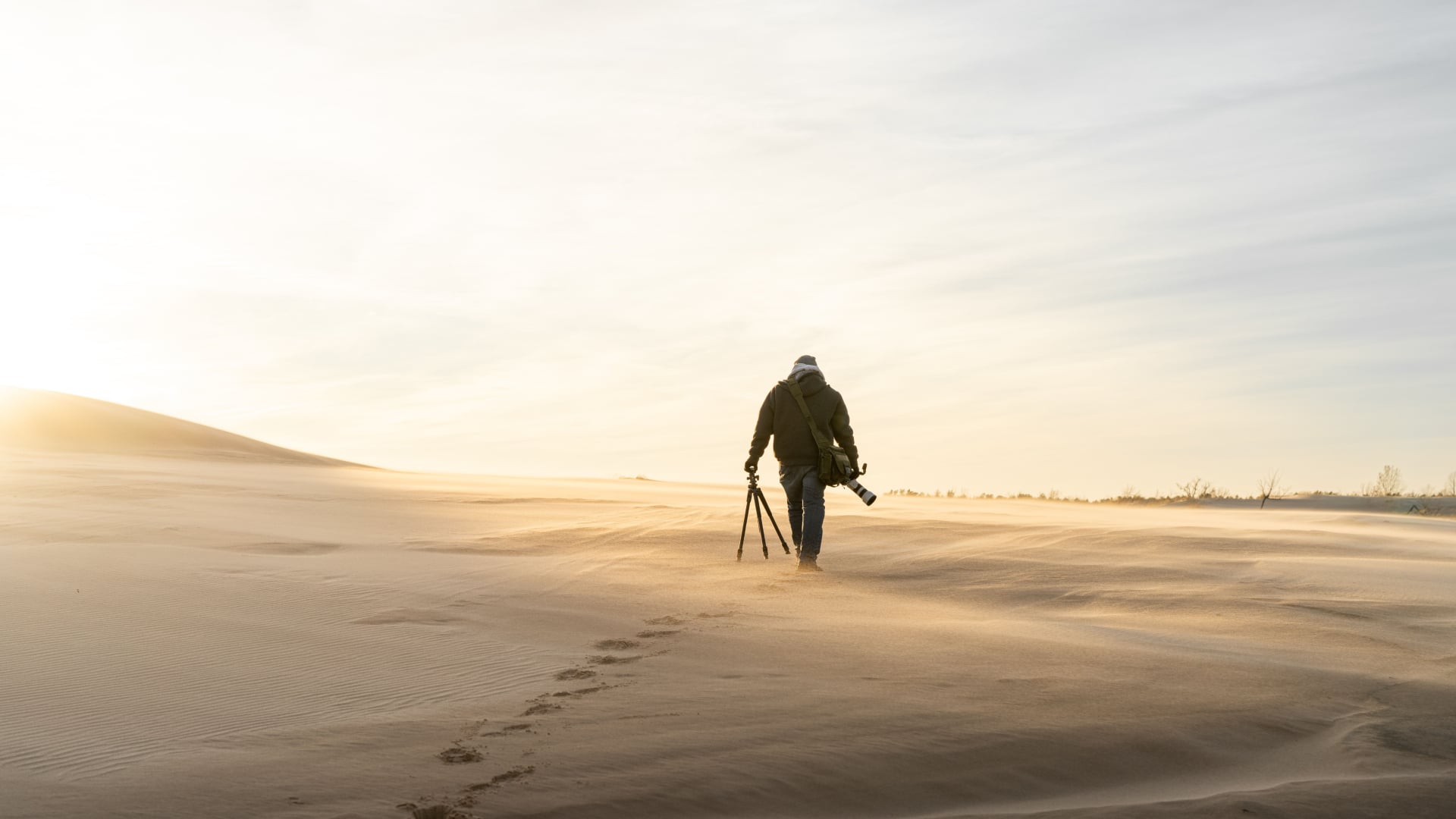
The photograph matters more than the settings
Castein’s larger argument is that photographers can become overly concerned with how other photographers might judge their work.
A viewer looking at a photograph generally does not know or care if it was shot in manual mode, aperture priority or something else. They are responding to the photograph itself.
That distinction becomes particularly important with personal photography. A technically imperfect photograph of someone you love can become one of the most meaningful images you own years later. It does not need to be portfolio worthy, perfectly sharp, or ready for Instagram to have value.
For Castein, technical knowledge should eventually become something that works quietly in the background. That may be the more useful definition of becoming a better photographer. The goal is not to forget the rules, but to stop letting them decide what you see.
And sometimes the best photograph you can make is the one you would have missed while worrying about getting everything right.
See more from DIYPhotography.net on Google
Add DIYPhotography.net as a trusted source. This makes
our stories more likely to appear in your Google Search results.
 Add as a preferred source on Google

Alysa Gavilan
Alysa Gavilan has spent years exploring photography through photojournalism and street scenes. She enjoys working with both film and mirrorless cameras, and her fascination with the craft has grown over the decades. Inspired by Vivian Maier, she is drawn to capturing everyday moments that often go unnoticed.
Related Posts
 Photographer photoshops bride without her knowledge to make her look skinnier, claims that he deleted original photos
 Mesmerizing photo of children hungry for knowledge wins reFocus Awards 2024 Black and White Photo Contest
 How technical do you have to be to take a good photo?
 Beyond the technical: This is how you truly grow as a photographer
Join the Discussion
DIYP Comment Policy
Be nice, be on-topic, no personal information or flames.