
















Candid Photography: What It Is and How to Do It Right
Jun 19, 2026
Lydia Marlowe

Dunja Djudjic is a multi-talented artist based in Novi Sad, Serbia. With 15 years of experience as a photographer, she specializes in capturing the beauty of nature, travel, concerts, and fine art. In addition to her photography, Dunja also expresses her creativity through writing, embroidery, and jewelry making.
Share:
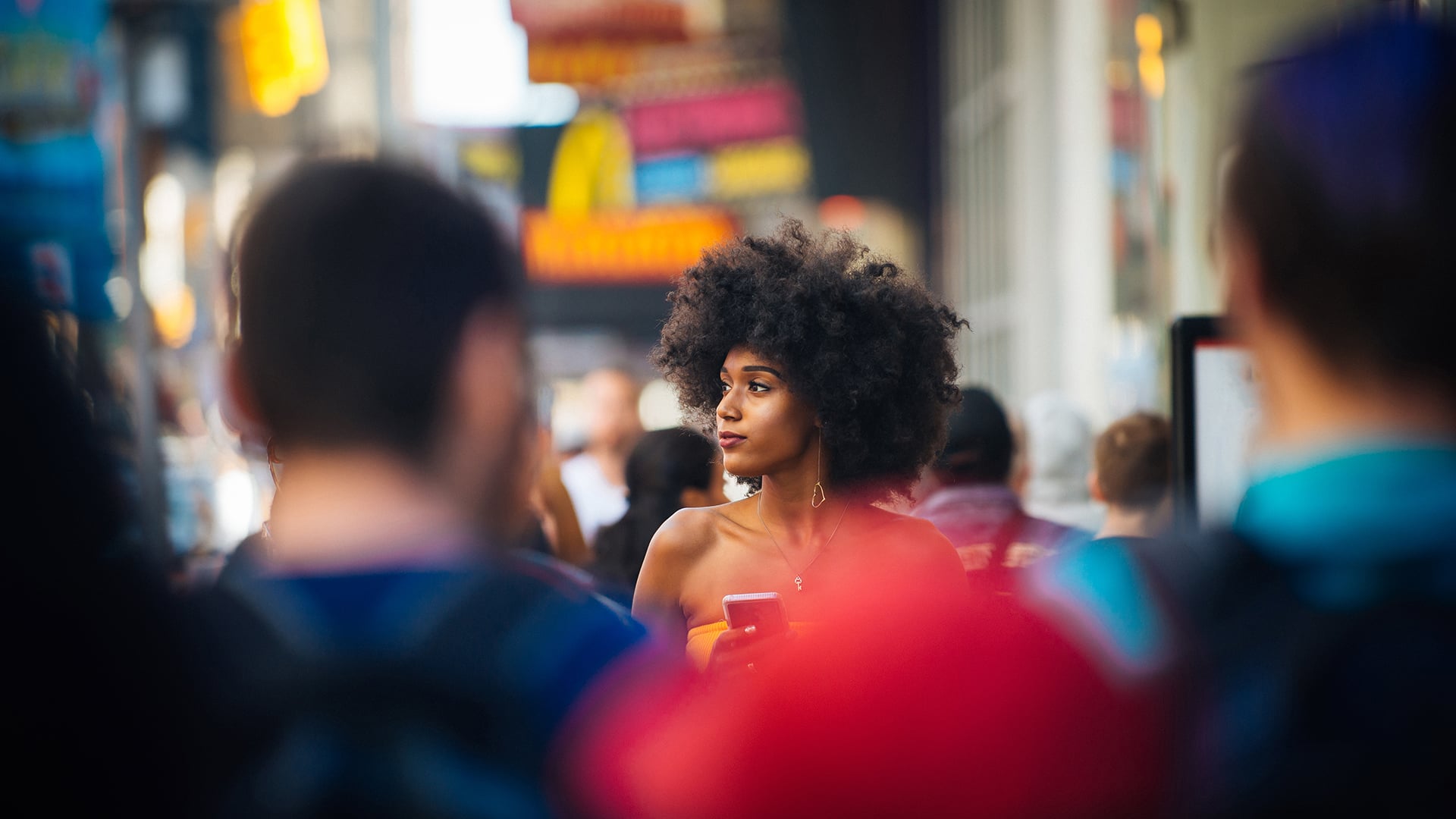
Some of the most memorable photographs ever taken weren’t posed at all. That’s candid photography, and when it works, it has an honesty that no amount of “say cheese” can give you. It’s also one of the trickier genres to do well, and one of the easiest to do badly.
Here’s what candid photography actually is, how to get better candid photos, and how to shoot them ethically and with respect for the people in front of your lens.
What Is Candid Photography?
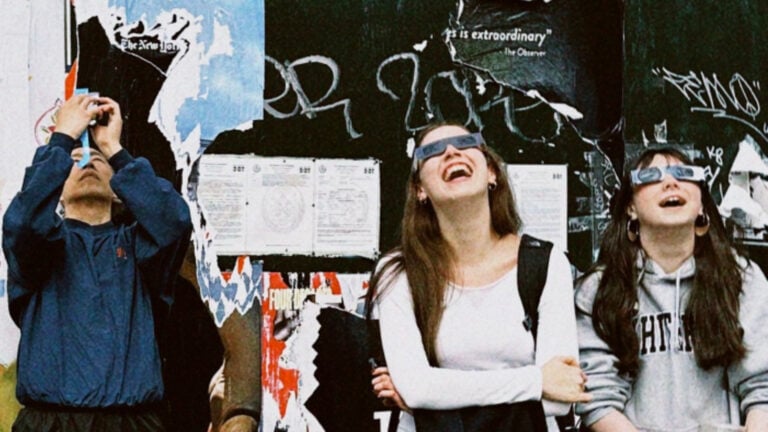
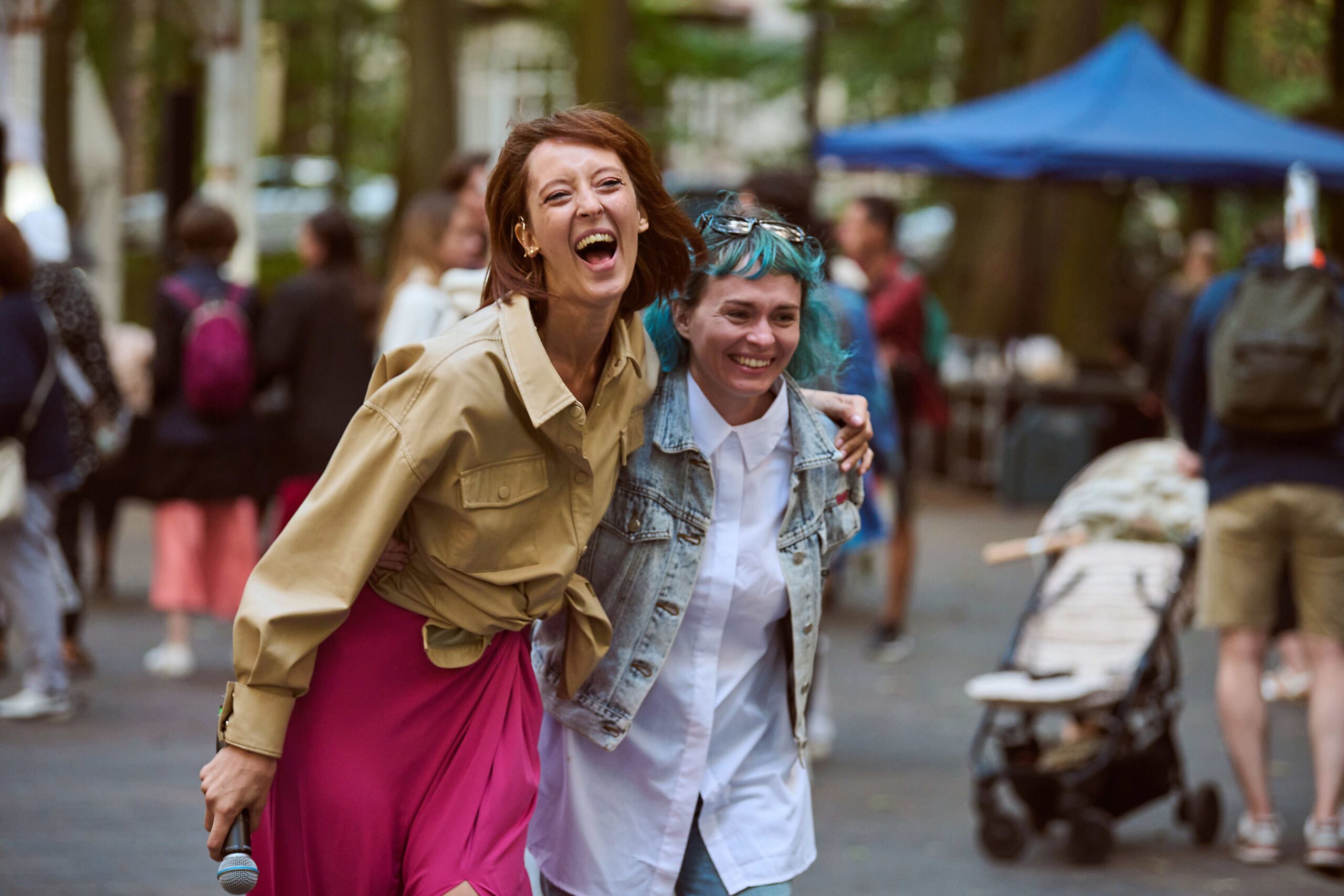
Candid photography is the practice of photographing people without posing them or, often, without their direct awareness, capturing natural expressions and genuine moments as they unfold. Instead of arranging a subject and asking them to smile, you wait, watch, and catch life as it actually happens.
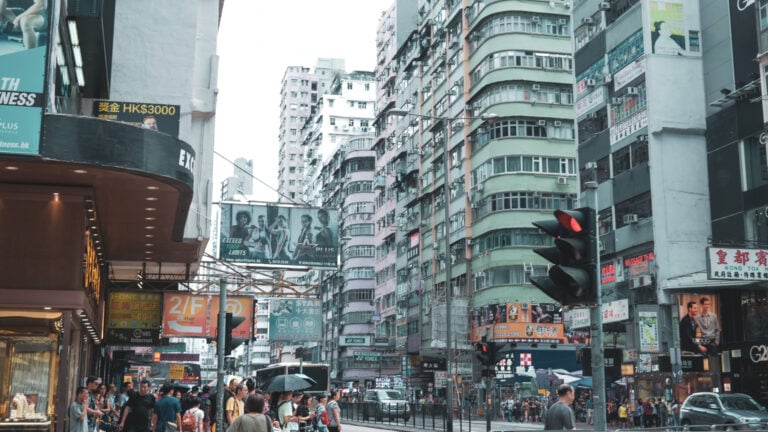
It isn’t limited to one setting. Candid photography turns up across street photography, weddings, events, portraiture, photojournalism, and documentary work. The candid moments at a wedding, like a tear during a speech, the kids dancing… Those are usually the ones couples treasure most, precisely because they weren’t staged. The common thread is authenticity: a candid photo shows people as they are, not as they pose for a camera.
What Makes a Good Candid Photo?
A strong candid photo is more than just an unposed shot – plenty of unposed photos are simply blurry or boring. What separates the keepers is a moment: a genuine expression, a telling gesture, an interaction between people, or a flash of emotion that says something. Light, composition, and timing still matter as much as they do anywhere else.
The skill is in anticipation. Great candid photographers learn to feel a moment a half-second before it happens and be ready for it – framed, focused, and waiting. The shot itself takes a fraction of a second; everything good about it happens in the watching beforehand.
How to Improve
A few techniques make candid photography work much easier:
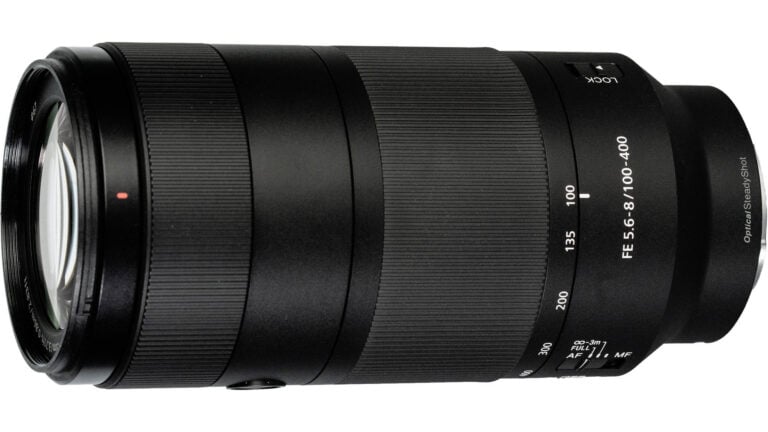
- Use a longer lens. A telephoto or zoom lets you photograph from a comfortable distance, so you catch natural behavior without looming over your subject and breaking the moment. It also keeps you from intruding on people’s space, which is as much a courtesy as a technique.
- Anticipate, don’t react. Watch a scene and predict where the moment will come from. Pre-focus on the spot, set your exposure, and wait for the subject to move into it. By the time you react to a moment, it’s usually gone.
- Move slowly and blend in. Sudden movements are what give you away. Jerking the camera up to your face announces exactly what you’re doing. So, keep your movements small, subtle, and unhurried, and become part of the background.
- Shoot more than one frame. Real moments evolve over a second or two. A short burst gives you options – the peak expression, the best gesture – instead of betting everything on a single click.
- Mind your light and background. Candid doesn’t mean careless. A distracting background or bad light wrecks a candid shot, just like any other. Position yourself where the light’s good and the backdrop is clean before the moment arrives.
How to Shoot Candidly – Ethically and Respectfully
This is the part that matters most, because candid photography involves photographing people who didn’t necessarily ask to be photographed. Getting the technique right is easy; getting the ethics right is what makes you a photographer people respect rather than one they resent.
- Know that legal and ethical aren’t the same thing. In many countries, photographing people in public spaces is legal – but the law is the floor, not the goal. Something can be perfectly lawful and still feel intrusive or unkind. The rules also vary significantly by country (and are stricter in some of Europe), so it’s worth knowing the norms where you actually shoot.
- Ask when someone is clearly identifiable. For a true candid moment in a crowd, asking first would destroy the shot – but when you’re making what’s essentially a portrait of one recognizable person, it’s respectful to ask. A smile and a gesture toward your camera often does the job, and a few words of the local language go a long way when you’re traveling. And if they say no, accept it and move on – never push it.
- Be especially careful with children. Always get consent from a parent or guardian before photographing kids, and think hard before posting those images anywhere online, even when you have permission.
- Don’t be creepy, and don’t punch down. Skip the lurking, the hidden-camera stuff, and using the long lens on strangers who look uncomfortable. And think about how you’re representing people – photographing someone vulnerable or down on their luck purely for a “gritty” shot is the kind of thing that gives the whole genre a bad name. Treat your subjects as people, not props.
- Remember, commercial use is a separate question. If you ever want to use a candid photo commercially (in advertising or to sell a product), you need written permission from the people in it (a model release). A proper contractual model release is more robust than a simple consent form, so get one if money’s involved.
The simplest test: if you’d be comfortable showing the photo to the person in it, you’re probably on the right side of the line. If the thought makes you wince, that’s your answer whether you should take/keep the photo or not.
The Heart of Candid Photos
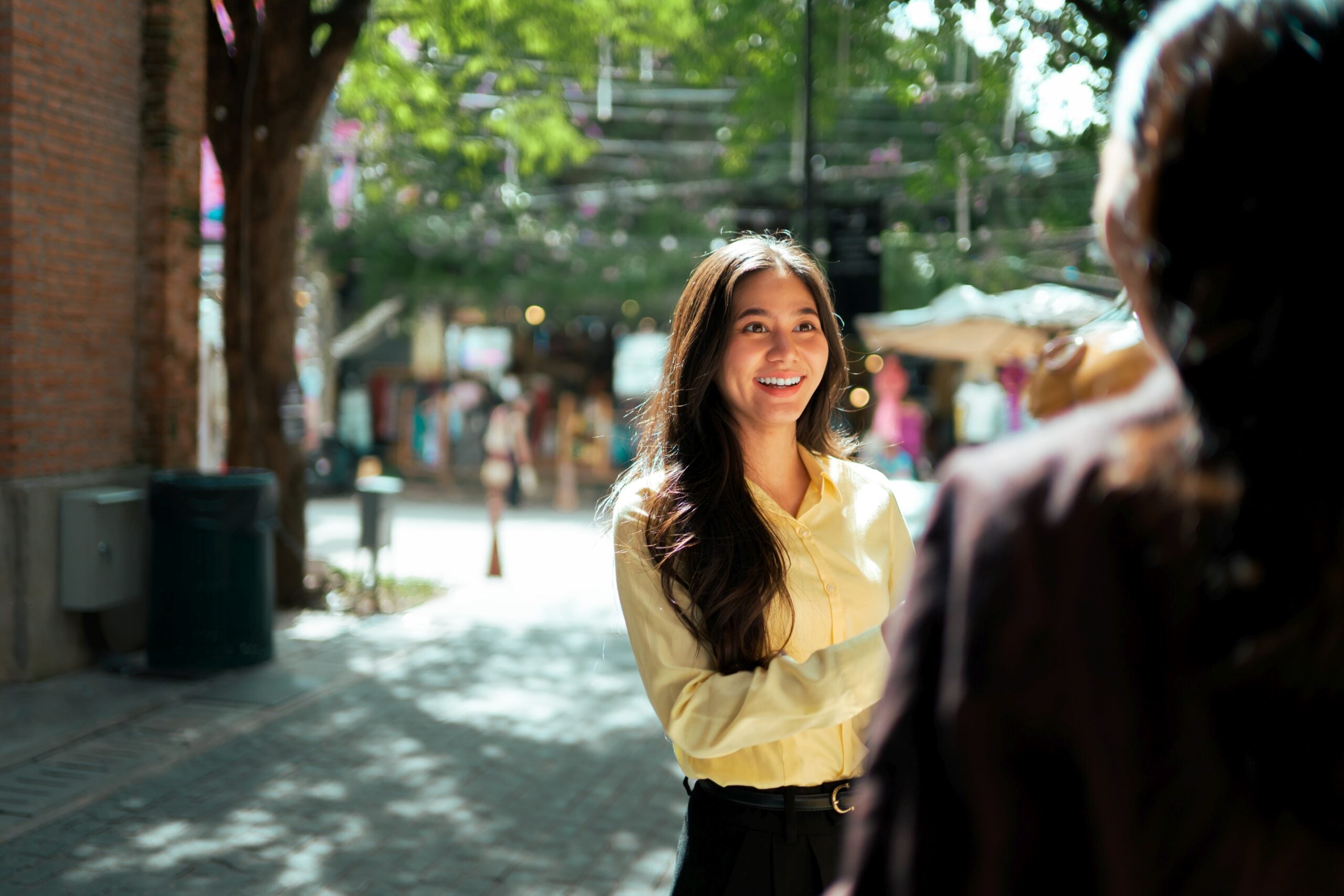
Good candid photography is a balance – patience and anticipation on the technical side, decency and respect on the human side. Watch for real moments, be ready when they come, use a bit of distance and stillness to stay unobtrusive, and always treat the people in your frame the way you’d want to be treated in theirs. Nail both halves, and you’ll come away with photographs that feel alive and that you can stand behind.
Do you shoot candids on the street, at events, or with family? And where do you draw your own ethical line? Tell us in the comments.
See more from DIYPhotography.net on Google
Add DIYPhotography.net as a trusted source. This makes
our stories more likely to appear in your Google Search results.
 Add as a preferred source on Google

About Lydia Marlowe
Lydia Marlowe is an architect and a hobbyist photographer who has never quite managed to keep the two apart. She travels at every excuse, usually returning with more photos of buildings and details than of the people she went with. She pays more attention to light and structure than to gear, and she firmly believes the best camera is the one you didn’t leave at home.
We love it when our readers get in touch with us to share their stories. This article was contributed to DIYP by a member of our community. If you would like to contribute an article, please contact us here.



Join the Discussion
DIYP Comment Policy
Be nice, be on-topic, no personal information or flames.