













Dog Photography Tips: How to Take Better Photos of Dogs in 2026
Jun 15, 2026
Alysa Gavilan
Alysa Gavilan has spent years exploring photography through photojournalism and street scenes. She enjoys working with both film and mirrorless cameras, and her fascination with the craft has grown over the decades. Inspired by Vivian Maier, she is drawn to capturing everyday moments that often go unnoticed.
Share:
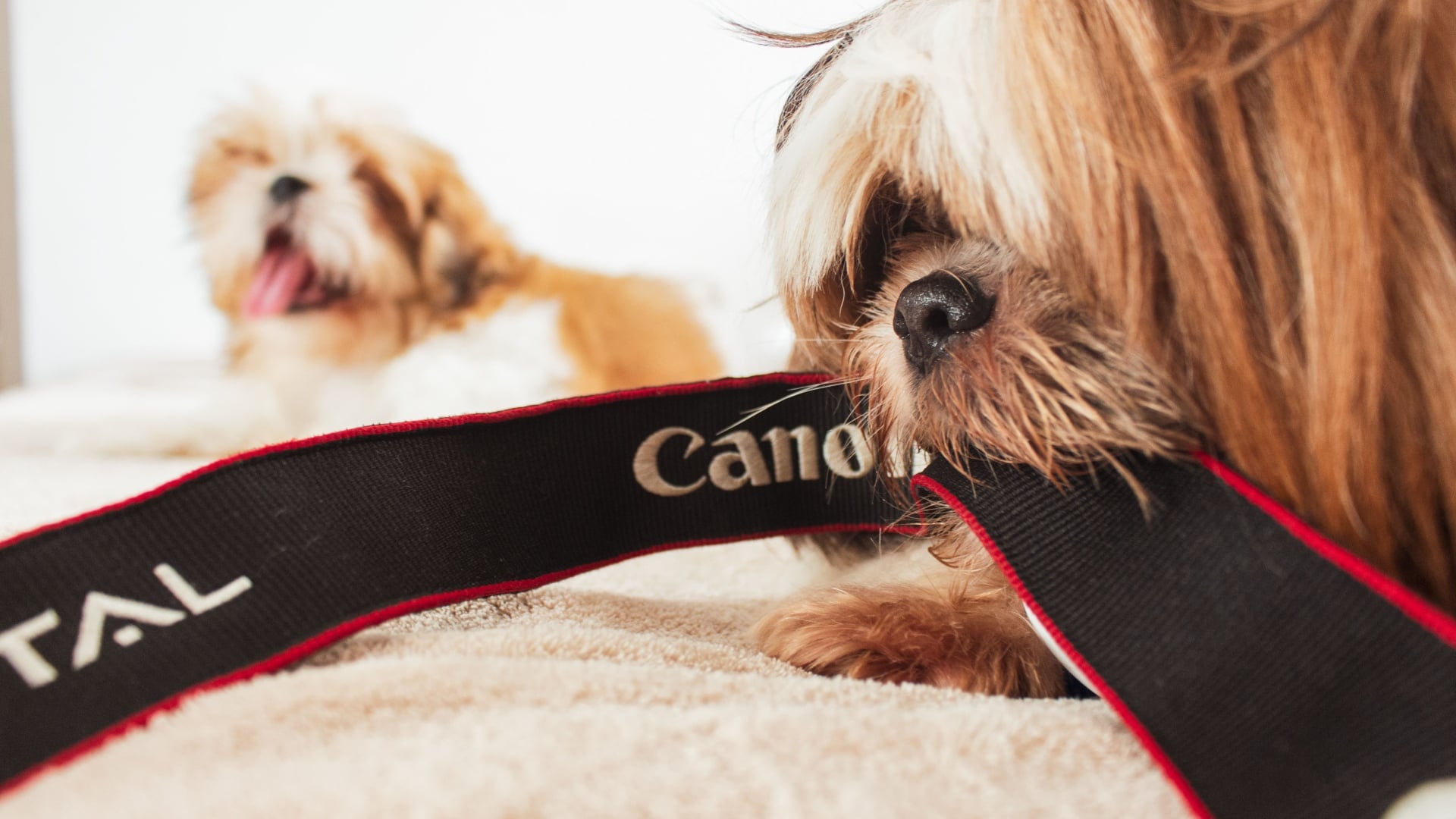
Dog photography has a way of humbling even the most confident shooter. One moment you are ready for a perfect portrait, the next moment the dog has spotted a leaf, a bird, or absolutely nothing at all and decided that is now the most important thing in the world.
Getting a clean, expressive shot often feels less like controlled photography and more like trying to predict chaos with a camera in hand. Still, the results can be worth it, especially when you learn how to work with the unpredictability instead of fighting it.
So what to do when you want that good dog photo? Here are some tips.
Lighting And Location Matter Most
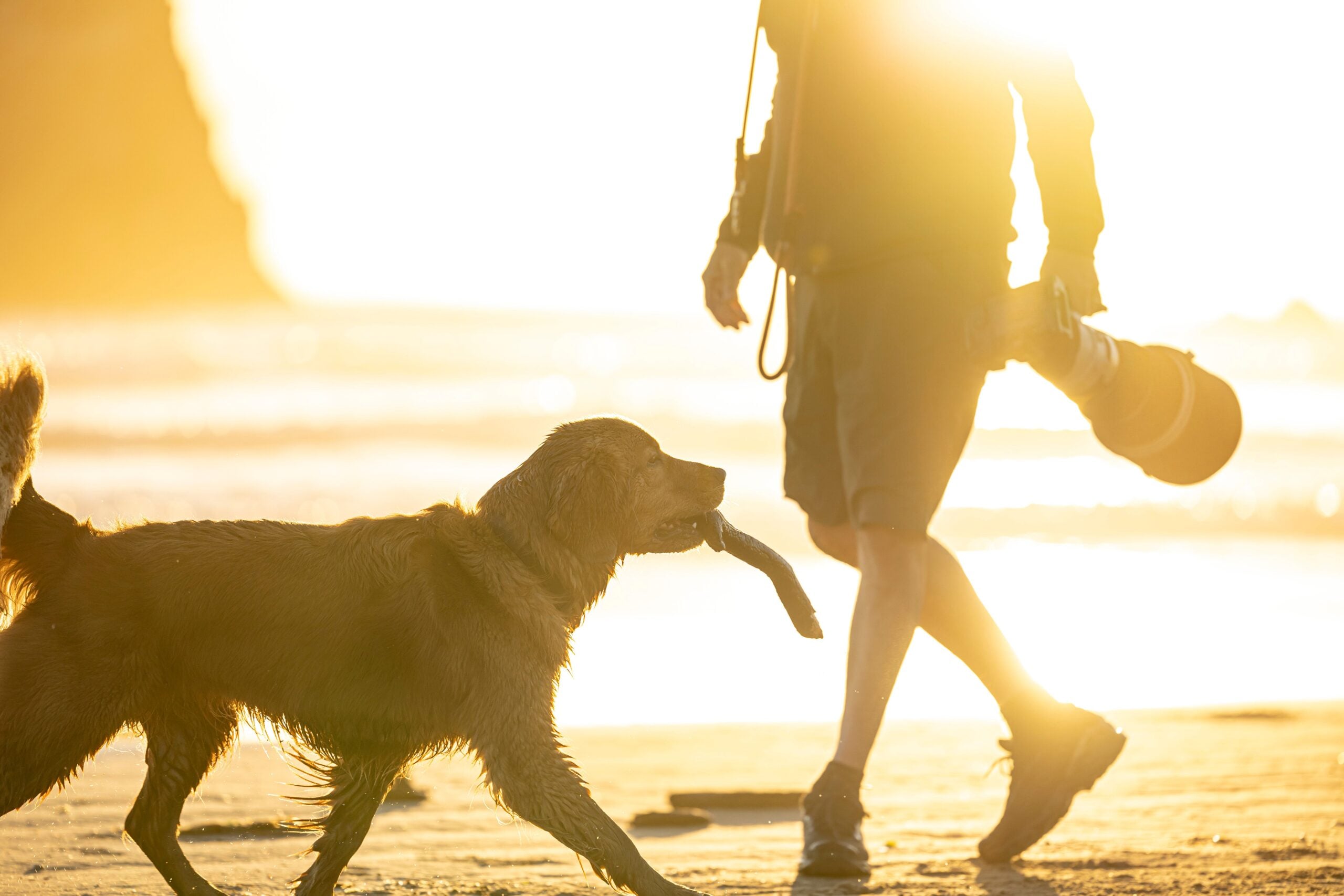
Natural light is usually the most reliable option for photographing dogs. Soft daylight reduces harsh shadows and helps bring out fur detail without overexposure. Early morning or late afternoon light often works best because the sun is lower and less intense.
Outdoor environments give dogs space to move freely, which makes it easier to capture natural expressions. Parks, open fields, or quiet streets reduce distractions compared to crowded or noisy areas. Indoors can also work, but positioning near a window helps avoid the need for strong artificial lighting.
Get On The Dog’s Level
One of the most common issues in dog photography is shooting from a standing position. Photos taken from above can flatten perspective and reduce emotional impact.
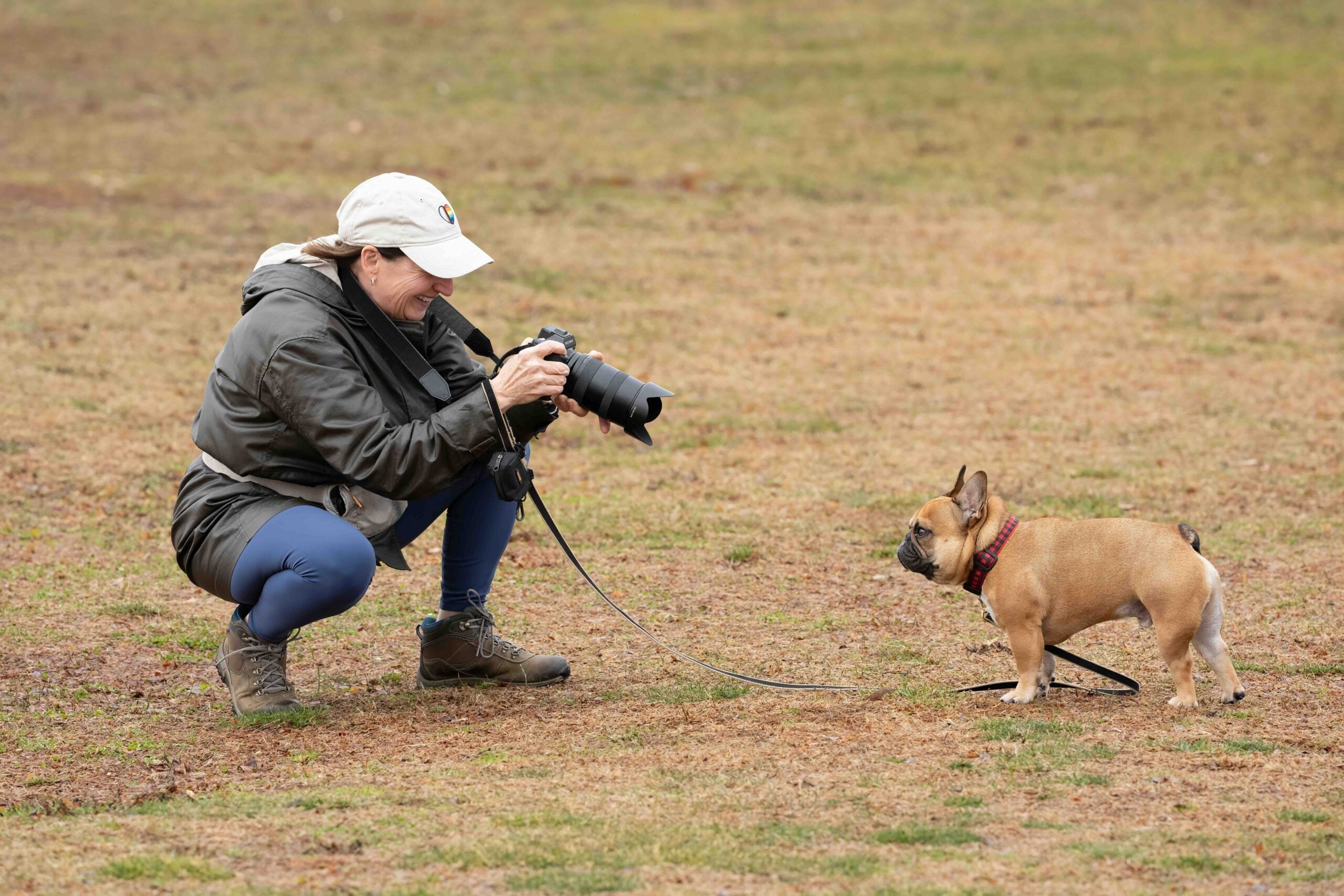
Lowering the camera to eye level with the dog creates a more direct connection in the frame. It also helps emphasize facial expressions and body language. Sitting or kneeling often changes the entire composition and makes the image feel more personal.
Use Movement Instead Of Forcing Poses
Dogs rarely respond well to strict posing. Instead of trying to hold them in place, it is often more effective to work with movement.
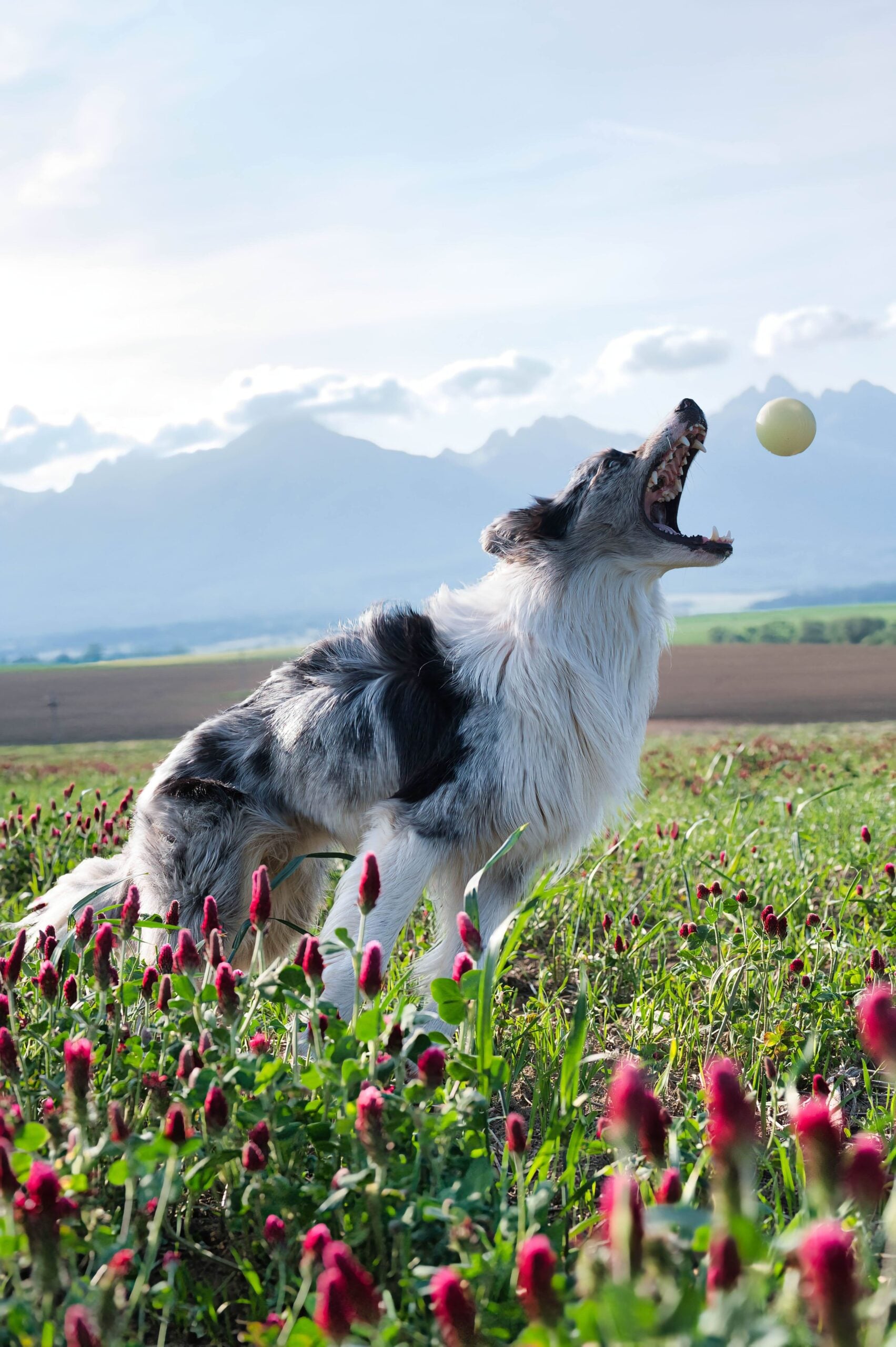
Short bursts of activity, such as running, jumping, or playing with a toy, create more natural expressions. Action-based shooting also increases the chances of capturing candid moments that reflect personality.
Fast shutter speeds help freeze motion. In bright outdoor light, this is easier to achieve without raising ISO too much.
Focus On The Eyes
Sharp focus on the eyes is one of the most important technical aspects of dog photography. Eyes carry expression and help the viewer connect emotionally with the subject.
Many cameras and smartphones now include animal eye autofocus, which can improve accuracy. When that is not available, manually selecting focus points on the eyes can still improve results.
A slightly soft background helps keep attention on the face and reduces visual distractions.
Timing And Attention Tricks
Dogs respond strongly to sound and movement. Simple tools such as squeaky toys, clapping, or calling their name can help direct attention toward the camera.
However, overusing sounds can cause distraction or excitement that makes it harder to frame the shot. Short, controlled cues often work better than constant noise.
Treats can also be effective, especially for keeping the dog in one position for a few seconds. Keeping rewards ready but out of sight helps maintain focus.
Camera Settings And Practical Adjustments
For DSLR or mirrorless cameras, shutter speed should be high enough to freeze motion, especially for active dogs. Aperture settings around f/2.8 to f/5.6 can help isolate the subject from the background.
For smartphone photography, using burst mode increases the chance of capturing sharp frames during movement. Many modern phones also include portrait modes that simulate depth of field.
Stability is also important. Even small movements can affect sharpness when shooting at fast action moments.
Capturing Personality Over Perfection
Technically perfect images are not always the most compelling. Slightly imperfect shots that show emotion, movement, or character often feel more authentic.
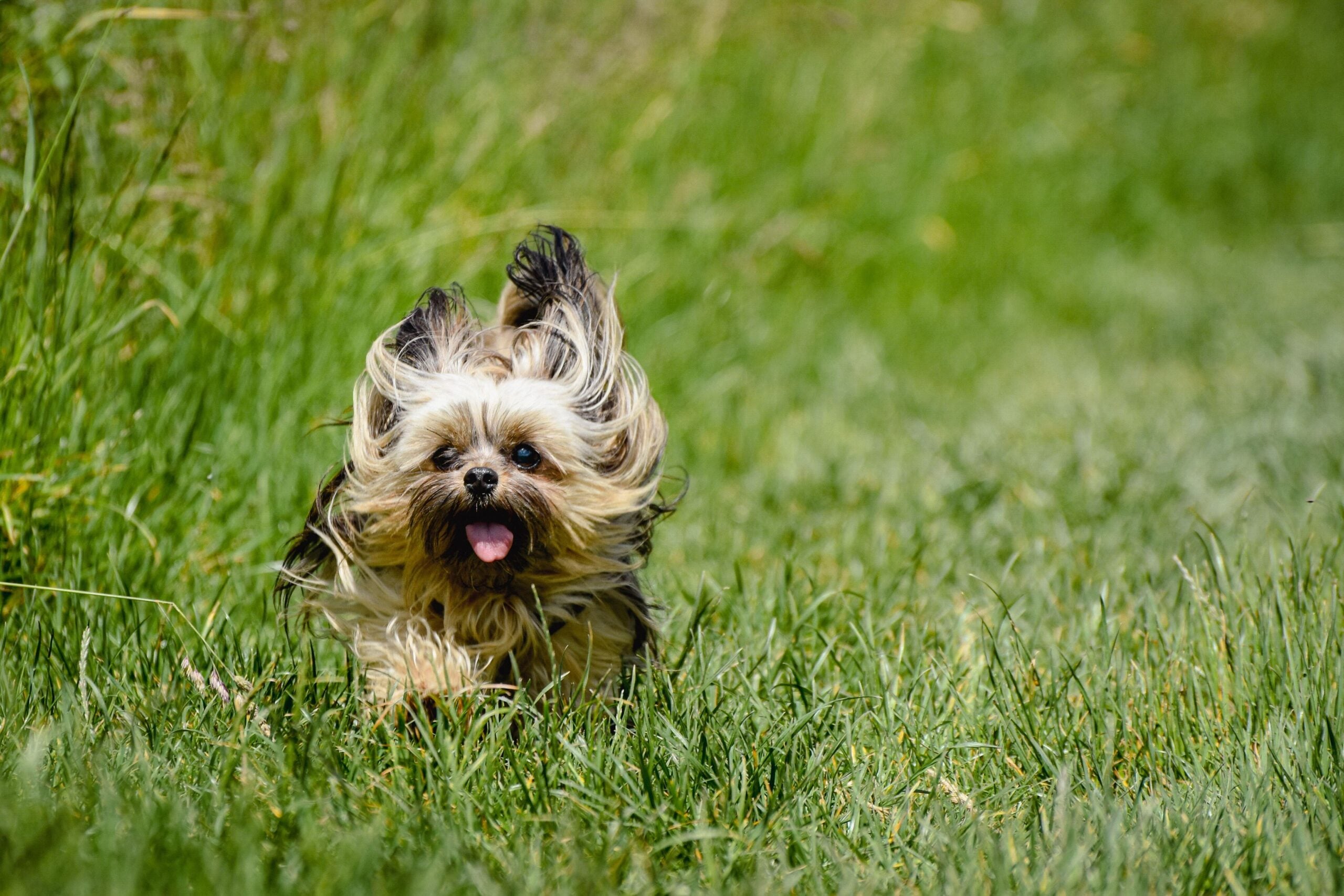
A dog looking away, mid-run, or reacting to something off camera can communicate more than a posed portrait. Observing behavior before shooting helps anticipate these moments.
Where The Real Challenge Begins
Dog photography rarely behaves the way you plan it. The moment you think you have control, the dog usually decides otherwise, and that is often where the best frames appear.
What kind of moment do you find hardest to capture when shooting dogs, the calm portrait or the chaotic action shot?
See more from DIYPhotography.net on Google
Add DIYPhotography.net as a trusted source. This makes
our stories more likely to appear in your Google Search results.
 Add as a preferred source on Google

Alysa Gavilan
Alysa Gavilan has spent years exploring photography through photojournalism and street scenes. She enjoys working with both film and mirrorless cameras, and her fascination with the craft has grown over the decades. Inspired by Vivian Maier, she is drawn to capturing everyday moments that often go unnoticed.



Join the Discussion
DIYP Comment Policy
Be nice, be on-topic, no personal information or flames.