





















Using Smartphone Burst Mode to Capture Action Like a Pro
Jan 11, 2026
Darlene Lleno
Darlene Lleno brings a unique perspective to DIY Photography as someone who grew up surrounded by camera gear but chose words over lenses. With five years of writing experience, she specializes in photography content that’s both technically informed and genuinely passionate. Growing up with a photographer twin brother meant camera talk was everyday conversation in her household. While he mastered capturing moments, Darlene discovered she preferred being the subject and the storyteller behind the scenes. As a travel enthusiast and mother of two, she understands the importance of preserving life’s precious moments. When not exploring new destinations or writing for DIY Photography, you’ll find her reading or tending to her garden. Her approach to photography writing is refreshingly authentic, she may not be behind the camera, but she knows exactly what it takes to help others capture the shots that matter most.
Share:

Smartphone burst mode freezes fast action like nothing else on your phone. Your kid scoring a goal, your dog catching a frisbee, that perfect street moment. Split-second shots become easy catches.
Modern phones in 2026 fire 10 to 60 frames per second. You get dozens of shots in one quick burst. The perfect moment is guaranteed somewhere in that sequence.
What Smartphone Burst Mode Actually Does
Burst mode shoots rapid sequences instead of single shots. Hold the trigger and your phone captures everything happening. Pick the sharpest frame later from the bunch.
Each manufacturer handles activation slightly differently in 2026. Most phones now use gesture-based triggers. This stops you from accidentally recording video instead of taking photos.
Professional sports photographers fire thousands of frames per game. Your phone puts this same power in your pocket. You just need to learn how to use it properly.
The big difference from video is image quality. Each burst frame gets full photo resolution. Video compresses everything heavily and loses detail. Burst mode gives you print-quality action shots.

How to Turn On Burst Mode
Finding burst mode varies between phone brands. Learn your specific model’s trigger before important shooting moments.
iPhone Users
iPhones use a swipe gesture for bursts. Open Camera and tap the shutter button. Immediately swipe left in portrait or up in landscape orientation.
A counter shows how many frames you’re capturing. Release when you have enough shots. The burst saves as a stack in Photos.
You can also use Volume Up for bursts. Go to Settings, then Camera, then toggle on “Use Volume Up for Burst”. Some people find buttons easier than swiping.
Practice the swipe before shooting anything important. It feels weird at first but becomes automatic fast.

Samsung Phones
Samsung uses a different gesture completely. Open Camera and swipe the shutter button down toward the bottom screen edge.
The burst starts right away and continues while you hold. Release to stop shooting. Your sequence saves as one stack.
Some Samsung models also support holding the regular shutter for burst. Check your camera settings under shooting modes. Options differ between Galaxy models.
Other Android Phones
Google Pixel phones include dedicated Action or Sports modes now. Find these in your main camera menu. They optimize automatically for high-speed bursts.
OnePlus and similar brands let you customize what happens when you hold the shutter. Check settings for “Press and Hold” options. Assign it to burst instead of video.
Some Android cameras still use simple long-press on the shutter. Test yours before assuming anything. Updates change these features regularly.
Professional Techniques for Sharp Results
Smartphone burst mode works way better with proper technique. These methods separate blurry snapshots from keeper frames.
Start Before the Action Peaks
Begin your burst half a second before peak action starts. Keep shooting for a full second after it ends. This ensures you catch the decisive moment.
Peak action happens incredibly fast. A foot hitting a soccer ball lasts milliseconds. Dogs catching things happen in a blink. You need frames around these moments.
Watch body language for action cues. Athletes wind up before throwing or kicking. Dogs crouch before jumping. These signals help you time bursts perfectly.
Don’t wait to see action before starting. Human reaction time creates delay. Start early to compensate for your own lag.
Lock Your Focus First
Tap and hold your subject until AE/AF Lock appears on screen. This stops your camera from hunting during the burst. Focus stays locked where you want it.
Autofocus hunting ruins burst sequences completely. Half your frames come out sharp, half blurry. The perfect moment might be one of the blurry ones.
Pick a high-contrast area for locking focus. Faces, jersey numbers, or bright colors work great. Give your phone something obvious to grab onto.
Keep that focus lock through your entire burst. Don’t lift your finger or tap elsewhere. Consistent focus makes every frame usable.
Shoot in Bright Light
Burst mode needs fast shutter speeds to freeze motion sharp. Fast shutters need plenty of light to work right. Shoot outdoors in daylight whenever possible.
Indoor action gets challenging without good lighting. Your phone compensates by cranking ISO higher creating visible grain. Accept this trade-off for sharp action.
Use Pro mode to set faster shutter speeds manually in dim light. Choose at least 1/500 second for most action shots. Raise ISO as high as needed for proper exposure.
Overcast days provide perfect even lighting for action. Harsh sun creates contrast problems and weird shadows. Soft light keeps everything consistent.

Follow Through Your Motion
Track moving subjects by smoothly panning your phone. Keep moving at the same speed as your subject. Don’t stop when you release the shutter.
Following through prevents jerky blurred frames at the end. Your last shots stay sharp when you maintain smooth motion throughout. This separates pros from beginners.
Practice panning without shooting first. Track cars, joggers, or anything moving past you. Build that muscle memory for smooth tracking before adding bursts.
Rotate your whole body smoothly, not just your arms. Pivot from your hips like swinging a golf club. This creates the smoothest possible tracking motion.
Finding Your Best Frames
Smartphone burst mode fills storage really fast. Learning quick culling saves time and space immediately. Most phones include helpful tools for this.
Locate Your Burst Stacks
Open Photos and look for stacks labeled Burst. These show as single images with multiple frames inside. Tap one to see the full sequence.
Some phones display burst stacks with small counter badges. This tells you how many frames the burst contains. Typical bursts range from 10 to 60 shots.
Newer galleries use AI to group bursts automatically. Older models show every frame separately which gets messy. Check gallery settings for burst organization options.
Scroll through recent photos to spot bursts quickly. They have identical timestamps in the same place. This makes them super easy to find.
Pick Your Winners
Tap Select at the stack bottom to review frames. Swipe through thumbnails checking each one. AI often marks recommended sharp shots with gray dots.
Look for peak action moments first. The highest jump, perfect ball contact, the best expression. These frames tell your story best.
Check sharpness and focus next. Zoom in on important details carefully. Reject blurry frames immediately regardless of perfect timing.
Consider composition too. Sometimes frames just before or after peak action frame better. The perfect moment might have weird cropping issues.
Delete Everything Else
Select your favorite one to three frames from each burst. Tap “Keep Only Favorites” to delete everything else instantly. This frees up storage right away.
Don’t save entire bursts thinking you’ll review them later. You won’t ever look at them again. Delete ruthlessly immediately after shooting.
Some photographers keep two versions of great action shots. One perfectly timed, another with better composition. This provides editing options later.
Always delete obvious failures right away. Out of focus shots, terrible timing, bad expressions. These waste storage and clutter everything up.
Advanced Burst Mode Methods
Professional action photographers use these specialized burst techniques. Master them for truly standout smartphone action photos.
Create Motion Blur Backgrounds
Pan smoothly with your subject while shooting bursts. This keeps subjects sharp while backgrounds blur beautifully. The effect shows speed and motion dramatically.
Choose slower shutter speeds around 1/60 to 1/125 second. Faster speeds freeze backgrounds too much. Slower speeds risk blurring your subject completely.
Practice panning without burst first until motion feels smooth. Add burst shooting once your tracking feels natural and consistent.
Select frames where background blur looks intentional and clean. Streaky backgrounds parallel to motion work best. Random blur looks like mistakes.
Capture Sports Peak Moments
Study your sport to learn when peak action occurs. Basketball players reach maximum height mid-jump. Tennis players hit peak speed at ball contact.
Position yourself where action flows toward or across you. Head-on shots show less motion than side angles do. Plan your shooting position strategically.
Start bursting as players enter your frame completely. Continue through the entire play sequence. Peak moments happen unpredictably within longer action.
Review professional sports photography regularly for timing ideas. Notice their positioning and moment selection. Apply these lessons to your smartphone shooting.

Street Photography Bursts
Street photography benefits enormously from burst mode capabilities. Candid moments happen and disappear in milliseconds. Bursts catch fleeting expressions perfectly.
Hold your phone casually and shoot bursts discreetly. People behave naturally when they don’t notice cameras around. Smartphone bursts happen silently helping you stay invisible.
Look for interesting characters and developing situations early. Start shooting before moments fully develop. Continue through entire interactions.
Delete boring frames immediately after shooting each burst. Keep only shots with strong expressions or perfect timing. Street bursts generate tons of rejects.
Pet and Wildlife Action
Animals move unpredictably making burst mode absolutely essential. Dogs running, birds taking flight, cats pouncing. You can’t time these moments manually at all.
Get down on your pet’s level for much better angles. Eye-level shots connect with viewers way better than looking down. This matters more than people realize.
Focus on eyes using tap-to-focus then lock it tight. Sharp eyes make animal photos work every time. Everything else can be slightly soft.
Shoot lots of bursts and delete without mercy. Animals rarely cooperate perfectly on command. You need dozens of attempts for one keeper frame.
Mistakes Everyone Makes
These common errors slow down beginners learning smartphone burst mode. Recognizing them speeds your improvement dramatically.
Shooting Too Few Frames
Beginners tap and release way too quickly. They capture three frames hoping one works somehow. This rarely succeeds with genuinely fast action.
Hold your burst trigger for full seconds minimum. Shoot 20, 30, even 50 frames per action sequence. Storage costs nothing compared to missed moments.
Action peaks last mere microseconds in reality. You need many frames before and after to ensure catching it. Short bursts miss most peaks completely.
Practice holding burst triggers much longer than feels necessary. Build this habit early through repetition. You’ll catch way more perfect moments.
Forgetting Focus Lock
Letting autofocus hunt during bursts ruins entire sequences instantly. Half your frames sharp, half blurry randomly. The perfect moment might be blurry.
Always lock focus before starting any burst sequence. Tap and hold until you see lock confirmation appear. This takes one second but saves everything.
Choose obvious focus targets in complex busy scenes. Faces, numbers, high-contrast areas work best. Don’t trust your phone to pick correctly automatically.
Check first few burst frames immediately after shooting. If focus looks wrong, delete and reshoot with better lock. Don’t discover problems later.
Standing Completely Still
Static positions work for subjects moving across your frame. They fail badly for subjects coming toward or away.
Adjust your position during bursts to maintain good composition throughout. Step sideways tracking movement smoothly. Crouch or stand following vertical action.
Advanced photographers move constantly during action sequences always. They’re choreographing shots physically, not just pressing buttons. This separates pros from amateurs.
Practice moving smoothly while shooting bursts regularly. Your motion should feel like dancing with your subject. Fluid movement creates better final compositions.
Managing Phone Storage
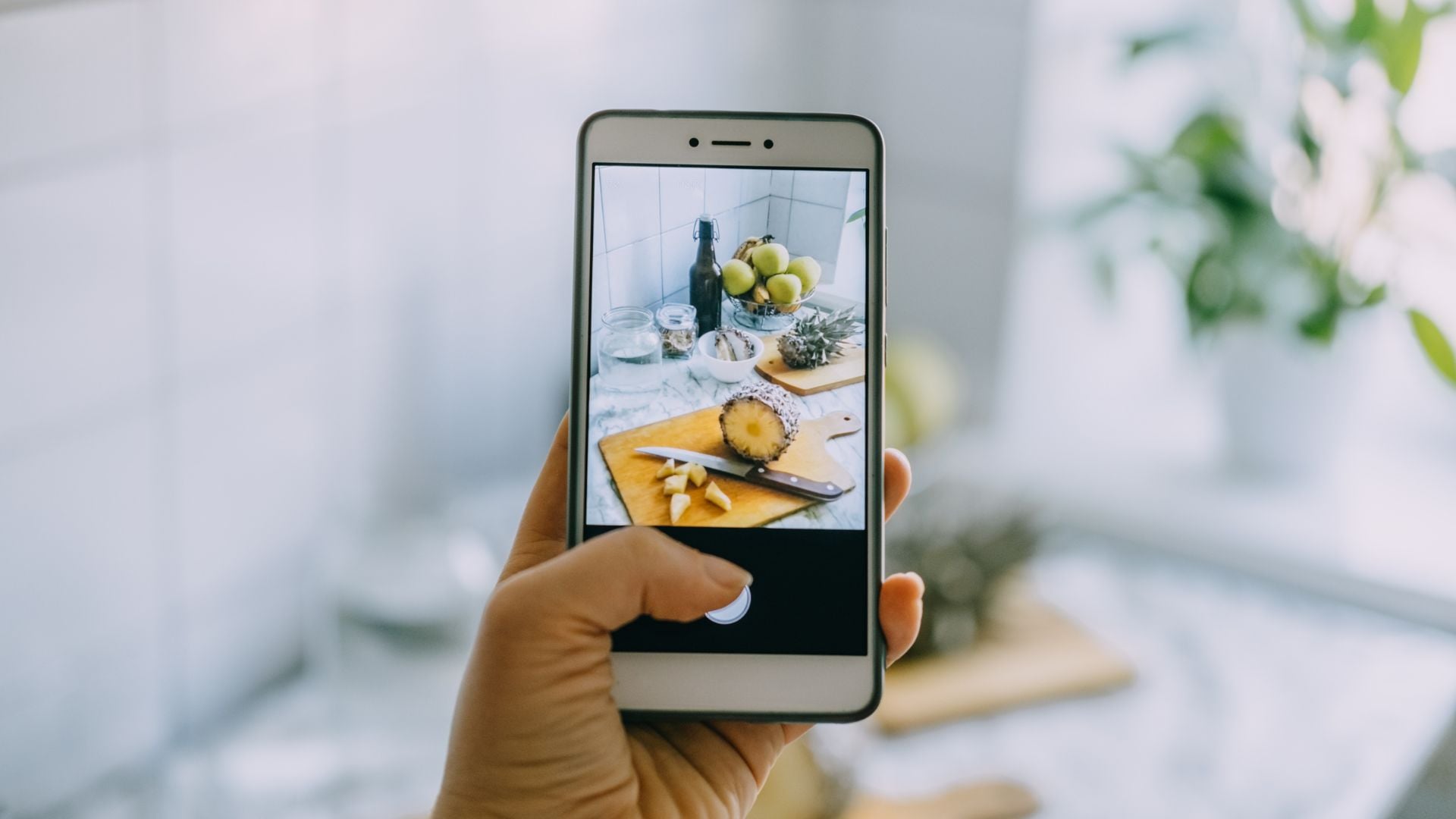
Smartphone burst mode consumes storage frighteningly fast. Smart management prevents problems before they start happening.
Here’s what you need to know about storage:
- Each burst creates 10 to 60 full-resolution photos instantly
- 48-megapixel phones generate gigabytes per burst session quickly
- Check available storage before shooting important action events
- Delete old photos and bursts regularly before warnings appear
- Back up best frames to cloud storage immediately after shooting
- Create specific albums for organizing action photography better
- Consider upgrading to 256GB minimum for serious burst shooting
Regular backups let you delete more aggressively from your phone. Knowing frames are safely stored elsewhere makes culling much easier. This frees storage for more shooting opportunities.
Use automatic backup features if your phone offers them. Digital Photography School recommends setting these to WiFi-only to save mobile data costs.
Master Action Photography with Burst Mode
Smartphone burst mode transforms action photography completely for everyone. Moments you’d miss with single shots become easy reliable captures. The decisive moment becomes dozens of moments to choose from.
Start using burst mode for all fast-moving subjects today. Sports, pets, kids, street scenes, everything moving. Practice gestures until they become completely automatic through repetition.
Focus on anticipation and timing over technical perfection always. Getting the moment matters way more than perfect settings. Burst mode forgives technical mistakes better than single shots ever could.
Your phone already has professional action photography capability built right in. Smartphone burst mode just unlocks what’s been sitting there waiting. Start shooting today and you’ll amaze yourself with what you capture quickly.
See more from DIYPhotography.net on Google
Add DIYPhotography.net as a trusted source. This makes
our stories more likely to appear in your Google Search results.
 Add as a preferred source on Google

Darlene Lleno
Darlene Lleno brings a unique perspective to DIY Photography as someone who grew up surrounded by camera gear but chose words over lenses. With five years of writing experience, she specializes in photography content that’s both technically informed and genuinely passionate. Growing up with a photographer twin brother meant camera talk was everyday conversation in her household. While he mastered capturing moments, Darlene discovered she preferred being the subject and the storyteller behind the scenes. As a travel enthusiast and mother of two, she understands the importance of preserving life’s precious moments. When not exploring new destinations or writing for DIY Photography, you’ll find her reading or tending to her garden. Her approach to photography writing is refreshingly authentic, she may not be behind the camera, but she knows exactly what it takes to help others capture the shots that matter most.


Join the Discussion
DIYP Comment Policy
Be nice, be on-topic, no personal information or flames.