























Gemini North Reveals NGC 1514 Nebula: A Crystal Ball in Space
May 22, 2026
Soumyadeep Mukherjee
Soumyadeep Mukherjee is an award-winning astrophotographer from India. He has a doctorate degree in Linguistics. His work extends to the sub-genres of nightscape, deep sky, solar, lunar and optical phenomenon photography. He is also a photography educator and has conducted numerous workshops. His works have appeared in over 40 books & magazines including Astronomy, BBC Sky at Night, Sky & Telescope among others, and in various websites including National Geographic, NASA, Forbes. He was the first Indian to win “Astronomy Photographer of the Year” award in a major category.
Share:
Planetary nebulae offer astronomers a unique opportunity to study stellar evolution in real time. These expanding clouds of ionized gas form when aging stars eject their outer layers near the end of their lives. Although the process follows a broadly similar path for many stars, the resulting nebulae display an astonishing variety of shapes and structures. Some appear nearly spherical, while others develop rings, lobes, jets, and intricate filaments.
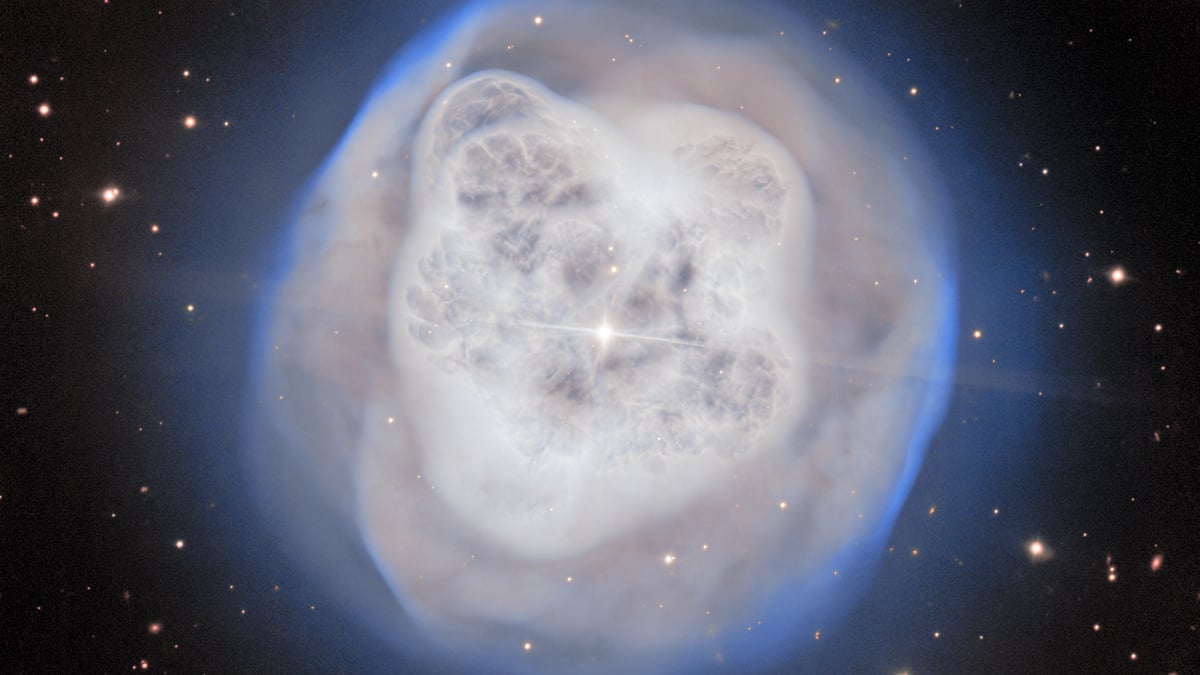
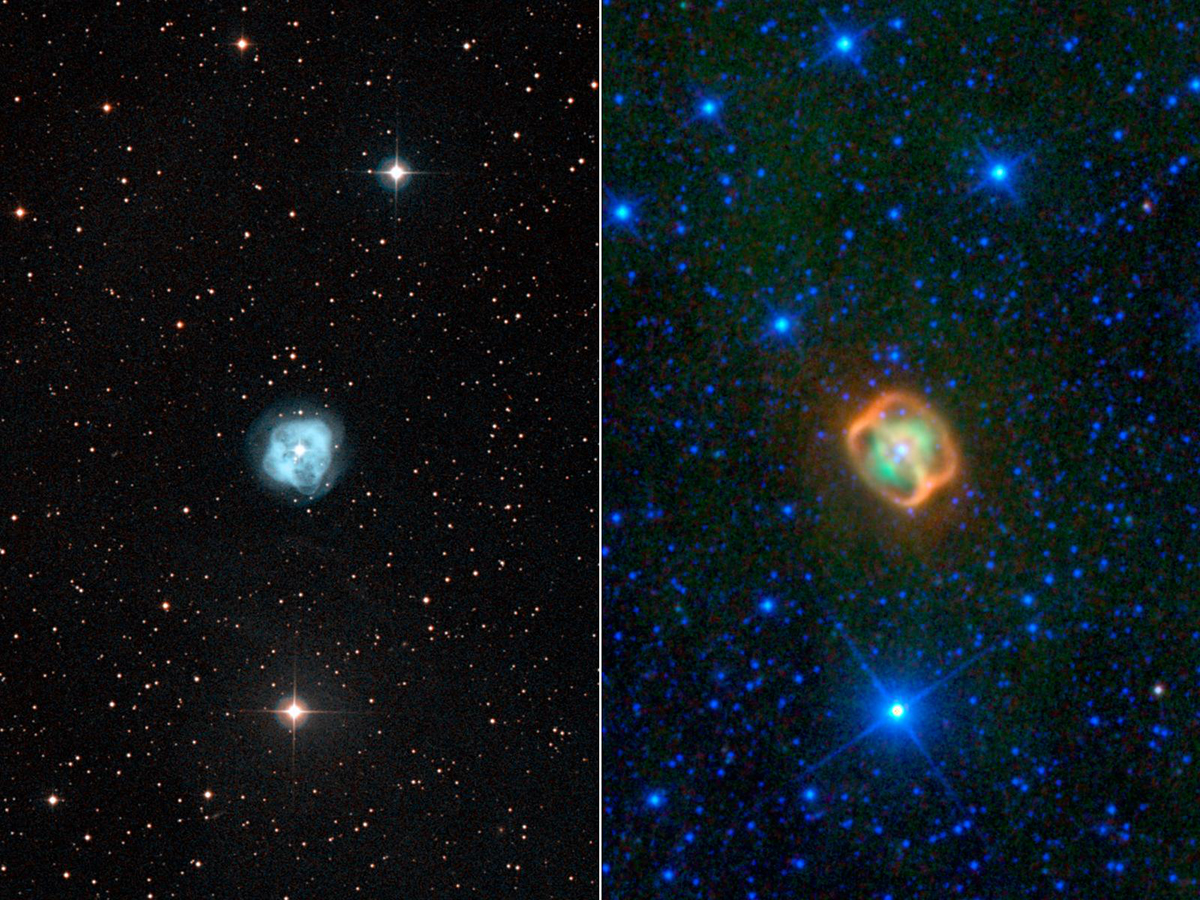
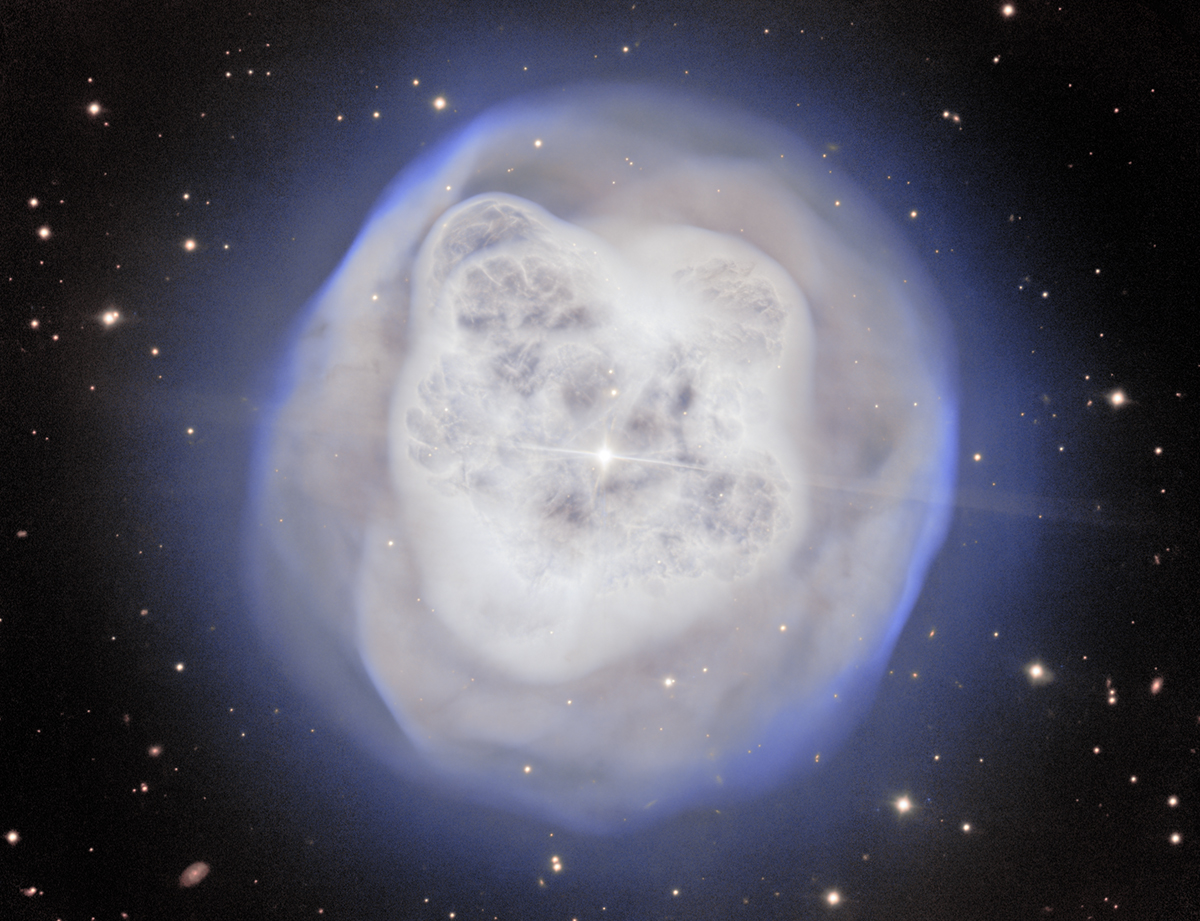
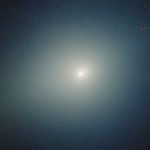
A newly released image of NGC 1514, commonly known as the Crystal Ball Nebula, offers fresh insight into the origin of such nebulae. Captured with the Gemini North telescope in Hawai‘i and released by NSF NOIRLab, the image reveals an extraordinary network of shells, arcs, and diffuse structures surrounding the nebula’s central stars. These details expose the long and complex interaction between stellar winds, mass loss, and orbital motion within a binary star system.
NGC 1514: A history of discovery
The history of NGC 1514 reaches back to the eighteenth century. In 1790, William Herschel observed the object while conducting surveys of the night sky. What immediately caught his attention was the bright star visible at the center of the surrounding haze. At that time, astronomers had identified several nebulae, but many appeared as faint clouds without obvious stellar sources embedded within them.
Herschel recognized that this object looked different. He described it as a star surrounded by a luminous atmosphere, an observation that challenged prevailing views of nebulae. Although later research revealed that the glow originated from a vast cloud of gas rather than a true atmosphere. Located about 1,500 light-years from Earth in the constellation Taurus, NGC 1514 has become one of the best-known examples of a planetary nebula influenced by a binary star system.
Over the next two centuries, improvements in telescopes and detectors gradually transformed understanding of NGC 1514. Spectroscopic observations revealed that the nebula consisted of ionized gas. Astronomers measured its distance, estimated its physical size, and examined its chemical composition. Yet many questions remained unanswered, particularly regarding its unusual shape and the nature of the central stars.
The long transformation of an aging star
The formation of the Crystal Ball Nebula began long before the nebula itself existed. Like all stars, its progenitor spent most of its lifetime converting hydrogen into helium through nuclear fusion. That process generated the pressure required to counter gravity and maintain stability within the stellar interior.
Eventually, however, the supply of hydrogen in the core diminished. As fusion conditions changed, the star expanded dramatically and entered the red giant phase. During this period, its outer atmosphere became increasingly unstable. Powerful stellar winds carried enormous quantities of gas away from the star and into surrounding space.
This mass-loss phase lasted for thousands of years. The process unfolded through multiple episodes. Each episode added new layers of material to the expanding envelope surrounding the star. As conditions within the star continued to evolve, both the speed and density of these outflows changed.
Meanwhile, the stellar core contracted and grew hotter. Once the outer layers became sufficiently thin, intense ultraviolet radiation escaped into the surrounding gas. The radiation ionizes atoms throughout the expanding shell, causing them to emit light. The nebula became visible across vast distances. This illuminated cloud is what astronomers observe today as NGC 1514.
The binary system shaping the nebula
For many years, astronomers focused primarily on the star visible at the center of NGC 1514. Subsequent observations revealed a more complicated reality. The apparent central star is actually a binary system composed of two stars orbiting one another.
Research has shown that the two stars complete an orbit roughly every nine years. Such a relatively wide orbit distinguishes the system from many other binaries associated with planetary nebulae. Nevertheless, the companion star exerts a significant influence on the surrounding environment.
As the primary star shed its outer layers, the gravitational field of the companion altered the motion of the escaping gas. Material moving outward encountered changing gravitational conditions as the stars revolved around one another. Over time, these interactions affected the geometry of the expanding nebula.
Gemini North reveals layers hidden within the gas
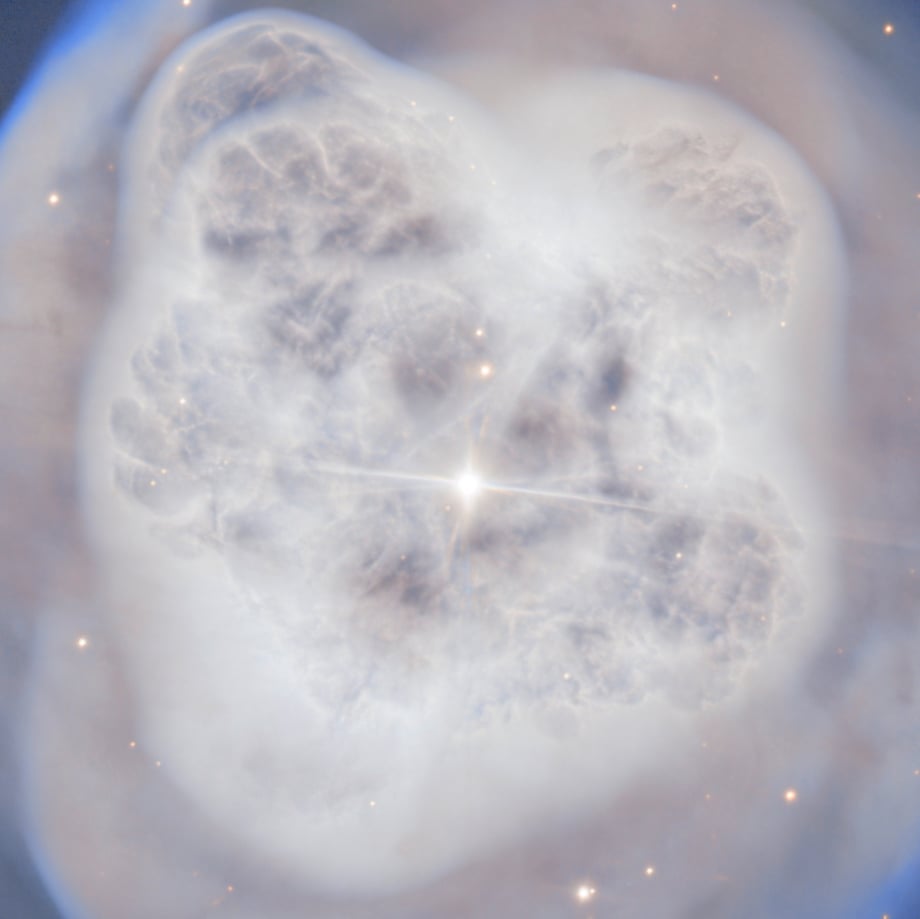
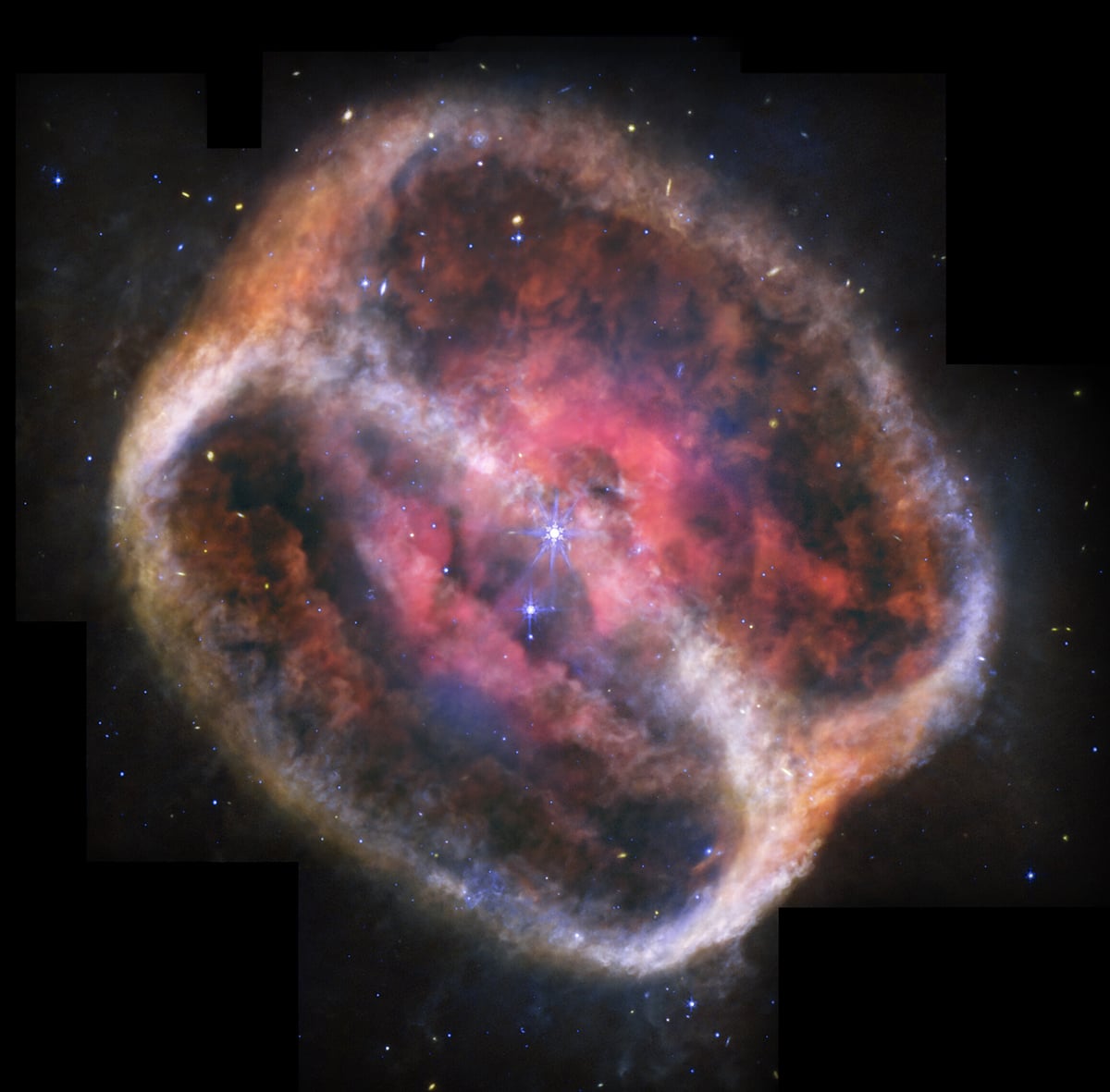
The new Gemini North image exposes multiple shells surrounding the central binary system. Some appear as faint arcs extending away from the center. Others form broader diffuse layers that blend into the surrounding nebula. Together, these structures create the appearance of nested bubbles suspended within a larger cloud.
The presence of multiple shells suggests that the dying star expelled material during separate episodes rather than through a single continuous outflow. Changes in mass-loss rates, stellar wind velocity, and internal stellar conditions likely produced distinct layers over time. As newer winds overtook older material, collisions occurred throughout the nebula.
The observations further reveal fine-scale structure within the gas. Filaments, knots, and subtle brightness variations appear throughout the nebula. Although these details may seem visually delicate, they provide astronomers with clues about physical conditions inside the expanding cloud.
Clear skies!
See more from DIYPhotography.net on Google
Add DIYPhotography.net as a trusted source. This makes
our stories more likely to appear in your Google Search results.
 Add as a preferred source on Google

Soumyadeep Mukherjee
Soumyadeep Mukherjee is an award-winning astrophotographer from India. He has a doctorate degree in Linguistics. His work extends to the sub-genres of nightscape, deep sky, solar, lunar and optical phenomenon photography. He is also a photography educator and has conducted numerous workshops. His works have appeared in over 40 books & magazines including Astronomy, BBC Sky at Night, Sky & Telescope among others, and in various websites including National Geographic, NASA, Forbes. He was the first Indian to win “Astronomy Photographer of the Year” award in a major category.


Join the Discussion
DIYP Comment Policy
Be nice, be on-topic, no personal information or flames.