


















Filmmaker Yu Kano Leverages CAD/CNC for Camera Desktop Manufacturing
Apr 7, 2026
David Prochnow
Our resident “how-to” project editor, David Prochnow, lives on the Gulf Coast of the United States in Ocean Springs, Mississippi. He brings his expertise at making our photography projects accessible to everyone, from a lengthy stint acting as the Contributing How-To Editor with Popular Science magazine. While you don’t have to actually build each of his projects, reading about these adventures will contribute to your continued overall appreciation of do-it-yourself photography. A collection of David’s best Popular Science projects can be found in the book, “The Big Book of Hacks,” Edited by Doug Cantor.
Share:
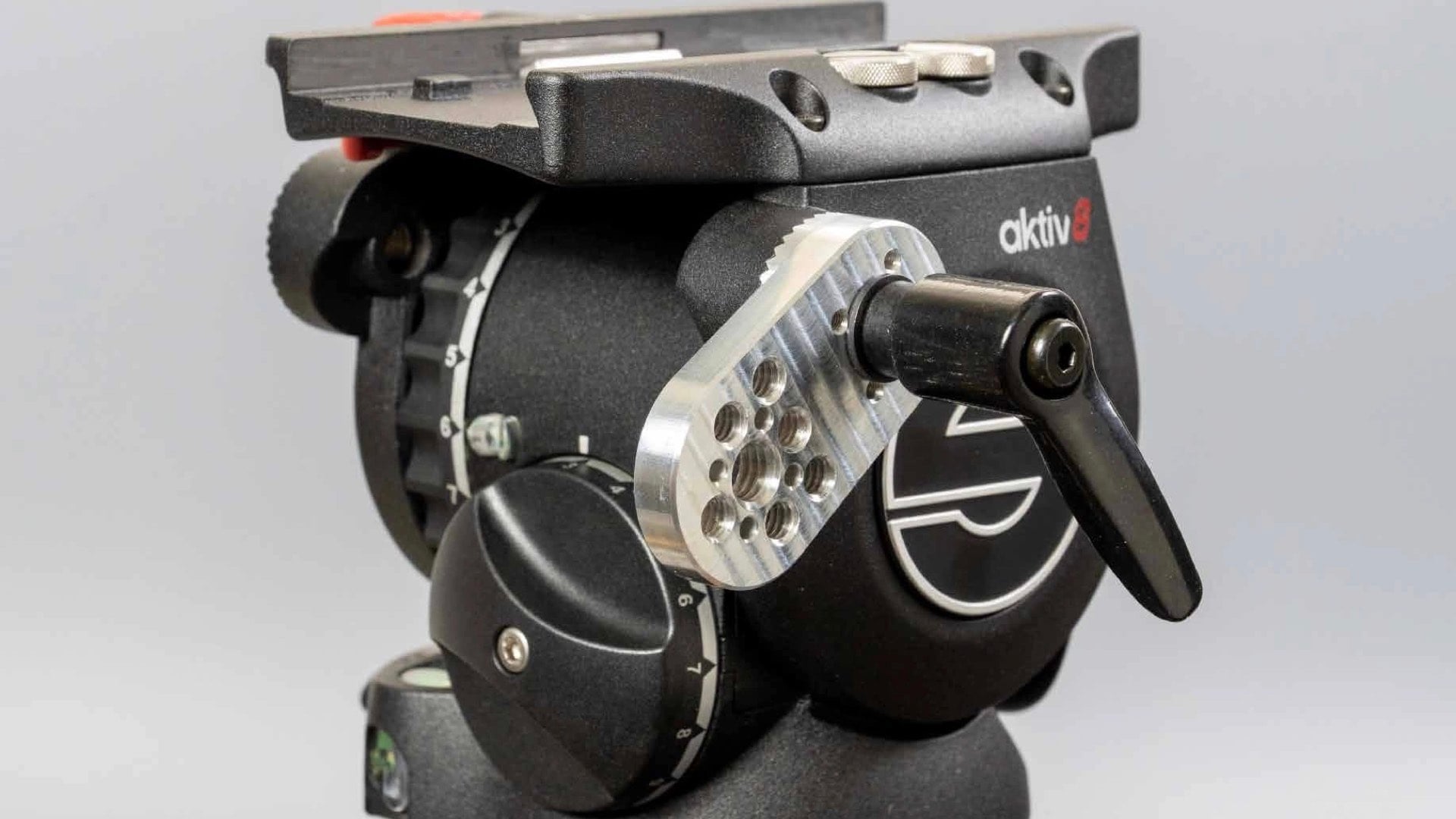
Yu Kano, a Japan-based filmmaker, faced a common challenge in the film industry: creating custom camera equipment required outsourcing to manufacturers, which led to long delays, high costs, and limited flexibility. His workflow involved designing components in Computer-Aided Design (CAD) software and waiting weeks for production and revisions, often constrained by minimum order quantities. While 3D printing helped with early prototypes, it lacked the precision and durability needed for professional-grade metal parts.
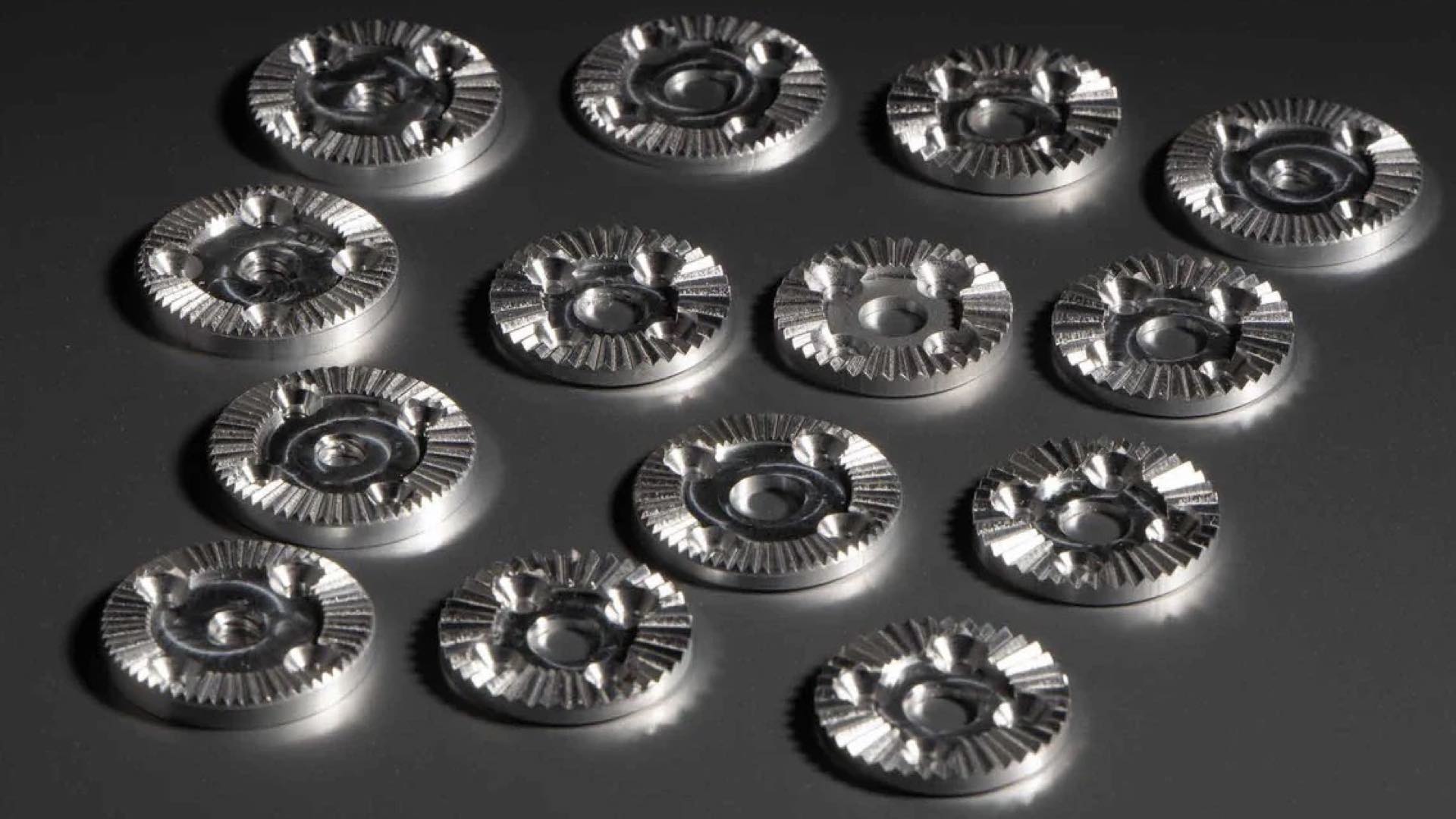
The turning point came when Kano adopted the Carvera Air, a $2,999.00 compact desktop Computer Numerical Control (CNC) machine developed by Makera. This technology enabled him to bring manufacturing in-house, combining 3D printing for rough forms with CNC machining for high-precision components. As a result, Kano could produce aluminum parts within hours instead of weeks, dramatically accelerating prototyping and testing.
A Factory on Your Desktop
With full control over the production process, Kano streamlined his workflow, handling design, prototyping, testing, and iteration entirely from within his studio. This shift reduced costs and allowed rapid experimentation, leading to better product development. He now creates professional camera accessories under his “Run & Gun” project (under the name Cinetronix), tailored to real-world filmmaking needs.
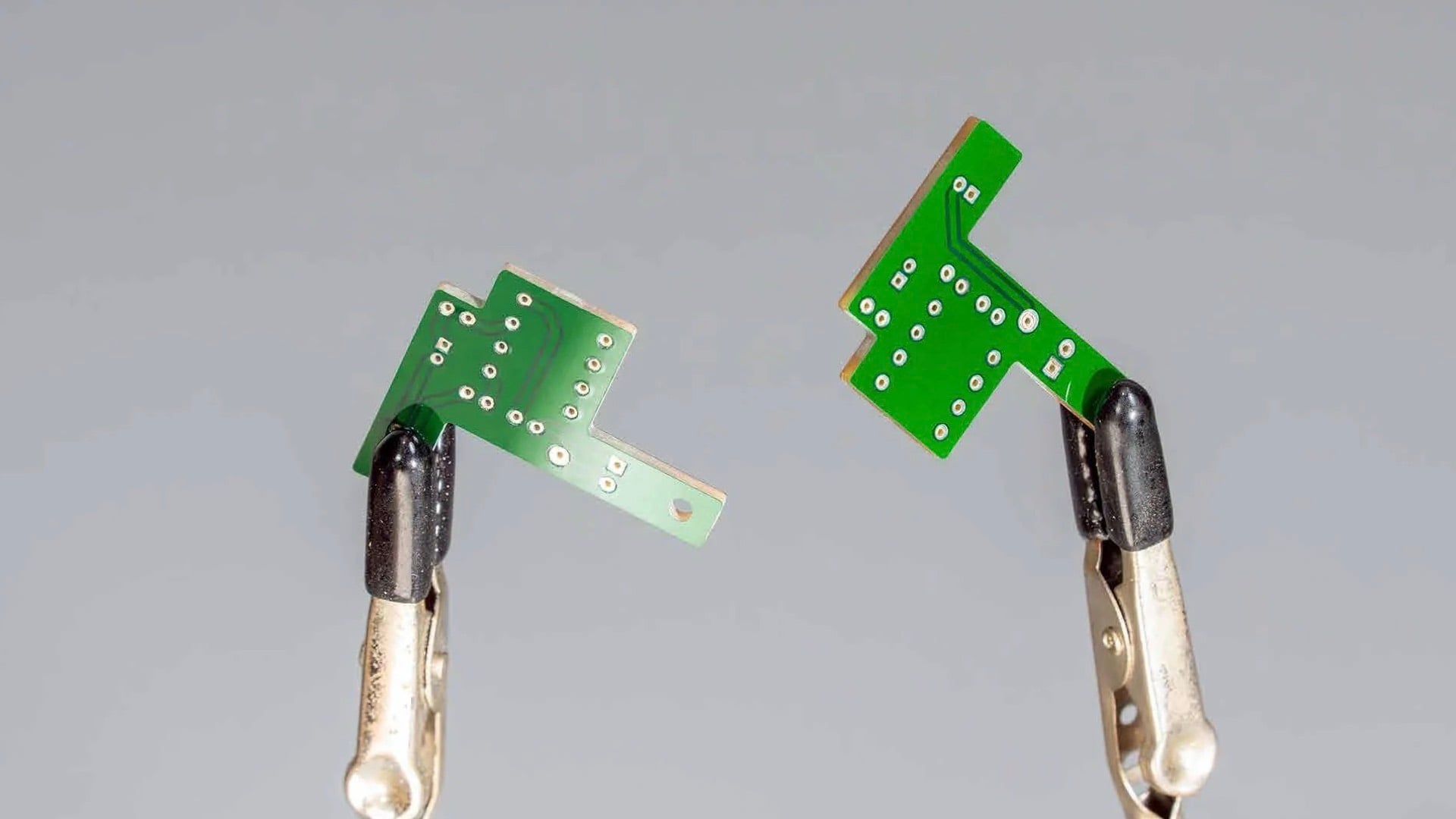
Tools like Carvera Air are democratizing hardware production, enabling independent creators to build and manufacture products without traditional infrastructure. Compact, office-friendly, and versatile, the machine supports tasks from small-batch production to Printed Circuit Board (PCB) fabrication, as well as laser processing.
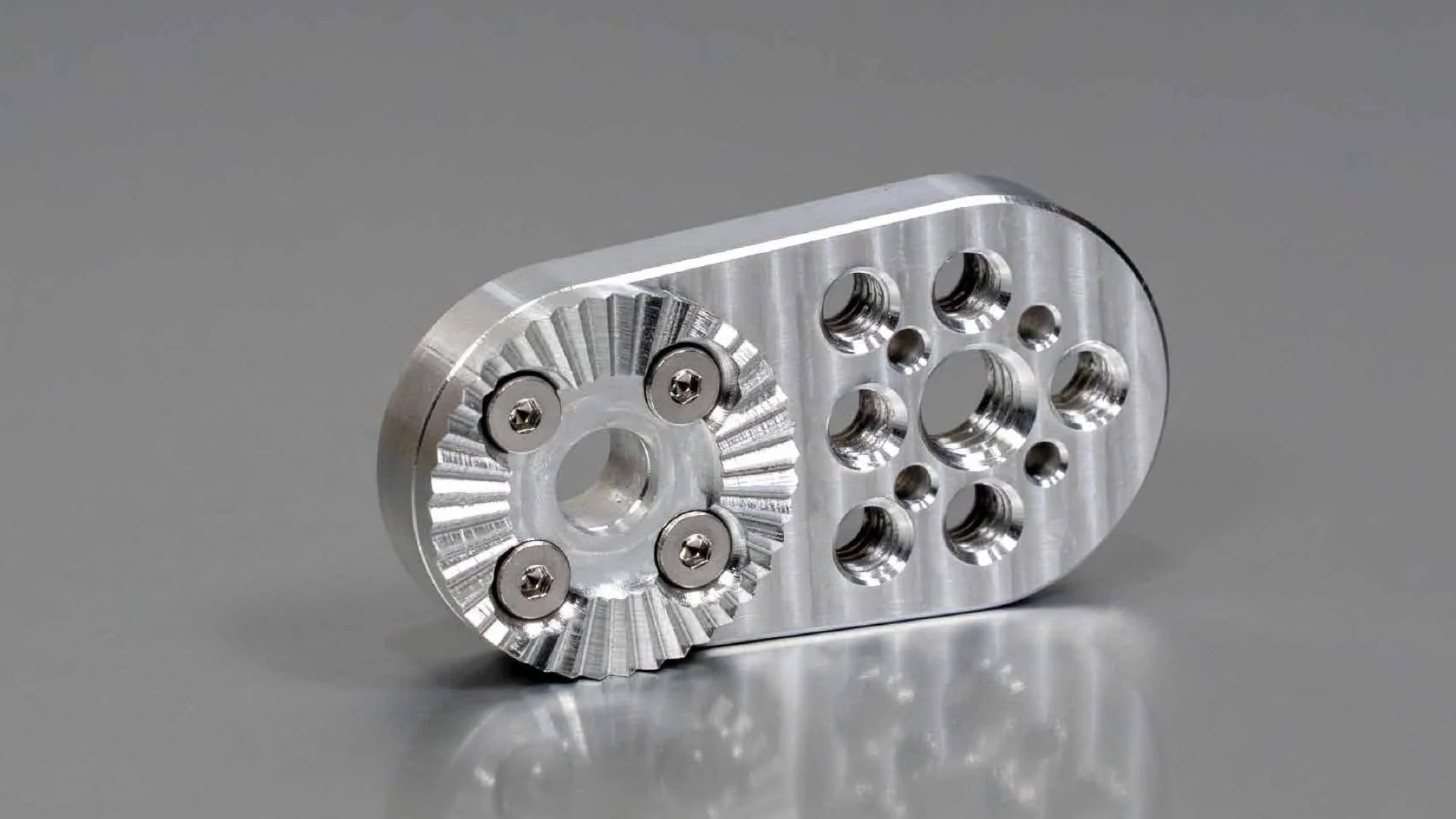
Ultimately, Kano’s story illustrates a larger trend: the barrier between idea and production is shrinking. With accessible desktop manufacturing, creators can now innovate faster, iterate freely, and bring products to market independently, reshaping how hardware businesses are built in the modern era.
Enjoy.
See more from DIYPhotography.net on Google
Add DIYPhotography.net as a trusted source. This makes
our stories more likely to appear in your Google Search results.
 Add as a preferred source on Google

David Prochnow
Our resident “how-to” project editor, David Prochnow, lives on the Gulf Coast of the United States in Ocean Springs, Mississippi. He brings his expertise at making our photography projects accessible to everyone, from a lengthy stint acting as the Contributing How-To Editor with Popular Science magazine. While you don’t have to actually build each of his projects, reading about these adventures will contribute to your continued overall appreciation of do-it-yourself photography. A collection of David’s best Popular Science projects can be found in the book, “The Big Book of Hacks,” Edited by Doug Cantor.



Join the Discussion
DIYP Comment Policy
Be nice, be on-topic, no personal information or flames.