




















Concert Photography Copyright: What Every Photographer Should Know
Sep 7, 2025
Dunja Đuđić Kalinin
Dunja Djudjic is a multi-talented artist based in Novi Sad, Serbia. With 15 years of experience as a photographer, she specializes in capturing the beauty of nature, travel, concerts, and fine art. In addition to her photography, Dunja also expresses her creativity through writing, embroidery, and jewelry making.
Share:
Concert photography copyright is one of the things you should definitely learn about if you plan to devote yourself to live music photography more seriously. Heck, even if you don’t! Copyright defines who legally owns concert photos and how they can be used. And in order to spare yourself from unpleasant situations or downright trouble, we bring you the essentials that will help you deal with the legal part of things.
In most countries, including the United States, copyright law protects photographers from the very moment the shutter clicks. This means your images are yours, whether you are a hobbyist shooting for fun or a professional building a career. Still, there are some nuances to all of it, so let’s break them down one by one.
[Related Reading: The Ultimate Guide to Concert Photography: Gear, Settings, Techniques & More]
Who Owns the Copyright in Concert Photos?
In U.S. law, the author of a work automatically owns the copyright at creation. For concert photography, obviously, that author is the photographer. The band may own the music, and the venue may own the performance rights, but the photo itself automatically belongs to you.
This means that unless you’ve signed a contract assigning rights away, you control how your images are used. You can publish them, license them, or sell them. Musicians and their management cannot legally take your photos, edit them, or repost them for marketing purposes without permission.
However, the ownership can change if you sign a rights-grab contract, or if you are hired as a staff photographer under a “work-for-hire” agreement. But we’ll get to that.
How Long Does Copyright Last?
One of the most common questions concert photographers have is: once you take a photo, how long do you actually own the rights to it? In the United States, copyright protection for concert photos lasts for the lifetime of the photographer plus 70 years after their death. This means your images remain protected not only throughout your career but also for decades afterward, giving your heirs the ability to control their use and benefit from them.
Internationally, the rules can differ slightly. Thanks to the Berne Convention, most countries offer similar protections, but the term can vary. Some countries follow the “life plus 70 years” standard, while others still operate under “life plus 50 years.” For example, Canada and Japan recently updated their laws to align with the 70-year standard, but some regions haven’t yet.
The key takeaway is this: regardless of where you shoot, the concert photography copyright is automatically yours from the moment you press the shutter. The difference lies only in how long that protection lasts in different countries. If you’re planning to publish or license your work internationally, it’s worth checking the specific copyright duration in that market.
Why Register Your Concert Photos with the Copyright Office?
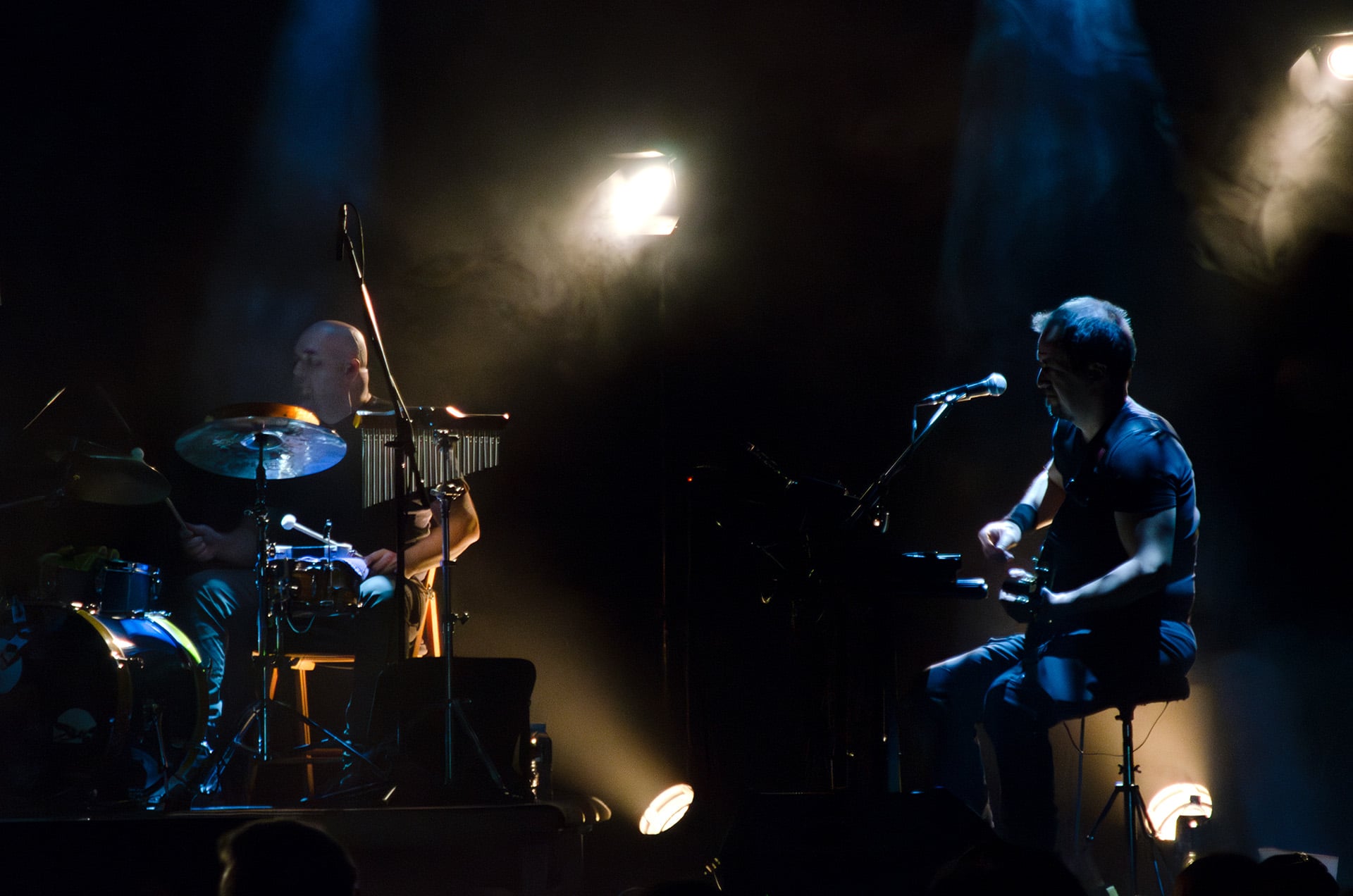
Although copyright protection exists from the moment of creation, registering your concert photography with the U.S. Copyright Office adds some additional legal benefits. First of all, if someone infringes your photos, you can’t sue for damages in federal court without registration.
Then, registering allows you to claim statutory damages and recover legal fees. Without registration, you may only recover actual damages, which are often minimal and not worth pursuing. With registration, you may be entitled to up to $150,000 per work in statutory damages.
The best practice is to register photos within three months of publication, and certainly before infringement occurs. You can register batches of images after covering a big tour or festival to save time and cost. There’s also a Lightroom plugin that makes the process easier, it’s called imagerights.
Contracts and Photo Pass Agreements
This is where things can get tricky and not so straightforward. To photograph most concerts, you need a photo pass. In big concerts and festivals, concert photographer passes are tied to contracts that outline how your images can be used. Some of these contracts are fair. Others are blatant rights grabs.
One infamous case involved Taylor Swift’s tour. Concert photographers were asked to sign agreements limiting how they could publish their own images. Another involved Janet Jackson, whose contract reportedly allowed just 30 seconds of photography during the first song while transferring all rights to her production company.
When you sign such contracts, you may be giving up your concert photography copyright or limiting how your images can be used. So, please actually do read the Terms and Conditions. Including the fine print. If it’s possible, negotiate. Smaller publications sometimes push back and get terms softened. In other cases, you may have to decide whether the access is worth the restriction.
Personally, I’d avoid contracts that require me to surrender copyright or give exclusive rights to the artist without compensation. Or even with compensation.
Fair Use and Editorial vs. Commercial Use
Even though you own the copyright, your ability to use concert photos depends on context. U.S. law distinguishes between editorial and commercial use and that’s something to keep in mind when thinking about your concert photography copyright.
Editorial use means your images are used for reporting, commentary, or artistic expression. This includes publishing on your portfolio, social media, blogs, or magazines. For most photographers, this is the default and does not require permission from the performer.
Commercial use, however, means using the image to promote or sell a product or service. For example, if you license a photo of a singer to advertise headphones, that’s commercial use. In such cases, the performer’s right of publicity comes into play. In cases like this, you’d need a model release or explicit permission. Otherwise, you may face a lawsuit!
Fair use can sometimes protect concert photographers, particularly when images are used for criticism, comment, news reporting, teaching, scholarship, and research. But fair use is narrow and case-specific, so it should never be your only defense.
The Right of Publicity and Performer’s Image
As mentioned, performers have a right of publicity, which protects their image and likeness from commercial exploitation. This is separate from concert photography copyright and varies by state and by country. California and New York, for example, have strong protections.
This means you can post your concert shots editorially. However, you can’t sell them as posters, put them on merchandise, or use them in ads without explicit permission and model release. The band can stop you from using their likeness in ways that imply endorsement.
For hobbyists and beginners, the safe rule is: editorial use is fine, commercial use requires consent.
Protecting Your Concert Photography from Copyright Infringement
Unfortunately, concert photography copyright infringement is rampant. Even big performers and labels often grab photos from the internet, crop out watermarks, or apply filters before reposting them.
When this happens, your response should escalate step by step:
- Reach out politely and ask for credit or removal. Many bands don’t realize they’ve infringed and they’ll remove your photo.
- If ignored, file a DMCA takedown with the platform where the photo is posted (Instagram, Facebook, etc.).
- For serious or repeated infringements, consider filing with the U.S. Copyright Office’s Copyright Claims Board, a low-cost alternative to federal court.
- In extreme cases, you may need to pursue litigation in federal court.
To protect yourself proactively, shoot in RAW, keep metadata intact, and watermark strategically. Watermarks don’t prevent theft, but they make attribution clearer. Copyright Office registration is your strongest shield if you need legal recourse.
Best Practices for Concert Photography Copyright Protection
Beyond legal steps, here’s a summary are practical habits that can protect your work:
- Register images in batches after big events.
- Keep backup files and metadata as proof of authorship.
- Build strong professional relationships with bands and venues, which reduces the likelihood of disputes.
- Avoid signing away rights in contracts without clear benefits.
- Remember that reputation matters. Be professional and courteous when enforcing your rights.
To Conclude
Concert photography copyright is not just a legal technicality. It’s what ensures your work is respected and your livelihood protected. While performers own their music, you own your images. Knowing how to protect that ownership gives you freedom to create and confidence to share.
Respect the artists you photograph, but respect your own work too. With the right knowledge, you can navigate contracts, enforce your rights, and still enjoy the best job/hobby in the world!
FAQs on Concert Photography Copyright
Do I need a model release for concert photos?
Not for editorial use. For commercial use, yes.
Can I sell prints of concert photos?
If the artist is in the photos, you can’t usually sell prints without written permission and/or model release, as that crosses into commercial use.
Can a band demand I delete my concert photos?
Not if you own the copyright and haven’t signed a contract giving them that control.
See more from DIYPhotography.net on Google
Add DIYPhotography.net as a trusted source. This makes
our stories more likely to appear in your Google Search results.
 Add as a preferred source on Google

Dunja Đuđić Kalinin
Dunja Djudjic is a multi-talented artist based in Novi Sad, Serbia. With 15 years of experience as a photographer, she specializes in capturing the beauty of nature, travel, concerts, and fine art. In addition to her photography, Dunja also expresses her creativity through writing, embroidery, and jewelry making.
Related Posts
 Copyright Claims Board first case: photographer win copyright case vs. lawyer
 Concert Photographer: Where Did Your Integrity Go? (Or How Concert Photographers Handle Contracts In Norway)
 US Copyright Office: Photos Taken by Animals Have No Copyright. Nor Do Photos Taken by God.
 Artist sues U.S. Copyright Office for not protecting copyright of his AI-generated image
Join the Discussion
DIYP Comment Policy
Be nice, be on-topic, no personal information or flames.