


















Why use a camera instead of your phone… Or the other way around
Nov 12, 2024
Dunja Đuđić Kalinin
Dunja Djudjic is a multi-talented artist based in Novi Sad, Serbia. With 15 years of experience as a photographer, she specializes in capturing the beauty of nature, travel, concerts, and fine art. In addition to her photography, Dunja also expresses her creativity through writing, embroidery, and jewelry making.
Share:
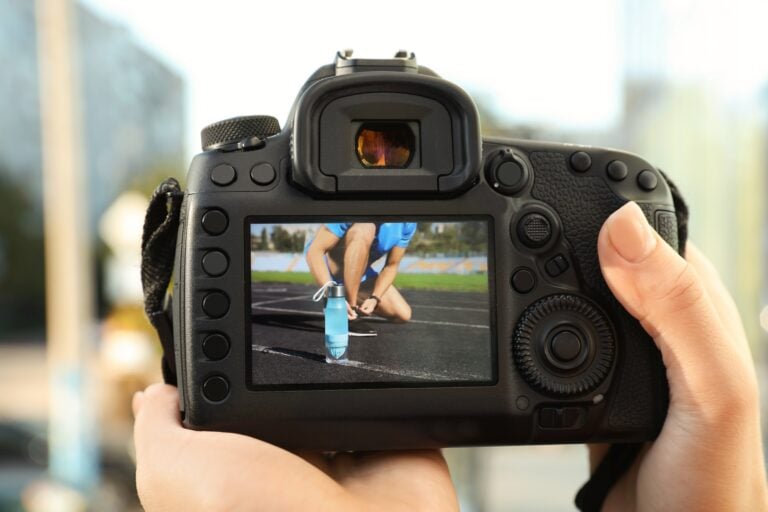
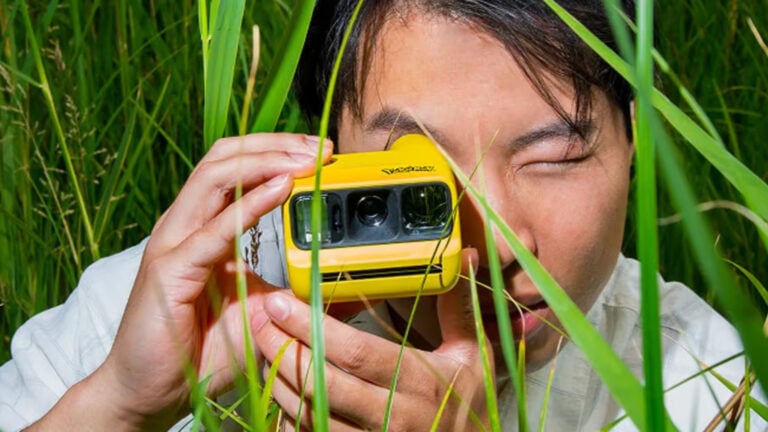
Why use a camera anymore when you can just use your phone? Or why use your phone when you have that expensive camera. Emily from Micro Four Nerds tackles a common question she gets when presenting tiny cameras: “Why don’t you just use your phone?” Well, both have advantages, and she gives a great breakdown on pluses and minuses of each in her latest video.
Team camera
It’s not all about image quality
The phone-versus-camera debate isn’t really about image quality. As Emily notes, it’s about the characteristics you can achieve. A camera’s larger sensor, interchangeable lenses, and manual settings provide control over aspects like depth of field and low-light performance, which create a different look than what’s possible with a phone.
Tactile experience
Emily emphasizes the physical experience of using a camera—adjusting dials, feeling the shutter click, and working with manual settings. These elements let photographers feel more connected to the process. Plus, a camera is distraction-free; you’re not dealing with notifications while framing a shot. That’s one of my pet peeves, by the way. I usually keep my phone on airplane mode while taking photos.
Creative control
Another big benefit is lens versatility. A camera lets you change lenses, from wide-angle to telephoto, providing creative options that phones can’t fully replicate. This versatility helps photographers learn about focal lengths, composition, and even their personal style.

Team phone
Convenience and ease
Phones are incredibly convenient: They’re always on you, easy to use, and great for sharing photos instantly. Modern phones pack in multiple lenses, computational photography features, and powerful auto-settings that make high-quality photos easy for beginners. They’re also affordable compared to investing in a separate camera.
Computational power vs. hands-on learning
Phones excel at processing images with features like object removal, HDR, and low-light boosts. However, Emily argues that while computational features are impressive, they’re necessary because phones have limitations with sensor size. With a dedicated camera, you don’t need as much processing to achieve strong results.

In the end, both options have their pros and cons. Personally, I won’t miss taking a shot I find interesting just because I don’t have my camera on me. Chances are I do have a phone, so I’ll use that to take my photo. Emily encourages using whatever tool makes you excited to shoot. Phones are fantastic for spontaneous photography, while cameras provide a focused, hands-on experience. Ultimately, it’s about what helps you enjoy photography—whether it’s the phone you already own or a dedicated camera that brings you joy.
[“Just use your smartphone…” | Micro Four Nerds]
See more from DIYPhotography.net on Google
Add DIYPhotography.net as a trusted source. This makes
our stories more likely to appear in your Google Search results.
 Add as a preferred source on Google

Dunja Đuđić Kalinin
Dunja Djudjic is a multi-talented artist based in Novi Sad, Serbia. With 15 years of experience as a photographer, she specializes in capturing the beauty of nature, travel, concerts, and fine art. In addition to her photography, Dunja also expresses her creativity through writing, embroidery, and jewelry making.




Join the Discussion
DIYP Comment Policy
Be nice, be on-topic, no personal information or flames.