





















The Highly Anticipated TTArtisan 203T Folding Instant Camera is Now For Sale…Sorta
Apr 7, 2026
David Prochnow
Our resident “how-to” project editor, David Prochnow, lives on the Gulf Coast of the United States in Ocean Springs, Mississippi. He brings his expertise at making our photography projects accessible to everyone, from a lengthy stint acting as the Contributing How-To Editor with Popular Science magazine. While you don’t have to actually build each of his projects, reading about these adventures will contribute to your continued overall appreciation of do-it-yourself photography. A collection of David’s best Popular Science projects can be found in the book, “The Big Book of Hacks,” Edited by Doug Cantor.
Share:
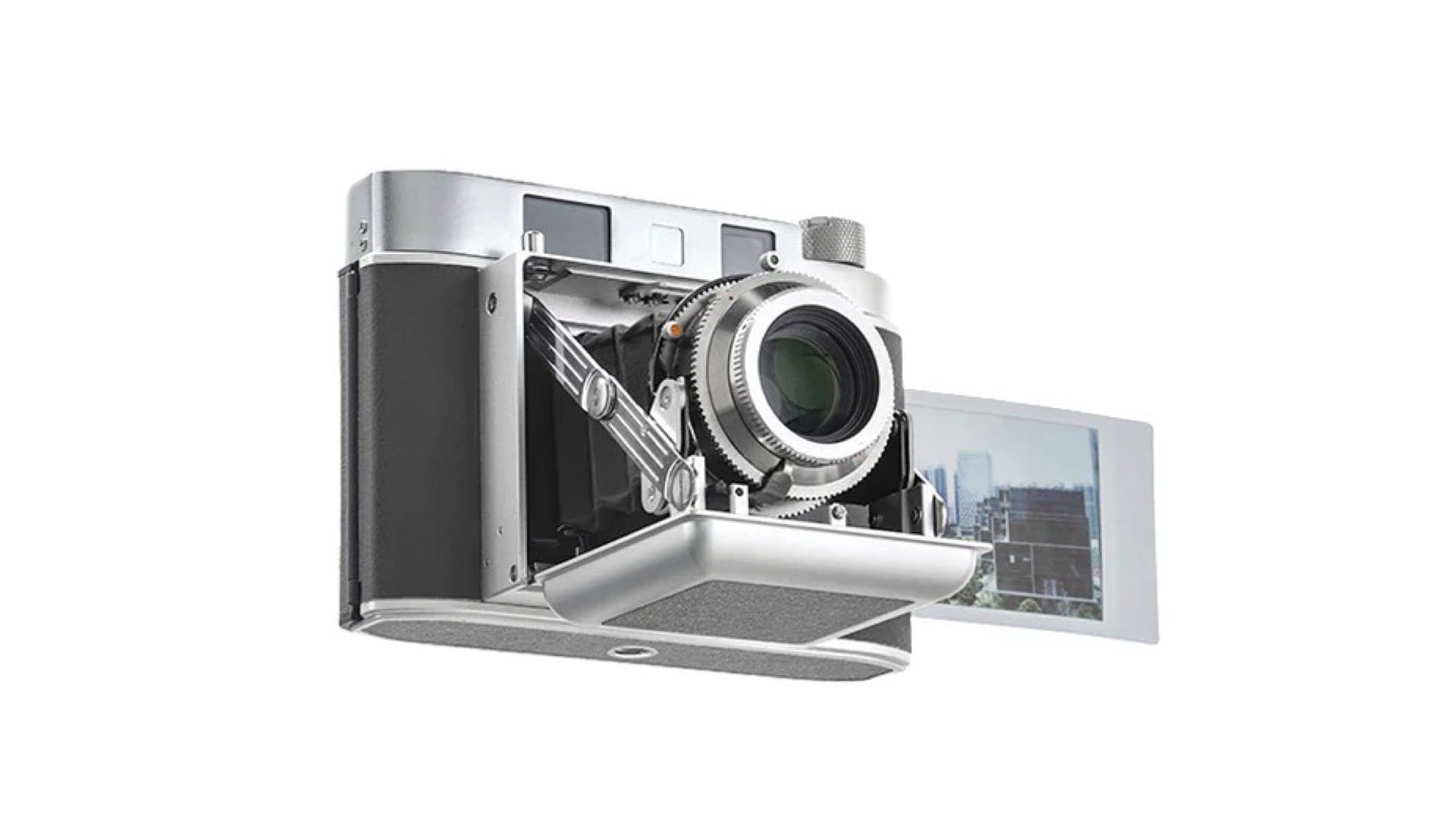
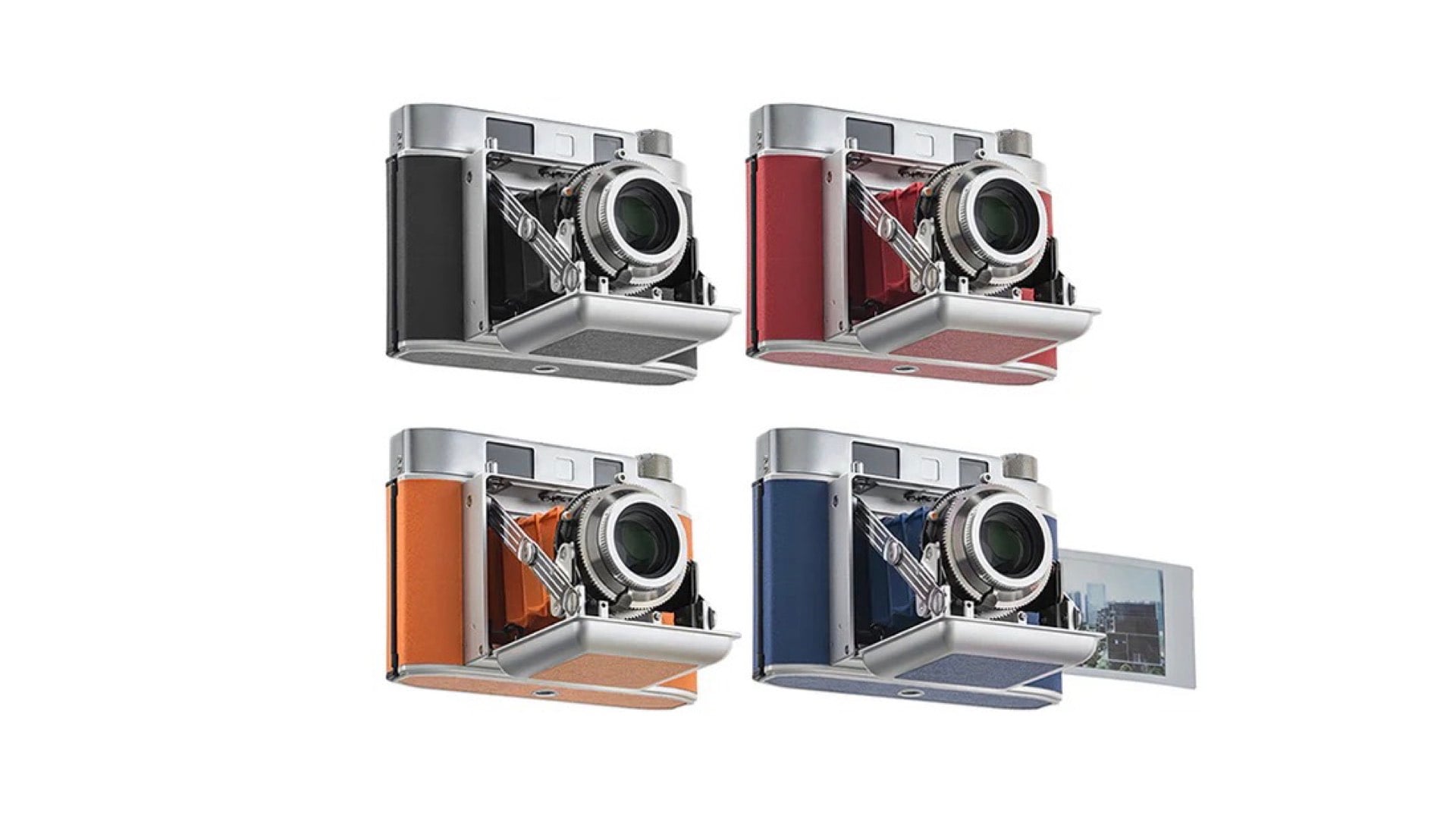
Please Note: this is a beta product. The camera is priced at $9,999.00. A special beta program invitation from TTArtisan with a discount code will reduce the price by $9,599.00 to a limited access price of $400. A random camera color (e.g., black, blue, red, or orange) will be shipped with purchase. If you’d like to learn more about this beta program invitation, contact TTArtisan.
The TTArtisan 203T Folding Instant Camera is a striking blend of vintage aesthetics and modern instant photography. Designed to resemble a classic bellows-style folding camera, its metal construction and collapsible design evoke a nostalgic shooting experience while remaining grounded in functional features that are common to contemporary users.
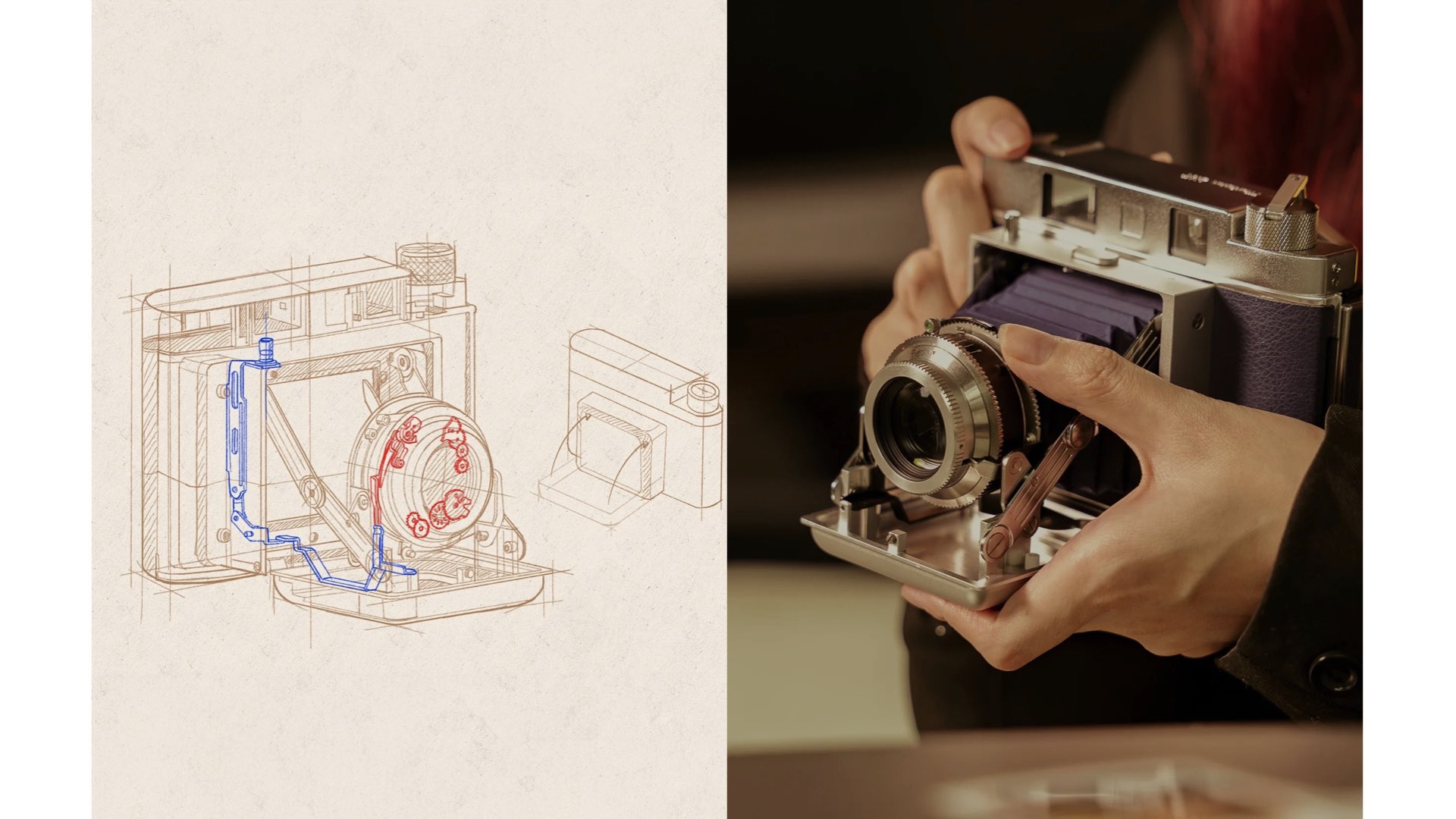
What truly sets the 203T apart is its fully mechanical operation. Unlike most instant cameras, it requires no batteries, relying instead on a spring-driven leaf shutter, along with a knob/lever manual film ejection system. Photographers manually control exposure through adjustable shutter speeds ranging from 1 second to 1/300 second, along with a de-clicked aperture spanning f/3.5 to f/22. This level of manual control is rare in instant photography and could appeal strongly to enthusiasts who prefer a hands-on approach.
A Retro Vibe with Modern Film
The camera uses Fujifilm instax Mini film, producing small, instant prints. It features a 75mm f/3.5 lens (roughly equivalent to a 50mm in a 35mm full-frame perspective) and a coupled rangefinder system for precise manual focusing. Additionally, a Bulb mode enables long-exposure photography, opening creative possibilities such as light trails and low-light experimentation.
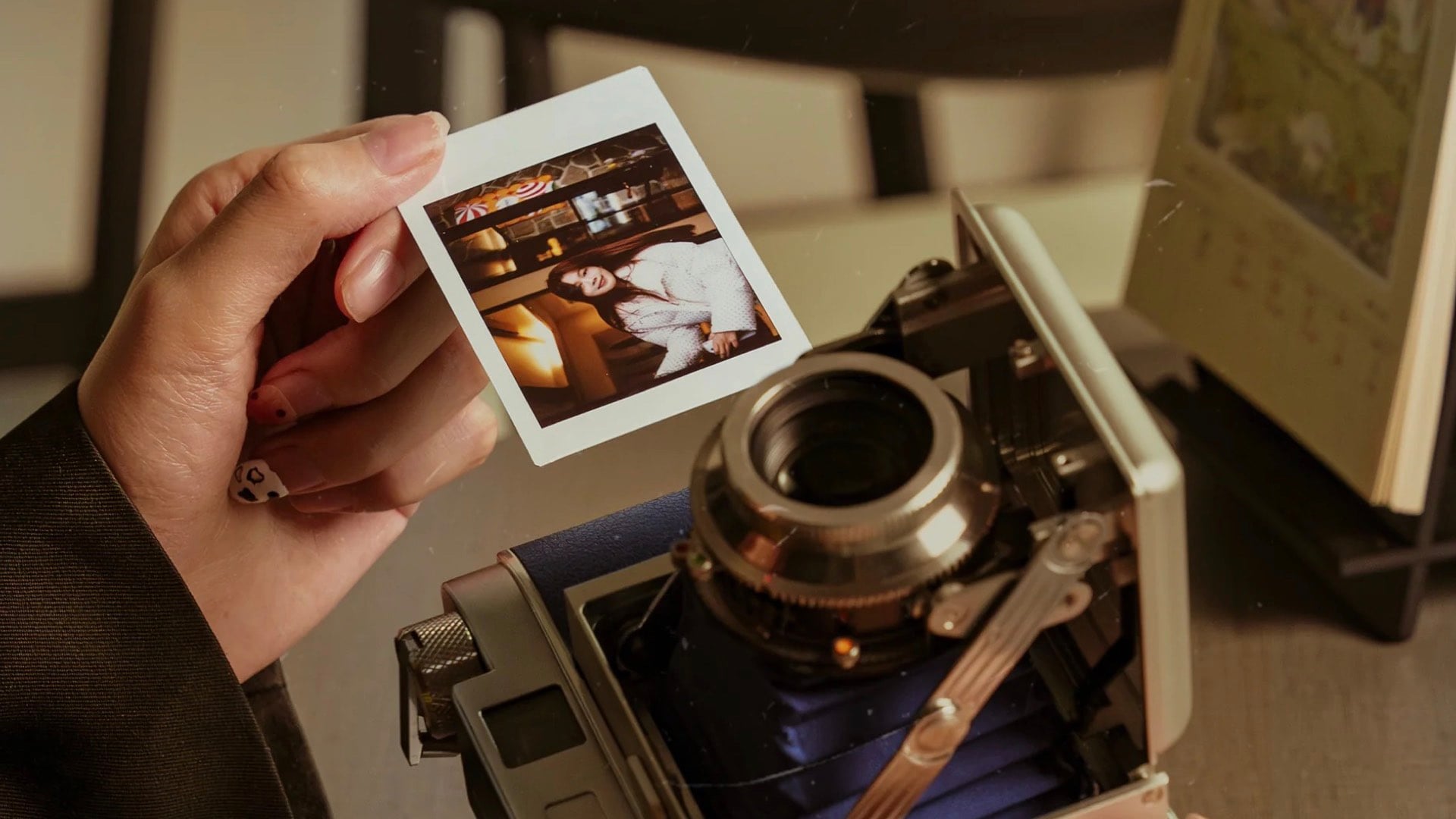
The 203T, however, is not designed for casual users. With no built-in flash, automatic metering, or autofocus, it demands a solid understanding of exposure and lighting. This makes it more of a niche tool for experienced photographers rather than a point-and-shoot option for content creators.
Detailed Specifications
- Product Name Folding Instant Camera Model 203T
- Compatible Film FUJIFILM instax Mini Instant Film
- Image Size 62mm x 46mm
- Focal Length 75mm (equivalent to 50mm in 35mm format)
- Focusing Distance 1.2m to ∞ (Infinity)
- Shutter Type Leaf shutter
- Shutter Speed 1/300s to 1s; & Bulb
- Aperture f/3.5 – F22 (no detents)
- Focusing Mode Manual focus (rangefinder coupled)
- Exposure Mode Manual
- Film Ejection Manual knob/lever
- Tripod Mount Yes
Enjoy.
See more from DIYPhotography.net on Google
Add DIYPhotography.net as a trusted source. This makes
our stories more likely to appear in your Google Search results.
 Add as a preferred source on Google

David Prochnow
Our resident “how-to” project editor, David Prochnow, lives on the Gulf Coast of the United States in Ocean Springs, Mississippi. He brings his expertise at making our photography projects accessible to everyone, from a lengthy stint acting as the Contributing How-To Editor with Popular Science magazine. While you don’t have to actually build each of his projects, reading about these adventures will contribute to your continued overall appreciation of do-it-yourself photography. A collection of David’s best Popular Science projects can be found in the book, “The Big Book of Hacks,” Edited by Doug Cantor.


Join the Discussion
DIYP Comment Policy
Be nice, be on-topic, no personal information or flames.